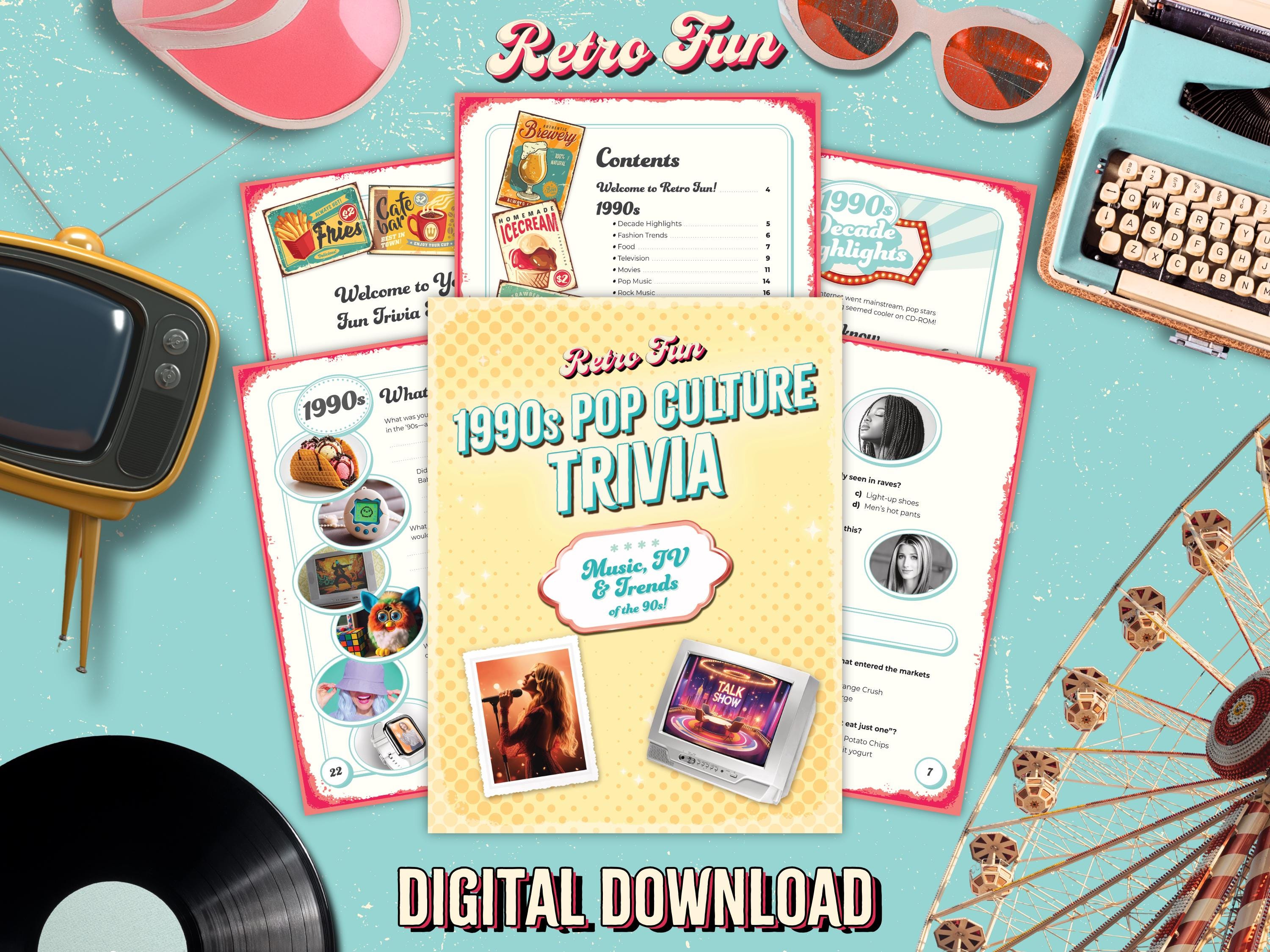
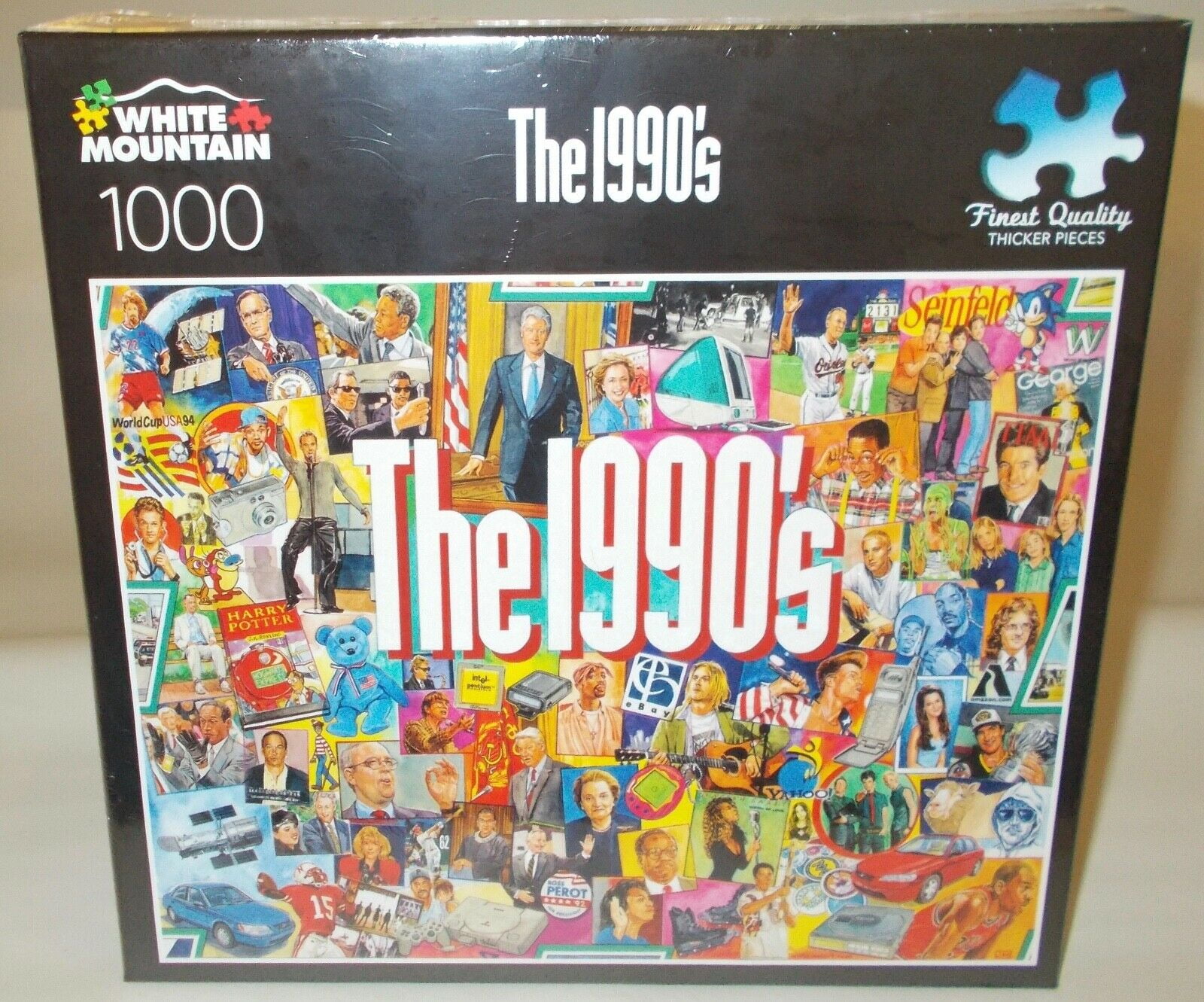
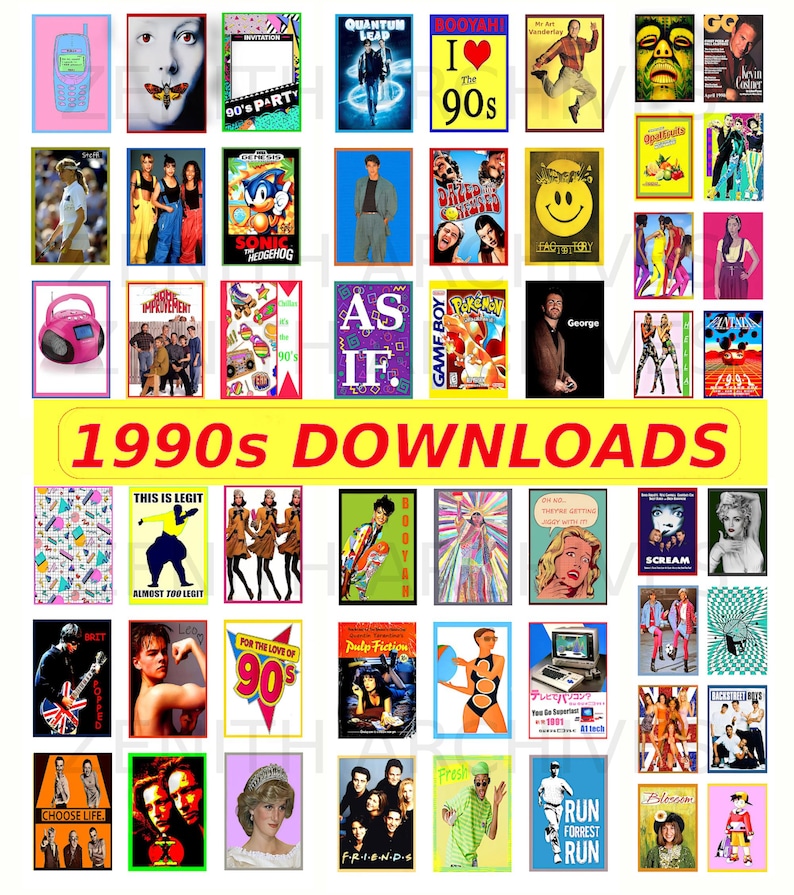
The cultural landscape of the 1990s was defined by the rapid commercialization of alternative countercultures, the birth of the modern digital era, and a massive shift in how media was consumed through globalized television, cinema, and music. This decade bridged the analog traditions of the late 20th century with the hyper-connected digital infrastructure that would explode in the years following.
The Technological Transition: From Analog to Digital Inflection Points
The cultural artifacts of the 1990s cannot be understood without examining the underlying shifts in technology that delivered them to the masses. At the start of the decade, households relied on analog broadcast television, VHS tapes for home video consumption, vinyl records, and cassette tapes. By 1999, the Compact Disc (CD) had largely replaced cassette tapes, home computers were becoming standard fixtures in middle-class households, and the World Wide Web had transitioned from an academic experiment into a commercial medium.
This technological evolution directly impacted media consumption habits. The introduction of portable digital audio players like early MP3 prototypes late in the decade signaled the beginning of the end for physical media dominance. Simultaneously, the proliferation of cable television networks—such as MTV, Nickelodeon, and the Cartoon Network—created shared generational touchstones. Children and teenagers across the developed world watched the same programs, bought the same branded merchandise, and participated in synchronous cultural moments, laying the groundwork for a truly globalized pop culture ecosystem.
The Musical Metamorphosis: Grunge, Hip-Hop, and the Pop Revival
Music in the 1990s was characterized by stark polarization and rapid stylistic evolution. The early part of the decade was dominated by the explosive rise of grunge and alternative rock, spearheaded by bands like Nirvana, Pearl Jam, Soundgarden, and Alice in Chains. Hailing primarily from the Pacific Northwest, this movement rejected the glossy, highly produced aesthetic of 1980s hair metal in favor of raw instrumentation, introspective or angst-ridden lyrics, and a deliberately unpolished visual presentation.
Simultaneously, hip-hop transitioned from an urban American subculture into a dominant commercial and cultural force. The decade witnessed the golden age of hip-hop, marked by the East Coast versus West Coast rivalry, the rise of Death Row Records and Bad Boy Records, and iconic artists such as Tupac Shakur, The Notorious B.I.G., Nas, and Dr. Dre. Hip-hop shaped fashion, language, and social attitudes on a global scale.
By the late 1990s, the pendulum swung back toward hyper-polished pop music. The commercial landscape was flooded by teen pop acts and boy bands manufactured or heavily promoted by major labels, including the Backstreet Boys, *NSYNC, Britney Spears, and the Spice Girls. This era solidified the modern pop star formula: relentless touring, high-budget music videos, and extensive merchandising tie-ins.
Cinematic Shifts: Blockbusters, Indies, and Digital Effects
Cinema in the 1990s experienced a dual renaissance of massive technological blockbusters and a thriving independent film movement. On the technical front, computer-generated imagery (CGI) revolutionized special effects. James Cameron’s Terminator 2: Judgment Day (1991) and Steven Spielberg’s Jurassic Park (1993) demonstrated that digital creations could achieve photorealism, permanently altering the expectations of moviegoers and setting a new standard for action and sci-fi cinema. This trajectory culminated in blockbuster milestones like Titanic (1997), which broke global box office records.
Parallel to the rise of the CGI-heavy blockbuster was the independent film explosion of the early-to-mid 1990s. Fueled by the success of films like Quentin Tarantino’s Pulp Fiction (1994) and Richard Linklater’s Slacker (1991), independent studios proved that low-budget films with unconventional narratives, gritty dialogue, and non-linear storytelling could achieve both critical acclaim and mainstream financial success.
| Film Title | Release Year | Genre/Movement | Cultural Impact |
|---|---|---|---|
| Jurassic Park | 1993 | Sci-Fi / Blockbuster | Established modern CGI standards and revolutionized creature effects in cinema. |
| Pulp Fiction | 1994 | Independent / Crime | Popularized non-linear storytelling and revitalized independent cinema distribution. |
| Titanic | 1997 | Romance / Epic | Redefined global box office earnings and elevated technical production scales. |
| The Matrix | 1999 | Sci-Fi / Action | Introduced "bullet time" photography and captured pre-millennial technological anxiety. |
Television Landmarks and Syndicated Phenomena
The television landscape of the 1990s was defined by both the death of the monoculture and the height of the network sitcom. The decade opened with the cultural phenomenon of Twin Peaks (1990), which brought cinematic auteurism to serialized television, and closed with The Sopranos (1999), which inaugurated the prestige television era on premium cable.
Network television reached monumental viewing figures with situational comedies. Shows like Seinfeld ("a show about nothing") and Friends dominated Thursday night television blocks, capturing the specific anxieties and social dynamics of young urban adults. Meanwhile, animated series transcended children's programming; The Simpsons, which debuted in 1989 and defined the 1990s, established sharp satirical television for multi-generational audiences, while Batman: The Animated Series (1992) redefined superhero adaptations for both children and adults.
Fashion and Aesthetics: Minimalism versus Streetwear
Fashion in the 1990s oscillated between two distinct poles: the stripped-down minimalism of the early decade and the vibrant, logo-heavy streetwear of the late 1990s.
The early-to-mid 1990s fashion aesthetic was heavily influenced by grunge and the anti-fashion movement. Designers like Calvin Klein popularized "heroin chic" and minimalist slip dresses, while everyday wear embraced flannel shirts, ripped denim, combat boots, and oversized cardigans. This utilitarian approach stood in direct opposition to the excess of the 1980s.
As the decade progressed, fashion absorbed elements from hip-hop culture and athletic brands. Baggy jeans, oversized graphic t-shirts, tracksuits, bucket hats, and basketball sneakers (particularly Air Jordans) became standard streetwear for both urban youth and suburban teenagers. Brand visibility became paramount, with prominent logos emblazoned across athletic wear and casual clothing.
Toys, Fads, and Consumer Culture
Consumer culture in the 1990s was driven by intense manufacturing fads and interactive technology. The introduction of the Tamagotchi in 1996 by Bandai created a global obsession with virtual pet care, requiring owners to feed and maintain their digital companions throughout the day. Similarly, Beanie Babies, introduced by Ty Warner in 1993, transformed plush toys into speculative financial assets, creating a massive secondary collector market that peaked near the end of the decade.
Trading card and game phenomena also reshaped youth culture. Pokémon, launched in Japan in 1996 as Game Boy video games before expanding into a global trading card and anime franchise, introduced millions of children to complex collection mechanics and digital role-playing games. These fads demonstrated the growing power of transnational media franchising, where television, toys, and video games were released simultaneously to maximize market penetration.
Frequently Asked Questions
What defined the shift in music from the early to late 1990s?
The early 1990s were dominated by raw alternative rock and grunge, which rejected polished production. By the late 1990s, the industry shifted toward high-energy teen pop, boy bands, and commercial dance-pop acts backed by major record labels.
How did technology change cinema in the 1990s?
The integration of advanced computer-generated imagery (CGI), pioneered by films like Jurassic Park and Terminator 2, allowed filmmakers to create realistic digital creatures and visual effects that were previously impossible to achieve practically.
Why were sitcoms so popular during this decade?
Sitcoms like Friends and Seinfeld provided relatable, serialized depictions of modern urban life, capturing large, loyal audiences during an era when family television viewing was still a central household activity.
What was the impact of the internet on 1990s culture?
The commercialization of the World Wide Web in the mid-to-late 1990s introduced email, web browsing, and early digital communication to the public, fundamentally altering how information, news, and entertainment were distributed.
How did fashion change between 1990 and 1999?
Fashion moved from the anti-fashion minimalism and grunge wear of the early decade—characterized by flannel and neutral tones—to bright, logo-driven streetwear, athletic apparel, and synthetic materials by the end of the decade.
Navigating and Preserving 1990s Media Today
For researchers, collectors, and enthusiasts looking to engage with 1990s pop culture today, the primary challenge is media degradation and digital preservation. Physical formats from the era—such as magnetic tape (VHS and cassette) and early optical media (CDs and CD-ROMs)—are subject to physical decay and disc rot.
When acquiring or archiving 1990s media, prioritize verified digital re-releases, lossless rips of physical media, and institutional archives that maintain original hardware. Avoid unverified digital downloads of out-of-print software or media, as these often lack proper metadata or contain corrupted files. For physical collectors, storing optical discs in climate-controlled environments away from direct sunlight remains essential for halting polycarbonate decay.