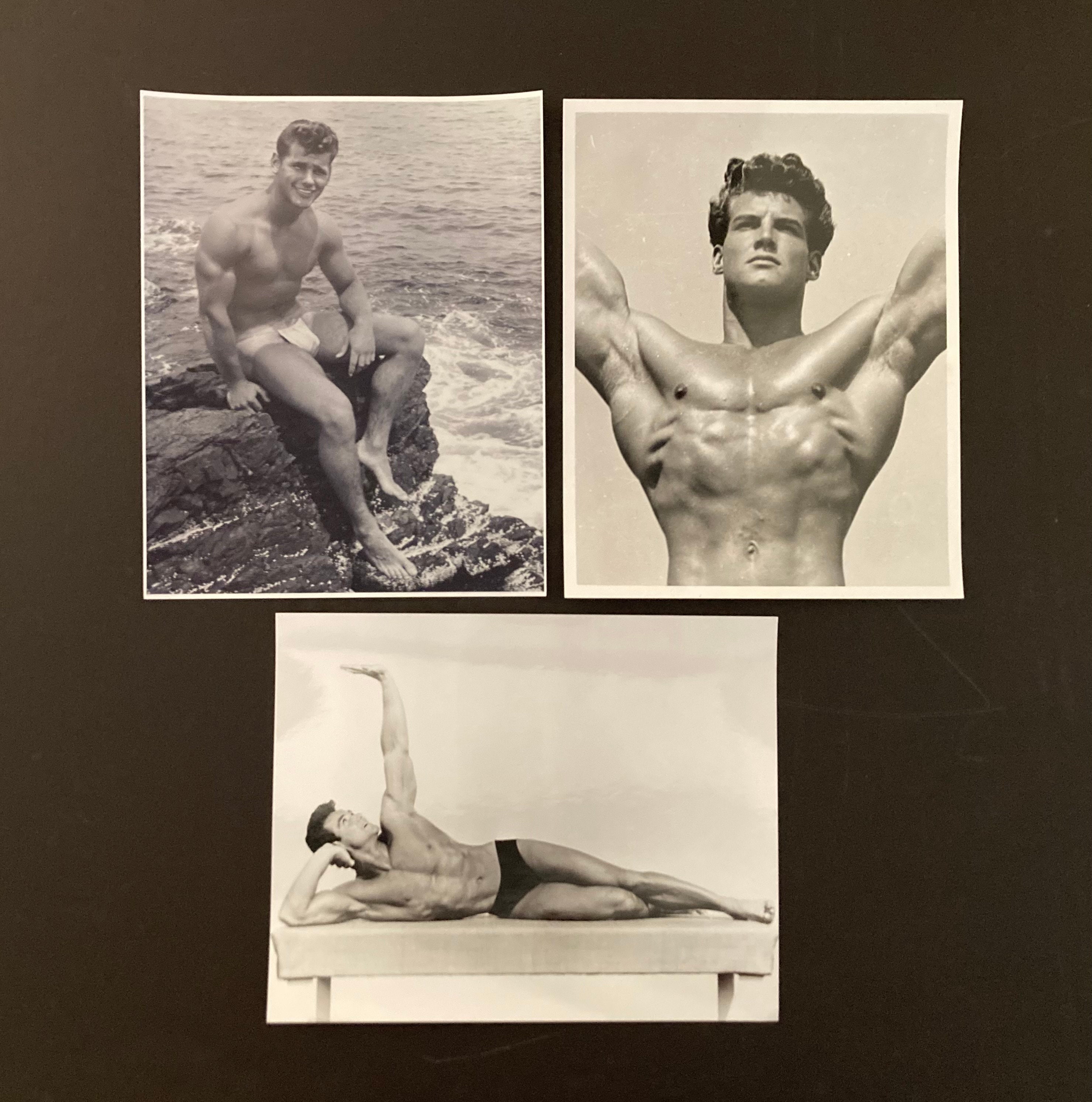
The 1990s physique represents a distinct transitional era in bodybuilding, characterized by a balance of massive muscle mass, tight conditioning, and classical aesthetic lines before the advent of excessively distended midsections. This look bridges the gap between the golden era aesthetics of the 1970s and the hyper-mass monsters of the 2000s, driven by specific training methodologies, nutritional protocols, and pharmacological advancements of the decade.
Defining the 1990s Physique Paradigm
The 1990s physique occupied a unique sweet spot in the history of physical culture. Prior decades, particularly the 1970s and 1980s, prioritized flowing lines, tapered waists, and broad shoulders, epitomized by figures like Arnold Schwarzenegger and Lee Haney. As the final decade of the 20th century progressed, professional bodybuilding experienced a significant shift in mass requirements, driven by the emergence of competitors like Dorian Yates. Yates introduced a new standard of conditioning and sheer muscular thickness that permanently altered the judging criteria.
Despite the influx of unprecedented mass, the best 1990s physiques maintained structural harmony. A tight midsection remained a vital prerequisite, even as competitors pushed body weights well past historical norms. The typical elite open-class competitor in 1990 carried roughly 230 to 250 pounds on stage at a very low body fat percentage, while maintaining a dramatic shoulder-to-waist ratio. This era also saw the rise of the natural bodybuilding movement and the commercial fitness boom, which popularized a leaner, athletic look among non-competitors influenced by print media, fitness magazines, and the burgeoning personal training industry.
Historical Context and Aesthetic Shifts
The aesthetic landscape of the 1990s underwent a rapid transformation, shifting from the neon-soaked, high-rep aerobics culture of the 1980s to a heavier, more science-driven approach to resistance training. Publications like Flex and Muscle & Fitness heavily influenced gym culture during this period, showcasing athletes whose development set a new benchmark for human potential.
The turning point of the decade occurred at the 1992 Mr. Olympia competition, where Dorian Yates defeated Lee Haney's successor (or Haney himself retired undefeated in 1991, leaving the door open for Yates in 1992). Yates brought an unprecedented level of muscular density, back thickness, and grainy conditioning that forced every other competitor to reevaluate their preparation. This era prioritized heavy compound movements performed with strict form, high intensity, and lower frequencies, moving away from the marathon workout sessions favored by the volume-training proponents of previous generations.
Training Methodologies Behind the Look
Achieving a 1990s physique required adherence to intense, methodical training splits designed to maximize hypertrophy and mechanical tension. Unlike the full-body routines of earlier eras or the high-frequency training seen in later decades, the 1990s favored the "bro split" or specialized heavy duty frameworks.
- High-Intensity Training (HIT): Popularized by Dorian Yates and influenced by Arthur Jones, this philosophy dictated that a muscle group should be trained with maximum intensity for very few working sets, often taking sets to absolute failure and beyond with forced repetitions or negative reps.
- Volume and Isolation Balance: While HIT favored lower volume, many competitors utilized a hybrid approach: heavy compound lifts (squats, deadlifts, bench presses, rows) followed by targeted isolation exercises (cable crossovers, leg extensions, lateral raises) to etch detail into the muscle belly.
- Frequency and Recovery: Training a specific muscle group once every five to seven days became standard practice. This extended recovery window allowed athletes to handle maximal loads without central nervous system burnout, supporting the massive connective tissue and muscular growth demanded by the era.
| Training Variable | 1970s Golden Era Approach | 1990s Mass Era Approach | Modern 2020s Approach |
|---|---|---|---|
| Weekly Frequency | 2 to 3 times per muscle | 1 to 2 times per muscle | 2 to 3 times per muscle (High frequency) |
| Set Intensity | High, moderate rep ranges | Extreme, to failure and beyond | RPE/RIR-focused, controlled proximity to failure |
| Cardiovascular Work | Minimal, mostly active lifestyle | Moderate pre-contest stairmaster/running | Polarized: low-intensity steady-state combined with HIIT |
| Primary Goal | Symmetry, proportion, and classic lines | Massive density, graininess, and size | Extreme muscularity, conditioning, and structural flow |
Nutritional Protocols and Dietary Science
Nutrition during the 1990s transitioned from rudimentary high-protein, whole-food diets to more calculated macro-nutrient splits, though the science of sports nutrition was still evolving. Bodybuilders relied heavily on chicken breast, egg whites, rice, oatmeal, and red meat, supplemented by basic whey protein powders, amino acids, and creatine monohydrate, which exploded in popularity mid-decade following its commercial introduction in 1993.
Pre-contest dieting often involved severe carbohydrate depletion followed by aggressive carbohydrate loading protocols, alongside water manipulation strategies that created a dry, hard onstage appearance. Unlike modern flexible dieting or IIFYM (If It Fits Your Macros) frameworks, 1990s nutrition was rigidly clean, often featuring identical meal structures repeated daily for months. Essential fatty acids were frequently misunderstood or restricted during strict cutting phases, a practice that modern sports science has since corrected to optimize hormonal health.
Pharmacological Landscape and Physiological Impact
It is impossible to analyze the 1990s physique accurately without addressing the pharmacological landscape of the era. The decade marked a transition in professional bodybuilding where the use of growth hormone (GH), recombinant human insulin, and sophisticated anabolic steroid cycles became widespread among elite competitors.
While anabolic steroids had been prevalent since the 1950s and 1960s, the addition of growth hormone and insulin in the 1990s fundamentally changed human physical limits. This combination promoted not only skeletal muscle hypertrophy but also visceral organ growth and connective tissue changes. In the early part of the decade, athletes still maintained tight, V-tapered structures because the dosages and combinations had not yet produced the pronounced abdominal distension that characterized later eras. The 1990s thus represents the zenith of human mass before structural proportions were permanently compromised by pharmacological side effects at the absolute professional level.
Replicating the 1990s Aesthetic Today
For contemporary fitness enthusiasts looking to build a 1990s-inspired physique, the blueprint relies on prioritizing specific anatomical focal points that create the illusion of width and taper. The primary targets are the clavicular head of the pectoralis major, the lateral and posterior deltoids, the latissimus dorsi (specifically the lower lats for a swept-back look), and the outer sweeps of the quadriceps.
- Prioritize Width and Thickness: Emphasize wide-grip pull-ups, barbell rows, and behind-the-neck or heavy overhead presses to build the upper body frame.
- Maintain Waist Control: Incorporate vacuum exercises and direct transverse abdominis training to counteract the thick-waist epidemic, preserving the classic X-frame silhouette.
- Embrace Progressive Overload: Focus on adding weight or repetitions to compound lifts over months and years rather than chasing temporary muscular pumps.
- Prioritize Rest and Recovery: Limit training sessions to intense 60-to-90-minute windows, ensuring adequate sleep and nutritional surplus to facilitate deep tissue repair.
Frequently Asked Questions
What makes the 1990s physique different from modern bodybuilder builds?
The primary difference lies in the management of midsection aesthetics and overall structural flow. While modern open-class bodybuilders often display extreme muscular mass accompanied by pronounced abdominal distension due to visceral growth, 1990s physiques balanced massive muscular density with tight, controlled waists and classic X-frame proportions.
Which bodybuilders best represent the 1990s physique ideal?
Dorian Yates, Flex Wheeler, Kevin Levrone, Shawn Ray, and Paul Dillett are quintessential representatives of the era. Flex Wheeler and Kevin Levrone, in particular, are frequently cited as having the most aesthetically pleasing, symmetrical, and balanced physiques of the decade.
Was creatine used by bodybuilders in the 1990s?
Yes, commercial creatine monohydrate hit the mainstream fitness market in 1993 and was rapidly adopted by both elite bodybuilders and recreational lifters. It became one of the defining legal supplements of the decade for accelerating strength and cell volumization.
How heavy were elite bodybuilders during the 1990s?
Competitive open-class bodybuilders typically stepped on stage weighing between 220 and 250 pounds at heights ranging from 5'8" to 6'0", with exceptional conditioning. Off-season body weights often reached 270 to 290 pounds, representing a significant increase over the 1970s standards.
Can a natural lifter achieve a 1990s-style physique?
A natural lifter can build a heavily muscled, conditioned physique inspired by the aesthetic standards of the 1990s, though matching the absolute mass of enhanced professional competitors is physiologically impossible. Focusing on heavy compound movements, low body fat levels, and structural proportions will yield an impressive, classic look.
Strategic Next Steps for Training and Assessment
To successfully transition toward a 1990s-inspired training protocol, conduct a comprehensive audit of your current training split, volume, and recovery metrics. Shift away from excessive isolation movements and high-frequency, low-intensity workouts in favor of heavy, progressive compound lifts executed with strict form and high intensity. Document your baseline strength metrics, prioritize caloric intake aligned with clean mass-building goals, and evaluate your structural proportions—specifically targeting shoulder width and back development—to build a balanced, aesthetically striking physique.