The landscape of 1990s kids TV was defined by a massive shift from traditional broadcast animation to the rise of creator-driven cable networks, groundbreaking CGI, and live-action sketch comedy that permanently altered youth culture, broadcasting economics, and media production standards.
The Broadcast Shift and the Rise of Cable Powerhouses
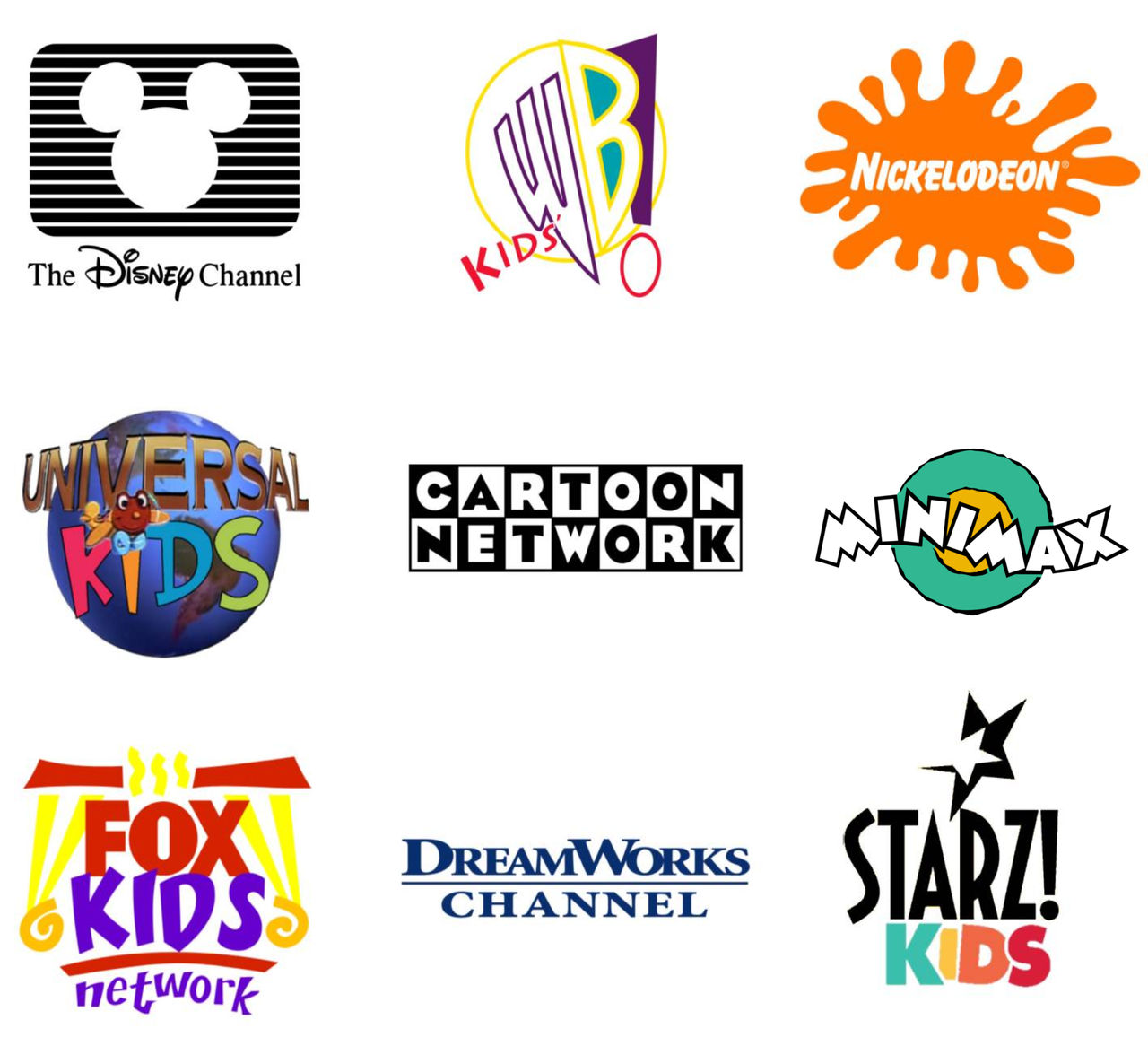
Before the 1990s, children's television programming was largely constrained by network television blocks on Saturday mornings and weekday afternoons after school. The decade changed this paradigm completely through the ascension of dedicated cable networks like Nickelodeon, Cartoon Network, and the Disney Channel. These platforms broke the traditional model by broadcasting children's entertainment twenty-four hours a day, creating an insatiable demand for original, high-concept programming.
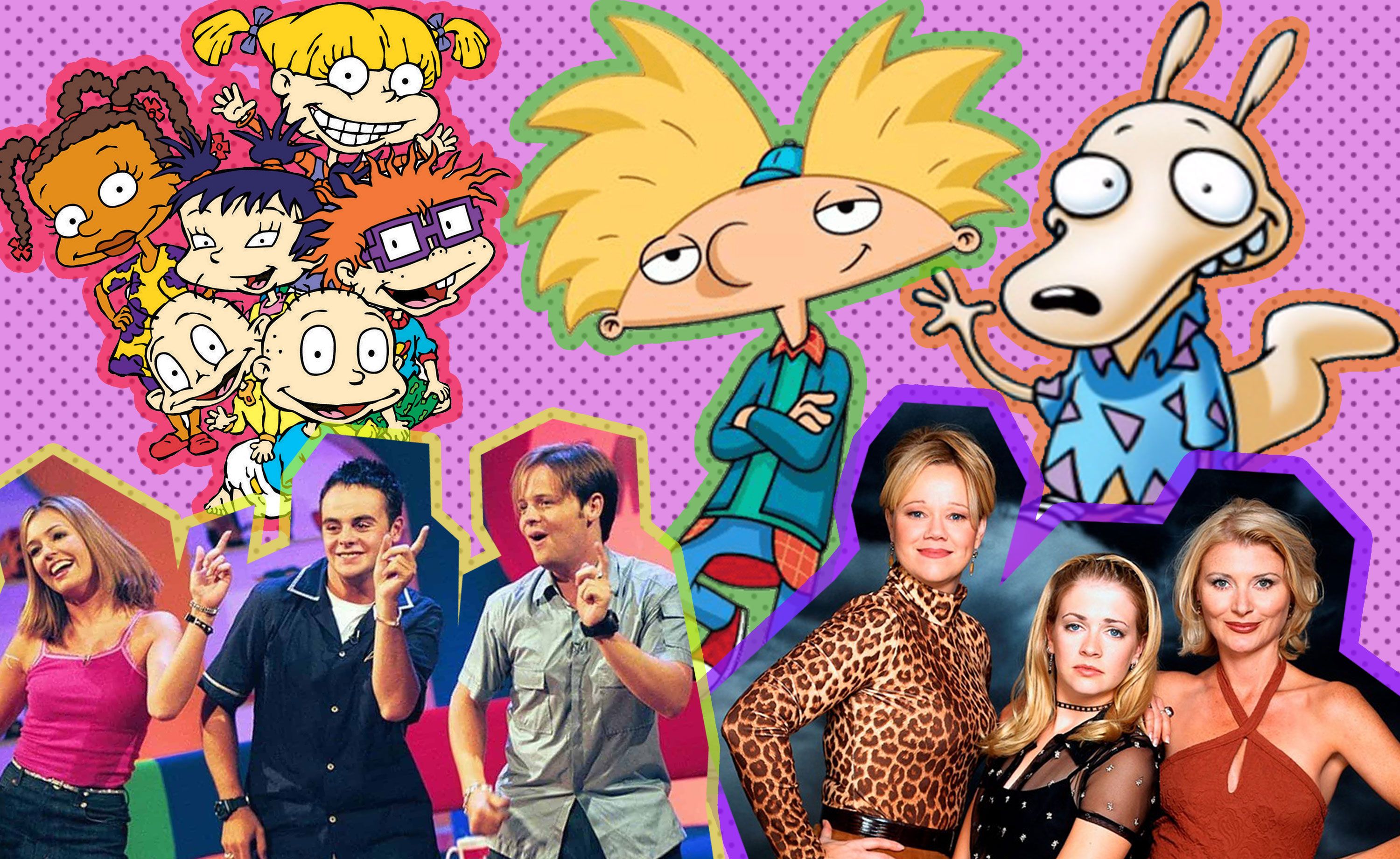
Nickelodeon spearheaded this revolution with its "Nicktoons" initiative in 1991, launching Rugrats, Doug, and The Ren & Stimpy Show. By owning the intellectual property rather than merely licensing it, the network established a sustainable economic model that fueled further creative risks. Concurrently, Cartoon Network launched in 1992, eventually introducing The Cartoon Cartoon blocks that showcased creator-driven animation from the newly formed Hanna-Barbera incubator and independent creators. This migration from network television to cable fragmentation allowed for bolder, more diverse storytelling styles that appealed to broader demographics, including teenagers and young adults.
Defining Subgenres: Animation, Live-Action, and Sketch Comedy
Programming during this era diversified into distinct creative pillars that broke away from the toy-commercial-driven cartoons of the 1980s. The decade was characterized by an appetite for subversive humor, high-stakes action, and realistic portrayals of childhood experiences.
Animation divided into two distinct stylistic camps. On one side were creator-driven auteur projects that leaned into gross-out humor, surrealism, and distinct visual styles, epitomised by The Ren & Stimpy Show and Rocko's Modern Life. On the other side were narrative-heavy epics that utilized mature storytelling techniques, such as Batman: The Animated Series and X-Men: The Animated Series, which proved that children's animation could tackle complex character arcs and serialized plots.
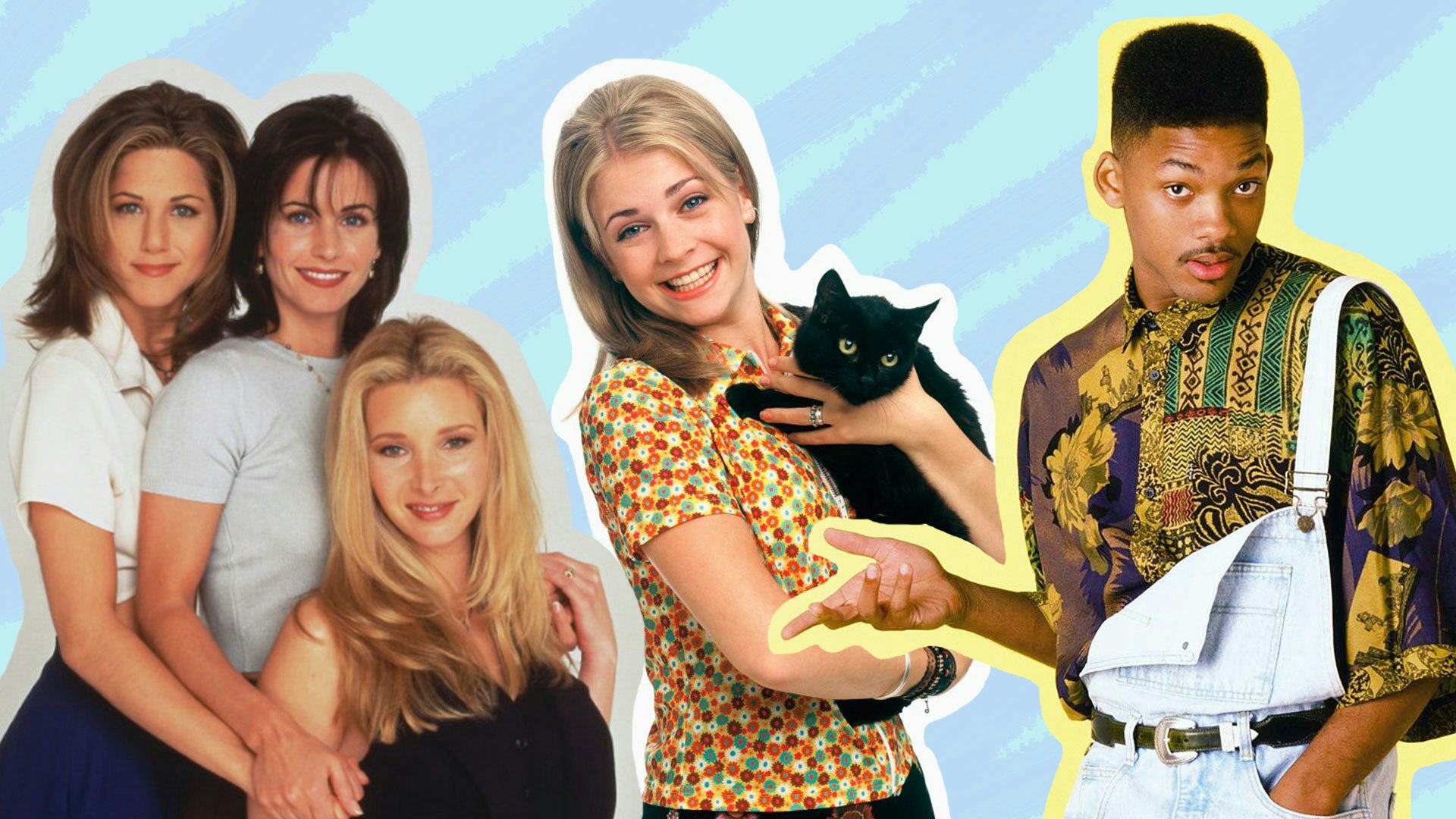
Live-action television simultaneously underwent a renaissance. Sketch comedy geared toward youth found its gold standard in shows like All That and The Adventures of Pete & Pete, blending surreal suburban drama with alternative rock soundtracks. Meanwhile, live-action game shows such as Legends of the Hidden Temple and GUTS turned physical competition into theatrical spectacles that captivated millions of viewers daily, establishing an interactive relationship with the audience through viewer mail and studio participation.
| Network / Block | Launch Year | Defining Characteristics | Key Programs |
|---|---|---|---|
| Nickelodeon (Nicktoons) | 1991 | Character-driven animation, gross-out humor, creator-led properties | Rugrats, Doug, The Ren & Stimpy Show |
| Cartoon Network | 1992 | 24-hour animation, theatrical cartoon library, auteur shorts | Dexter's Laboratory, The Powerpuff Girls, Cow and Chicken |
| Disney Afternoon | 1990 | Syndicated weekday afternoon adventure serials, high production values | DuckTales, TaleSpin, Gargoyles |
| Fox Kids | 1990 | Action-oriented programming, superhero adaptations, imported tokusatsu | Mighty Morphin Power Rangers, Batman: The Animated Series |
The Technological and Production Evolution
The production techniques utilized in 1990s children's television bridged the gap between traditional cel animation and modern digital workflows. While the early part of the decade relied heavily on hand-drawn cels—often outsourced to international studios in Asia—the mid-to-late 1990s saw the introduction of digital ink-and-paint systems. This technological pivot reduced production costs, increased color consistency, and allowed for more dynamic camera movements within animated spaces.
Concurrently, early computer-generated imagery (CGI) began to infiltrate both animation and live-action visual effects. Shows like ReBoot (1994) pushed the boundaries of technology by being the first fully computer-animated weekly television series. In live-action productions, the integration of green screen technology and practical effects allowed networks to produce high-concept sci-fi and fantasy series on television budgets. The adaptation of Japanese Super Sentai footage into Mighty Morphin Power Rangers in 1993 demonstrated a pioneering international co-production strategy that altered action programming formatting for decades.
Cultural Impact, Commercialization, and Merchandising
The economic engine driving 1990s kids TV relied heavily on the synergy between broadcast content and consumer products. The Federal Communications Commission (FCC) enforcement of the Children's Television Act of 1990 altered educational mandates, but the merchandising boom continued to expand across toys, apparel, fast-food tie-ins, and home video releases.
Shows were frequently evaluated not just on Nielsen ratings, but on their ability to move physical inventory. This commercial ecosystem created cultural phenomena where lunchboxes, cereal boxes, and clothing lines dictated playground trends. However, unlike the overtly commercialized cartoon blocks of the previous decade, many 1990s hits subverted commercial expectations by embedding self-aware irony and counter-culture references into the scripts, creating a dual-layered viewing experience that resonated with parents and children alike.
Presuming Nostalgia: How the Era Survives in Modern Media
Decades after their initial broadcast, the properties of this era continue to exert significant influence over contemporary entertainment through revivals, reboots, and streaming curation. The generation that grew up watching these broadcasts now holds purchasing and decision-making power in the entertainment industry, fueling a continuous cycle of nostalgic media consumption.
Streaming platforms recognized the enduring value of these archives, leading to dedicated sections on services like Paramount+ and Disney+ that house classic libraries. Furthermore, modern creators frequently utilize the visual language, pacing, and comedic timing established by 1990s showrunners. Understanding this decade's broadcasting history provides essential context for analyzing how contemporary children's media is funded, produced, and distributed in an on-demand ecosystem.
Frequently Asked Questions
What network started the trend of original animated series for children in the 1990s?
Nickelodeon initiated the modern cable animation boom by launching its proprietary "Nicktoons" block in 1991 with Rugrats, Doug, and The Ren & Stimpy Show. This strategy shifted the industry standard from third-party syndication and toy-commercial cartoons to network-owned intellectual properties created by independent artists.
How did the Children's Television Act of 1990 affect programming?
The Children's Television Act of 1990 placed limits on commercial time during children's programs and required broadcast stations to air content specifically designed to serve the educational and informational needs of children. This regulatory framework forced networks to balance commercial entertainment with educational mandates, indirectly accelerating the growth of cable networks that were subject to different enforcement interpretations.
Why did 1990s action cartoons feature serialized storylines?
Shows like Batman: The Animated Series and X-Men adopted multi-episode arcs and complex character continuity to appeal to an aging demographic of viewers. Broadcasters realized that older children and teenagers demanded higher narrative stakes and emotional depth, leading to mature adaptations of comic book source material.
What was the significance of the Disney Afternoon block?
The Disney Afternoon was a syndicated programming block that aired weekday afternoons from 1990 onward, providing high-budget, cinematic adventure animation. It proved that serialized storytelling could succeed on a daily basis outside of the traditional Saturday morning window, setting a high benchmark for production quality in syndicated television.
How has the streaming era changed the accessibility of 1990s kids TV?
Streaming platforms have centralized fragmented broadcast archives into on-demand libraries, allowing original viewers to rewatch series and introduce them to new generations. This shift has eliminated the appointment-viewing nature of traditional television, transforming classic broadcasts into perennial digital assets for media conglomerates.
Navigating and Collecting Classic Media Libraries
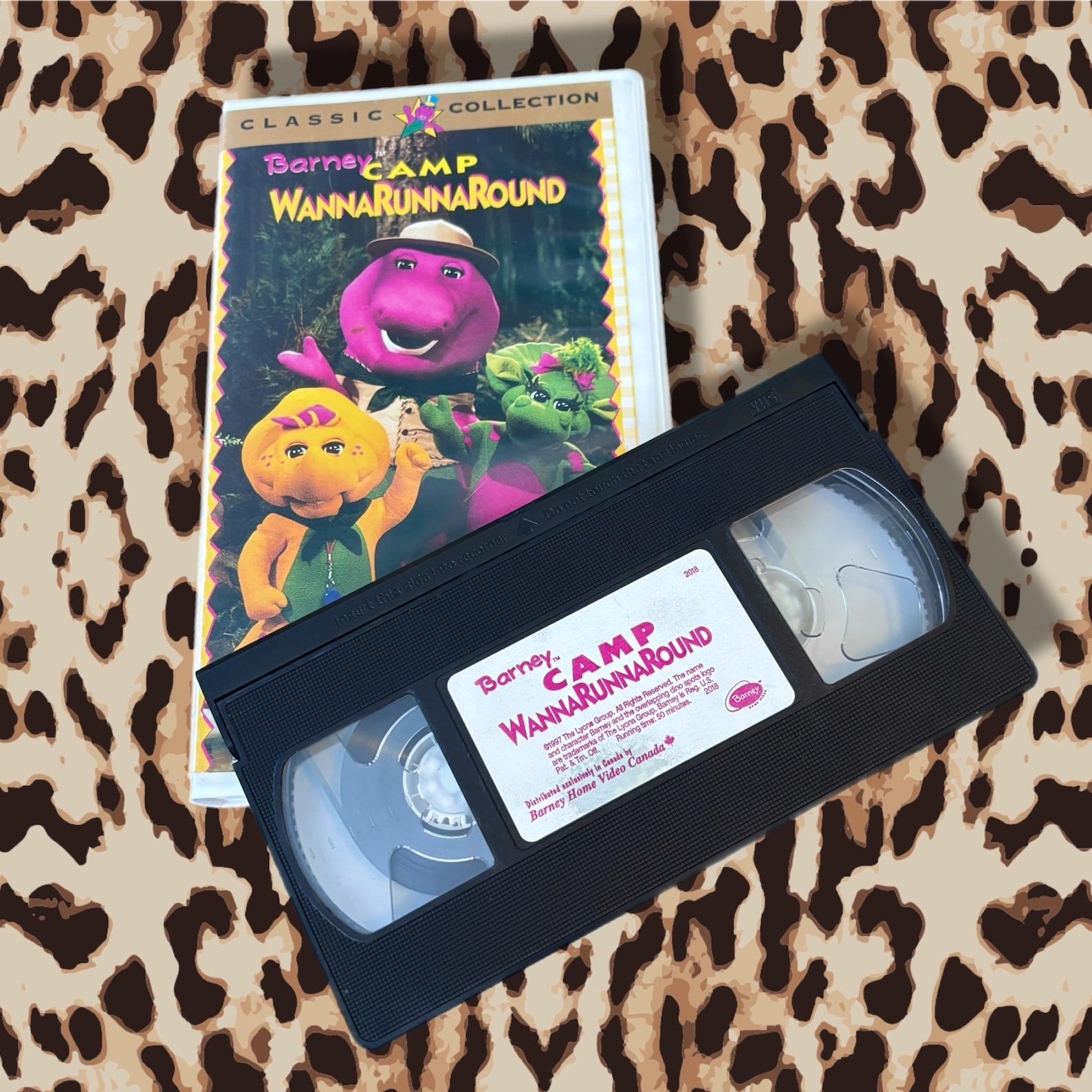
For enthusiasts and researchers seeking to explore or preserve the programming of this era, verifying the source material is essential. When sourcing physical media such as VHS tapes or DVD box sets, verify regional encoding formats and aspect ratios, as many classic series were originally produced in 4:3 fullscreen formats rather than modern widescreen. Streaming services often crop or remaster these files, altering the original framing composition intended by the directors. Prioritize official box sets from distributors like Shout! Factory or verified platform releases to ensure optimal audio and video fidelity while supporting the preservation of television history.