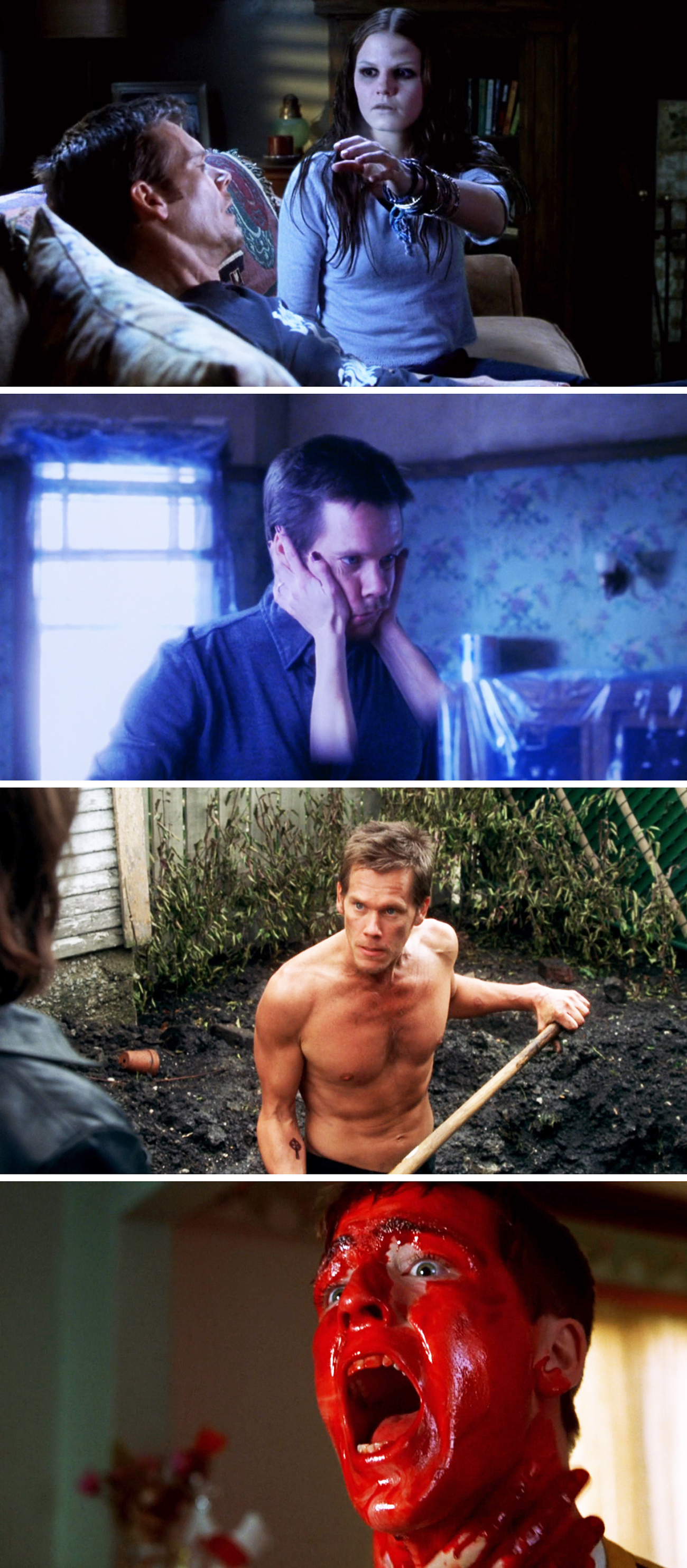
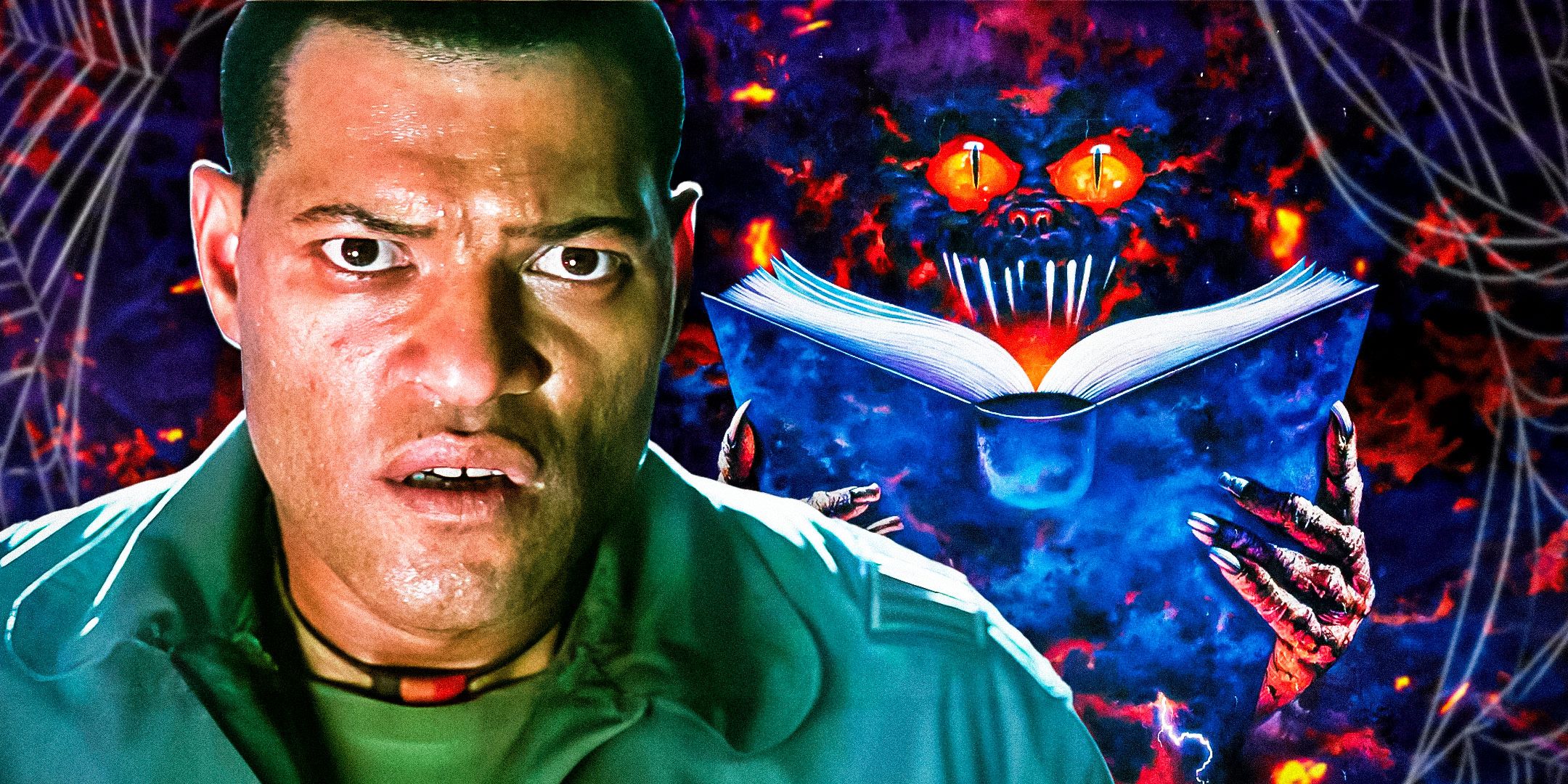
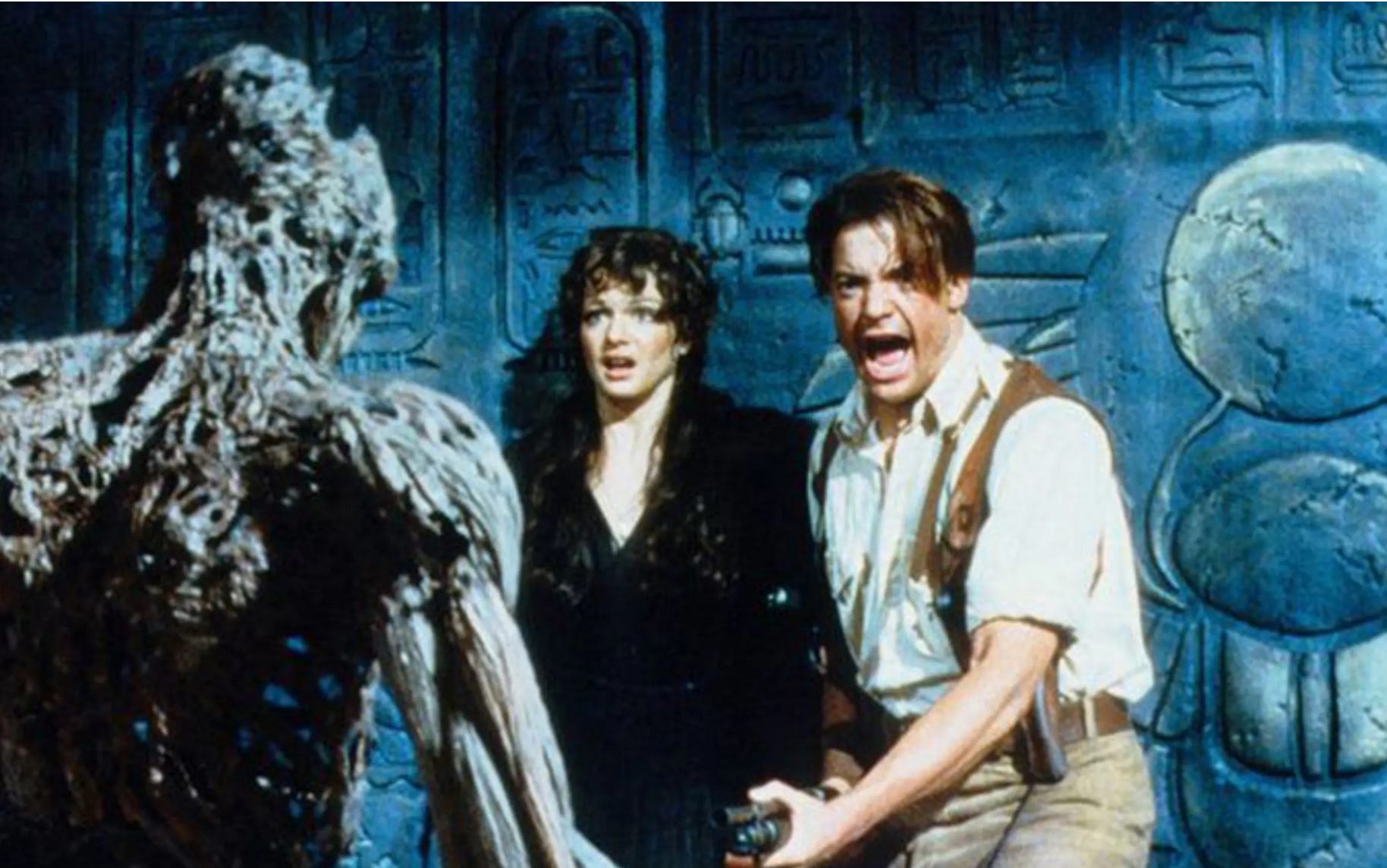
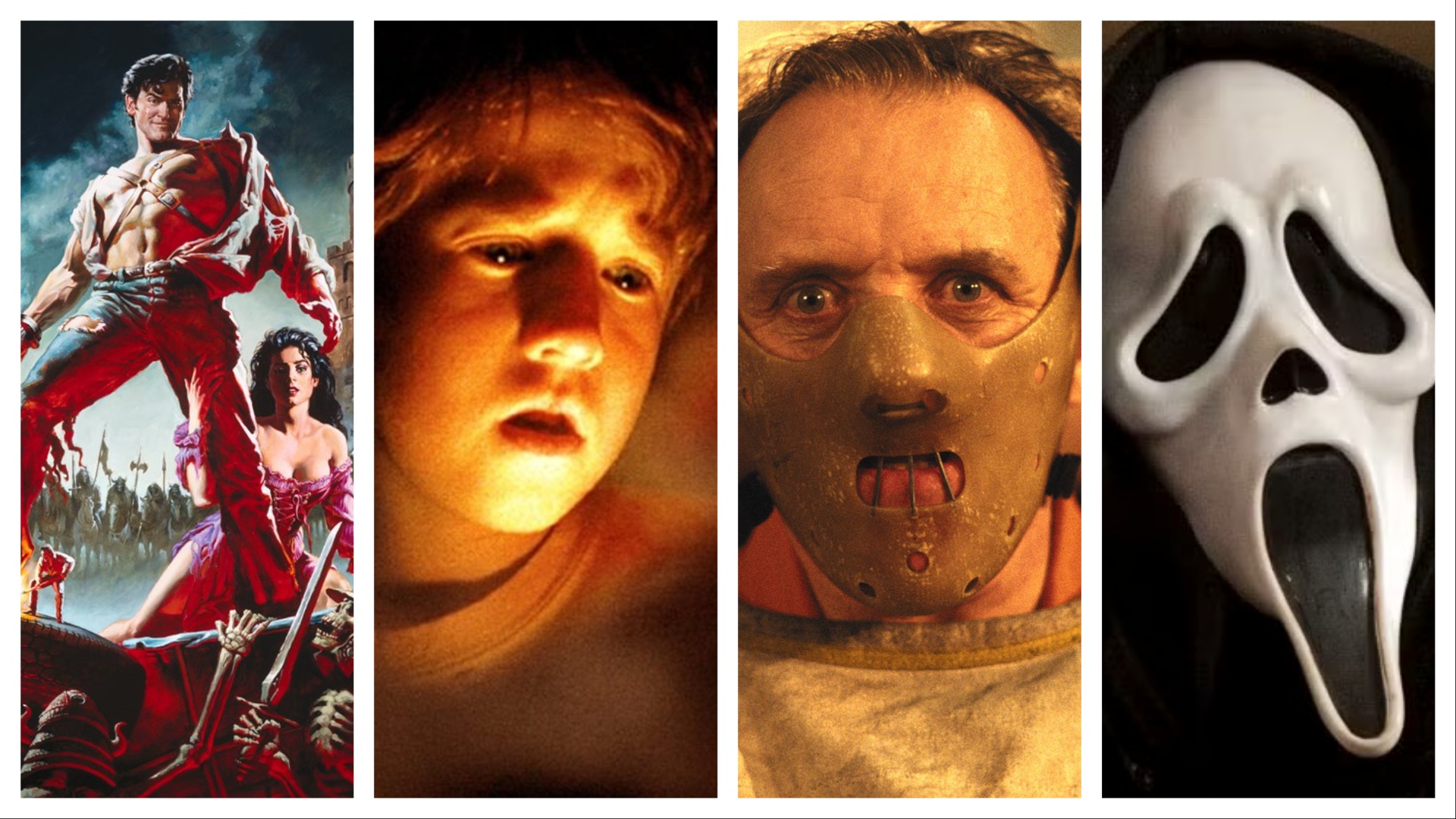
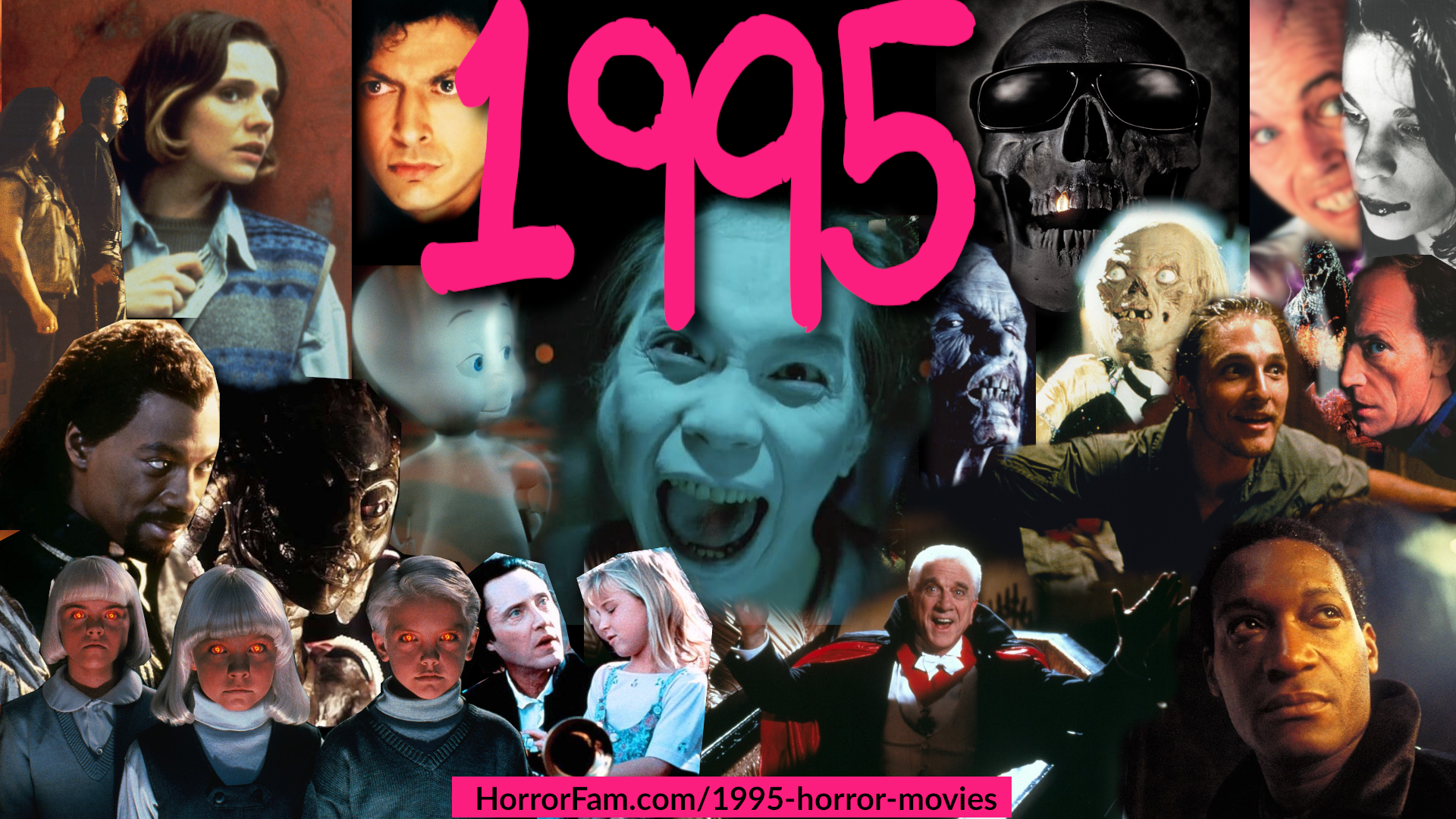
1990s horror bridged the gothic excess of the 1980s and the self-aware, post-modern metacinema of the new millennium, shifting from practical-effect monster features to psychological thrillers and meta-slasher phenomena. This transitional era redefined genre conventions, popularized screenplays driven by cynical irony, and birthed enduring franchises that continue to shape contemporary cinema.
The Cultural Landscape of 1990s Horror Cinema
The cinematic landscape of the 1990s existed in the long shadow of the Reagan-era slasher boom and the practical monster-effect triumphs of the 1980s. As multiplexes filled with high-budget action blockbusters and independent cinema experienced a historic commercial renaissance, the horror genre faced an identity crisis. Early-decade releases struggled to capture the box-office dominance of predecessors like Friday the 13th or A Nightmare on Elm Street, largely because audiences grew fatigued by formulaic sequels and desensitized to routine gore.
To survive, the genre underwent a necessary structural evolution. Filmmakers began steering away from supernatural boogeymen toward grounded, visceral fears: corporate greed, serial killers, domestic paranoia, and technological isolation. This era favored atmospheric tension, intellectual cat-and-mouse thrillers, and dark satire over pure jump-scares. As independent studios gained traction, directors found new freedom to subvert expectations, blending horror with noir, dark comedy, and high-concept science fiction. By the middle of the decade, this stylistic reset prepared the ground for a massive commercial revitalization that permanently altered how audiences consumed scary movies.
The Metamodern Meta-Slasher: Deconstructing the Formula
The defining narrative turning point of the decade arrived in 1996 with the release of Scream, directed by Wes Craven and written by Kevin Williamson. Rather than playing genre tropes straight, the film introduced self-aware characters who actively discussed horror movie rules, tropes, and clichés while trying to survive a masked serial killer. This meta-fictional approach transformed the slasher subgenre from a tired vehicle for cheap thrills into a sharp cultural critique.
| The Evolution of 1990s Slasher Tropes | |
|---|---|
| Traditional 1980s Model | Post-Modern 1990s Meta-Slasher |
| Silent, supernatural immortal killers | Human killers motivated by revenge, obsession, or social commentary |
| Passive, archetypal victims | Vocal characters who analyze horror rules and tropes in real-time |
| Straightforward, linear body counts | Intertextual mysteries featuring red herrings and whodunit structures |
This self-reflexive wave spawned a cycle of copycats and spiritual successors throughout the late 1990s, including I Know What You Did Last Summer (1997) and Urban Legend (1998). These films capitalized on youth-oriented ensemble casts, pop-heavy soundtracks, and sharp editing styles borrowed from music television. By acknowledging the artificiality of the cinematic experience, these pictures allowed audiences to participate in a collective wink, transforming horror into a communal, interactive event.
Psychological Thrillers and Prestige Horrors
While teen slashers dominated the box office, a parallel movement elevated horror into prestige cinematic territory. The psychological thriller and serial killer procedural gained immense cultural capital, driven by stylistic precision, high production values, and A-list performances. Jonathan Demme’s The Silence of the Lambs (1991) achieved a rare critical milestone by sweeping the major categories at the Academy Awards, proving that dark, transgressive subject matter could command mainstream critical respect.
This prestige movement emphasized institutional decay, forensic science, and the fragile architecture of the human mind. David Fincher’s Seven (1995) traded brightly lit summer camp settings for a perpetual, rain-drenched urban wasteland defined by moral degradation and theological rot. These narratives relied on meticulous police procedurals, claustrophobic framing, and philosophical interrogation of evil, attracting audiences who might otherwise dismiss traditional exploitation cinema. By grounding terror in realistic criminology and psychological abnormalities, these features legitimized the genre for mainstream critics and cultivated a sophisticated adult audience.
The Independent Renaissance and Found Footage Innovation
The 1990s also birthed the modern independent horror movement, fueled by technological accessibility and shifting distribution models. The Sundance Film Festival became a launchpad for daring, low-budget visions that rejected Hollywood gloss in favor of raw authenticity. Films like Henry: Portrait of a Serial Killer (released widely in 1990) and Cube (1997) demonstrated that compelling dread required imagination and strong character work rather than massive budgets.
The decade culminated in a seismic shift in marketing and narrative structure with the 1999 release of The Blair Witch Project. Shot on rudimentary digital and 16mm equipment for a fraction of a studio budget, the film utilized a simulated documentary framework—now known as found footage—to convince audiences of its absolute authenticity.
- Conceptualization: Frame the narrative as recovered archival evidence.
- Production: Utilize handheld consumer cameras to maximize realism and immersive panic.
- Marketing: Deploy early internet viral strategies to blur the line between fiction and reality.
- Distribution: Leverage word-of-mouth momentum to achieve unprecedented independent box-office success.
This viral marketing campaign exploited the nascent internet, creating a cultural phenomenon that fundamentally changed how independent films reached global audiences and proving that raw atmosphere often outlasts polished CGI.
Practical Effects Versus the Rise of Digital Imagery
Technically, the 1990s occupied a fascinating fault line between tactile practical craft and embryonic computer-generated imagery (CGI). Throughout the first half of the decade, master makeup effects artists like Stan Winston, Greg Nicotero, and Rick Baker continued to push the boundaries of animatronics, latex, and puppetry. Films such as Bram Stoker's Dracula (1992) and John Carpenter’s In the Mouth of Madness (1994) showcased gorgeous, grotesque physical creations that possessed physical weight and visceral realism.
As the decade progressed, digital compositing and CGI began to creep into post-production workflows. While early digital integration occasionally resulted in dated or unconvincing visual artifacts, transitional milestones successfully combined both worlds.
| Feature Film | Primary Practical Effects | Emerging Digital Effects | Impact on Aesthetic |
|---|---|---|---|
| Jurassic Park (1993) | Full-scale animatronic dinosaurs | CGI dinosaur locomotion and wide shots | Proved digital integration could coexist with physical models |
| Cronos (1993) | Mechanical scarab and gore mechanics | Wire removal and minor enhancements | Preserved tactile horror while cleaning up frames |
| Deep Rising (1998) | Tentacle puppets and slime rigs | Digital tentacles and water simulations | Pushed toward fast-paced creature action set-pieces |
This technological shift forced directors to adapt their shooting styles. The reliance on physical props gave way to hybrid workflows, setting the technical foundation for the fully digital blockbuster era of the 2000s while preserving a nostalgic appreciation for handmade creature design.
Subgenre Breakdown and Comparative Overview
To understand the breadth of 1990s horror, it is helpful to categorize its primary movements according to their narrative focus, stylistic signatures, and key cinematic contributions:
- The Meta-Slasher: Characterized by self-referential dialogue, teen ensemble casts, whodunit mysteries, and urban settings. Notable examples include Scream and The Faculty.
- Procedural Crime Horror: Focused on serial killers, forensic investigation, FBI psychology, and bleak urban aesthetics. Exemplified by The Silence of the Lambs and Seven.
- Gothic and Literary Revival: High-budget adaptations of classic horror literature featuring lavish set design, sweeping scores, and classical monsters. Spearheaded by Bram Stoker's Dracula and Mary Shelley's Frankenstein.
- Independent & Found Footage: Low-budget, high-concept productions relying on psychological ambiguity and guerrilla filmmaking techniques, culminating in The Blair Witch Project.
Frequently Asked Questions About 1990s Horror
What caused the shift from 1980s slashers to 1990s meta-horror?
Audiences grew exhausted by formulaic sequels featuring invincible supernatural killers and repetitive gore. By the mid-1990s, viewers had become media-literate, prompting filmmakers like Wes Craven and screenwriter Kevin Williamson to subvert expectations by having characters explicitly discuss and mock horror movie conventions.
How did The Silence of the Lambs change perceptions of horror?
It achieved critical mainstream respect by winning all five major Academy Awards (Best Picture, Director, Actor, Actress, and Adapted Screenplay). This success proved that dark thriller and horror narratives could be recognized as high art rather than lowbrow exploitation.
Were practical effects completely replaced by CGI in the 1990s?
No. The 1990s was a transitional era where practical effects and animatronics reached their technical peak while CGI was in its infancy. Most major productions utilized a hybrid approach, combining physical makeup and puppets with digital enhancements for wire removal and expanded creature movement.
What was the first major found footage horror movie of the 1990s?
While earlier pseudo-documentaries existed, The Blair Witch Project (1999) popularized the modern found footage genre. Its pioneering use of guerrilla marketing over the internet convinced many viewers that the footage was real, sparking a massive industry trend.
Why are 1990s horror films considered a transitional era?
They bridged the practical-effect monster and slasher traditions of the 1980s with the high-concept digital production, self-aware irony, and prestige psychological storytelling that dominate contemporary horror cinema today.
Navigating and Collecting 1990s Horror Today
For enthusiasts looking to explore or expand their appreciation of this cinematic period, focus first on uncovering lesser-known independent releases alongside recognized studio touchstones. Seek out uncut physical media releases—such as boutique Blu-ray and 4K restorations from labels like Scream Factory, Vinegar Syndrome, and Arrow Video—which frequently include retrospective documentaries, original deleted scenes, and commentary tracks detailing the practical challenges of 90s filmmaking. By examining both the blockbuster hits and the overlooked direct-to-video gems, you will gain a comprehensive understanding of a decade that successfully reinvented cinematic fear.