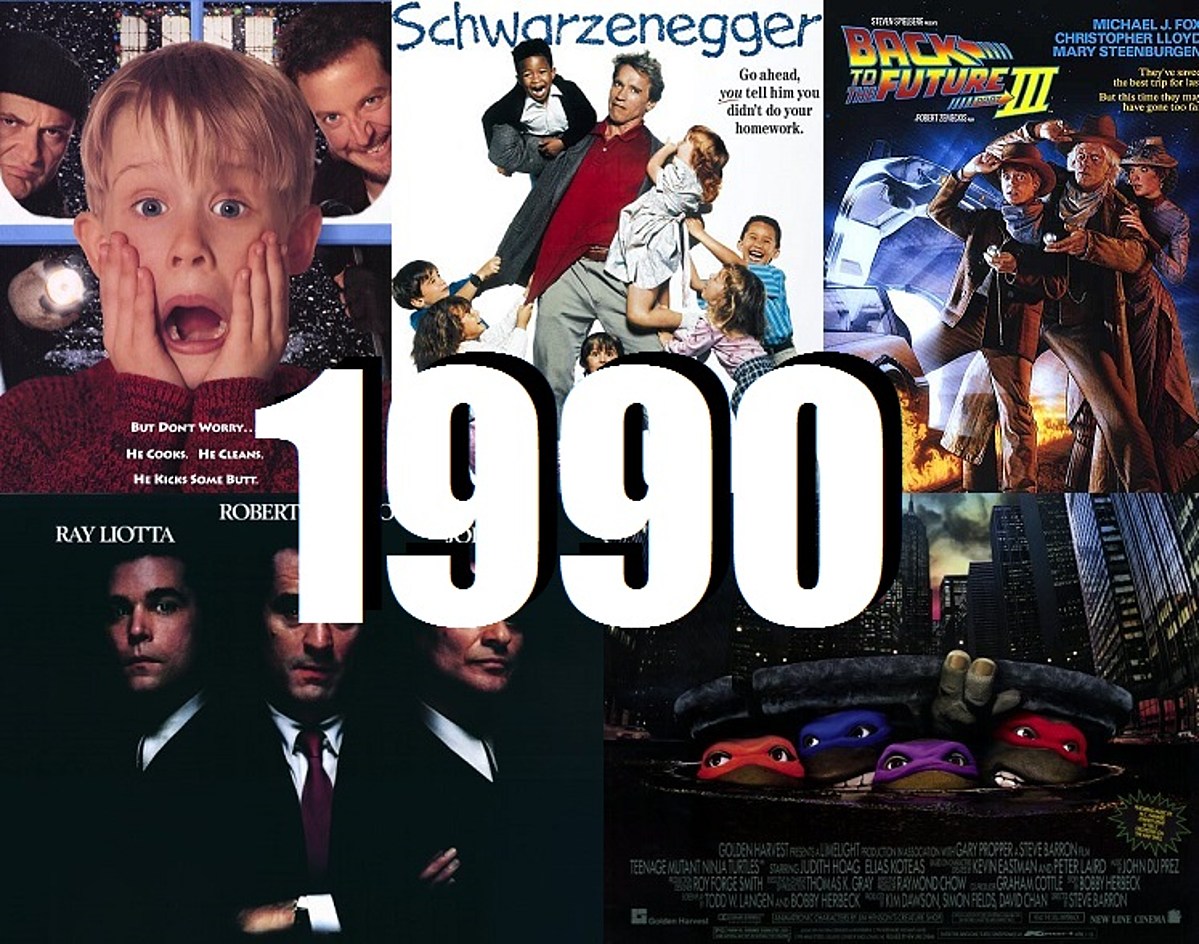
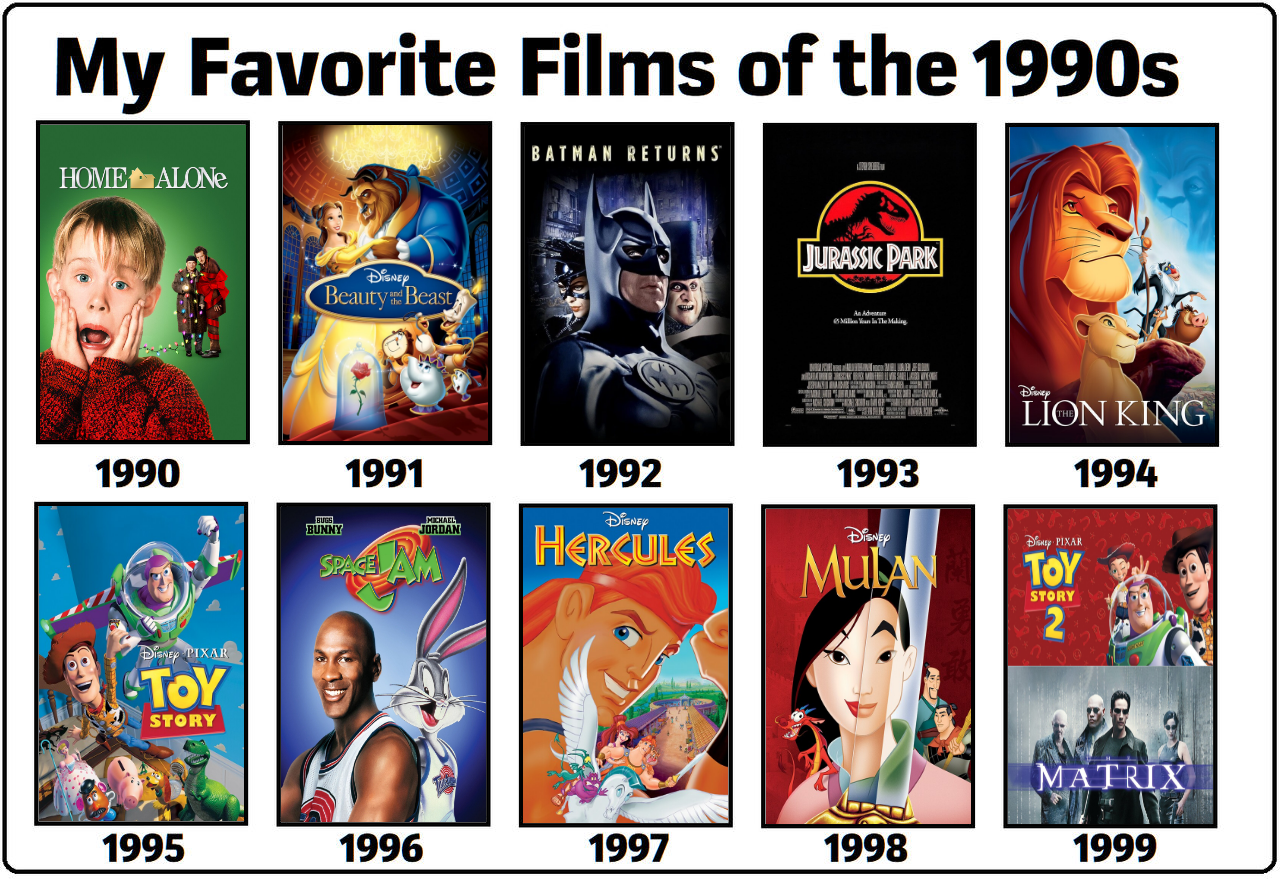
1990s films represent a transformative era in cinema defined by the rise of independent studios, groundbreaking computer-generated imagery, and a distinct blend of gritty realism and high-concept blockbusters. This decade redefined global pop culture, challenged traditional censorship frameworks, and established storytelling paradigms that continue to influence contemporary filmmaking.
Historical and Technological Context of 1990s Cinema
The cinematic landscape of the 1990s was shaped by rapid technological innovation and shifting economic structures within Hollywood. Studios transitioned from practical-effect heavy productions toward sophisticated digital integration. The release of James Cameron's Terminator 2: Judgment Day in 1991 and Steven Spielberg's Jurassic Park in 1993 proved that computer-generated imagery could create hyper-realistic characters and environments, permanently altering action and science fiction genres. At the same time, the affordability of digital editing and lightweight cameras enabled independent filmmakers to bypass traditional studio gates.
This technological shift coincided with a corporate restructuring of the major film studios. Media conglomerates absorbed traditional film studios, tying theatrical releases to massive merchandising campaigns, home video distribution, and soundtrack albums. Consequently, 1990s films occupied a unique commercial space where high-art auteur visions coexisted with corporate-driven event cinema. The establishment of independent production and distribution companies, most notably Miramax, created a lucrative market-space for mid-budget, dialogue-driven dramas and eccentric comedies that appealed to urban, college-educated audiences.
The Rise of Independent Cinema and Auteur Voices
The independent film movement of the 1990s injected a sense of raw vitality into an industry that had grown reliant on formulaic action sequels. Quentin Tarantino’s Pulp Fiction (1994) won the Palme d'Or at the Cannes Film Festival and redefined narrative structure through non-linear storytelling, sharp pop-cultural dialogue, and stylized violence. This success demonstrated that independent films could achieve massive commercial profitability while retaining artistic integrity.
Directors such as Paul Thomas Anderson, David Fincher, Richard Linklater, and Sofia Coppola emerged during this period, bringing distinct authorial voices to the mainstream. These filmmakers explored complex, morally ambiguous themes, anti-heroes, and alienated youth cultures. The indie boom also provided a platform for diverse storytellers, including Spike Lee, whose confrontational examinations of race, class, and urban politics in films like Do the Right Thing (1989) and Malcolm X (1992) set a standard for socially engaged cinema throughout the decade.
Technological Shifts: CGI and Practical Effects Integration
While computer graphics dominated trade headlines, the true strength of 1990s visual effects lay in the seamless blending of digital creations with practical stunts and animatronics. Films like The Matrix (1999) revolutionized action choreography by combining Hong Kong wire-work techniques with "bullet time" digital camera arrays. Similarly, science fiction and fantasy films utilized digital compositing to expand world-building on scales previously impossible with physical sets alone.
However, this technological leap also sparked debates regarding authenticity and cinematic spectacle versus narrative depth. Critics argued that hyper-kinetic editing and reliance on visual effects occasionally overshadowed character development. Despite these concerns, technical craftsmen established new standards for sound design, cinematography, and editing. The widespread adoption of Dolby Digital and DTS sound formats transformed theatrical audio experiences, making immersive soundscapes a mandatory component of studio blockbusters.
Cultural Representation and Genre Evolution
Genre conventions underwent significant deconstruction throughout the decade. The horror genre, stagnant in the late 1980s, experienced a meta-textual renaissance with Wes Craven’s Scream (1996), which relied on characters who were actively aware of horror movie tropes. Romantic comedies experienced a resurgence, spearheaded by studio hits featuring ensemble casts and sharp scripts that subverted traditional fairy-tale tropes.
Representation of marginalized groups also evolved, though unevenly. Queer cinema gained mainstream visibility through the New Queer Cinema movement, featuring works by directors like Todd Haynes and Gus Van Sant. Simultaneously, action cinema shifted away from the invincible, muscular protagonists of the 1980s toward vulnerable, everyman heroes caught in extraordinary circumstances, as seen in thrillers like Die Hard with a Vengeance (1995) and The Fugitive (1993).
Comparative Overview of 1990s Cinematic Movements
| Movement / Style | Defining Characteristics | Key Directors | Notable Films |
|---|---|---|---|
| Independent Boom | Non-linear plots, sharp dialogue, modest budgets | Quentin Tarantino, Richard Linklater, Steven Soderbergh | Pulp Fiction, Slacker, Sex, Lies, and Videotape |
| Digital Blockbusters | Integration of CGI, high stakes, global marketing | Steven Spielberg, James Cameron, Roland Emmerich | Jurassic Park, Terminator 2, Independence Day |
| Psychological Thrillers | Dark atmospheres, moral ambiguity, twist endings | David Fincher, Jonathan Demme, Bryan Singer | The Silence of the Lambs, Se7en, The Usual Suspects |
| New Queer Cinema | Subversive themes, stylistic experimentation, LGBTQ+ focus | Todd Haynes, Gus Van Sant, Gregg Araki | Poison, My Own Private Idaho, The Living End |
Frequently Asked Questions
What defined the aesthetic of 1990s films?
The visual aesthetic of 1990s cinema was characterized by a transition from film stock grain and muted natural lighting toward highly polished, stylized palettes, aggressive handheld camera movements in indie features, and early computer-generated special effects in blockbusters. The era also favored cynical, ironic tones and flawed protagonists over traditional heroic archetypes.
How did the 1990s independent film boom start?
The indie boom was catalyzed by lower-cost production equipment, the expansion of the home video market, and specialty distribution divisions established by major studios. Festival successes, particularly at the Sundance Film Festival, proved that low-budget films with high-concept writing could secure widespread distribution and strong box office returns.
What technological advancements impacted 1990s cinema?
Major advancements included the maturation of computer-generated imagery (CGI), digital non-linear editing systems, advanced multi-track digital audio formats like Dolby Digital, and the widespread adoption of home theater systems via VHS and the introduction of DVD technology in 1997.
Why are 1990s films considered culturally significant?
They captured a unique transitional period between the end of the Cold War and the acceleration of the digital internet age. The films reflected anxieties about technology, identity, consumerism, and changing social structures, establishing cultural touchstones that continue to resonate in modern media franchises and nostalgic revivals.
Strategic Engagement with 1990s Cinema
To fully appreciate the scope of 1990s cinema, viewers and researchers should examine works beyond mainstream blockbusters by exploring international art-house cinema, regional independent releases, and short-form documentary movements of the era. Analyzing the production histories, financing models, and critical reception of these works provides a comprehensive understanding of how contemporary entertainment industries operate today.