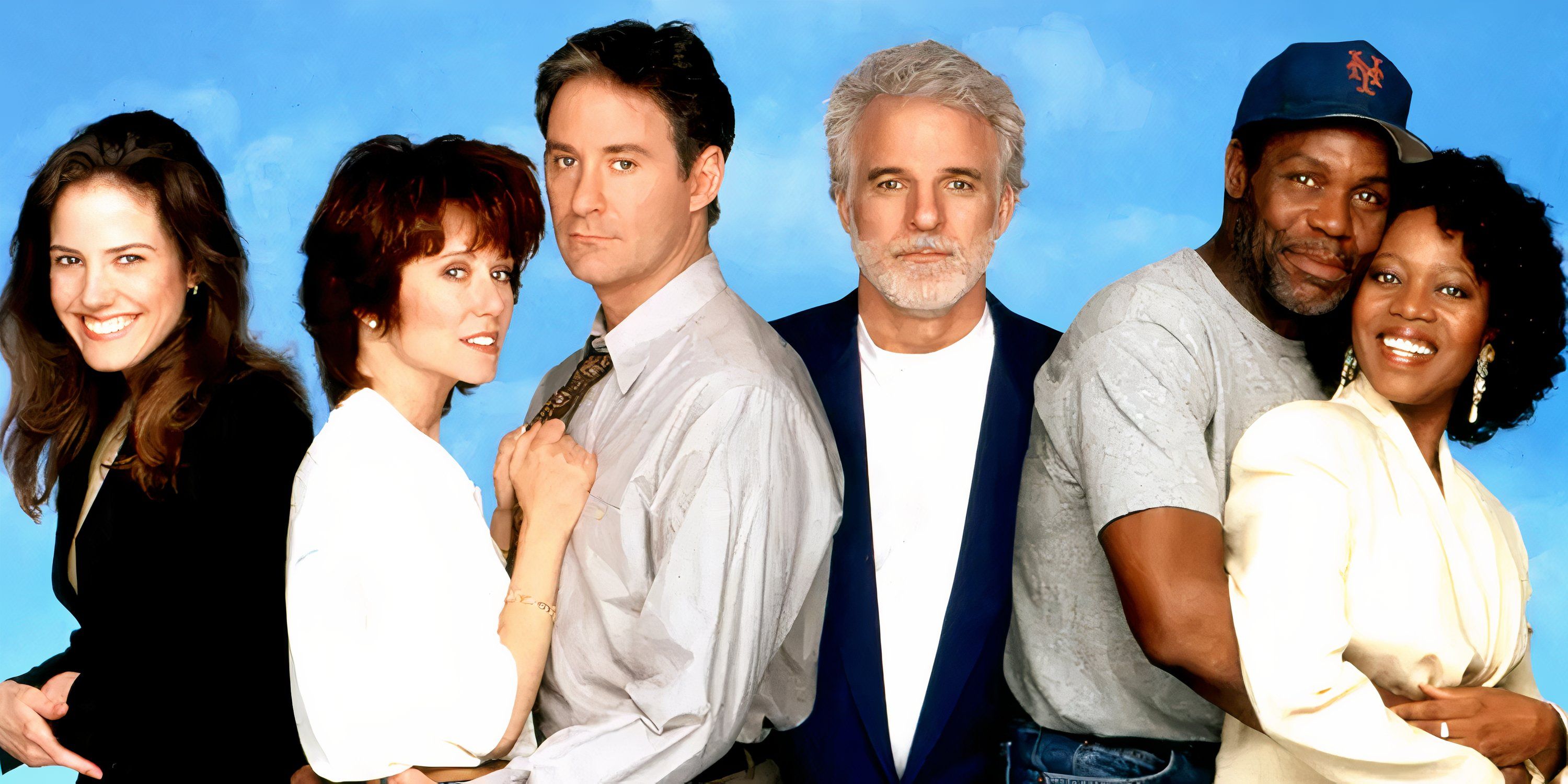
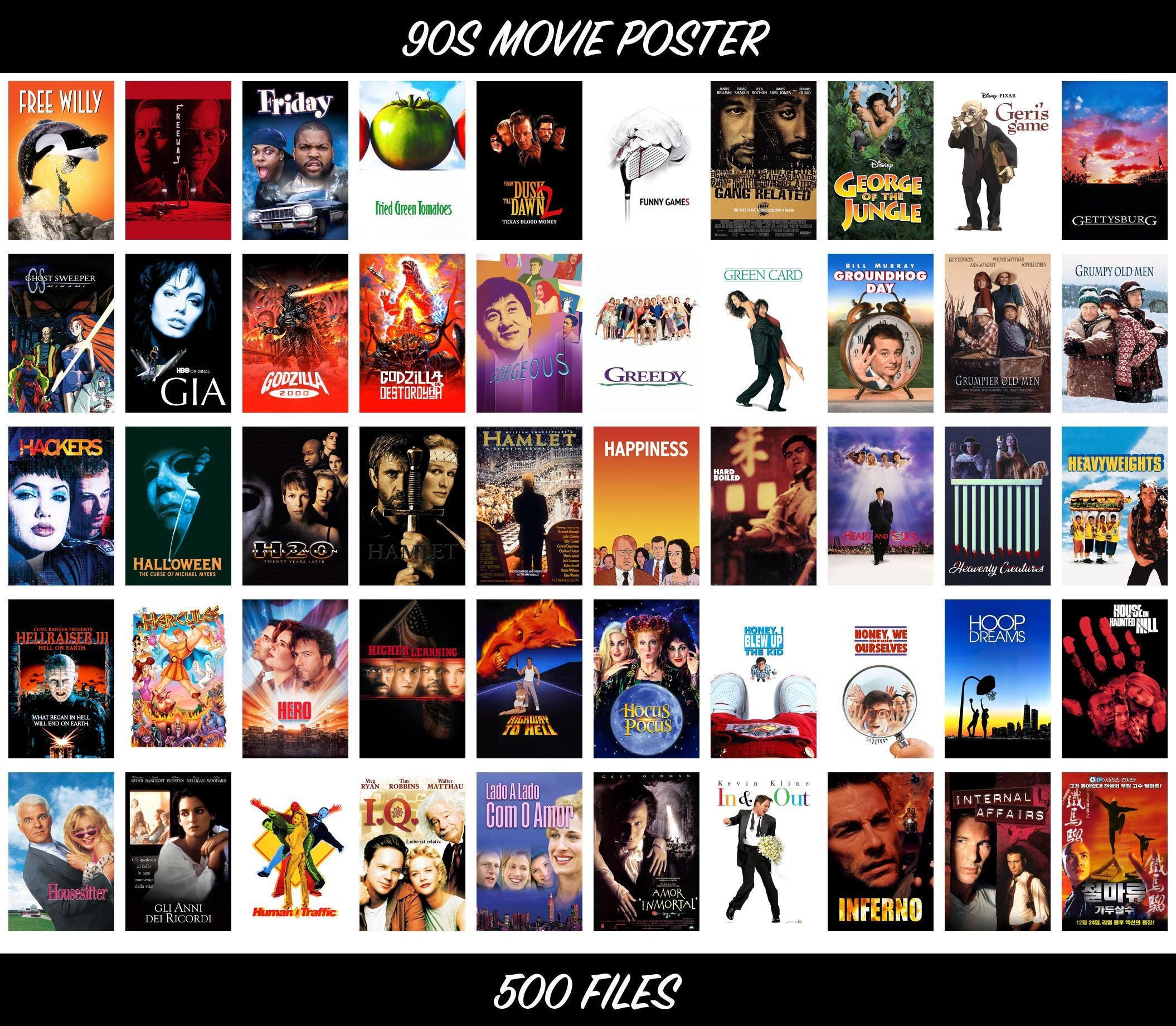
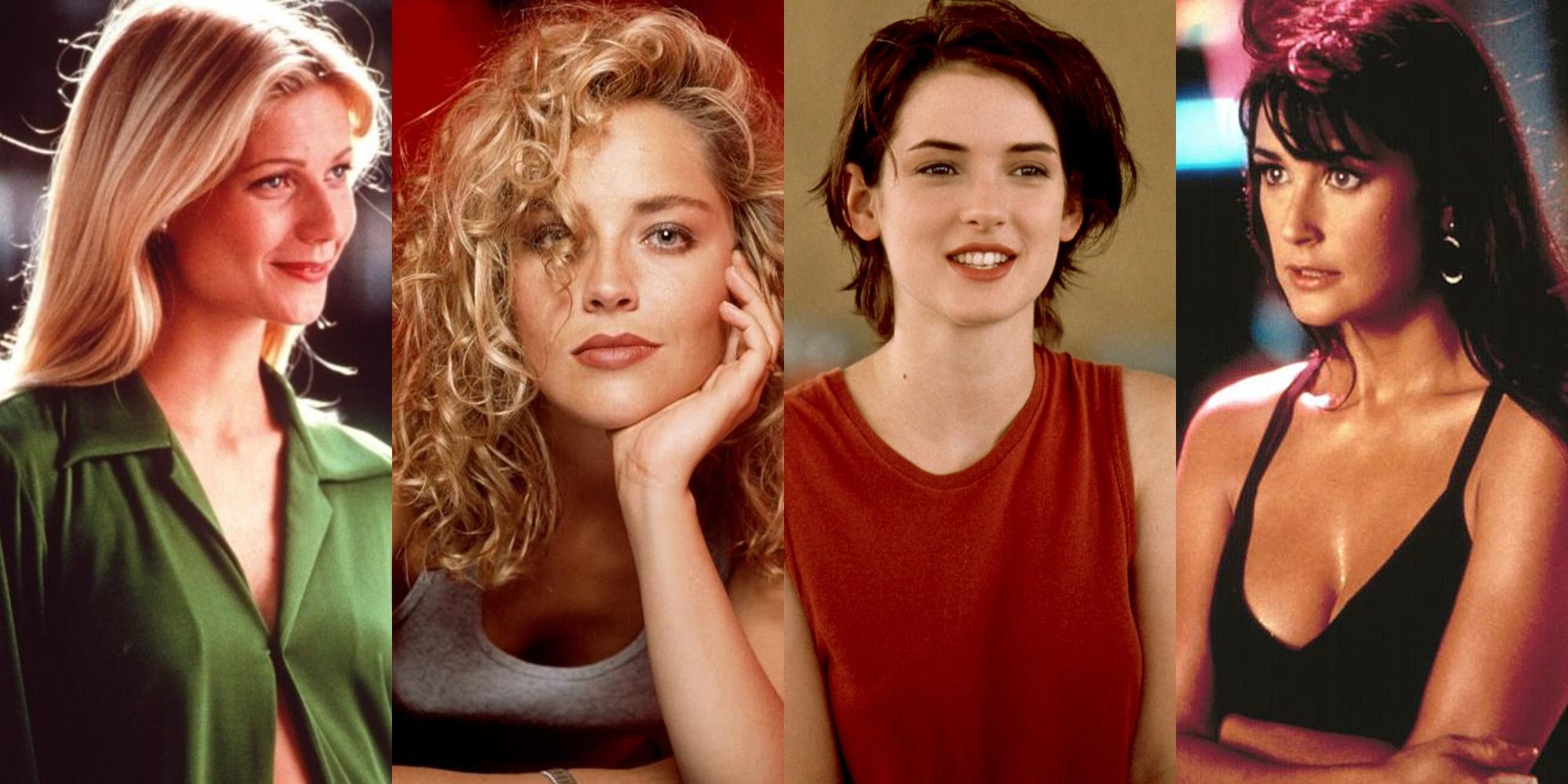
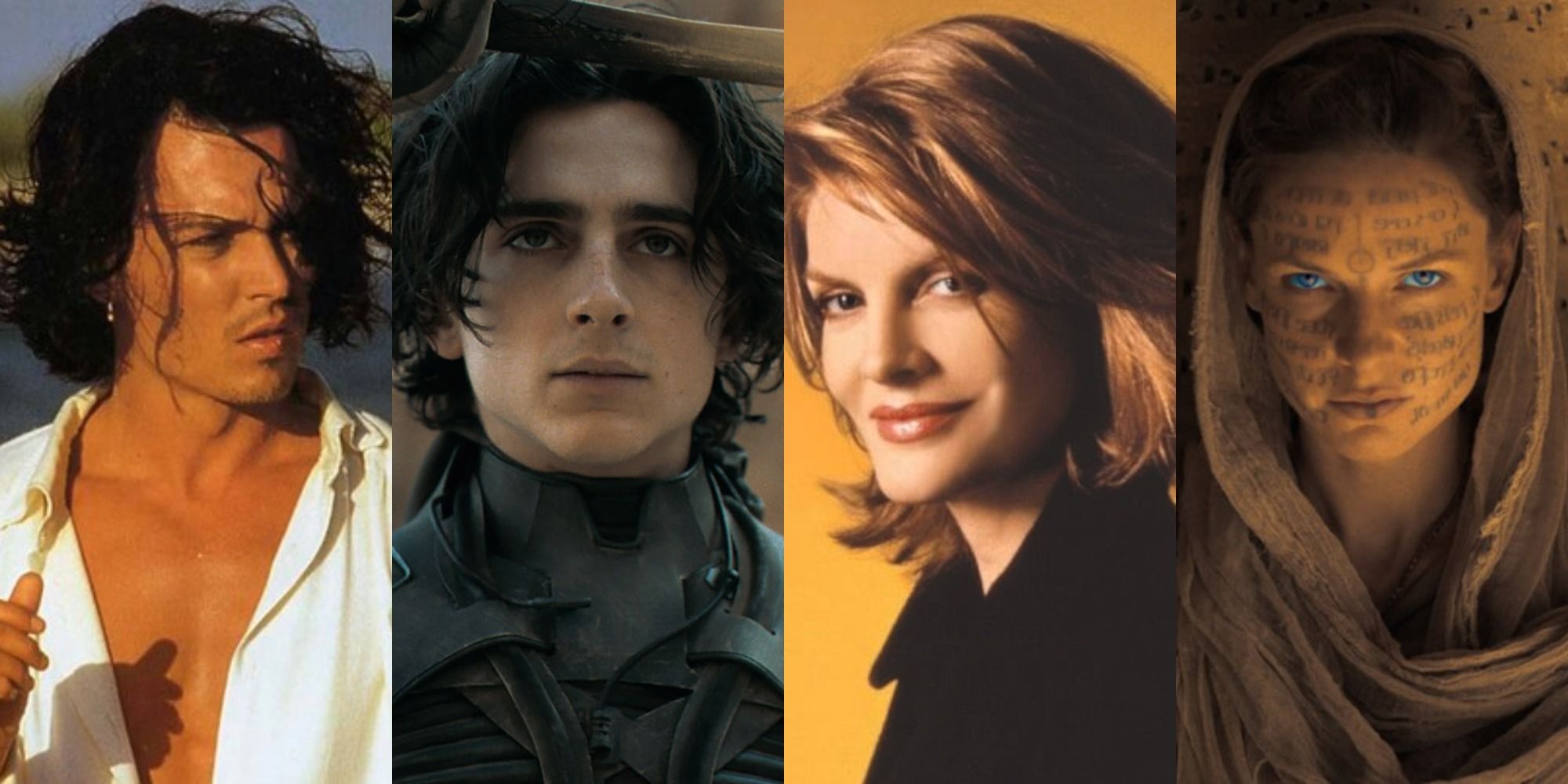
The 1990s film cast redefined cinema through an unprecedented shift from traditional star-system monopolies toward gritty ensemble dynamics, breakout indie performances, and early digital-era casting strategies that permanently altered how movies are staffed, marketed, and remembered.
The Shift From Single-Star Vehicles to Ensemble-Driven Cinema
The landscape of Hollywood casting underwent a structural transformation at the dawn of the 1990s. Throughout the preceding decades, the major studios relied heavily on single-name marquee drawing power—action heroes and dramatic leads whose personal brand guaranteed box office returns regardless of the surrounding secondary players. However, changing audience tastes, rising production costs, and the commercial explosion of independent cinema forced casting directors and producers to reevaluate the architecture of a film cast.
Instead of building a narrative around one or two towering figures, 1990s filmmakers began treating the entire ensemble as a collective engine. Movies like Pulp Fiction (1994), directed by Quentin Tarantino, demonstrated that a mosaic of idiosyncratic character actors, established veterans, and revitalized icons could create a cultural touchstone far more potent than a traditional star vehicle. This era fostered the rise of the character actor into mainstream prominence. Performers who might previously have been relegated to minor supporting roles found themselves commanding screen time alongside premier leading men and women, blurring the lines between primary and secondary billing.
Furthermore, this pivot toward ensemble casting allowed studios to hedge financial risks while simultaneously enhancing narrative depth. By distributing dramatic weight among five or six notable actors rather than staking an entire budget on a single salary, productions could secure richer scripts, more elaborate period designs, and riskier thematic material. The resultant films relied heavily on chemistry, sharp dialogue exchanges, and ensemble interplay, setting a new benchmark for performance standards across both commercial blockbusters and low-budget art-house releases.
The Breakthrough of Independent Cinema and Casting Directors
The independent film boom of the 1990s, catalyzed by the success of festivals like Sundance and the formation of specialty divisions within major studios, revolutionized the mechanics of how a 1990s film cast was assembled. Casting directors such as Sarah Halley Finn, Jeanne McCarthy, and the legendary Marion Dougherty became pivotal creative forces, often holding as much influence over a project's greenlight as the director or producer. These casting professionals cast a wider net, looking beyond conventional agency rosters to theater stages, regional comedy clubs, and underground music scenes.
This decentralization of talent acquisition introduced audiences to a generation of raw, unpolished, and intensely naturalistic performers. Independent masterpieces like Dazed and Confused (1993), directed by Richard Linklater, showcased meticulous casting processes where unknowns and soon-to-be superstars—including Matthew McConaughey, Parker Posey, and Ben Affleck—were assembled based on authentic regional cadence and behavioral realism rather than polished studio grooming. Linklater’s approach underscored a broader industry trend: the hunt for authenticity over aesthetic perfection.
| Film Title | Release Year | Primary Casting Strategy | Notable Ensemble Members |
|---|---|---|---|
| Goodfellas | 1990 | Mob-genre veterans blended with intense character actors | Robert De Niro, Ray Liotta, Joe Pesci, Lorraine Bracco |
| Dazed and Confused | 1993 | Regional authenticity and unpolished youth talent | Matthew McConaughey, Parker Posey, Ben Affleck, Milla Jovovich |
| Pulp Fiction | 1994 | Career revivals mixed with indie icons and rising stars | John Travolta, Samuel L. Jackson, Uma Thurman, Bruce Willis |
| The Usual Suspects | 1995 | Ensemble-driven crime mystery featuring distinct character types | Kevin Spacey, Gabriel Byrne, Chazz Palminteri, Benicio del Toro |
The economic realities of independent filmmaking also forced casting directors to become masters of resourcefulness. With limited capital, they relied on peer recommendations, intensive regional scouting, and creative script readings to unearth talent. Consequently, the 1990s film cast often functioned as a launching pad for long-standing creative partnerships. Directors frequently reteamed with the same stable of actors across multiple projects, fostering repertory-style companies reminiscent of classic Hollywood's golden age, but updated with contemporary grit and moral ambiguity.
Blockbuster Scaling and the Rise of the A-List Ensemble
While independent cinema championed raw realism, the 1990s blockbuster pioneered the high-concept, multi-million-dollar ensemble. Action films, disaster epics, and high-stakes science fiction pictures realized that casting multiple recognizable faces amplified event-status viewing. Steven Spielberg’s Jurassic Park (1993) balanced high-concept CGI spectacles with grounded, credible performances from a cast that deliberately avoided hyper-muscular action tropes in favor of intellectual authority and accessible vulnerability, embodied by Sam Neill, Laura Dern, and Jeff Goldblum.
As budgets expanded toward the end of the decade, the anatomy of the blockbuster cast shifted to accommodate global marketing demands. International appeal became a primary casting criterion, encouraging studios to select ensembles that crossed cultural demographics. Historical epics and war dramas like Titanic (1997) and Saving Private Ryan (1998) utilized a hierarchical casting structure: a rising young lead surrounded by an impeccably researched, highly respected ensemble of British and American character actors. This blend lent historical gravitas to massive commercial ventures.
| Era Characteristic | Traditional 1980s Casting | 1990s Ensemble Evolution |
|---|---|---|
| Core Focus | Single marquee headliner or dynamic duo | Multi-tiered ensemble and character actor integration |
| Talent Pool | Studio-contracted actors and mainstream agents | Theater stages, indie circuits, and regional casting calls |
| Risk Distribution | High financial concentration on one star's salary | Spread across diverse, cost-effective supporting talent |
| Aesthetic Goal | Glamour, physical perfection, and archetype conformity | Naturalism, psychological complexity, and quirkiness |
This period also marked the solidification of the modern talent agency's dominance over package deals, where agencies like ICM and CAA would bundle a director, script, and multiple cast members into a single pre-approved package for studio financing. While this streamlined production, it occasionally placed creative constraints on directors. Nevertheless, the sheer caliber of talent demanded by 1990s blockbusters ensured that even secondary and tertiary roles were filled by actors capable of anchoring their own feature films, elevating the baseline quality of mainstream cinema.
The Long-Term Legacy of 1990s Performance Styles
The performance style demanded of a 1990s film cast bridged the gap between classical theatrical technique and the hyper-internalized realism of modern digital filmmaking. Actors working during this decade navigated a transitional technological landscape: celluloid stock was still the industry standard, but editing speeds were beginning to accelerate, and the influence of music videos and television commercial pacing was starting to infiltrate feature films. Casts had to adapt to tighter framing, faster cuts, and scripts that frequently favored cynical wit, rapid-fire dialogue, and subtextual tension over grand theatrical monologues.
This stylistic shift paved the way for the prestige television boom of the 2000s and 2010s. Many actors who honed their craft within 1990s independent and mid-budget studio ensembles transitioned seamlessly into long-form streaming series, bringing the same commitment to character depth and collaborative ensemble dynamics. The traditional boundary between television actors and cinematic stars permanently dissolved during this decade, largely due to the critical acclaim won by ensemble-heavy independent films that proved audiences craved complex, multi-faceted human behavior over pristine heroic archetypes.
Furthermore, the casting choices of the 1990s established new benchmarks for representation and diversity, albeit through a gradual and often contested evolution. While Hollywood still had significant strides to make, independent and studio films alike began routinely integrating diverse casts into narratives that did not solely revolve around racial or cultural tropes. Films like Boyz n the Hood (1991) and The Joy Luck Club (1993) demonstrated that culturally specific, ensemble-driven stories possessed massive commercial and critical viability, permanently expanding the industry's definition of marketable talent.
Frequently Asked Questions About 1990s Film Cast Dynamics
How did casting directors find unknown talent before digital self-tapes?
Casting directors relied heavily on physical submissions, headshot-and-resume physical mailers, local theater productions, and regional talent scouts. Actors routinely auditioned in person through massive cattle calls or scheduled cattle-call callbacks, while independent productions often sent scouts directly to comedy clubs, regional fringe festivals, and university drama departments to discover fresh faces.
Why did ensemble casts become so popular in the 1990s?
Ensemble casts gained prominence because they mitigated financial risk for studios while offering audiences richer, more complex narratives. The rise of independent cinema proved that character-driven mosaics could achieve critical and commercial success, prompting major studios to adopt multi-star strategies for blockbusters and crime thrillers alike.
Which casting directors most influenced 1990s cinema?
Pioneering casting directors such as Marion Dougherty, Sarah Halley Finn, Jeanne McCarthy, and Risa Bramon Garcia shaped the era. They bridged the gap between avant-garde independent projects and large-scale studio productions, frequently championing unconventional actors who subverted traditional Hollywood beauty standards.
How did the indie film boom change actor compensation in the 1990s?
The independent film boom popularized deferred compensation, equity-backed profit participation, and low upfront SAG-AFTRA low-budget scale payments. Actors frequently took pay cuts to work on passion projects with acclaimed auteurs, trading high initial salaries for critical prestige and career revitalization.
What defines the acting style of a typical 1990s film cast?
The prevailing style balanced heightened, highly stylized dialogue—often characterized by dark humor and cynicism—with naturalistic, grounded behavioral performances. Actors leaned into psychological ambiguity, emotional vulnerability, and sharp ensemble chemistry rather than relying on traditional heroic archetypes or grand theatricality.
Selecting and Analyzing Classic Ensembles
Evaluating the structural success of a 1990s film cast requires looking past nostalgic appeal and examining how well production teams balanced contrasting performance styles. When researching or curating historical film data from this era, prioritize original trade publications, contemporaneous production notes, and documented casting department archives to understand the logistical hurdles overcome during pre-production. Whether examining an independent breakout or a studio tentpole, the enduring hallmark of a great 1990s ensemble remains its collective ability to elevate the text through nuanced interaction, proving that a film's strength lies as much in its supporting players as its marquee leads.