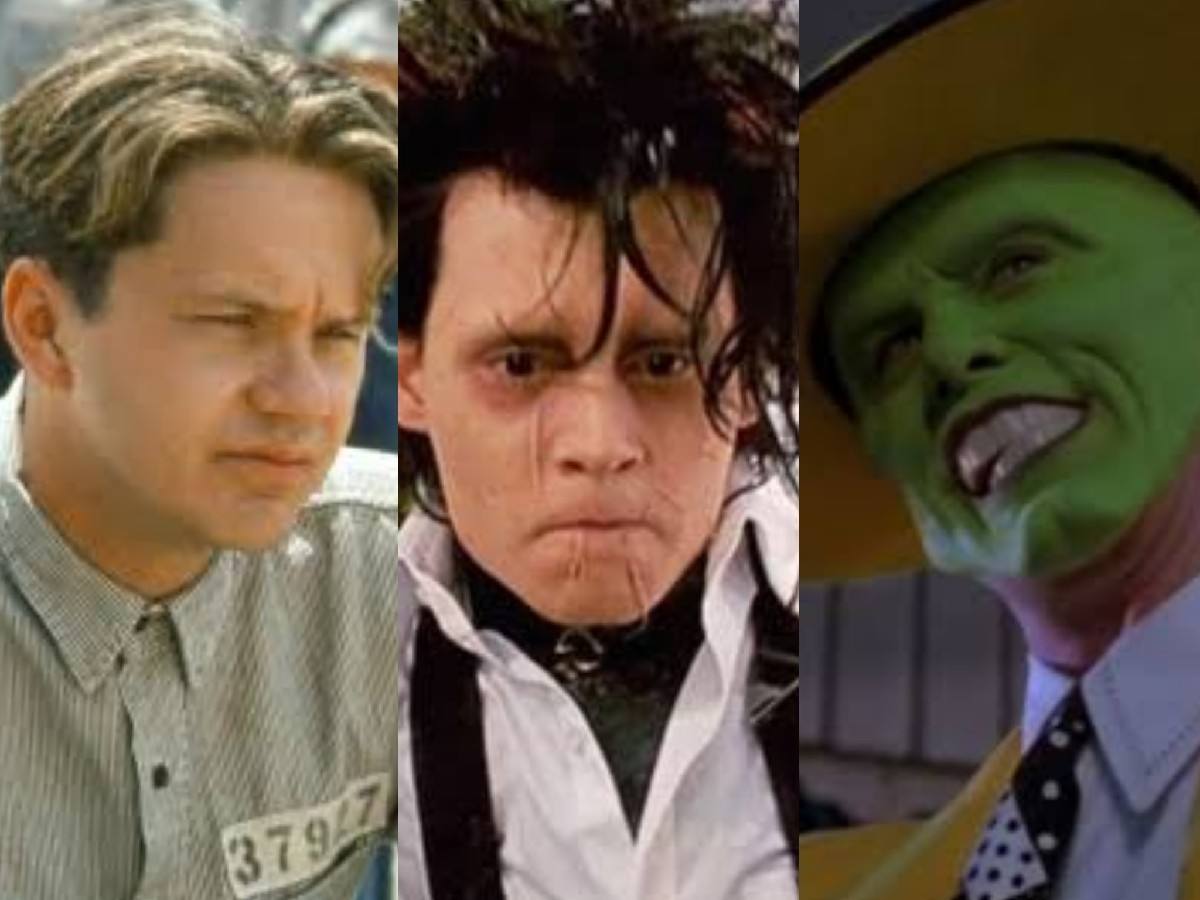
The 1990s actor navigated a transformative era in cinema and television, marked by the rise of the independent film movement, the expansion of blockbuster franchises, and the transition from traditional celluloid marketing to early digital media. This decade redefined celebrity culture, balancing gritty character studies with massive global box-office appeal.
The Cultural Landscape of Cinema and Television in the 1990s
The cinematic ecosystem of the 1990s underwent a profound structural shift. The decade opened with the dominance of high-concept action blocks and established bankable movie stars, but it quickly fractured into a multifaceted landscape. The emergence of independent production companies like Miramax and New Line Cinema altered how performers secured leading roles. A 1990s actor no longer relied exclusively on studio system contracts; instead, indie hits could propel a lesser-known performer into international prominence overnight.
Simultaneously, television experienced a golden renaissance that directly influenced film casting. The proliferation of network television hits and the early days of cable prestige meant that small-screen performers routinely crossed over into major feature films. This fluidity between television and movie sets changed how talent agents managed careers, making versatility an essential asset for any working professional during the decade.
Defining Archetypes: Blockbuster Stars Versus Indie Icons
Performers of this decade generally gravitated toward distinct career tracks, though the most successful artists frequently crossed boundaries. Understanding the 1990s actor requires examining how these archetypes shaped public perception and box-office economics.
The Action Hero and Blockbuster Lead
The global box office relied heavily on high-octane spectacles. Action stars commanded unprecedented salaries, often breaking the twenty-million-dollar threshold per picture. These performers maintained rigorous physical regimens and became global marketing brands, driving merchandise sales and international press tours. However, studios also began demanding greater emotional vulnerability from these leads, blending traditional physical prowess with psychological complexity.
The Indie Darlings and Method Specialists
Conversely, the decade celebrated raw, unpolished authenticity. Independent cinema championed performers who subverted conventional Hollywood standards. These actors favored complex, morally ambiguous characters over idealized heroes. Their work in low-budget festival entries often earned critical acclaim, subsequently leading to lucrative studio opportunities without sacrificing their artistic credibility.
| Performer Archetype | Primary Medium | Key Characteristics | Typical Career Trajectory |
|---|---|---|---|
| Action Blockbuster Lead | Studio Feature Films | Physical endurance, global marketability, high salary demands | Transition from television or indie films to multi-picture franchises |
| Independent Darling | Art-house and Festival Films | Character-driven performance, naturalism, risk-taking scripts | Recognition at festivals leading to selective major studio casting |
| Television Ensemble Lead | Broadcast Network Series | Long-term contracts, high household visibility, weekly syndication | Crossover appeal into feature films during broadcast hiatuses |
| Character Actor | Supporting Roles Across Media | Transformative appearance, specialized accents, high versatility | Consistent, long-term employment across diverse genres |
The Mechanics of Stardom and Talent Management
Navigating the entertainment industry during this period required a sophisticated approach to publicity and contract negotiation. Talent agencies wielded immense power, frequently packaging directors, writers, and lead performers together to secure green lights from major studios.
Public relations also shifted during this decade. Before the widespread adoption of the internet, print journalism, late-night talk show appearances, and glossy magazine spreads were the primary tools for maintaining a public profile. A 1990s actor managed their public persona through carefully curated interviews and selective project choices, avoiding the constant media scrutiny that arrived with the 24-hour digital news cycle in later decades.
Furthermore, compensation structures evolved significantly. Profit participation deals—whereby performers took a percentage of the film's gross or net earnings rather than a flat upfront fee—became standard practice for top-tier talent. This financial model aligned the star's personal earning potential directly with the commercial performance of the release.
Training, Craft, and the Transition to Modern Performance Styles
The foundational training of performers from this era varied wildly, reflecting a bridge between classical theater traditions and modern cinematic naturalism. Many acclaimed figures honed their skills in regional theater or prestigious conservatory programs, while others relied on instinctive, on-the-set experience.
Method acting techniques, popularized in earlier decades, remained influential but were updated for a faster-paced cinematic style. Directors favored understated deliveries over theatrical projection, a shift driven by the increasing use of sensitive microphones and close-up cinematography. Performers had to adapt to technical advancements, such as early computer-generated imagery (CGI) integration, where they often acted opposite green screens or tennis balls on sticks, requiring a high degree of imagination and technical awareness.
Enduring Legacy and Cultural Impact on Contemporary Media
The professional standards established by performers during this decade continue to influence modern casting and production workflows. Many iconic figures from the era have transitioned into producing and directing, leveraging their established clout to green-light passion projects and mentor younger generations.
Moreover, the nostalgia associated with the entertainment of this period has created a distinct market value for these artists. Fan conventions, retrospective documentaries, and streaming algorithms frequently highlight the enduring appeal of these performances, proving that the cultural footprint of the era remains robust in the contemporary media ecosystem.
Frequently Asked Questions
How did the rise of independent cinema affect the career of a 1990s actor?
The indie film boom provided alternative pathways to fame outside the traditional studio system. Performers could showcase range in low-budget productions, attracting international critical acclaim and securing major studio roles without waiting for traditional casting calls.
What role did television play in shaping film careers during this decade?
Television served as a vital training ground and a platform for widespread household recognition. Successful series leads frequently leveraged their broadcast visibility to secure leading roles in feature films during production hiatuses, blurring the historical line between film and television stars.
Why did compensation models change for top performers in this era?
Budgets for major studio releases escalated dramatically, prompting studios to offer profit participation deals. This allowed studios to mitigate upfront financial risk while giving top talent a stake in the film's box-office success.
How did technological advancements change on-set requirements for performers?
The introduction of early digital effects and green-screen technology required performers to adjust their techniques. They had to maintain emotional intensity and spatial awareness while interacting with imaginary elements that would be added later in post-production.
What were the primary methods of publicity before digital media?
Publicity relied heavily on print journalism, magazine covers, press junkets, and appearances on late-night television talk shows. This environment allowed artists to maintain a more controlled and private public persona compared to modern digital standards.
Strategic Career Management for Aspiring Performers
For modern artists studying historical career trajectories, the key lesson from this era is the balance between commercial viability and artistic integrity. Building a sustainable professional presence requires cultivating versatility across multiple platforms—ranging from independent digital projects to large-scale productions—while maintaining a clear personal brand. Artists should focus on rigorous craft development, adaptability to new production technologies, and strategic relationship management within the evolving entertainment industry.