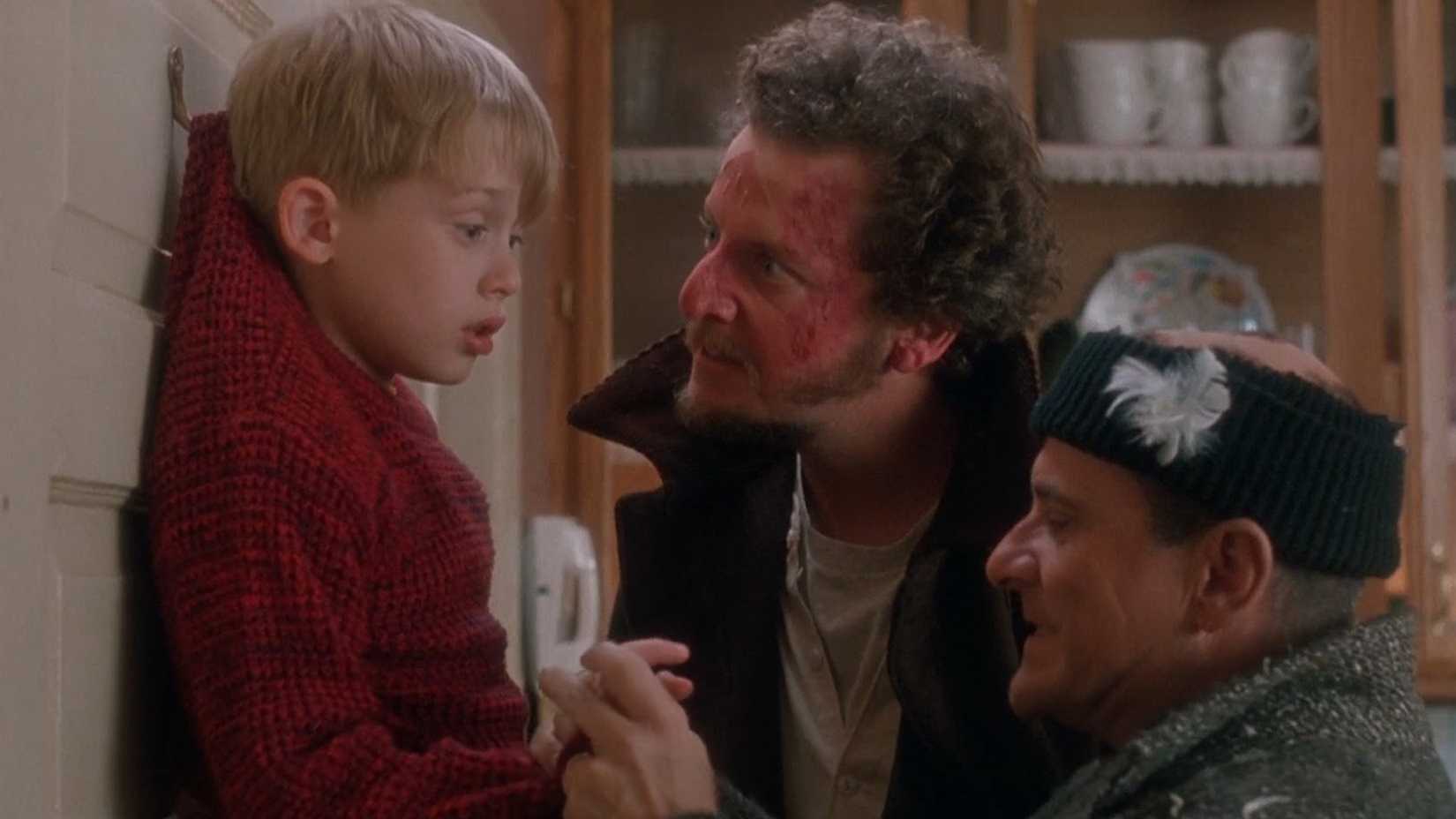
A 1990 sequel refers to a motion picture released during the calendar year 1990 that directly continues the narrative, expands the universe, or capitalizes on the commercial success of a preceding film. These cinematic follow-ups represent a pivotal era in Hollywood history, bridging practical visual effects traditions with evolving blockbuster economics and studio franchise strategies.
Historical Context of Hollywood Cinema in 1990
The cinematic landscape of 1990 occupied a fascinating transitional space between the high-concept action and sci-fi boom of the 1980s and the independent film renaissance and computer-generated imagery revolution of the late 1990s. During this period, major Hollywood studios increasingly recognized that established intellectual property offered reliable box-office returns. Rather than relying solely on original screenplays, motion picture executives invested heavily in follow-ups to successful properties. This strategy minimized financial risk while satisfying an increasingly media-literate audience eager to revisit familiar characters and fictional universes.
At the same time, the production methodologies employed by filmmakers in 1990 relied heavily on practical effects, sophisticated stunt work, and physical set design. While digital compositing and computer-generated imagery were beginning to emerge in specialized applications, the average motion picture sequel from this year was constructed using traditional filmmaking crafts. Makeup effects legends, miniature model makers, and stunt coordinators played central roles in bringing these second installments to life, establishing a distinct visual aesthetic that separates them from contemporary digital blockbusters.
Major Genres and Structural Variations of 1990 Film Continuations
Motion picture continuations released in 1990 spanned a wide array of genres, each utilizing distinct narrative frameworks to maintain audience engagement. Action films and crime thrillers prioritized escalating stakes, often returning protagonists to familiar urban environments while introducing formidable new adversaries. In these projects, the narrative structure typically abandoned the origin-story pacing of the original installment, thrusting the viewer directly into the established competence of the lead character.
Conversely, comedic and horror follow-ups approached serialization with different structural priorities. Comedies often expanded the scope of the original premise by relocating characters to new settings or introducing broader ensemble casts. Horror continuations, meanwhile, frequently leaned into established antagonist mythology, turning masked killers or supernatural entities into recognizable pop-culture icons. Across all genres, the primary challenge for filmmakers was balancing fan expectations with narrative innovation, ensuring the new chapter felt both necessary and distinct.
Production Challenges and Creative Shifts in Late-Century Filmmaking
Developing a follow-up in 1990 presented unique logistical and creative hurdles for production companies and creative teams. Securing the return of original cast members and key crew often involved complex contractual negotiations, shifting creative visions, and rising budget constraints. When principal actors or directors declined to participate, studios frequently resorted to creative restructuring, reshaping the project to introduce new characters or shift narrative focus entirely.
Furthermore, censorship boards and ratings authorities exerted considerable influence over the creative direction of these projects. The Motion Picture Association of America (MPAA) and international equivalents scrutinized violent content and thematic material, particularly for sequels targeting younger demographics. Consequently, directors often had to navigate tight budgetary schedules while simultaneously editing scenes to secure commercially viable age ratings, balancing artistic integrity with mass-market accessibility.
Notable Motion Picture Follow-Ups Released in 1990
To understand the scope and cultural impact of this era, it is helpful to examine prominent examples of theatrical continuations released during this twelve-month window. These projects illustrate the diverse approaches studios took toward franchise expansion, ranging from gritty urban crime dramas to supernatural comedies and high-stakes adventure films.
| Film Title | Original Preceding Film | Primary Genre | Notable Creative Elements |
|---|---|---|---|
| The Godfather Part III | The Godfather Part II (1974) | Crime Drama / Epic | Concluded the Corleone family saga, directed by Francis Ford Coppola. |
| Back to the Future Part III | Back to the Future Part II (1989) | Sci-Fi / Adventure | Filmed back-to-back with its predecessor, transporting characters to the American Old West. |
| Die Hard 2 | Die Hard (1988) | Action / Thriller | Relocated the confined-space action formula from a corporate skyscraper to an active international airport. |
| Predator 2 | Predator (1990) | Sci-Fi / Action | Shifted the jungle-survival setting of the original to a sweltering, dystopian Los Angeles urban environment. |
| RoboCop 2 | RoboCop (1987) | Cyberpunk / Action | Explored corporate privatization of municipal services and featured complex stop-motion effects by Phil Tippett. |
| Young Guns II | Young Guns (1988) | Western | Continued the historical-fiction narrative of Billy the Kid and the Regulators during the Lincoln County War. |
Critical Reception and Audience Reception
The critical evaluation of 1990 releases often exposed deep divisions among film critics regarding the artistic merit of franchise filmmaking. While reviewers frequently praised the technical achievements, stunt choreography, and practical effects work, many expressed fatigue over perceived formulaic storytelling and diminishing narrative returns. Sequels were frequently measured against their predecessors, creating a rigorous standard where matching the cultural impact of an original masterpiece proved exceptionally difficult.
Despite mixed critical reception in certain instances, audience enthusiasm remained remarkably strong at the global box office. Moviegoers demonstrated a clear appetite for continuing stories, driving substantial ticket sales and establishing the financial viability of long-running cinematic series. This commercial success cemented the sequel system as a foundational pillar of modern studio distribution models, paving the way for the interconnected cinematic universes that dominate the entertainment industry today.
Frequently Asked Questions
What defined the visual style of motion picture continuations in 1990?
The visual style was defined predominantly by practical filmmaking techniques, including physical stunt work, mechanical creature effects, elaborate miniature models, and traditional on-location cinematography. While digital tools were beginning to influence post-production, physical craftsmanship remained the primary method for realizing spectacular sequences.
Why did studios heavily favor franchise continuations during this period?
Studios favored franchise continuations because established intellectual property mitigated financial risk. Pre-existing audience awareness reduced marketing costs and provided a reliable baseline of ticket sales compared to launching unproven original screenplays in a competitive global market.
How did action film sequels change their formulas in 1990?
Action films typically escalated the stakes by moving protagonists into new, larger environments—such as shifting from a single building to an entire airport or a sprawling urban metropolis—while increasing the scale of the stunts, pyrotechnics, and antagonist threats.
Were directors from the original films always retained for 1990 follow-ups?
No, original directors were frequently replaced due to scheduling conflicts, creative differences with studio executives, or a studio's desire to inject a fresh stylistic perspective into the expanding property.
How do these 1990 releases compare to modern blockbuster franchises?
While 1990 releases relied heavily on practical effects and standalone continuity, modern blockbusters are characterized by heavy reliance on digital visual effects, pre-planned multi-film universes, and extensive integration across global merchandising and streaming platforms.
Strategic Guidance for Film Historians and Archivists
For researchers, archivists, and film historians examining this specific period of cinema, analyzing these releases requires looking beyond box-office returns to study production logs, original theatrical trailers, and contemporary trade publications. Understanding the delicate balance between commercial imperatives and artistic expression in 1990 provides crucial insight into the mechanics of modern Hollywood filmmaking. Scholars should prioritize examining original censorship records, promotional campaigns, and technical documentation from practical effects studios to gain a comprehensive understanding of how these influential motion pictures were brought to the screen.