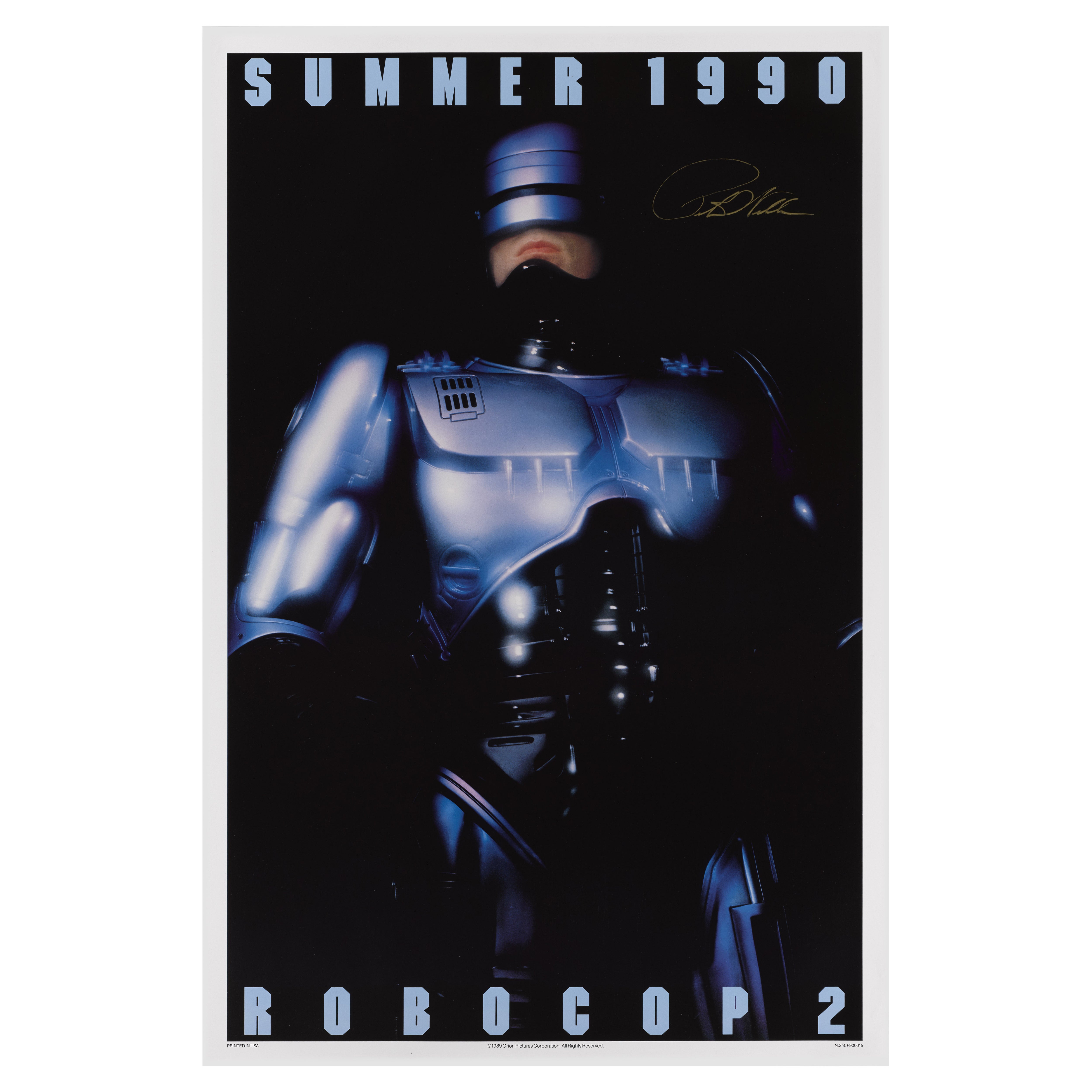
A 1990 film release represents a pivotal moment in motion picture history, capturing a transitional cinematic epoch defined by the explosive rise of independent studios, groundbreaking computer-generated imagery, and a massive blockbuster boom that forever altered global entertainment economics.
The year 1990 occupied a fascinating space in cinematic history, sitting right at the threshold of a new decade that would redefine storytelling, visual effects, and industry distribution models. A 1990 film release was not merely a commercial product distributed to local theaters; it was part of a rapidly evolving cultural ecosystem where traditional Hollywood studio systems collided with the rising force of independent filmmaking, high-concept blockbusters, and shifting audience demographics. Understanding the significance of movies released during this specific twelve-month window requires examining the technological innovations, economic shifts, and creative risks that characterized the era.
Historical Context and Industry Dynamics in 1990
Entering the final decade of the twentieth century, the motion picture industry faced both immense financial opportunities and structural challenges. Major Hollywood studios were transitioning away from the auteur-driven risks of the 1970s and the formulaic action vehicles of the mid-1980s toward high-concept tentpole projects capable of generating ancillary revenue through home video and merchandising. At the same time, the independent film movement was gaining unprecedented momentum, fueled by the establishment of dedicated specialty divisions within major studios and the growing prominence of the Sundance Film Festival as a viable marketplace for alternative storytelling.
The global box office in 1990 reflected this duality. While mainstream audiences flocked to high-profile romantic comedies, romantic dramas, and action thrillers backed by major studio distribution, art-house cinemas and indie-leaning distributors carved out substantial cultural space for gritty urban dramas, psychological thrillers, and unconventional narratives. This coexistence of commercial spectacle and narrative experimentation created a diverse cinematic landscape, ensuring that a 1990 film release could range from a multi-million-dollar studio tentpole to a micro-budget indie darling that launched entirely new career trajectories for emerging filmmakers.
Major Box Office Drivers and Blockbuster Phenomena
Commercial success in 1990 was heavily dictated by high-concept premises, star power, and strategic holiday or summer scheduling. Major studios poured enormous resources into marketing campaigns that relied heavily on television spots, print media, and soundtrack tie-ins. The highest-grossing films of the year demonstrated a clear audience appetite for escapism, emotional resonance, and high-stakes tension.
Romance and supernatural drama dominated the conversation with releases like Ghost, directed by Jerry Zucker, which became a monumental global phenomenon by combining supernatural elements with a deeply emotional romantic core and groundbreaking visual effects for its time. Similarly, family-oriented comedy achieved unprecedented box office heights with the holiday release of Home Alone, directed by Chris Columbus. Written and produced by John Hughes, the film capitalized on slapstick comedy and holiday framing to become one of the most profitable and enduring domestic box office hits of the decade.
| Film Title | Primary Genre | Principal Director | Key Cultural Impact / Milestone |
|---|---|---|---|
| Ghost | Supernatural Romance | Jerry Zucker | Highest-grossing worldwide film of 1990; notable early use of digital compositing. |
| Home Alone | Family Comedy | Chris Columbus | Redefined holiday box office potential; launched child star phenomenon. |
| Pretty Woman | Romantic Comedy | Garry Marshall | Cemented Julia Roberts' superstardom; revitalized the modern rom-com genre. |
| GoodFellas | Crime Drama | Martin Scorsese | Redefined the gangster genre with kinetic editing, voiceover, and soundtrack use. |
| Total Recall | Sci-Fi Action | Paul Verhoeven | Showcased practical special effects and dystopian world-building on a blockbuster scale. |
Action cinema also pushed boundaries during this period, blending practical stunt work with escalating budgets. Paul Verhoeven’s Total Recall offered audiences a visceral, mind-bending sci-fi experience that relied heavily on pioneering physical effects, miniatures, and elaborate set designs before digital effects became the industry standard. Meanwhile, romantic comedies achieved critical and commercial dominance with Garry Marshall’s Pretty Woman, which not only grossed massive global figures but also established a reliable formula for contemporary romantic storytelling that studios would emulate for years.
The Ascent of Independent Cinema and Counter-Programming
While studio blockbusters captured headlines and broke box office records, the true cultural revolution of the 1990 film release landscape unfolded in the independent sector. The late 1980s and early 1990s witnessed the birth and maturation of specialized distribution arms, such as Miramax, Fine Line Features, and Samuel Goldwyn Company, which provided a reliable pipeline for films that lacked major studio backing.
This era of independent cinema was characterized by distinct stylistic choices: low budgets, sharp dialogue, moral ambiguity, and a focus on subcultures that mainstream Hollywood routinely ignored. Filmmakers working outside the studio system found new audiences through specialized art-house theaters and college campuses. The critical and commercial viability of these projects proved that alternative distribution networks could sustain profitable cinematic ventures, laying the institutional groundwork for the massive independent film boom of the mid-1990s.
Technological Transitions in Production and Exhibition
The year 1990 stands at a fascinating crossroads regarding cinematic technology. While the vast majority of films released during this period relied exclusively on traditional physical production techniques—such as optical printing, matte paintings, stop-motion animation, and elaborate practical makeup effects—the seeds of the digital revolution were actively being sown.
Visual effects houses were beginning to experiment with computer-generated imagery (CGI) for subtle compositing and wire removal, most notably seen in films like Ghost and James Cameron’s The Abyss (which had spilled over into late-1989 cultural consciousness, setting technical standards for 1990 productions). The transition from purely analog workflows to digital intermediate and post-production processes was still years away for standard releases, but the technical ambition of 1990 directors forced a rapid evolution in how practical effects were conceptualized, executed, and captured on 35mm film stock.
Furthermore, theatrical exhibition standards were evolving. The multiplex model was solidifying its dominance across suburban landscapes, replacing single-screen downtown movie palaces with multi-screen complexes capable of housing a wider variety of films simultaneously. This shift directly impacted distribution strategies, allowing distributors to run counter-programmed independent releases alongside wide-release studio blockbusters in the same suburban market.
Critical Reception, Awards, and Cultural Legacy
Evaluating a 1990 film release requires looking past immediate financial returns to examine long-term critical appraisal and awards recognition. The 63rd Academy Awards, honoring films released in 1990, reflected a fascinating tension between populist entertainment and traditional prestige pictures. Kevin Costner’s Western epic Dances with Wolves swept the ceremony, capturing Best Picture and Best Director, demonstrating that old-Hollywood traditionalism, sweeping cinematography, and revisionist historical narratives still held immense sway over voting bodies.
At the same time, gritty, uncompromising crime dramas like Martin Scorsese’s GoodFellas earned widespread critical acclaim, anchoring a cinematic style characterized by rapid-fire editing, breaking the fourth wall, and diegetic pop-music soundtracks that heavily influenced subsequent generations of filmmakers. The divergence between Academy recognition and enduring cultural footprint highlights how certain 1990 releases maintained their relevance decades later through home media, academic study, and repeated television syndication.
Frequently Asked Questions About 1990 Cinema
What was the highest-grossing film of 1990?
The highest-grossing film worldwide in 1990 was the supernatural romance Ghost, which earned over $500 million globally against a modest production budget. Its massive financial success surprised industry analysts and proved that romantic dramas could compete directly with traditional action blockbusters at the worldwide box office.
How did the home video market affect 1990 film releases?
By 1990, the VHS rental and purchase market had become a crucial revenue stream for major Hollywood studios, frequently matching or exceeding theatrical box office returns for mid-budget films. Studios began tailoring their release strategies and ancillary marketing budgets to maximize home video visibility within months of a film's theatrical debut.
Were there any notable independent film breakthroughs in 1990?
Yes, 1990 saw significant milestones for independent cinema, including the continued expansion of specialty distribution companies and critical acclaim for gritty urban and crime narratives. These releases established vital alternative pathways for filmmakers working outside the traditional major studio system, paving the way for the indie boom of the mid-1990s.
What technological innovations impacted filmmaking in 1990?
While practical special effects, optical printing, and mechanical stunts remained the industry standard, 1990 marked an important transitional phase where early computer-generated imagery (CGI) began to be utilized for digital compositing, wire removal, and rudimentary visual effects sequences in select major studio productions.
How did 1990 comedy films influence later cinematic trends?
Comedy in 1990 was heavily defined by high-concept family fare and star-driven romantic comedies. Films like Home Alone and Pretty Woman established enduring narrative templates, pacing styles, and casting formulas that Hollywood studios utilized and refined throughout the remainder of the decade and into the twenty-first century.
Preserving Cinematic Heritage Through Modern Re-Evaluation
Analyzing the historical significance of a 1990 film release offers valuable insight into the broader evolution of modern media culture, reminding contemporary audiences and industry professionals of the technological, artistic, and economic foundations upon which today's global entertainment landscape is built. Whether studying the commercial mechanics of studio blockbusters or the creative resilience of independent counter-programming, film historians continue to find rich material in this transitional year.