The year 1990 represents a vital structural crossroads in American and international cinema, bridging the independent spirit of the 1980s with the high-concept commercialism and technological evolution of the 1990s. Conducting a 1990 film analysis requires examining how economic shifts, the rise of specialized distribution divisions, and a changing cultural landscape converged to redefine mainstream and arthouse storytelling.
The Cultural and Industrial Landscape of Cinema in 1990
Entering a new decade, the global film industry faced major economic adjustments. Major Hollywood studios were shifting deeper into the corporate conglomerate model, where risk management favored recognizable intellectual properties, high-octane action, and bankable star power. Yet, a counter-movement was quietly brewing on the margins.
Independent cinema experienced an institutional awakening. Companies like Miramax, New Line Cinema, and Samuel Goldwyn Films demonstrated that specialized films could capture mainstream cultural mindshare without relying on mega-budget financing. This industrial bifurcation created a dual cinematic ecosystem. On one hand, studios doubled down on family entertainment and high-concept blockbusters. On the other, a burgeoning independent sector proved that provocative, low-budget storytelling possessed vast commercial viability.
Furthermore, technological developments were beginning to influence production and post-production workflows. While digital editing and computer-generated imagery were still in their infancy compared to their dominance later in the decade, 1990 laid the groundwork for an era where visual effects would transition from optical practicalities to digital canvas manipulations.
Major Thematic Movements and Aesthetic Shifts
Films released in 1990 explored complex thematic territory, frequently subverting traditional genre conventions. Crime narratives, domestic psychodramas, and romantic comedies alike adopted a darker, more cynical, or self-aware tone that reflected contemporary social anxieties.
The Evolution of Neo-Noir and Crime Thrillers
The crime genre underwent a significant mutation at the start of the decade. Rather than relying solely on classic hardboiled archetypes, filmmakers incorporated contemporary anxieties about corruption, domestic betrayal, and professional obsession.
- Subversion of Morality: Protagonists in 1990 crime and thriller films were frequently deeply flawed, morally ambiguous antiheroes rather than classic knights in shining armor.
- Stylized Visuals: Directors utilized high-contrast cinematography, moody lighting, and atmospheric urban settings to mirror the psychological disintegration of their characters.
- Fatalistic Narratives: Scripts increasingly favored ambiguous or tragic resolutions, moving away from neat, reassuring Hollywood endings.
Redefining Family and Fantasy Blockbusters
Blockbuster cinema in 1990 balanced grit with escapism. The success of fantasy and family-oriented releases proved that audiences craved imaginative world-building that appealed simultaneously to children and adults. Filmmakers utilized practical effects, elaborate creature design, and emotionally resonant storytelling to ground fantastical premises in tangible human stakes. This approach established a template for the mega-franchises that would dominate box offices for decades to follow.
Landmark Releases and Critical Milestones
To understand the cinematic output of this specific year, one must examine the critical and commercial reception of its most influential releases. The cinematic landscape spanned boundary-pushing independent features, prestige historical dramas, and massive commercial hits.
| Film Title | Director | Primary Genre | Primary Significance in 1990 Cinema |
|---|---|---|---|
| Goodfellas | Martin Scorsese | Crime / Drama | Redefined pacing, voiceover narration, and kinetic editing in crime cinema. |
| Wild at Heart | David Lynch | Surrealist Drama | Won the Palme d'Or at Cannes, cementing avant-garde sensibilities in commercial distribution. |
| Ghost | Jerry Zucker | Supernatural Romance | Dominated global box offices by blending romance, comedy, and high-concept fantasy. |
| Miller's Crossing | Joel Coen | Neo-Noir / Gangster | Demonstrated the maturation of American auteur-driven independent filmmaking within genre boundaries. |
| Dances with Wolves | Kevin Costner | Epic Western | Revitalized the traditional Western genre and swept major Academy Awards. |
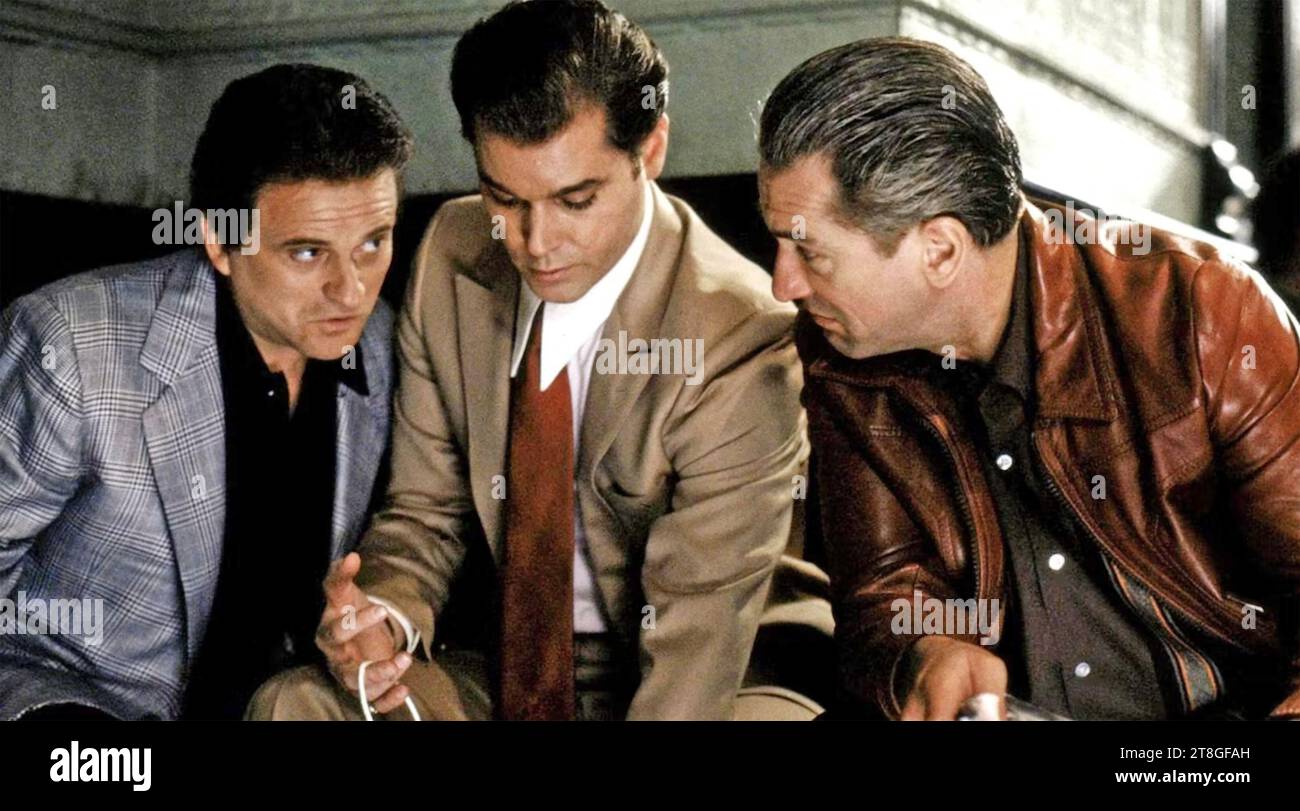
Martin Scorsese’s Goodfellas stands as a paramount text of 1990 cinema. By employing rapid-fire editing, breaking the fourth wall via direct address, and utilizing a curated soundtrack of pop and rock standards, the film shattered conventional biographical pacing. It established an energetic blueprint for modern crime storytelling that directors continue to emulate.
Concurrently, David Lynch’s Wild at Heart captured the top prize at the Cannes Film Festival, signaling that institutional gatekeepers were increasingly willing to reward transgressive, hyper-stylized art house visions. Meanwhile, mainstream hits like Ghost proved the enduring financial power of emotional, high-concept narratives that leveraged cutting-edge practical special effects alongside magnetic star performances.
The Independent Film Boom and Distribution Dynamics
The structural transformation of independent film distribution stands as one of the most consequential developments of 1990. Prior to this period, truly independent films struggled to secure widespread theatrical exhibition outside of specialized metropolitan art-houses.
The commercial triumph of low-budget features at major festivals forced distribution executives to rethink their acquisition strategies. Distributors realized that targeted marketing campaigns could position arthouse titles as cultural events for sophisticated demographics. This shift led directly to the indie film explosion of the mid-1990s, transforming film festivals like Sundance from quiet industry mixers into hyper-competitive acquisition marketplaces.
Independent features from this era often prioritized naturalistic dialogue, regional settings, and character-driven conflicts over three-act formulaic plotting. This democratization of production methods paved the way for filmmakers operating outside the traditional studio apparatus to secure mainstream recognition, critical acclaim, and sustainable financing.
Production Techniques and Technological Transition
Technically, 1990 occupied an interesting middle ground in motion picture history. Practical makeup effects, mechanical animatronics, and optical composite photography reached their absolute zenith just as early digital tools began entering the pipeline.
Practical Effects vs. Early Digital Integration
Before CGI became the default tool for visual effects, artists relied on meticulous physical craftsmanship. Creature shops, miniature model makers, and matte painters created illusions entirely in-camera or through optical printing.
- Miniatures and Matte Paintings: Expansive cityscapes and fantastical environments were frequently rendered via detailed physical models combined with painted glass plates.
- Practical Prosthetics: Character transformations and creature features relied heavily on foam latex, advanced animatronics, and skilled application artists.
- The Dawn of Digital Compositing: Early experiments with digital scanning and wire removal began appearing in major studio releases, hinting at the massive technological disruption that would arrive later in the decade.
Sound design also underwent a quiet revolution. The refinement of multi-track theatrical sound systems allowed sound designers to craft deeply immersive acoustic environments, enhancing tension in thrillers and scale in historical epics.
Frequently Asked Questions
What made 1990 an important year for cinema?
The year 1990 served as a bridge between the distinct aesthetic sensibilities of the 1980s and the modern era of blockbusters and indie cinema. It marked the commercial breakthrough of critical independent distribution models, a stylistic reinvention of the crime genre through films like Goodfellas, and a peak period for practical cinematic craftsmanship before the widespread adoption of digital technology.
Which films defined the box office in 1990?
The highest-grossing films of the year showcased a strong appetite for romantic fantasy, action, and family entertainment. Titles such as Ghost, Home Alone, Pretty Woman, and Dances with Wolves dominated global ticket sales, proving that audiences sought diverse emotional experiences ranging from sweeping historical epics to high-concept domestic comedies.
How did the independent film industry change around 1990?
Independent cinema transitioned from a largely invisible underground circuit into a commercially viable sector capable of capturing mainstream attention. The success of specialized distributors demonstrated that alternative films could achieve significant box-office traction, laying the financial and cultural groundwork for the indie boom of the subsequent decade.
What technical era of filmmaking does 1990 represent?
Technically, 1990 represents the absolute peak of sophisticated practical effects, mechanical puppetry, and optical composite work. While digital tools were beginning to emerge for specific wire-removal and editing tasks, the vast majority of visual storytelling relied on physical craftsmanship and in-camera illusions.
Why is Goodfellas considered a masterclass in modern editing?
Martin Scorsese's Goodfellas revolutionized cinematic rhythm through its use of freeze-frames, rapid-fire voiceover narration, continuous tracking shots (such as the famous Copacabana sequence), and an anachronistic pop soundtrack. These techniques accelerated the narrative pace and created an immersive subjective experience that permanently influenced modern editing styles.
Strategic Next Steps in Cinematic Research
To deepen your understanding of this era, examine the primary critical reception of 1990 releases through contemporary trade publications and historical festival archives. Compare the domestic and international box office performances of studio blockbusters against specialized independent acquisitions to observe the economic dichotomy that shaped contemporary filmmaking. Reviewing original screenplays and technical production notes from this timeframe will further illuminate how directors navigated the shifting boundary between commercial expectations and artistic innovation.