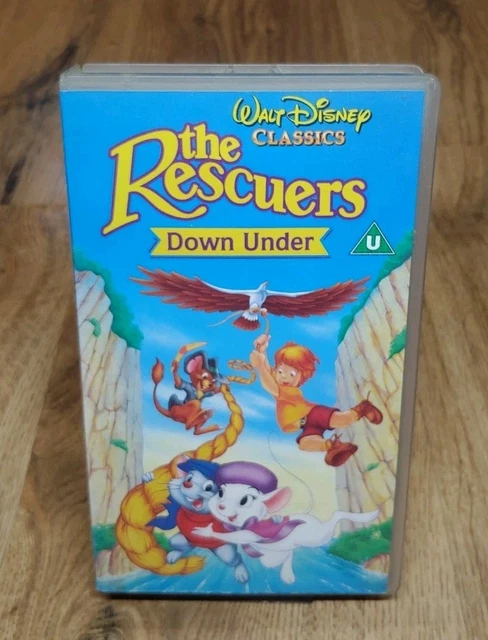
The year 1990 marked a fascinating transition period for Walt Disney Feature Animation, bridging the end of the bronze age of animation and the dawn of the legendary Disney Renaissance. While Disney released no brand-new traditionally animated feature films in the calendar year of 1990, the studio made significant waves with the theatrical release of The Rescuers Down Under, which debuted in November 1990 as the first-ever animated feature sequel produced by the studio and the first film to completely bypass traditional cel painting in favor of the Computer Animation Production System (CAPS). This technological milestone permanently altered the trajectory of the medium.
The Historic Context of Disney Animation Around 1990
To understand the positioning of a 1990 Disney animated film release, one must examine the operational climate of the studio at the turn of the decade. Following the monumental commercial and critical success of The Little Mermaid in late 1989, Walt Disney Feature Animation entered a period of immense creative revitalization and technical modernization.
The studio was no longer viewed as a fading legacy department; instead, it became the economic engine driving the entire Walt Disney Company's media empire. The pressure to innovate mounted significantly. Executives and animators alike recognized that audiences craved rich storytelling paired with cutting-edge visuals. This environment fostered both high-risk artistic gambles and heavy investments in proprietary software technology that would define the next decade of family entertainment.
Technical Innovation: The Introduction of CAPS
The single most influential development surrounding Disney's 1990 animated output was the deployment of the Computer Animation Production System (CAPS). Developed in collaboration with Pixar, CAPS revolutionized how traditional hand-drawn animation was brought to the screen.
Before CAPS, artists painted cels by hand using limited palettes of physical ink and paint, which were then stacked over painted backgrounds under multiplane cameras. CAPS allowed animators to scan pencil drawings directly into computer systems, where they were digitally inked, painted, and composited with multi-plane camera moves, simulated lighting, and computer-generated imagery (CGI) elements.
- The Rescuers Down Under served as the commercial proving ground for CAPS.
- It eliminated the traditional ink-and-paint department entirely for this production.
- The system allowed for seamless integration of hand-drawn characters with complex 3D environments, such as the breathtaking opening flight sequence over the Australian gorge.
The Rescuers Down Under: Production and Narrative Scope
Released on November 16, 1990, The Rescuers Down Under followed the adventures of mouse agents Bernard and Bianca as they traveled to the Australian Outback to rescue a young boy named Cody and a magnificent golden eagle from a ruthless poacher named Percival C. McLeach.
Despite boasting state-of-the-art animation techniques and a sweeping orchestral score by Bruce Broughton, the film faced unique box office challenges. It opened the same weekend as major live-action competitors like Home Alone, which ultimately cannibalized its family audience share. Consequently, its initial theatrical run was modest compared to its 1989 predecessor, though it has since achieved enduring appreciation among animation historians and fans for its technical audacity and distinctively action-packed tone.
Key Milestones of Disney's 1990 Animation Era
| Feature / Milestone | Details & Significance | Impact on the Industry |
|---|---|---|
| Release Date | November 16, 1990 | Positioned against major holiday blockbusters, creating intense box-office competition. |
| Technical Platform | CAPS (Computer Animation Production System) | Marked the complete digital transition for ink, paint, and multi-plane camera effects. |
| Production Format | Animated Feature Sequel | Established that Disney sequels could receive theatrical distribution rather than direct-to-video premieres. |
| Setting & Scale | The Australian Outback | Permitted expansive, sweeping aerial shots and dynamic perspective shifts previously impossible with standard cels. |
Narrative and Aesthetic Comparisons to Adjacent Eras
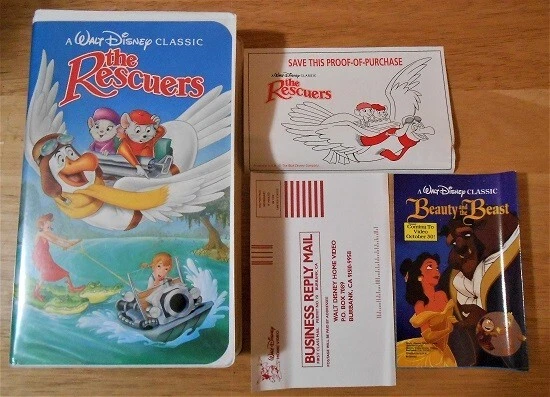
Placing a 1990 Disney animated film into the broader historical timeline reveals a fascinating stylistic bridge. The darker, more adventurous tone of The Rescuers Down Under shares DNA with the studio's output from the 1970s and 1980s—such as the original The Rescuers (1977) and The Great Mouse Detective (1986)—which often favored moody lighting, gritty plots, and understated musical numbers rather than full-scale Broadway-style musical sequences.
At the same time, the film foreshadowed the blockbuster formula that would arrive just one year later with Beauty and the Beast (1991). The integration of sprawling digital camera movements in The Rescuers Down Under directly paved the way for the famous 3D ballroom dance sequence in Beauty and the Beast, proving that the technical hurdles overcome in 1990 were essential stepping stones for the masterpieces that followed.
Evaluating the Critical Reception and Re-evaluation
Initial critical reception for Disney's 1990 animated feature was generally positive regarding its technical achievements, though some reviewers noted that the narrative relied heavily on standard chase sequences and action tropes. Over the decades, however, critical appraisal has shifted significantly upward.
Modern animation enthusiasts frequently praise the film for its pacing, gorgeous watercolor-style backgrounds, and the terrifying yet charismatic villainy of Percival C. McLeach, voiced by George C. Scott. Furthermore, the decision to showcase the vast, untamed landscapes of Australia provided a refreshing visual palette that stood in stark contrast to the European fairytale settings dominating traditional Disney features.
Frequently Asked Questions About 1990 Disney Animation
Was The Rescuers Down Under the only Disney animated release in 1990?
Yes, The Rescuers Down Under was the sole theatrical animated feature released by Walt Disney Feature Animation in the calendar year 1990. Because traditional feature animation required multi-year production cycles, major releases did not always align neatly with every single calendar year during this transitional era.
Why is 1990 considered a turning point for Disney animation?
The year 1990 marked the operational debut of the CAPS digital ink-and-paint system. This technological leap permanently retired traditional physical cels and enabled complex digital compositing, laying the groundwork for the visually ambitious animated features of the 1990s.
Did The Rescuers Down Under perform well at the box office?
The film underperformed relative to studio expectations during its initial 1990 theatrical run, largely due to intense competition from live-action holiday blockbusters released simultaneously. However, it achieved profitability through subsequent home video sales and cable syndication.
Who directed the major Disney animated project of 1990?
The Rescuers Down Under was directed by Hendel Butoy and Mike Gabriel. Both directors brought distinct visual sensibilities to the project, balancing classic character animation traditions with fast-paced, cinematic action directing.
How did CAPS change the look of Disney films starting in 1990?
CAPS eliminated camera jitter, allowed for infinite color gradations, and made it possible to blend hand-drawn character cels seamlessly with complex computer-generated backgrounds, creating a deeper sense of three-dimensional space on a flat screen.
Ensuring Proper Preservation and Viewing of Classic Animation
To fully appreciate the historical weight of a 1990 Disney animated film, viewers should seek out high-definition digital restorations available on official streaming platforms like Disney+. When examining these works, pay close attention to the fine linework, shadow effects, and background blending during high-motion sequences. These elements reveal the exact moment traditional hand-crafted artistry merged with digital engineering. Audiences interested in animation history should also explore behind-the-scenes documentaries detailing the development of the CAPS system to understand the immense engineering effort required to modernize a half-century-old artistic tradition.