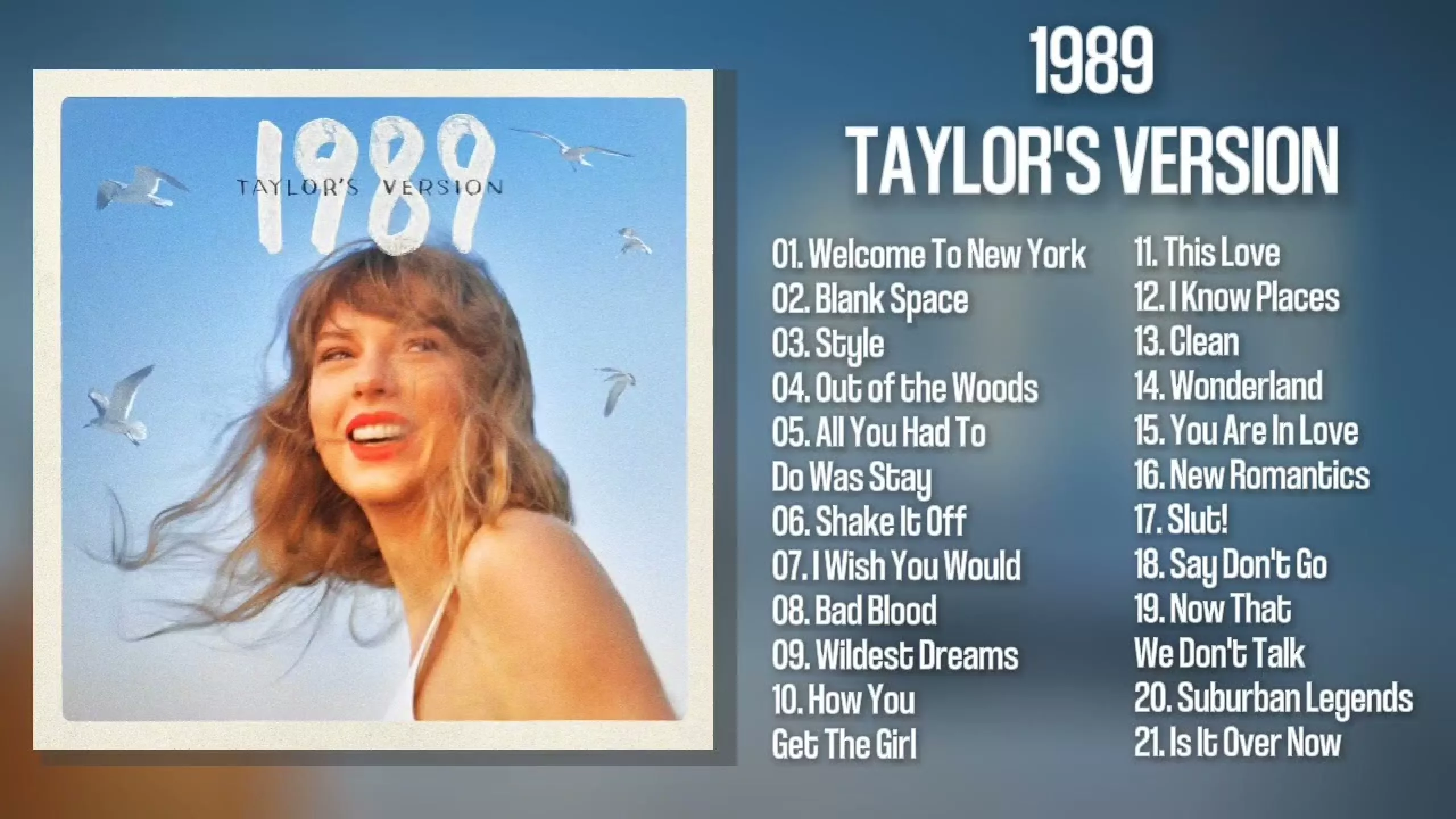
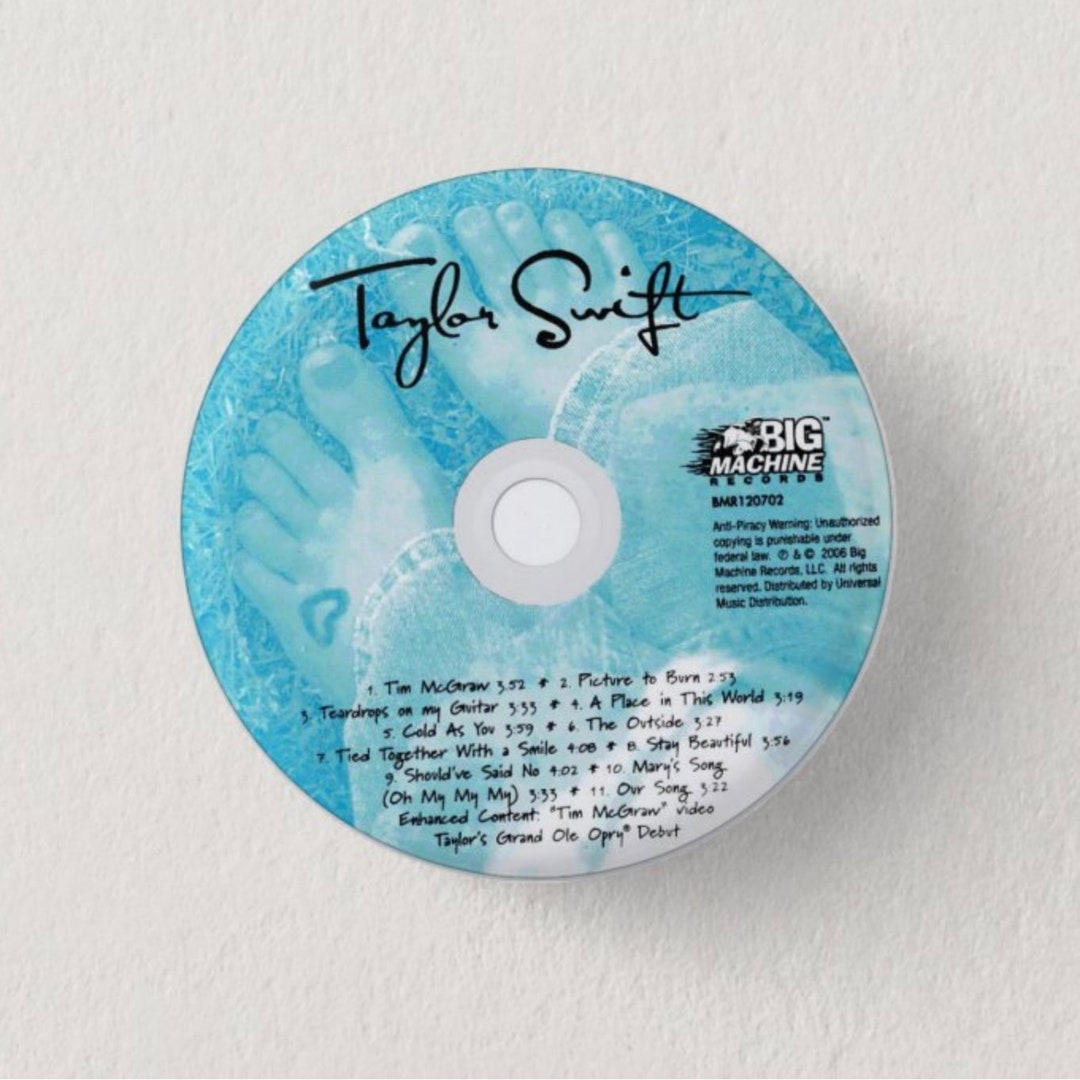
Taylor Swift's eponymous debut studio album, released on October 24, 2006, established a foundational blueprint for modern country-pop and introduced a precocious teenage songwriter whose lyrical vulnerability would reshape the contemporary music landscape. While later blockbuster projects like 1989 (2014) later came to define her crossover pop dominance, exploring the 2006 original self-titled record reveals the raw acoustic architecture, traditional Nashville mechanics, and sharp narrative instincts that launched a historic career.
The Nashville Landscape and the Genesis of a Teenage Outsider
In the mid-2000s, the country music industry operated on a tightly controlled star-making apparatus dominated by seasoned vocalists, Nashville-based staff writers, and major label gatekeepers. Into this ecosystem stepped a fourteen-to-sixteen-year-old high school student who had moved to Hendersonville, Tennessee, specifically to pursue a songwriting career. Unlike many of her peers who relied exclusively on established Nashville tunesmiths, Swift arrived with a heavy hand in writing or co-writing every track on her debut album—a rarity for a teenage newcomer in mainstream country music.
Working alongside independent label Big Machine Records—then a fledgling startup headed by Scott Borchetta—and producer Nathan Chapman, Swift captured a distinct acoustic-pop hybrid. Chapman played nearly all the instruments on the demo recordings that ultimately became the master tracks, creating an intimate, bedroom-production quality that contrasted sharply with the polished, heavily orchestrated stadium-country tracks dominating Billboard charts at the time. This DIY ethos preserved the colloquial cadence of teenage diary entries, establishing an immediate, unmediated bond with listeners who saw their own social anxieties, heartbreaks, and adolescent daydreams reflected in the lyrics.
Lyrical Craftsmanship and Narrative Precision Across the Tracklist
The enduring magic of the 2006 original album lies in its hyper-specific lyricism. Rather than relying on sweeping, generalized tropes about love and loss, Swift anchored her songs in tangible physical details: screen doors slamming, slamming lockers, unwarranted text messages of an era transitioning from landlines to early mobile tech, and burnt toast.
Lead single "Tim McGraw" established this narrative template. Written during a high school math class, the song used a shared country music idol as a mnemonic device to preserve the memory of a fleeting teenage romance. By name-dropping a real artist and specific physical markers, Swift transformed a localized personal experience into a universally relatable anthem of nostalgia.
Similarly, tracks like "Teardrops on My Guitar" and "Should've Said No" navigated the complex terrain of unrequited love and betrayal with a melodic sharpness that belied the artist's age. "Picture to Burn" injected an aggressive, defiant edge into traditional country instrumentation, signaling early on that her catalog would not be confined to passive heartbreak or victimhood narratives.
Core Musical Characteristics of the 2006 Debut
| Feature | Description | Primary Instrument |
|---|---|---|
| Production Style | Acoustic-driven country-pop with bright banjo, fiddle, and clean electric guitars | Acoustic Guitar / Mandolin |
| Lyrical Themes | Adolescent romance, high school social dynamics, small-town yearning | First-person confessional narrative |
| Songwriting Credits | Co-written entirely by Swift, blending solo tracks with key Nashville co-writers | Pen and paper / Diary format |
| Vocal Delivery | Natural southern conversational inflection with emotive, unpolished tone | Dynamic lead vocals with rich double-tracking |
The Acoustic-Pop Hybrid and Production Architecture
Musically, the album occupies a fascinating transitional space. Nathan Chapman’s production favored bright acoustic strums, crisp banjo rolls, and subtle fiddle accents that satisfied traditional country radio gatekeepers, yet the underlying song structures possessed the infectious, hook-heavy geometry of pure pop music.
This hybrid approach allowed songs like "Our Song" to achieve crossover success without alienating country programmers. "Our Song" emerged organically; Swift originally wrote it for a high school talent show because she needed a track about a couple who didn't have a specific song of their own. Big Machine executives recognized its commercial potential at the eleventh hour, pushing it onto the album just before pressing. The track eventually climbed to number one on the Billboard Hot Country Songs chart, making Swift the first female artist to write and record a number-one country hit entirely by herself.
The acoustic arrangements avoided the heavy compression and bombastic electronic bass that would later define her late-2010s output, relying instead on dynamic space. The interplay between clean electric guitar lines and acoustic rhythm sections provided a warm, organic backdrop that highlighted the conversational cadence of Swift’s vocal delivery.
Commercial Impact and the Foundation of a Fanbase
Commercially, the album’s trajectory defied expectations for an independent label's debut release. Peaking at number five on the Billboard 200, the record spent an extraordinary number of consecutive weeks on the charts, cementing its status as one of the longest-charting albums of the 2000s decade.
More importantly, the debut established the blueprint for modern fan engagement and parasocial relationship-building. Through early social media platforms like MySpace, Swift directly interacted with listeners, answering messages, mailing physical gifts, and making personal connections that transformed casual listeners into a fiercely loyal community. The raw vulnerability of the 2006 record acted as the primary conduit for this connection, proving that authentic storytelling could bypass traditional media gatekeepers.
Why the Original Recording Still Resonates Two Decades Later
In hindsight, revisiting the 2006 self-titled album offers a clear view of an artistic foundation built on discipline and observational clarity. While her vocal technique and sonic palette expanded radically through subsequent eras—evolving from country twang to synth-pop and alternative folk—the core DNA of her songwriting remained intact.
The innocence and unvarnished emotional stakes of songs like "Cold as You" and "Stay Beautiful" capture a specific era of youth culture before hyper-connected digital permanence reshaped adolescent social interaction. For contemporary listeners, the record functions not merely as a nostalgic time capsule, but as a masterclass in how specificity breeds universality in popular songwriting.
Frequently Asked Questions
How many songs did Taylor Swift write for her 2006 debut album?
Taylor Swift was involved in writing every track on the standard edition of her debut album. She wrote three tracks entirely by herself—"Should've Said No," "The Outside," and "Mary's Song (Oh My My My)"—and co-wrote the remaining tracks with established Nashville writers including Liz Rose, Robert Ellis Orrall, Brian Maher, and Angelo Petraglia.
Was Taylor Swift's debut album released under a major label?
No, the album was released under Big Machine Records, which operated at the time as an independent record label founded by Scott Borchetta. This independent backing gave Swift significant creative control over her material, allowing her to maintain her acoustic instrumentation and confessional lyrical style.
What was the biggest chart hit from Taylor Swift's debut album?
"Our Song" became the most commercially dominant single from the record, reaching number one on the Billboard Hot Country Songs chart and peaking inside the top twenty of the all-genre Billboard Hot 100. It remains a defining track of mid-2000s country-pop radio.
How did Nathan Chapman influence the sound of the 2006 album?
Nathan Chapman served as the primary producer and multi-instrumentalist for the album, playing most of the guitars, banjos, and drums on the initial demo recordings. His intimate, organic production style helped bridge the gap between traditional Nashville studio polish and the raw acoustic charm of Swift's original home demos.
Why is the 2006 debut album significant in Taylor Swift's discography?
The record established her as a credible singer-songwriter who could pen chart-eligible material at a remarkably young age. It proved the commercial viability of direct, diary-entry lyricism and laid the groundwork for the fan-artist relationship model that propelled her unprecedented global success.
Prioritizing Your Exploration of Early Country-Pop Catalogs
When diving back into early 2000s country-pop or evaluating the evolution of contemporary songwriting, approach the material by examining the structural mechanics of the lyric sheet before analyzing the production choices. Pay close attention to how specific nouns, verbs, and real-world objects anchor abstract emotional concepts. For listeners looking to understand the broader arc of modern popular music, comparing the raw, acoustic architecture of the 2006 self-titled release with later stadium-pop reinventions highlights the enduring power of strong foundational songwriting.