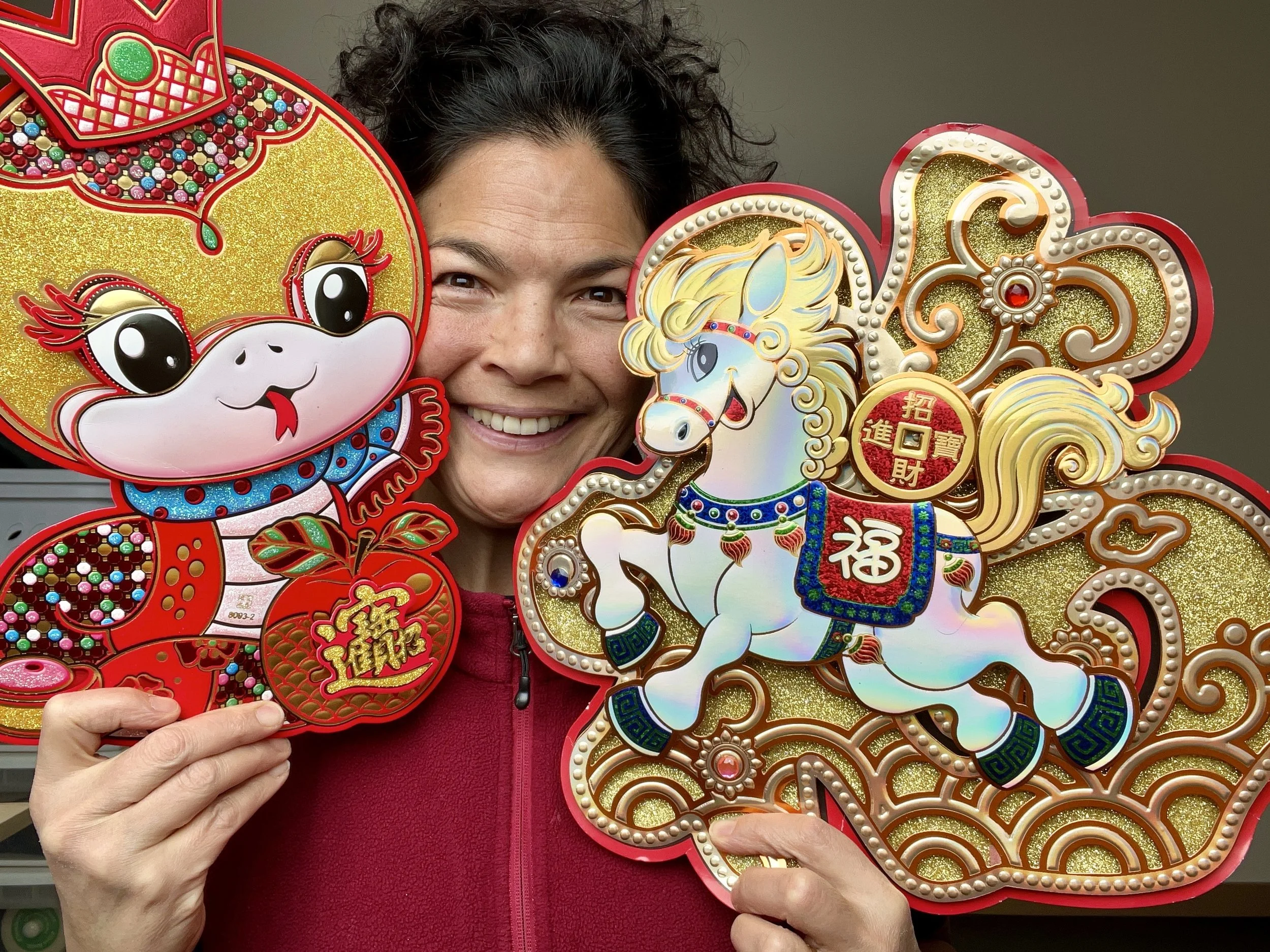
The 1989 Lunar New Year marked the official beginning of the Year of the Snake, specifically the Earth Snake, commencing on February 6, 1989. This cultural milestone brought millions of families worldwide together to perform ancestral rites, share reunion dinners, and observe centuries-old customs rooted in the Chinese lunisolar calendar.
Historical Context and the Lunisolar Calendar of 1989
The timing of the Lunar New Year shifts annually because the calendar relies on both the phases of the moon and the solar year. In 1989, the new moon occurred in early February, setting the start date for the Spring Festival on February 6. This placed the celebration within a dynamic global historical context, occurring months before major geopolitical shifts in late 1989, yet remaining entirely focused on domestic family harmony, agricultural cycles, and cultural continuity for Chinese communities globally.
Understanding the lunisolar system requires recognizing how intercalary months reconcile the lunar cycle with the solar year. While the Gregorian calendar remains fixed, the traditional calendar used for the Spring Festival ensures that the holiday aligns roughly with the awakening of spring and the preparation for agricultural planting. In 1989, communities from mainland China and Taiwan to the burgeoning diaspora in North America, Europe, and Southeast Asia synchronized their festivities to this ancient astronomical framework.
Astrological Significance of the 1989 Earth Snake
In the traditional sexagenary cycle of Chinese astrology, each year pairs one of the twelve earthly branches (animals) with one of the five elements (Wood, Fire, Earth, Metal, Water). The year 1989 corresponded to the Ji-Si (己巳) year, which designates the Earth Snake. Astrologers and practitioners of traditional philosophy viewed the Earth Snake as a figure of intelligence, intuition, calculated strategy, and steady resourcefulness, contrasting with the more volatile or outward-seeking traits associated with other elements.
The Snake occupies the sixth position in the twelve-year zodiac cycle. Those born during the 1989 Lunar New Year period were ascribed characteristics associated with the Earth element, including dependability, deep analytical capacity, and a calm exterior masking intense inner ambition. Families celebrating the festival in 1989 partook in customs designed to secure the favor of the deities, inviting wisdom, steady financial growth, and protection from misfortune for the duration of the zodiac cycle.
Traditional Preparations and Domestic Rituals
Preparations for the 1989 Lunar New Year began weeks before the actual date of February 6, following a strict ritual calendar. Households engaged in a thorough cleaning of their homes, known as "sweeping away the dust," which symbolizes clearing out the bad luck and stagnation of the previous year to make room for incoming prosperity. Windows and doors were scrubbed, and broken utensils or worn-out items were discarded or repaired.
Following the cleaning phase, families decorated their living spaces with auspicious crimson banners. Red paper scrolls featuring Spring couplets—poetic expressions wishing for health, longevity, and wealth—were pasted on doorframes. Door gods and images of the Kitchen God were updated or honored with offerings. These visual markers transformed ordinary households into sacred spaces prepared to welcome ancestral spirits and auspicious deities during the festival period.
The Significance of the Reunion Dinner
The apex of the 1989 Lunar New Year celebration was the New Year's Eve reunion dinner (Nianfan), consumed on the evening of February 5, 1989. This meal held profound social and spiritual weight, requiring all available family members to gather under one roof, even if it meant traveling long distances across national and international borders. The seating arrangement, food selection, and order of service reflected deep-rooted values of filial piety and family hierarchy.
Dishes served during the reunion dinner were deliberately chosen for their linguistic puns and symbolic associations. Whole fish represented surplus (Yu) from year to year; long noodles signified longevity; and dumplings shaped like ancient gold ingots symbolized wealth. The inclusion of specific ingredients ensured that every bite reinforced hopes for the upcoming Earth Snake year.
| Symbolic Food Item | Traditional Cantonese/Mandarin Term | Primary Cultural Significance |
|---|---|---|
| Whole Fish | Yu (魚) | Wishing for a surplus and abundance of wealth year after year. |
| Long Noodles | Changshou Mian (長壽麵) | Representing longevity and wishes for a long, healthy life. |
| Dumplings | Jiaozi (餃子) | Symbolizing wealth and family reunion due to their ingot shape. |
| Nian Gao | Nian Gao (年糕) | Signifying higher achievement, growth, and rising prosperity annually. |
Public Festivities, Parades, and Community Observances
Beyond the private confines of the family home, the 1989 Lunar New Year transformed public spaces in urban centers with significant Chinese populations. Cities such as Hong Kong, Singapore, Taipei, San Francisco, and London hosted elaborate street parades featuring lion dances, dragon dances, firecrackers, and theatrical performances designed to frighten away malevolent spirits and herald good fortune.
Public markets buzzed with commerce in the days leading up to February 6, 1989. Flower markets sold blossoming peach branches, kumquat trees, and chrysanthemums, each plant carrying specific blessings of fertility, wealth, and luck. Municipal authorities coordinated crowd control and community events, balancing traditional religious practices with modern civic celebrations as the world entered the final decade of the twentieth century.
Common Misconceptions About the Lunar New Year
A frequent point of confusion for casual observers involves treating the Lunar New Year as a single-day event or exclusively Chinese observance. In reality, the Spring Festival spans fifteen days, culminating in the Lantern Festival, with distinct rituals assigned to specific days—such as visiting married daughters on the second day or honoring the God of Wealth on the fifth day. Furthermore, variations of the lunisolar new year are celebrated across diverse Asian cultures, including Vietnamese (Tet) and Korean (Seollal) communities, each incorporating unique traditions tied to the Year of the Snake or its local equivalent.
Another common misconception is that the zodiac animal dictates a uniform fate for all individuals born within that year. Traditional practitioners emphasize that the earthly branch and element provide a baseline of tendencies, but destiny is continually shaped by personal character, moral action, and environmental influences.
Frequently Asked Questions
What exact date did the 1989 Lunar New Year fall on?
The 1989 Lunar New Year fell on Monday, February 6, 1989. This date marked the official transition into the Year of the Earth Snake according to the traditional lunisolar calendar.
Which zodiac animal and element governed the year 1989?
The year 1989 was governed by the Snake as the animal sign and the Earth element, making it an Earth Snake year. This specific combination occurs once every sixty years in the sexagenary cycle.
How long do traditional Lunar New Year celebrations last?
Traditional celebrations last for fifteen days, beginning on New Year's Eve and concluding with the Lantern Festival on the fifteenth day of the first lunar month.
What are the core symbolic meanings associated with the Snake in this tradition?
In traditional philosophy, the Snake represents wisdom, intuition, elegance, introspection, and calculated strategy. The Earth element adds stability, practicality, and resourcefulness to these traits.
Why do dates for the Lunar New Year change every year on the Gregorian calendar?
The dates change because the festival is calculated using a lunisolar calendar, which tracks both lunar moon phases and the solar year, causing the holiday to fall between late January and mid-February on the Gregorian calendar.
Ensuring Cultural Continuity and Legacy
Preserving the history of celebrations like the 1989 Lunar New Year provides essential insight into how cultural identity and familial bonds transcend geopolitical boundaries and generational shifts. Documenting these practices ensures that the historical evolution of the Spring Festival remains accessible for study, honoring the generations who maintained these traditions through decades of rapid global transformation.