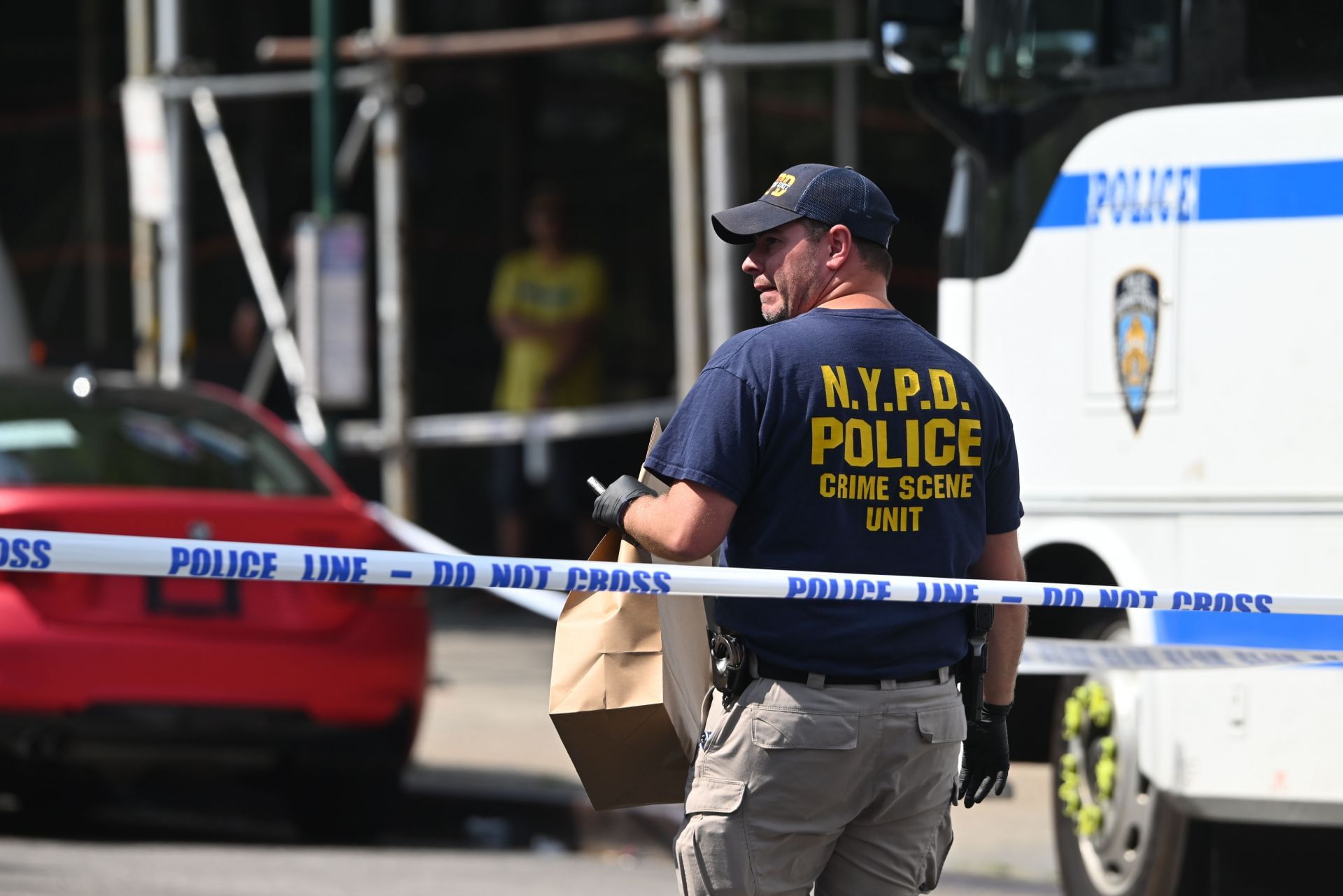
A 1988 murder investigation encompasses the criminal justice procedures, forensic methodologies, and legal frameworks applied to homicides committed during that specific year. Analyzing these historical cases requires examining the investigative techniques, evidentiary standards, and societal contexts of the late 1980s, alongside how modern cold case reviews and DNA profiling have reshaped their resolutions decades later.
The State of Criminal Investigation and Forensics in 1988
To understand any homicide investigation originating in 1988, one must first examine the technological and procedural limitations of law enforcement agencies during that era. Investigative work relied heavily on physical surveillance, witness testimony, informant networks, and traditional fingerprint collection. Unlike modern digital investigations characterized by widespread closed-circuit television coverage, mobile phone cell-site analysis, and ubiquitous electronic communication records, detectives in 1988 depended on paper trails, landline toll records, and physical evidence lockers.
Forensic science was also undergoing a profound transition. While fingerprint analysis and basic blood typing (such as ABO blood group testing) were standard operating procedures, DNA profiling was in its absolute infancy. The first forensic use of DNA profiling to secure a conviction occurred in the United Kingdom in 1986 and in the United States in 1987. Consequently, most homicide cases from 1988 collected biological evidence—such as blood, semen, or tissue—that could not be analyzed for individual genetic profiles at the time. This limitation meant that physical evidence preservation protocols varied wildly between jurisdictions, directly impacting whether a case could later be re-examined using modern molecular biology.
Common Evidentiary Challenges in Late-1980s Homicide Cases
Homicides committed in 1988 frequently encounter distinct evidentiary hurdles when subjected to contemporary legal scrutiny or cold case reviews. The passage of decades introduces significant vulnerability to the integrity of physical evidence, witness reliability, and documentary preservation.
- Evidence Degradation and Chain of Custody: Biological samples stored improperly in paper or plastic evidence bags over decades can degrade, rendering them useless for modern Short Tandem Repeat (STR) DNA testing. Furthermore, documentation regarding who handled the evidence can sometimes be incomplete by modern standards.
- Witness Availability and Memory Decay: Eyewitness testimony is inherently volatile. After decades, primary witnesses may have passed away, relocated, or experienced natural cognitive decline, making cross-examination or corroboration difficult during trial proceedings.
- Institutional Record Keeping: Before the widespread adoption of computerized police databases, investigative files, interview notes, and physical photo arrays were stored in paper case folders. Misplaced, lost, or improperly filed documents from 1988 investigations have occasionally hindered modern prosecutorial reviews.
The Evolution of Cold Case Reviews and Forensic Breakthroughs
Advances in forensic biotechnology have transformed historical homicides from 1988 into active investigative priorities. Cold case units across various jurisdictions routinely audit decades-old evidence lockers to apply scientific techniques that were unavailable to investigators at the time of the original crime.
The most significant technological leap is the refinement of Polymerase Chain Reaction (PCR) testing and the development of familial DNA searching and genetic genealogy. Even minute or degraded biological samples collected at a 1988 crime scene can now yield usable profiles. These profiles are frequently uploaded to national databases such as the Combined DNA Index System (CODIS) in the United States or equivalent international repositories to identify previously unknown suspects or link serial offenders across multiple jurisdictions.
| Investigative Era | Primary Identification Methods | Biological Evidence Handling | Digital & Electronic Footprint |
|---|---|---|---|
| 1988 | Fingerprints, ABO blood typing, eyewitnesses, physical confessions. | Stored in standard property rooms; limited genetic testing capability. | Landline toll records, physical address books, local bank statements. |
| Present Day | STR DNA, familial genealogy, phenotyping, digital forensics. | Maintained in temperature-controlled environments with strict chain-of-custody tracking. | Mobile device data, geofence warrants, cloud storage, CCTV, digital communications. |
Legal Frameworks, Statutes of Limitations, and Due Process
A fundamental characteristic of murder investigations, including those stemming from 1988, is the legal permanence of the charge. In virtually all major legal jurisdictions, including the United States, Canada, the United Kingdom, and Australia, there is no statute of limitations for murder. This means law enforcement agencies retain the legal authority to investigate, arrest, and prosecute suspects indefinitely, regardless of how many decades have passed since the offense occurred.
However, the passage of time introduces complex constitutional and procedural considerations regarding a defendant's right to a speedy trial and due process. Defense counsels in historical cases often file motions regarding pre-indictment delay, arguing that the loss of exculpatory evidence or the death of key defense witnesses prejudices their client's ability to mount a fair defense. Courts carefully balance these claims against the severity of the crime and whether the prosecution intentionally delayed the case to gain an unfair advantage.
Practical Steps in Modernizing a 1988 Homicide Investigation
When law enforcement agencies or specialized cold case task forces reopen an investigation from 1988, they typically follow a structured, multidisciplinary protocol to maximize the likelihood of a successful prosecution.
- Comprehensive File Audit: Investigators review every page of the original 1988 case file, including unpursued leads, dismissed suspect lists, and initial police logs, to identify overlooked clues or contradictions.
- Evidence Inventory and Re-testing: All surviving physical evidence is cataloged and submitted to accredited forensic laboratories for modern DNA analysis, latent fingerprint enhancement, and ballistic comparisons using computerized imaging systems like the National Integrated Ballistic Information Network (NIBIN).
- Witness Re-interviewing: Surviving witnesses, informants, and original investigators are re-interviewed. Changed life circumstances or shifting loyalties over decades frequently prompt individuals to share information they withheld in 1988.
- Investigative Genetic Genealogy (IGG): When DNA profiles obtained from crime scenes do not match existing profiles in law enforcement databases, agencies increasingly turn to IGG, combining forensic genetic profiling with public genealogical databases to construct family trees and identify potential suspects.
Frequently Asked Questions About 1988 Murder Cases
Can a person be convicted of a 1988 murder using modern DNA evidence alone?
Yes. If modern DNA profiling establishes a match between a suspect's genetic profile and biological evidence left at the 1988 crime scene, prosecutors can use that match as core physical evidence in a trial. However, the prosecution must still prove every element of the crime beyond a reasonable doubt, establishing how and why the DNA was deposited.
What happens if the original police reports or physical evidence from 1988 are lost?
If critical evidence or primary police reports are missing, prosecuting a 1988 murder becomes substantially more difficult. Without a verified chain of custody or the physical evidence itself, courts may exclude scientific test results, leaving prosecutors to rely solely on circumstantial evidence, which may not meet the threshold of proof beyond a reasonable doubt.
Are cold case units specifically funded to investigate homicides from 1988?
Many federal, state, and municipal law enforcement agencies maintain dedicated cold case squads funded by specialized federal grants, such as the U.S. Department of Justice’s National Sexual Assault Kit Initiative or cold case specific grants. These funds are specifically allocated to help jurisdictions clear backlogs of violent crimes committed during the 1970s, 1980s, and 1990s.
How do courts handle the death of original witnesses in decades-old trials?
If an original witness dies before a trial commences, their prior sworn testimony from preliminary hearings or grand jury proceedings may sometimes be admitted into evidence under strict hearsay exceptions, provided the defense had a prior opportunity to cross-examine them. However, the inability to question a witness live before a modern jury is a significant hurdle for prosecutors.
What is Investigative Genetic Genealogy and how does it apply to 1988 cases?
Investigative genetic genealogy is the practice of uploading an unknown suspect's or unidentified victim's DNA profile from a crime scene to consumer genetic genealogy databases to find distant cousins. Researchers then build family trees backward to identify potential ancestors and pinpoint the suspect. This technique has successfully resolved numerous violent crimes dating back to the late 1980s.
Next Actions and Investigative Resources
For individuals seeking specific details regarding historical criminal investigations, public records requests submitted under freedom of information laws or state-level open records statutes are the primary mechanism for accessing non-confidential police files. Families of victims and legal professionals should coordinate directly with municipal police department cold case divisions, state police archives, or relevant crown prosecutor offices to inquire about the active status of an unresolved 1988 case file and request evidence reviews utilizing advanced forensic protocols.