The year 1988 marked a transformative period in cinema history, characterized by a unique collision of high-concept action blockbusters, gritty independent breakthroughs, and technical milestones that reshaped the entertainment landscape. Positioned between the commercial excess of the early 1980s and the digital revolution of the 1990s, productions from this era utilized advanced practical effects, gritty storytelling, and evolving genre conventions to leave a lasting impact on global popular culture.
Historical Context and Industry Dynamics in 1988
The late 1980s Hollywood studio system operated under distinct economic and creative pressures. Major studios were increasingly reliant on high-concept storytelling and reliable franchises, yet the box office also demonstrated an appetite for riskier, genre-bending narratives. The 1988 film landscape reflected these dual impulses, balancing blockbuster spectacles with tightly wound thrillers and subversive comedies.
Labor conditions also played a crucial role in shaping the year's output. The 1988 Writers Guild of America strike, which lasted for 22 weeks from March to August, severely disrupted television production and influenced the scheduling, writing, and post-production timelines of several major motion pictures. Despite these industry hurdles, filmmakers delivered an enduring catalog of work that continues to be analyzed by film historians, cultural critics, and modern audiences.
The global box office during this period experienced international expansion, particularly in Asian and European markets, paving the way for the modern worldwide release strategy. Studios began recognizing that domestic box office returns alone could no longer sustain escalating production and marketing budgets. This economic reality accelerated the production of universally appealing action spectacles and high-stakes thrillers designed to transcend language barriers through dynamic visual storytelling.
Defining Masterpieces and Genre Shifts
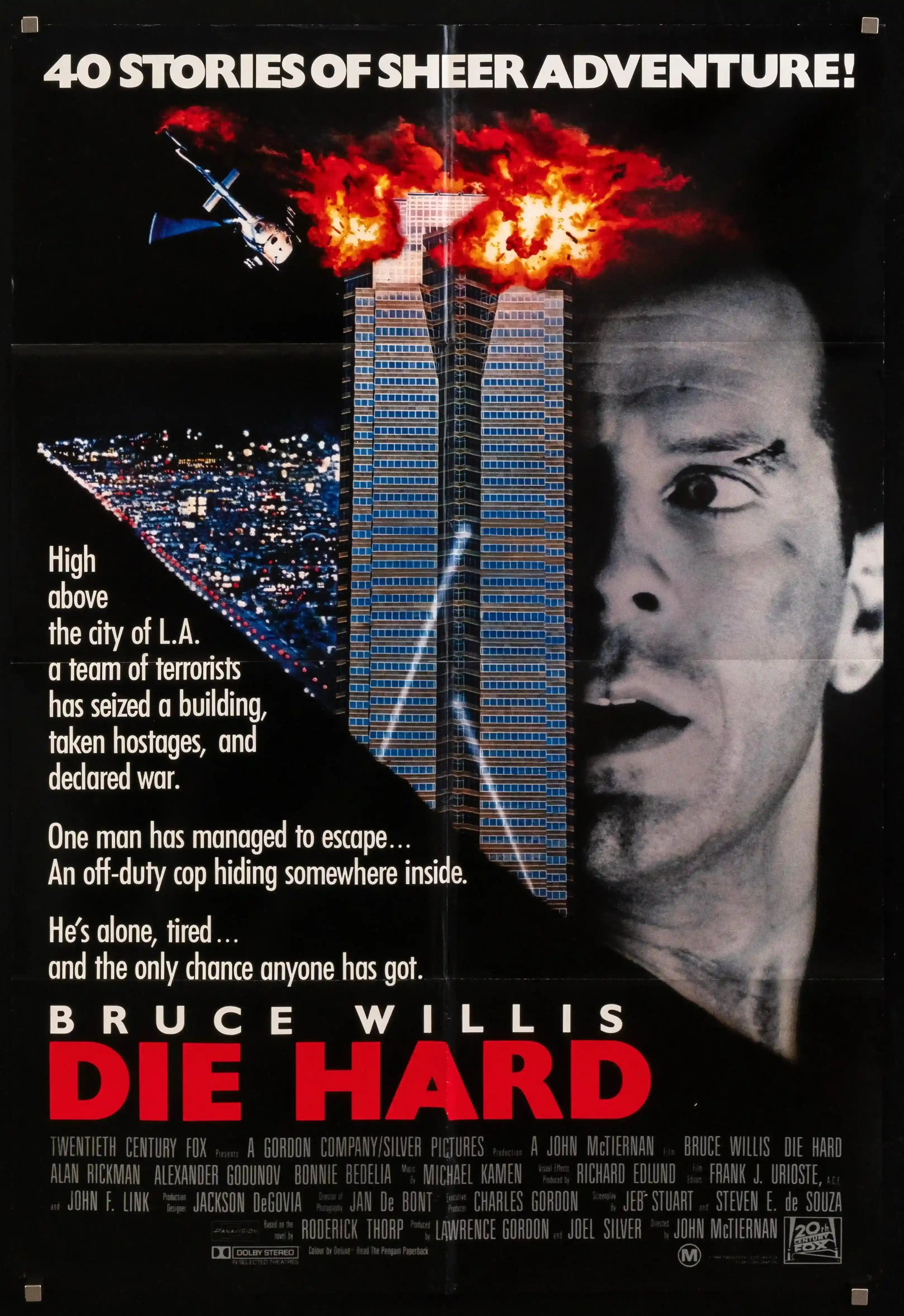
The cinema of 1988 is frequently celebrated for redefining established genres, particularly the action thriller and psychological drama. The release of John McTiernan’s Die Hard fundamentally altered the action genre by introducing the vulnerable, everyday protagonist—John McClane—who suffered physical injuries and emotional exhaustion over the course of a single, contained night. This departed sharply from the invincible, muscle-bound heroes who dominated the mid-1980s box office, establishing a new template for modern blockbusters.
Concurrently, the year yielded significant contributions to animation, horror, and comedy:
- Animation: Hayao Miyazaki’s My Neighbor Totoro and Isao Takahata’s Grave of the Fireflies premiered as a double feature in Japan, cementing Studio Ghibli’s reputation for profound emotional resonance and artistic mastery in animated storytelling.
- Horror and Dark Comedy: Tim Burton’s Beetlejuice introduced audiences to a stylized, gothic-surrealist aesthetic that balanced macabre humor with commercial viability, establishing Burton as a major auteur.
- Crime Drama and Mystery: Martin Scorsese’s The Last Temptation of Christ ignited global cultural and religious debates, highlighting the enduring power of cinema to provoke socio-political discourse.
| Film Title | Primary Genre | Director | Major Cultural Impact / Milestone |
|---|---|---|---|
| Die Hard | Action / Thriller | John McTiernan | Redefined the modern action hero archetype and spawned a multi-film franchise. |
| My Neighbor Totoro | Animation / Fantasy | Hayao Miyazaki | Established Studio Ghibli as a global leader in poetic, hand-drawn animation. |
| Beetlejuice | Comedy / Fantasy | Tim Burton | Popularized gothic-surrealist design sensibilities in mainstream Hollywood. |
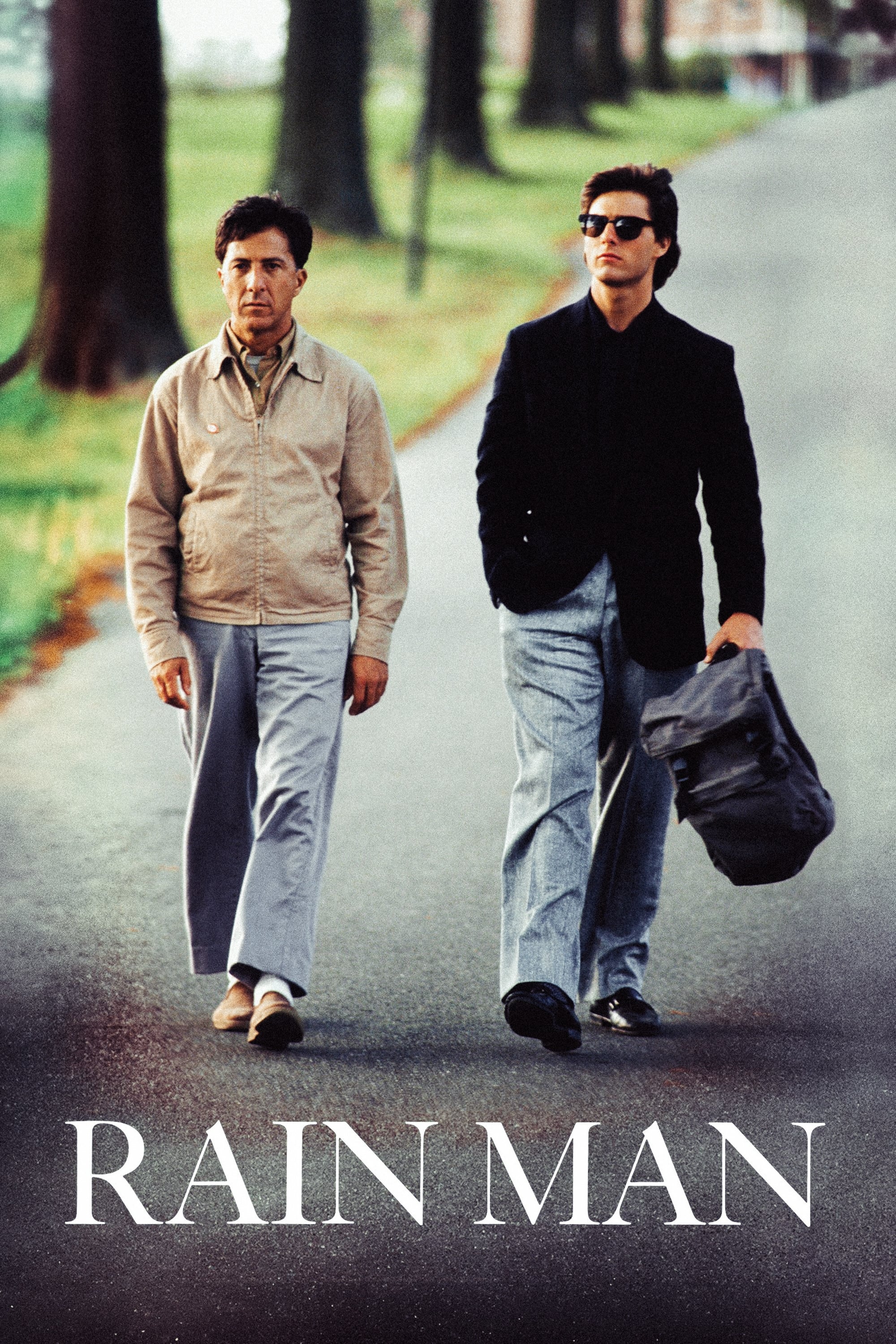
| Rain Man | Drama | Barry Levinson | Won Academy Awards for Best Picture, Director, Actor, and Original Screenplay. |
| The Naked Gun | Comedy | David Zucker | Solidified the modern slapstick parody format for subsequent decades. |
Technical Innovations and Practical Effects
Before the widespread adoption of computer-generated imagery (CGI) in the 1990s, 1988 films relied heavily on sophisticated practical effects, miniature models, matte paintings, and optical compositing. These techniques required meticulous planning and execution during principal photography, as errors could rarely be corrected digitally in post-production.
Robert Zemeckis’s Who Framed Roger Rabbit represented a watershed moment in visual effects. By seamlessly blending live-action footage with traditional hand-drawn animation in the same cinematic space, the production pushed the boundaries of optical printing. Animators meticulously matched lighting, shadows, and reflections onto the animated characters to ensure they appeared physically present in the live-action environments.
Similarly, makeup effects achieved new levels of realism and grotesque creativity. Practical monster effects, animatronics, and prosthetic transformations allowed filmmakers to realize complex creatures and physical injuries with tangible weight and texture. This tactile approach to filmmaking gave 1988 productions a distinct visual grit that continues to be praised by contemporary filmmakers seeking alternatives to digital gloss.
Critical Reception and Awards Recognition
The awards season following the 1988 release calendar reflected a growing appreciation for grounded, character-driven dramas alongside major studio entertainments. Barry Levinson’s Rain Man, which explored the complex relationship between a self-absorbed car dealer and his autistic savant brother, dominated the 61st Academy Awards. The film won Academy Awards for Best Picture, Best Director for Levinson, Best Original Screenplay, and a Best Actor win for Dustin Hoffman.
Critical discourse during this era was heavily driven by prominent newspaper critics, syndicated television reviewers, and specialized film journals. Publications analyzed films not only as standalone artistic expressions but as barometers of shifting cultural anxieties toward technology, family structures, and corporate greed. The financial success of films like Big, directed by Penny Marshall, demonstrated that critics and audiences alike valued narratives exploring innocence, identity, and consumer culture.
Long-Term Legacy and Archival Preservation
Decades after their initial theatrical runs, many motion pictures from 1988 have achieved classic status, sustained by home video iterations, streaming platforms, and repertory cinema screenings. Archival institutions, such as the Academy Film Archive and the Library of Congress’s National Film Registry, have prioritized the preservation of culturally significant works from this year to protect them from nitrate decay, physical degradation, and format obsolescence.
The endurance of these films lies in their narrative structure and practical craftsmanship. As modern cinema increasingly relies on digital workflows, the tangible texture of 1988 filmmaking serves as an enduring benchmark for physical production design, stunt coordination, and character-driven screenwriting. Film scholars frequently revisit the period to examine how studios managed the economic transition into the final decade of the twentieth century.
Frequently Asked Questions
What made the 1988 film Die Hard so influential to the action genre?
Die Hard broke away from the invincible action hero archetype popularized earlier in the decade by casting an everyman protagonist who sustained physical injuries, felt fear, and relied on wit and resourcefulness. This approach established a narrative blueprint for subsequent action thrillers, shifting the focus toward vulnerability and high-stakes tension.
How did the 1988 Writers Guild of America strike affect movie production?
The 22-week WGA strike in 1988 severely disrupted writing schedules, causing studios to rush scripts into production before the strike began or rely heavily on completed projects. While television was impacted most immediately, film productions faced post-production hurdles and altered release calendars as studios navigated the labor stoppage.
Which 1988 film won the Academy Award for Best Picture?
Rain Man, directed by Barry Levinson and starring Dustin Hoffman and Tom Cruise, won the Academy Award for Best Picture at the 61st Academy Awards held in early 1989. The film also secured victories for Best Director, Best Actor, and Best Original Screenplay.
What technical achievement is associated with Who Framed Roger Rabbit (1988)?
The film achieved a groundbreaking integration of live-action footage and traditional 2D animation within the same frame. By using complex optical printing and hand-painted lighting adjustments, the production made animated characters appear to interact naturally with live-action actors and physical sets.
Are 1988 films still preserved in national archives today?
Yes, many significant titles from 1988 have been selected for preservation by institutions like the Library of Congress’s National Film Registry. These preservation efforts involve creating archival film elements and digital restorations to protect the works for future generations of historians and audiences.
Navigating and Collecting 1988 Cinema Today
For enthusiasts, researchers, and collectors seeking to explore or preserve cinema from this era, focusing on original distribution formats, restoration notes, and archival releases provides a deeper appreciation of the period. When sourcing classic 1988 titles on physical media, prioritize verified boutique Blu-ray and 4K UHD releases that utilize original camera negatives and uncompressed audio tracks rather than heavily processed digital transfers. Consulting established film databases and academic journals will also yield verified production histories, primary source interviews, and critical analyses that contextualize the enduring legacy of 1988 filmmaking.