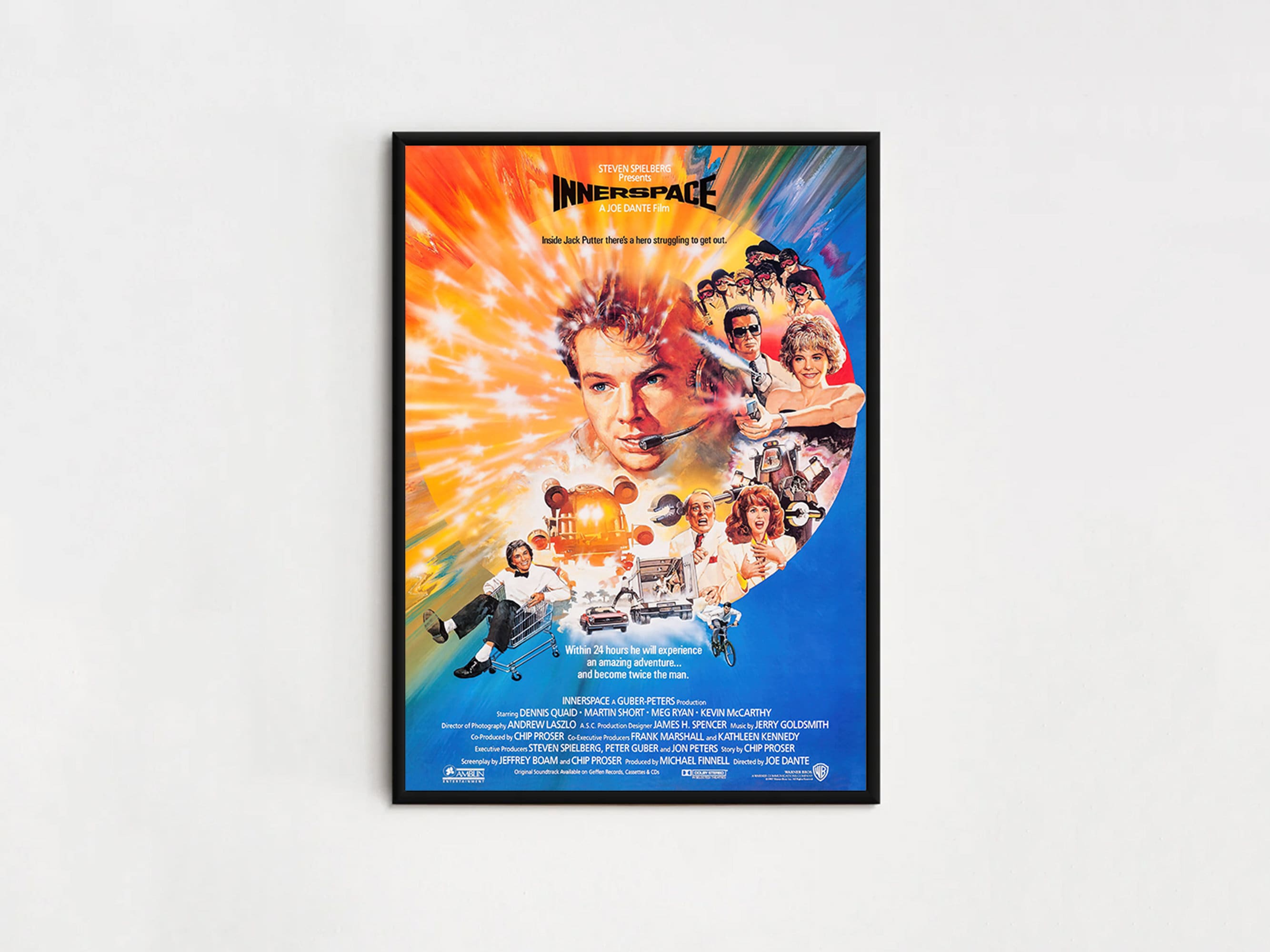
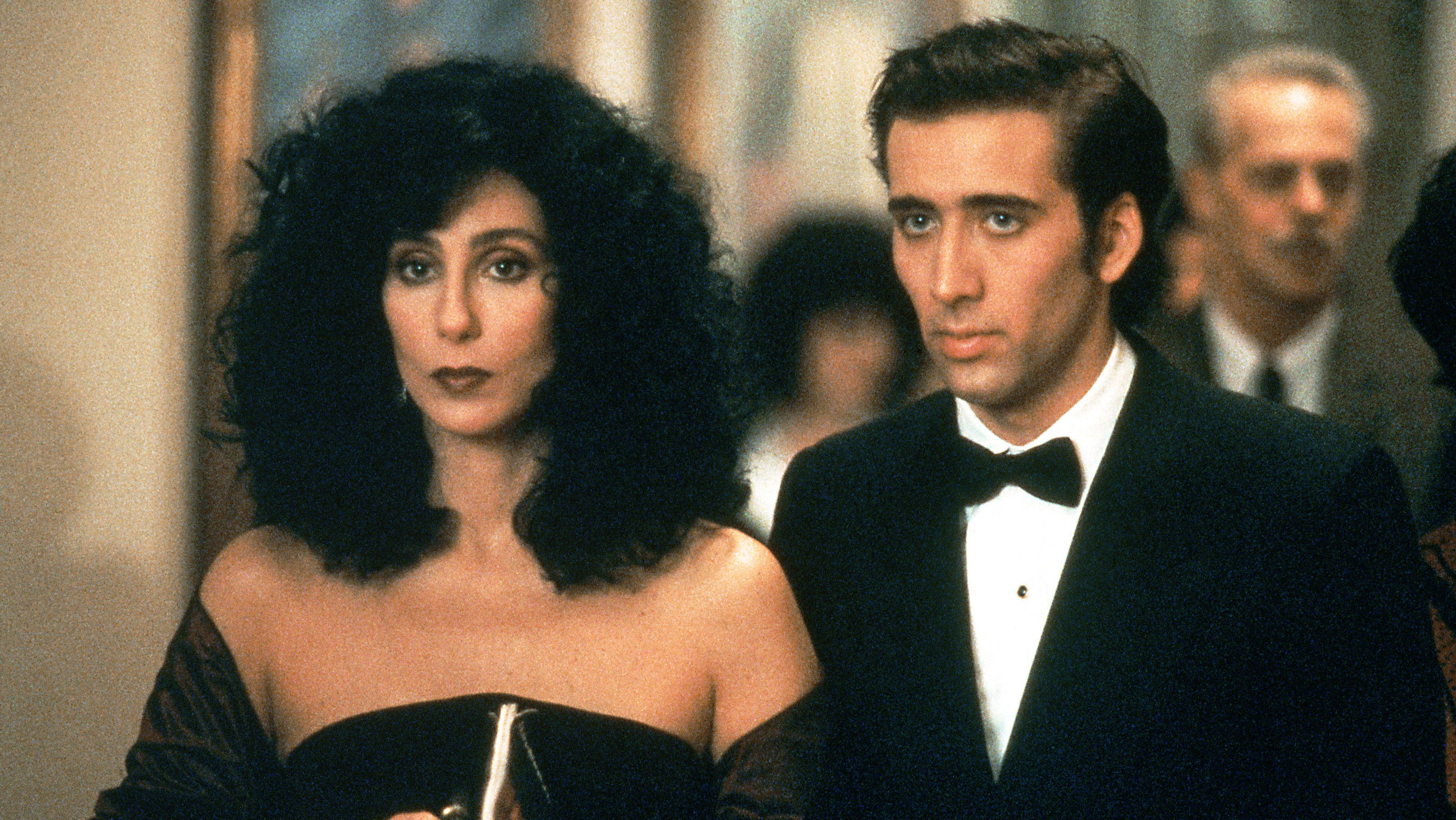
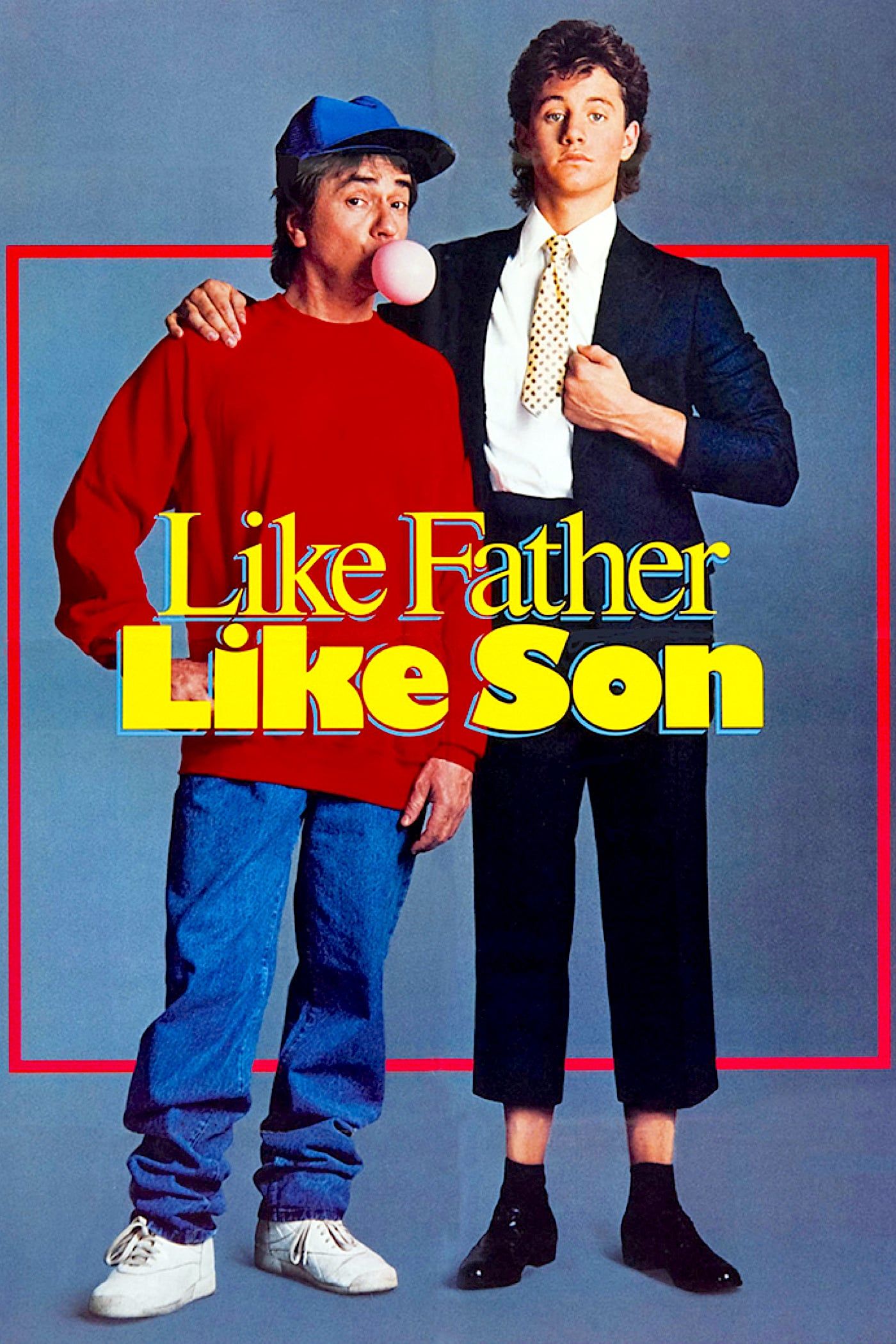
The year 1987 stands as a remarkably vibrant and transformative period in cinema history, characterized by a unique blend of high-concept action blockbusters, gritty urban thrillers, pioneering science fiction, and enduring comedies that continue to shape modern popular culture.
Historical Context and Industry Dynamics of 1987 Cinema
The cinematic landscape of 1987 was defined by a transition in studio filmmaking, where traditional Hollywood formulas collided with burgeoning technological advancements and changing audience demographics. During this era, major studios increasingly relied on high-concept premises that could be easily marketed through trailers and merchandising, yet directors still found space to inject gritty realism and complex character studies into mainstream projects. The box office was fiercely competitive, driven by rising ticket prices, the rapid expansion of the home video market via VHS, and the growing influence of cable television. This dual revenue stream allowed studios to take calculated risks on ambitious productions, leading to a diverse slate of releases that ranged from low-budget independent features to massive international spectacles.
At the same time, the regulatory and cultural environment influenced the types of stories that made it to the screen. Action cinema was undergoing a muscular evolution, shifting from the raw vigilante narratives of the late 1970s and early 1980s toward hyper-stylized spectacles featuring larger-than-life protagonists. Simultaneously, comedy was breaking away from traditional slapstick to embrace satirical, cynical, and high-concept premises that reflected the anxieties and aspirations of the late Cold War era. Understanding the 1987 movie canon requires examining how these economic pressures and creative impulses converged to produce enduring works of art and entertainment.
Defining Masterpieces and Genre-Defining Releases
The year produced several landmark films that established new paradigms within their respective genres, many of which launched lucrative multi-film franchises or defined the aesthetic of late-20th-century Hollywood. Science fiction and action intersected brilliantly in films that utilized groundbreaking practical effects, animatronics, and stunt work before the widespread adoption of digital computer-generated imagery. These technical limitations forced filmmakers to rely on tactile, physical world-building, lending a gritty authenticity to futuristic and contemporary settings alike.
In the realm of action and science fiction, Paul Verhoeven’s RoboCop offered a biting satirical take on corporate greed and urban decay, wrapped in a visceral sci-fi package that utilized state-of-the-art special effects and stop-motion animation by Phil Tippett. Similarly, John McTiernan’s Predator fused the conventions of the military commando film with terrifying science-fiction horror, creating a masterclass in tension and pacing that cemented Arnold Schwarzenegger’s status as a global action icon. Meanwhile, fantasy and adventure found a beloved entry in The Princess Bride, directed by Rob Reiner, which expertly subverted fairy tale tropes through witty meta-narratives and unforgettable swashbuckling choreography.
| Film Title | Primary Genre | Key Director | Notable Cultural Impact |
|---|---|---|---|
| RoboCop | Science Fiction / Action | Paul Verhoeven | Pioneered satirical cyberpunk aesthetics and practical effects. |
| Predator | Action / Sci-Fi Horror | John McTiernan | Redefined the sci-fi action hybrid and military thriller subgenre. |
| The Princess Bride | Fantasy / Comedy | Rob Reiner | Created an enduring template for meta-fictional fairy tales. |
| Fatal Attraction | Psychological Thriller | Adrian Lyne | Popularized the modern domestic psychological thriller trope. |
| Wall Street | Drama | Oliver Stone | Captured the financial ethos and corporate culture of the 1980s. |
The Evolution of Thrillers and Social Dramas
Beyond high-concept blockbusters, 1987 was a banner year for adult-oriented dramas and psychological thrillers that captured the cultural zeitgeist of the Reagan era. Adrian Lyne’s Fatal Attraction became a massive cultural phenomenon, igniting public discourse about fidelity, morality, and the perils of suburban temptation while setting the box office alight. The film demonstrated that character-driven thrillers could command the same commercial dominance as action-oriented tentpoles, appealing directly to mature audiences seeking suspense grounded in realistic relationship dynamics.
Simultaneously, Oliver Stone’s Wall Street delivered a searing examination of corporate ethics, greed, and the burgeoning financial hubris of the decade. Through Michael Douglas’s iconic portrayal of Gordon Gekko and his famous "Greed is good" ethos, the film captured the economic transformation of the United States, deeply influencing real-world perceptions of Wall Street traders and inspiring generations of professionals in finance. These dramatic releases proved that 1987 cinema was not solely preoccupied with escapism, but was also deeply engaged in critiquing contemporary social and economic structures.
The Cultural Legacy and Preservation of 1987 Cinema
Decades after their initial theatrical runs, the films of 1987 continue to occupy a prominent position in film historiography and popular culture. The enduring appeal of these cinematic works has driven extensive preservation efforts, ranging from high-definition digital restorations by organizations like the Criterion Collection to specialized theatrical re-releases. Film historians study this era as a pivotal bridge between the auteur-driven New Hollywood movement of the 1970s and the corporate-driven blockbuster ecosystem of the 1990s.
Furthermore, the influence of 1987 cinema is clearly visible in contemporary media, where nostalgia for the practical effects, synth-heavy musical scores, and narrative structures of the period remains strong among filmmakers and audiences alike. Franchises born or significantly shaped during this year continue to receive sequels, remakes, and television adaptations, proving that the creative output of 1987 possessed a foundational durability that extends far beyond its original historical moment.
Frequently Asked Questions
What were the highest-grossing movies released in 1987?
The commercial landscape of 1987 was led by major studio releases that captured international box office attention. Notable commercial successes included Fatal Attraction, which topped the domestic box office, alongside other massive hits like Three Men and a Baby, Beverly Hills Cop II, and Good Morning, Vietnam. These films demonstrated a balanced audience appetite for high-stakes thrillers, broad comedies, and star-driven dramas.
How did practical effects define the action and sci-fi movies of 1987?
Filmmakers in 1987 relied almost exclusively on practical effects, including animatronics, intricate makeup appliances, miniatures, and optical compositing. Without digital CGI to erase imperfections, artists had to engineer physical solutions for monsters, futuristic machinery, and explosive stunts. This hands-on craftsmanship gives films from this era a tangible, heavy realism that distinguishes them from modern digital blockbusters.
Which 1987 films received major Academy Award recognition?
The 60th Academy Awards, honoring films released in 1987, saw Bernardo Bertolucci’s historical epic The Last Emperor sweep the ceremony, winning nine Oscars including Best Picture and Best Director. Other celebrated nominees included Moonstruck, which earned Cher the Best Actress award, and Fatal Attraction, which secured multiple major nominations across acting and writing categories.
Why is 1987 considered a significant year for cinematic comedy?
The year marked a major turning point for comedy by popularizing high-concept setups and sophisticated satire that appealed to both adults and teenagers. Films like Broadcast News, Raising Arizona, and Spaceballs introduced distinct comedic voices that blended sharp social commentary with absurdism, paving the way for the stylistic shifts in comedy writing that dominated the following decade.
How can modern audiences stream or purchase classic 1987 movies?
Most major films from 1987 are widely available across various subscription streaming platforms, digital video-on-demand storefronts, and physical media formats such as Blu-ray and 4K Ultra HD. Specialized boutique labels frequently release director-approved restorations complete with extensive archival documentaries, audio commentaries, and behind-the-scenes featurettes for collectors and cinephiles.
Navigating the Filmography of 1987
For enthusiasts looking to dive deeper into the cinematic output of 1987, approaching the year by genre offers the most rewarding viewing experience. Start by examining the foundational sci-fi and action blockbusters that established modern technical standards, then transition to the gritty urban dramas and psychological thrillers that defined the cultural anxieties of the decade. Maintaining an awareness of the historical production constraints—such as the reliance on practical stunts and analog editing—enhances appreciation for the technical achievements embedded within these timeless motion pictures.