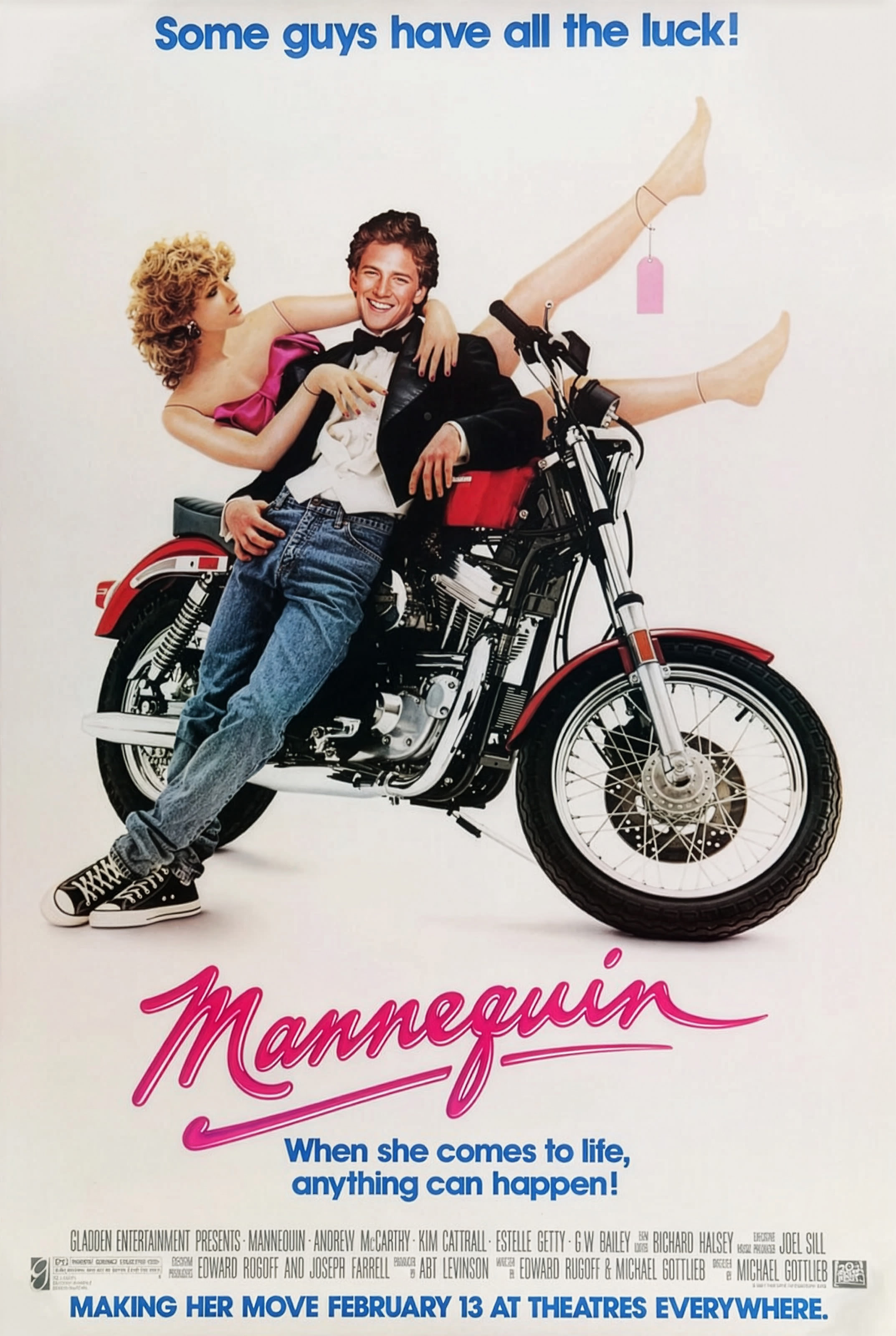
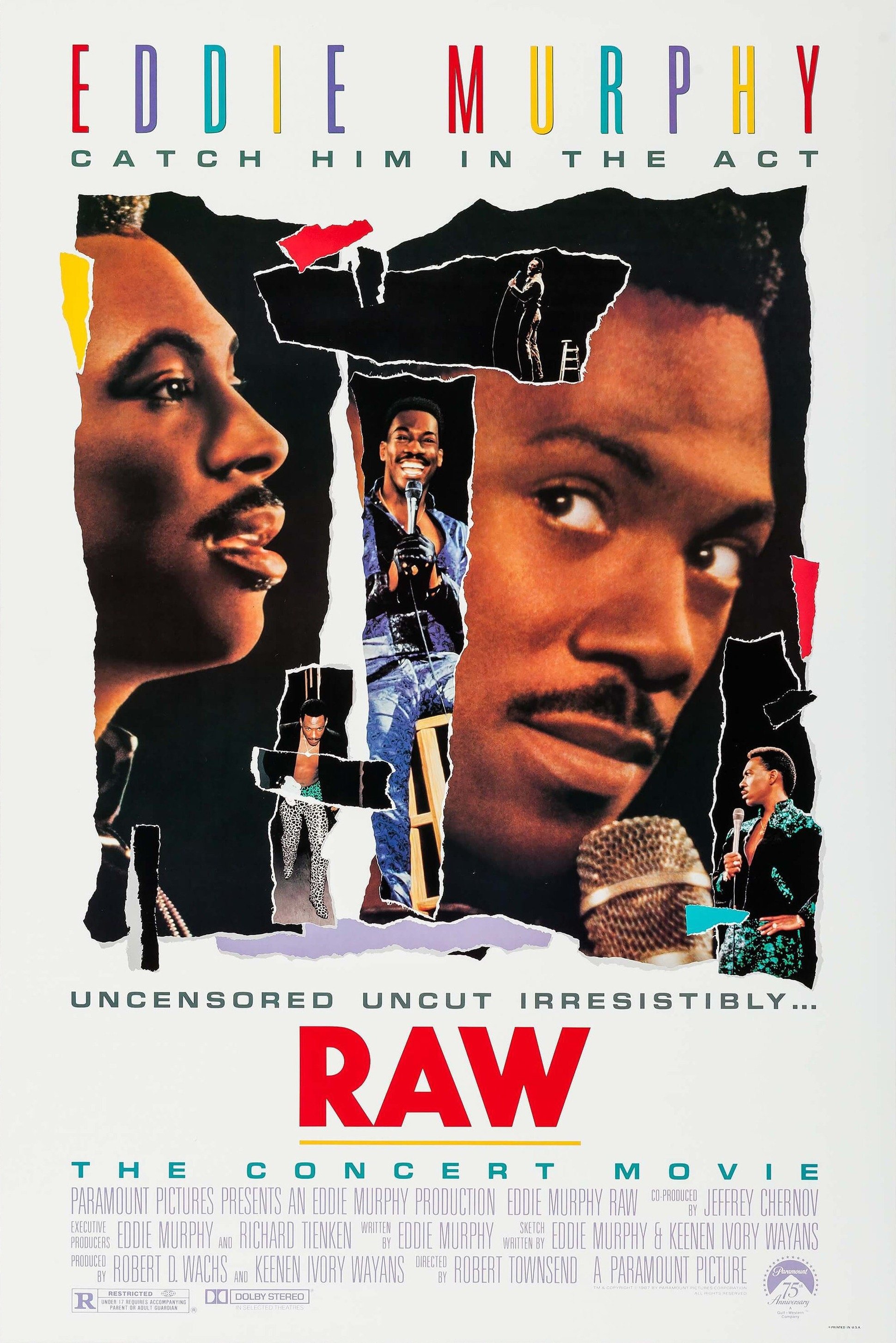
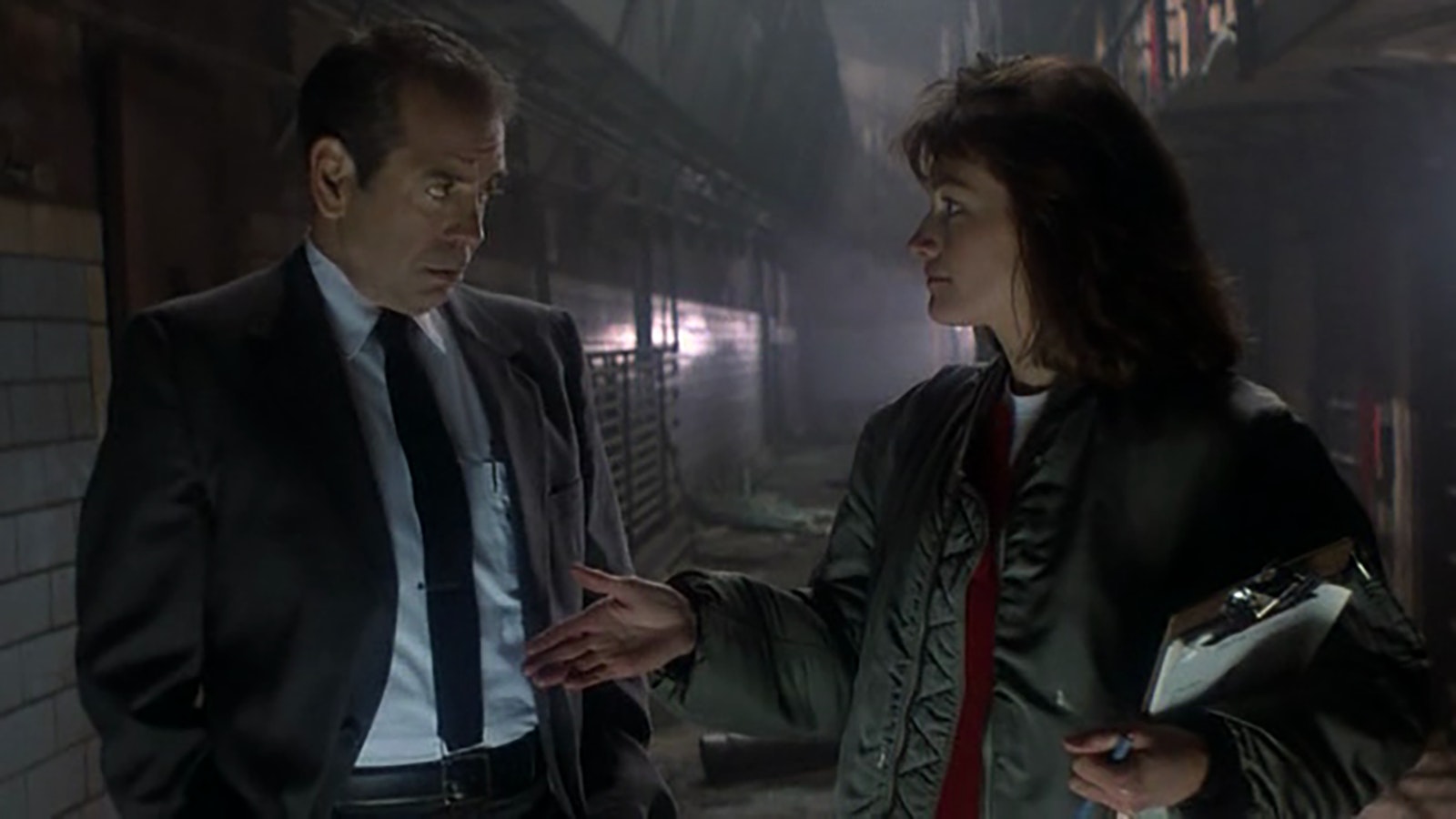
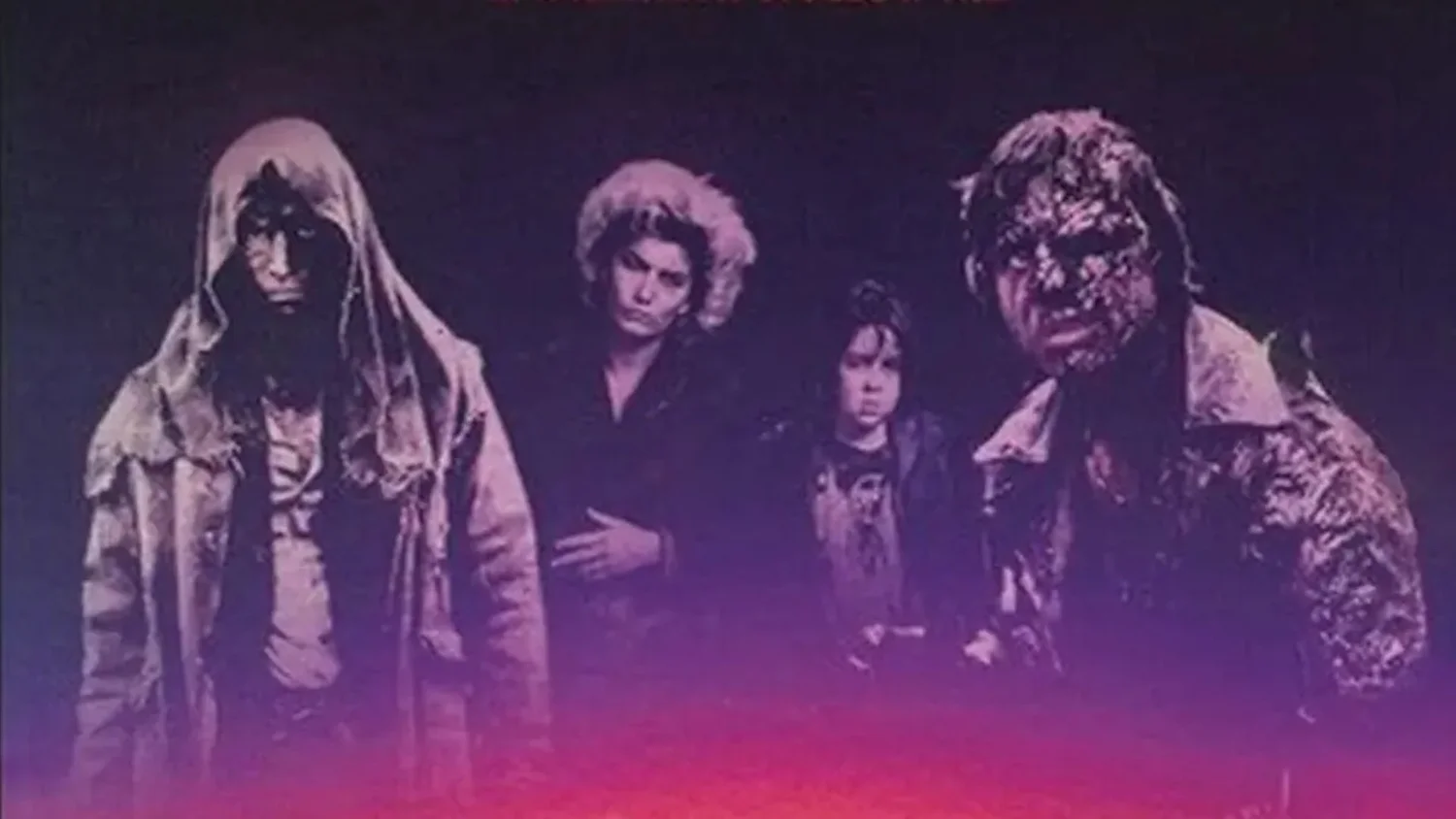
The 1987 film cast landscape represents a monumental era in cinematic history, defined by ensemble breakouts, career-defining turns by veteran actors, and breakthrough performances that launched enduring Hollywood careers. Exploring these casts reveals how strategic casting choices shaped iconic dramas, action blockbusters, and comedies of that specific production year.
The Cultural and Historical Significance of 1987 Cinema
The year 1987 stands as a distinct inflection point in motion picture history, bridging the high-concept action and gritty realism of the late 1970s and early 1980s with the slick, blockbuster-driven sensibilities of the decade's close. Examining the 1987 film cast environment requires understanding the economic and creative forces operating within Hollywood at that time. Studio production was shifting toward high-stakes, star-driven vehicles, yet independent and mid-budget studio pictures still regularly relied on eclectic, deeply experienced ensemble casts to anchor complex narratives.
During this era, casting directors and directors wielded substantial influence, often pairing classical stage-trained actors with rising television stars or pop culture figures. This cross-pollination of talent produced distinct on-screen chemistry that continues to resonate with modern audiences. From gritty crime thrillers set in urban landscapes to whimsical romantic comedies and sci-fi action hybrids, the ensemble dynamics of 1987 films established templates for character-driven storytelling that remain influential. Recognizing the composition of these casts illuminates not only the individual performances that won critical acclaim, but also the collaborative nature of filmmaking during a transitional period for the global entertainment industry.
Defining Ensembles in Breakthrough Dramas and Thrillers
Dramatic features and tense thrillers released in 1987 frequently depended on tight-knit, highly contrasting casts to generate psychological tension and emotional resonance. Films such as Wall Street, The Untouchables, and Fatal Attraction utilized carefully balanced rosters of seasoned character actors and magnetic leads. In these productions, the supporting cast often provided the moral compass, institutional resistance, or atmospheric texture necessary to make heightened cinematic premises believable.
For instance, the interplay between veteran presence and rising talent allowed directors to explore complex thematic material—ranging from corporate greed and systemic corruption to domestic psychological terror—with nuance. The casting process involved rigorous chemistry reads and a careful balancing of star power with raw dramatic utility. Actors who had spent decades honing their craft in regional theater or television guest spots found themselves cast alongside emerging box-office draws, creating a dynamic tension that elevated the written material. This era demonstrated that a well-rounded supporting cast could transform a standard genre exercise into a culturally significant touchstone.
Action Blockbusters and the Evolution of the Leading Man
The action genre underwent a profound transformation in 1987, heavily influenced by physical performers who redefined the cinematic hero. Productions like Predator, RoboCop, and Lethal Weapon demanded casts capable of balancing high-octane physical stunts with distinctive comedic or deadpan delivery. Rather than relying solely on traditional, polished leading men, these films elevated athletes, martial artists, and charismatic television veterans to prominent cinematic status.
| Film Title | Primary Lead | Key Supporting Cast Members | Notable Ensemble Dynamic |
|---|---|---|---|
| Predator | Arnold Schwarzenegger | Carl Weathers, Jesse Ventura, Bill Duke | Elite military unit dynamic characterized by masculine camaraderie and escalating tension. |
| The Untouchables | Kevin Costner | Sean Connery, Andy García, Robert De Niro | Clash of moral idealism, seasoned mentorship, and operatic villainy. |
| Wall Street | Charlie Sheen | Michael Douglas, Martin Shilling, Daryl Hannah | Intergenerational conflict pitting corporate ruthlessness against ethical awakening. |
| Lethal Weapon | Mel Gibson | Danny Glover, Gary Busey, Mitchell Ryan | Buddy-cop formula balancing reckless instability with grounded, weary professionalism. |
Surrounding these primary leads were robust supporting ensembles that grounded fantastical or hyper-violent premises in tangible human stakes. In Predator, the supporting military unit featured a diverse mix of actors, writers, and former athletes, creating a palpable sense of shared history and authentic camaraderie. This careful attention to ensemble casting ensured that the audience invested emotionally in the characters before the narrative escalated into survival horror.
Comedy Ensembles and the Rise of New Comic Voices
Comedy in 1987 thrived on contrasting comic sensibilities, combining the anarchic energy of Saturday Night Live alumni and rising stand-up comedians with traditional comedic actors. Films like Broadcast News, Raising Arizona, and Spaceballs showcased how distinct comedic timing and character actor versatility could sustain complex tonal shifts. In romantic comedies and satirical works, the supporting cast functioned as a Greek chorus, offering commentary on the central romance or absurd premise.
Directors relied heavily on improvisational skill and deep bench strength from the theatrical community. Performers who specialized in eccentric character work found ample opportunity to steal scenes, establishing archetypes that would influence comedic writing for decades. The interplay between straight-laced protagonists and unpredictable supporting players created a comedic friction essential for maintaining narrative momentum across feature-length runtimes.
Career Trajectories and Lasting Legacy of 1987 Performers
The longevity of the talent pool from 1987 speaks volumes about the casting decisions made during pre-production. Many actors who secured supporting roles or breakthrough leads in these projects transitioned into multi-decade careers, eventually commanding their own major studio projects or transitioning successfully into prestige television and directing.
Analyzing these career arcs reveals patterns in how Hollywood identified and nurtured talent. The rigorous demands of shooting on film stock, combined with practical special effects and demanding physical schedules, forged resilient performers. Furthermore, the cultural footprint of these films ensures that their casts remain subjects of retrospective analysis, documentary features, and fan appreciation societies.
Frequently Asked Questions
What defined the casting style of major 1987 motion pictures?
Casting in 1987 was characterized by a deliberate blending of established theatrical veterans, rising television stars, and physical action leads. This hybrid approach allowed studios to balance commercial box-office appeal with the dramatic depth required for complex genre storytelling.
How did action movie casts change in 1987 compared to earlier decades?
Action casts in 1987 shifted away from traditional, classically trained heroic leads toward physical performers, martial artists, and imposing athletes. These leads were supported by robust ensemble casts of character actors who provided realistic military or law enforcement camaraderie.
Were ensemble casts common in 1987 dramas?
Yes, ensemble casts were vital to 1987 dramas and thrillers. Directors utilized contrasting acting styles to mirror societal shifts, corporate anxieties, and urban tensions, ensuring that supporting characters acted as critical thematic anchors rather than mere background elements.
How can contemporary viewers verify complete cast listings for 1987 films?
Complete and verified cast listings, including uncredited extras, stunt coordinators, and voice actors, can be cross-referenced through official institutional film archives, the American Film Institute catalog, and accredited cinematic databases.
What role did television actors play in 1987 feature films?
Television actors frequently transitioned into feature films during this period, bringing established fan bases and finely tuned comedic or dramatic timing. Casting directors leveraged this familiarity to reduce the perceived risk of launching mid-budget studio projects.
Strategic Selection and Verification for Film Historians
Researchers, film historians, and casting professionals examining this era must prioritize primary production documents, trade publications from 1987, and verified credits over modern crowdsourced databases. Ensuring historical accuracy requires careful cross-referencing of contract negotiations, casting calls, and contemporaneous trade reviews to understand the true dynamics behind these legendary cinematic ensembles.