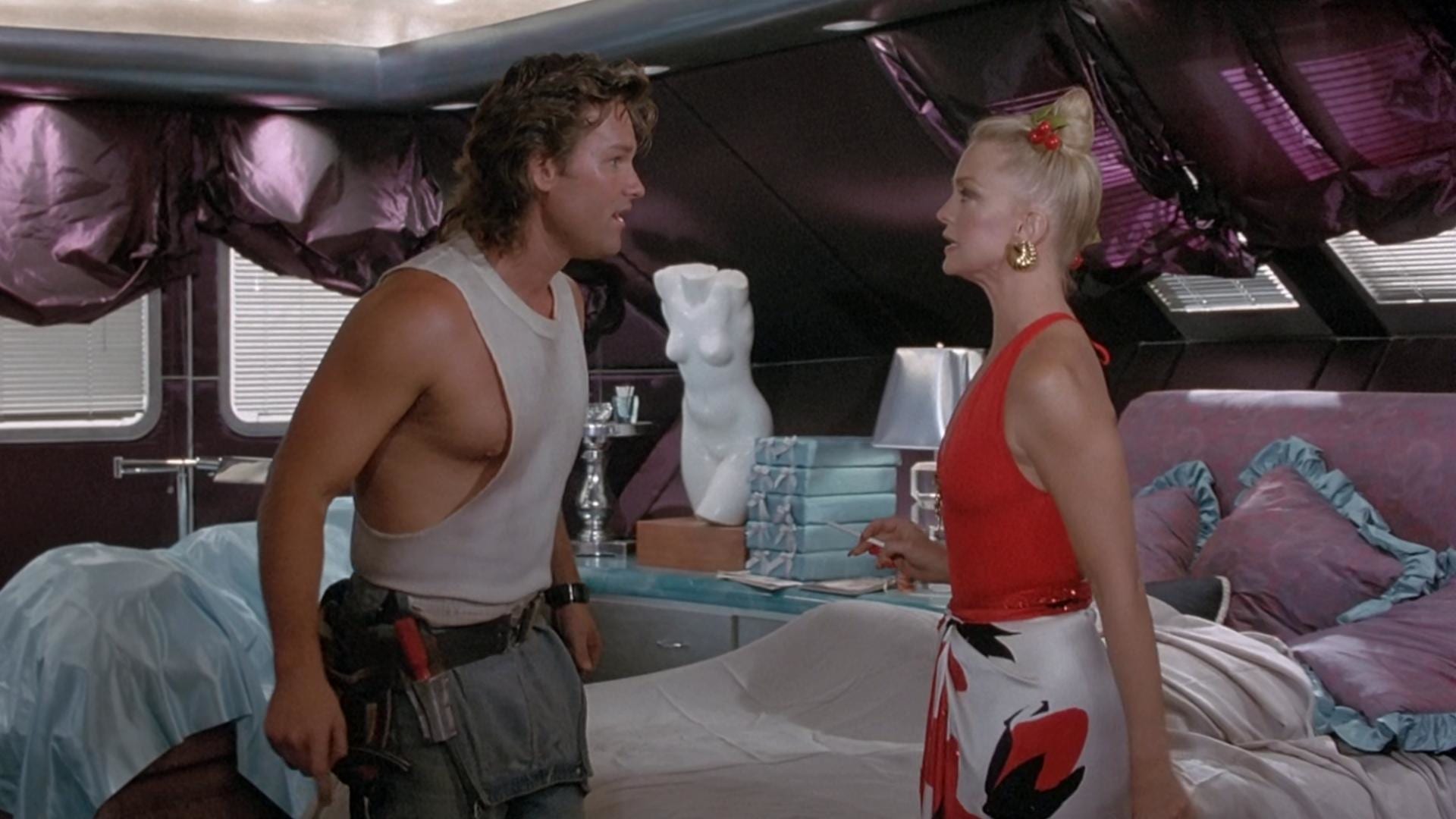
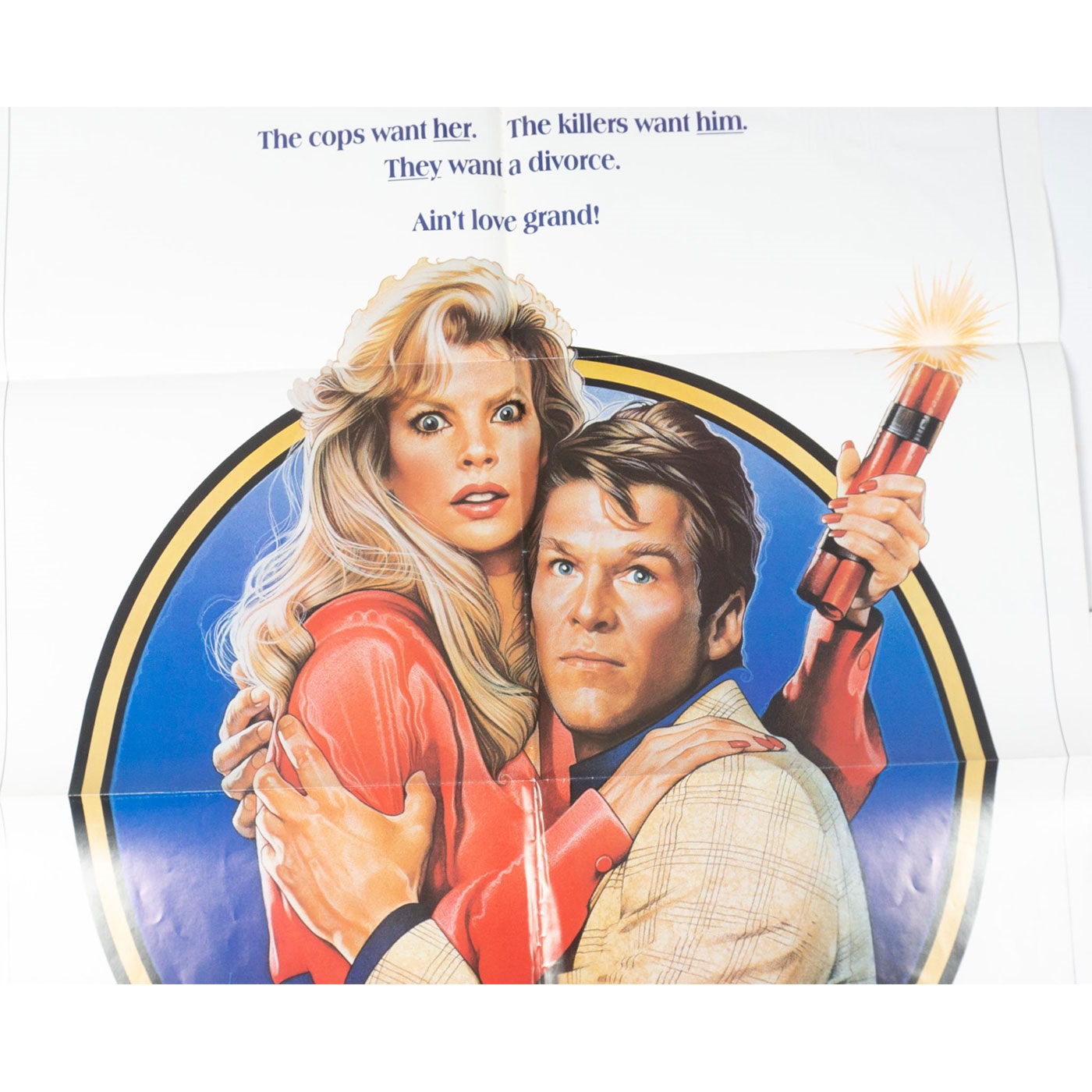
A 1987 film reflects a pivotal era in cinema history, characterized by a transition toward high-concept blockbusters, gritty urban thrillers, and a renaissance in independent filmmaking. This cinematic year balanced the lingering grit of 1970s auteur-driven storytelling with the emerging commercial sensibilities of late-twentieth-century Hollywood, producing enduring works across multiple genres.
Historical and Cultural Context of Cinema in 1987
The cinematic landscape of 1987 was shaped by significant cultural shifts, technological advancements, and economic pressures within the global film industry. During this period, major studios increasingly relied on high-concept premises that could easily translate into marketing campaigns, yet directors continued to find room for complex moral inquiries and character-driven narratives. The socio-political climate of the late 1980s—marked by shifting economic policies, geopolitical tensions, and rapid urban development—directly influenced the thematic concerns of screenwriters and filmmakers.
At the same time, the home video market was experiencing exponential growth. The widespread adoption of the VCR fundamentally altered how audiences consumed movies, allowing films to achieve secondary life and profitability long after their theatrical runs had concluded. This home-entertainment boom encouraged studios to greenlight diverse projects, knowing that genre fare, cult films, and independent releases could find profitable audiences on magnetic tape. Consequently, a 1987 film often carried a unique dual mandate: it had to capture the immediate attention of theatergoers while possessing enough repeat-viewing appeal for the burgeoning rental market.
Major Genres and Structural Shifts
The year 1987 was notable for the reinvention of established genres. Action cinema underwent a significant transformation, moving away from solitary, muscle-bound heroes toward buddy-cop dynamics and technologically augmented narratives. Simultaneously, science fiction and horror embraced practical special effects artistry just as digital compositing began to edge onto the horizon, creating a tactile aesthetic that defined the decade's visual language.
Comedies during this era frequently leaned into high-concept premises, suburban satire, and physical humor, reflecting changing domestic dynamics and consumer culture. Drama and romance explored contemporary cynicism alongside earnest emotional arcs, often set against corporate backdrops or shifting urban landscapes. This cross-pollination of genres ensured that a 1987 film could rarely be reduced to a single descriptive label; many of the era's most successful releases blended suspense with dark humor or integrated speculative elements into gritty realism.
| Genre Category | Defining Characteristics | Primary Market Focus | Notable Aesthetic Elements |
|---|---|---|---|
| Action & Thriller | Buddy dynamics, high-stakes plotting, tactical confrontations | Global theatrical & home video | Practical stunts, explosive set pieces, synthesized scores |
| Science Fiction | Speculative futures, industrial alienation, practical creature effects | Youth and young adult demographics | Mechanical designs, moody lighting, analog special effects |
| Comedy | Satirical social commentary, physical comedy, ensemble casts | Broad domestic release & family audiences | Bright color palettes, rapid-fire dialogue, situational setups |
| Drama & Crime | Moral ambiguity, institutional corruption, character studies | Prestige festivals & adult audiences | Gritty cinematography, location shooting, complex dialogue |
Production Technologies and Aesthetic Development
Technically, filmmaking in 1987 relied heavily on photochemical processes, optical printing, and pioneering practical effects. While computer-generated imagery was in its infancy—primarily restricted to specialized visualizations and basic wireframe graphics—artisans in makeup, animatronics, and miniature design achieved remarkable levels of realism. Practical creature effects and prosthetic makeup allowed horror and sci-fi productions to deliver visceral, tactile experiences that remain distinct from modern digital rendering.
Cinematography during this period frequently favored heavy stock film emulsions, anamorphic lenses, and stark lighting setups that emphasized mood and texture. The interplay of deep shadows, neon highlights, and naturalistic grain gave motion pictures from this era a distinct visual signature. Sound design also underwent rapid modernization, with multi-track theatrical sound systems enhancing the spatial immersion of action sequences and musical scores, which frequently integrated synthesizers with traditional orchestral arrangements.
Critical Reception and Long-Term Legacy
The critical evaluation of a 1987 film often reveals a fascinating tension between contemporary box-office performance and historical re-evaluation. Many releases that faced lukewarm critical reception or modest commercial returns upon their initial release have since been reappraised as cult classics or foundational texts within their respective genres. Conversely, certain awards-season favorites of the period have experienced shifts in critical consensus as cultural perspectives have evolved.
Film archives, academic institutions, and preservation societies play a vital role in maintaining the integrity of these works. Ensuring that prints and digital transfers accurately reflect the original aspect ratios, color grading, and audio mixes remains a priority for film historians. Through retrospective screenings, physical media restorations, and ongoing academic analysis, the cinema of this era continues to be studied as a bridge between classic Hollywood studio practices and modern multimedia production.
Frequently Asked Questions
What defined the box office trends of 1987?
The box office in 1987 was characterized by a healthy mix of high-action blockbusters, inventive comedies, and mid-budget adult dramas. Studios capitalized on recognizable stars, franchise potential, and high-concept premises that appealed to both domestic and international audiences, supported by the growing revenue stream of the home video rental market.
How did practical effects impact films released in 1987?
Practical effects—including animatronics, stop-motion animation, optical illusions, and advanced prosthetic makeup—formed the core of visual storytelling in science fiction, horror, and action genres. These techniques required meticulous pre-planning and physical craftsmanship, resulting in tangible, highly detailed on-screen elements that interacted directly with actors and real lighting conditions.
Are films from 1987 still relevant to contemporary cinema?
Many releases from 1987 continue to influence modern filmmaking through established genre tropes, narrative structures, and character archetypes. Contemporary directors frequently draw aesthetic and storytelling inspiration from the gritty realism, practical craftsmanship, and bold tonal shifts characteristic of this cinematic period.
Where can classic films from 1987 be viewed today?
Most notable titles are accessible through various digital streaming platforms, specialized video-on-demand services, and physical media releases such as Blu-ray and 4K Ultra HD discs. Specialized repertory cinemas and film festivals also frequently host retrospective screenings of preserved 35mm prints from this era.
Evaluating Historical and Cinematic Impact
Analyzing a 1987 film requires looking beyond immediate commercial success to examine how production constraints, technological limitations, and cultural currents shaped the final product. Researchers and enthusiasts should consult original trade publications, contemporary reviews, and modern archival restorations to gain a complete understanding of how these works fit into the broader narrative of film history. Prioritizing verified production histories ensures an accurate appreciation of the artistic and technical achievements that defined the year in cinema.