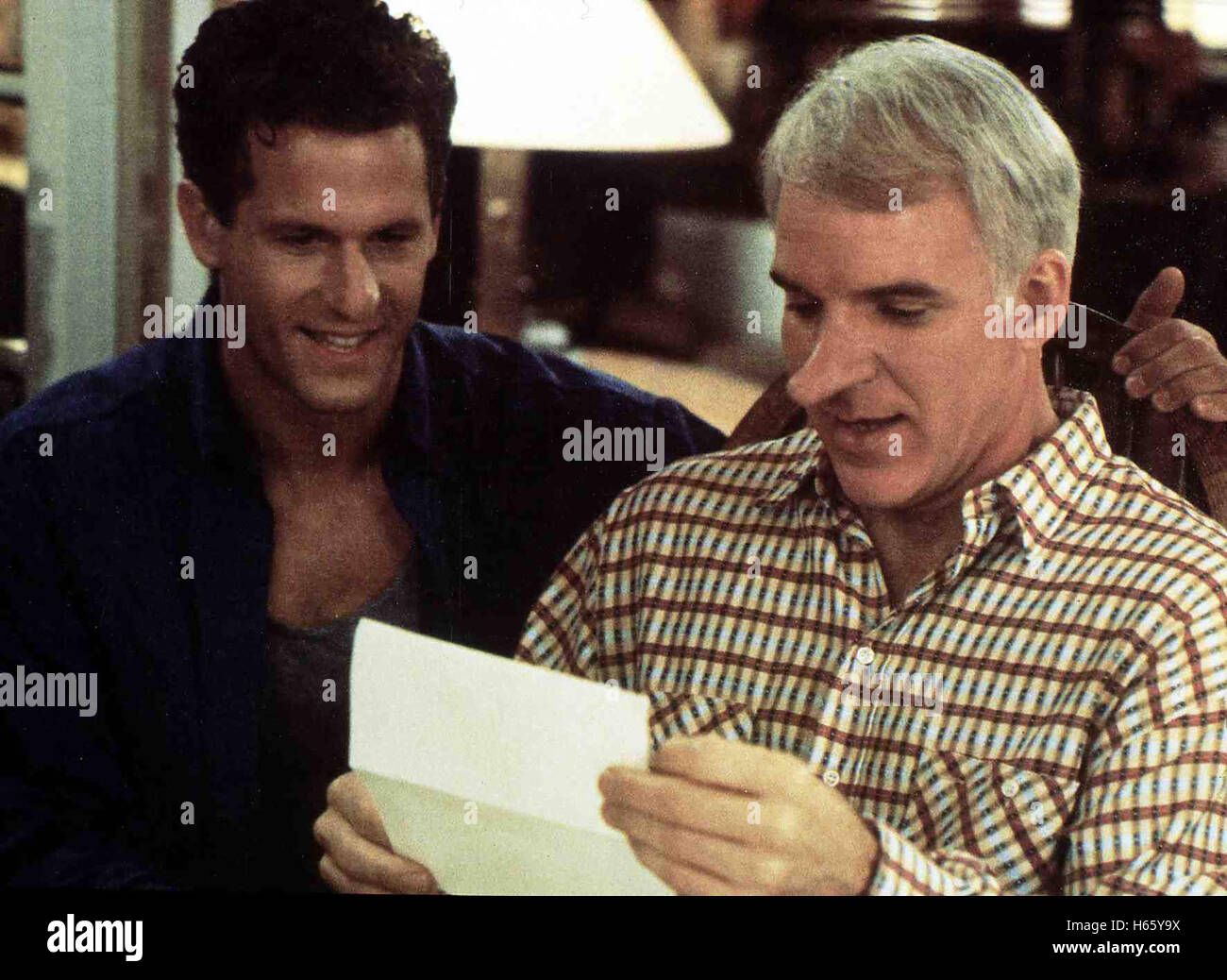
The actors of 1987 shaped one of the most dynamic years in modern cinema history, delivering performances across high-stakes dramas, romantic comedies, action thrillers, and groundbreaking auteur films. Anchored by Academy Award-winning work from Michael Douglas and Cher, 1987 established career-defining roles, birthed legendary film franchises, and launched the careers of future Hollywood icons.
The Cinematic Landscape of 1987 and Its Performance Highlights
The cinema of 1987 reflected a pivotal transitional period in Hollywood, balancing high-concept blockbusters with sophisticated, character-driven adult dramas. Studios invested heavily in star-driven vehicles, allowing established leads to push boundaries while creating space for rising theatrical talents to break into mainstream awareness.
Acting styles in 1987 ranged from the intense method realism required by auteur directors to the heightened charisma needed for blockbuster genre cinema. Performers navigated complex scripts that tackled Wall Street greed, media ethics, domestic obsession, and international history. The year demonstrated that dramatic weight and commercial appeal were not mutually exclusive, with several highest-grossing films also earning critical acclaim and major awards recognition at the 60th Academy Awards celebrated in early 1988.
Furthermore, 1987 marked a banner year for ensemble casting. Films like Broadcast News, The Untouchables, and The Last Emperor relied on intricate chemistry among lead and supporting cast members rather than leaning solely on single star power. This holistic approach to casting elevated the overall quality of screen acting throughout the year.
Award-Winning Lead Performances: Michael Douglas and Cher
Two actors stood at the absolute epicenter of American cinema in 1987: Michael Douglas and Cher. Both achieved distinct double-threat status, dominating both critical discourse and the global box office with multiple high-profile releases in a single calendar year.
Michael Douglas: Defining an Era of Corporate and Psychological Drama
Michael Douglas delivered a pair of performances in 1987 that redefined his career and captured the cultural zeitgeist of the late 1980s. In Oliver Stone’s Wall Street, Douglas portrayed Gordon Gekko, an unsparing corporate raider whose "greed is good" philosophy became a defining cultural marker. His commanding presence, precise vocal delivery, and charismatic menace earned him the Academy Award for Best Actor.
In the same year, Douglas starred opposite Glenn Close in Adrian Lyne’s psychological thriller Fatal Attraction. As Dan Gallagher, a married attorney whose brief infidelity leads to terrifying consequences, Douglas anchored a box-office phenomenon that sparked intense national debate over relationships and morality. His ability to project both professional confidence and intense personal vulnerability across these two landmark films established him as one of the preeminent leading men of the decade.
Cher: Unconventional Brilliance and Academy Validation
Cher’s work in 1987 represented one of the most impressive creative runs by an actress in modern Hollywood history. She headlined three major motion pictures released that year: Moonstruck, The Witches of Eastwick, and Suspect.
In Norman Jewison’s romantic comedy Moonstruck, Cher played Loretta Castorini, a pragmatic Italian-American widow in Brooklyn who falls in love with her fiancé’s estranged younger brother. Cher brought deep warmth, comedic timing, and emotional authenticity to the role, winning the Academy Award for Best Actress. Beyond Moonstruck, her performance alongside Jack Nicholson, Meryl Streep, and Susan Sarandon in The Witches of Eastwick showed her versatility in supernatural dark comedy, while Suspect demonstrated her strength in legal dramatic roles.
Key Lead Performance Milestones in 1987: • Michael Douglas: Best Actor Oscar winner for "Wall Street"; starred in "Fatal Attraction" • Cher: Best Actress Oscar winner for "Moonstruck"; headlined "The Witches of Eastwick" & "Suspect" • Holly Hunter: Oscar nominated for "Broadcast News"; starring role in "Raising Arizona" • Robin Williams: Oscar nominated for "Good Morning, Vietnam"
Supporting Icons and Career-Defining Roles of 1987
The supporting performances of 1987 were essential in elevating standard narrative structures into enduring cinematic classics. Character actors and veteran stars delivered masterclasses in scene-stealing subtext and emotional resonance.
Sean Connery in The Untouchables
Directed by Brian De Palma, The Untouchables featured Sean Connery as Jimmy Malone, an experienced, cynical Irish-American beat cop in Prohibition-era Chicago who guides Federal Agent Eliot Ness (Kevin Costner) in bringing down Al Capone (Robert De Niro). Connery’s authoritative, world-weary portrayal provided the moral center of the film, earning him the Academy Award for Best Supporting Actor—the only Oscar of his storied career.
Glenn Close in Fatal Attraction
Glenn Close delivered an unforgettably intense performance as Alex Forrest in Fatal Attraction. Far beyond a simple antagonist, Close approached the character with psychological nuance, working directly with mental health professionals during prep to understand the character’s obsessive behavior. Her performance earned an Academy Award nomination for Best Actress and remains one of cinema's most analyzed dramatic portrayals.
Olympia Dukakis in Moonstruck
As Rose Castorini, the wry, perceptive mother of Cher's character in Moonstruck, Olympia Dukakis grounded the film's operatic romantic comedy with quiet dignity and razor-sharp humor. Her performance swept the major critical honors, culminative in winning the Academy Award for Best Supporting Actress.
Action Stars and Genre Leaders Shaping 1987 Box Office
Action and comedy cinema in 1987 established formulas and archetypes that defined Hollywood for decades. Lead actors in these genres brought distinct physicality and comedic timing that appealed to global audiences.
- Arnold Schwarzenegger (Predator, The Running Man): Schwarzenegger solidified his status as an international action icon in 1987. In John McTiernan’s sci-fi action classic Predator, he led an ensemble cast against an extraterrestrial hunter, blending military action with suspense. Later that year, he starred in The Running Man, an adaptation of Stephen King’s dystopian novel that showcased his signature one-liners and physical presence.
- Mel Gibson & Danny Glover (Lethal Weapon): Directed by Richard Donner, Lethal Weapon paired Mel Gibson as the volatile Martin Riggs with Danny Glover as the pragmatic Roger Murtaugh. Their exceptional onscreen chemistry defined the modern "buddy cop" archetype, balancing visceral action sequences with genuine emotional depth surrounding mental health and family life.
- Peter Weller (RoboCop): In Paul Verhoeven’s satirical science-fiction masterpiece, Peter Weller played Alex Murphy, a Detroit police officer resurrected as a cybernetic law enforcer. Weller carried the film through precise physical movement and vocal modulation, imparting tragedy and humanity to a character constrained by metallic prosthetics.
- Patrick Swayze & Jennifer Grey (Dirty Dancing): Directed by Emile Ardolino, this independent romantic drama became a massive global phenomenon. Swayze's performance as dance instructor Johnny Castle and Grey's turn as Frances "Baby" Houseman demonstrated exceptional physical choreography and raw emotional chemistry, cementing both as major international stars.
Breakout Talent and Rising Stars of 1987
Several actors achieved major breakthrough moments in 1987, transitioning from minor roles or theatrical work into top-tier industry visibility.
Kevin Costner: A Double Breakthrough Year
Kevin Costner experienced a meteoric rise in 1987 through two distinct, critical, and commercial hits. In The Untouchables, he brought stoic integrity to Eliot Ness, holding his own alongside Sean Connery and Robert De Niro. Months later, he starred in the political mystery thriller No Way Out as Navy Commander Tom Farrell, proving his capability as a charismatic romantic lead capable of handling complex suspense narratives.
Holly Hunter and Nicolas Cage
Holly Hunter delivered a breakthrough lead performance in James L. Brooks’ Broadcast News as Jane Craig, an intensely driven television news producer navigating romantic choices and shifting journalistic ethics. Hunter earned her first Academy Award nomination for Best Actress. In the same year, she starred in the Coen brothers' cult comedy Raising Arizona.
Her co-star in Raising Arizona, Nicolas Cage, also enjoyed a transformative year in 1987. Playing the well-meaning ex-con H.I. McDunnough in Raising Arizona and the passionate baker Ronny Cammareri opposite Cher in Moonstruck, Cage demonstrated a unique comedic energy and dramatic range that established him as one of the most compelling young actors of his generation.
Christian Bale in Empire of the Sun
At just 13 years old, Christian Bale delivered one of the most remarkable child performances in film history as Jim Graham in Steven Spielberg’s World War II epic Empire of the Sun. Selected from over 4,000 young actors, Bale carried the emotionally demanding film, portraying a young boy's psychological survival in a Japanese internment camp with extraordinary maturity.
Comparative Overview of Major 1987 Performances
The following table summarizes notable lead and supporting actors in major 1987 film releases, detailing their roles, genres, and primary industry recognitions.
| Actor | Major 1987 Film | Role | Film Genre | Primary Awards & Recognitions |
|---|---|---|---|---|
| Michael Douglas | Wall Street | Gordon Gekko | Corporate Drama | Won Academy Award (Best Actor) |
| Cher | Moonstruck | Loretta Castorini | Romantic Comedy | Won Academy Award (Best Actress) |
| Sean Connery | The Untouchables | Jimmy Malone | Crime / Drama | Won Academy Award (Best Supporting Actor) |
| Olympia Dukakis | Moonstruck | Rose Castorini | Romantic Comedy | Won Academy Award (Best Supporting Actress) |
| Glenn Close | Fatal Attraction | Alex Forrest | Psychological Thriller | Nominated Academy Award (Best Actress) |
| Holly Hunter | Broadcast News | Jane Craig | Comedy / Drama | Nominated Academy Award (Best Actress) |
| Robin Williams | Good Morning, Vietnam | Adrian Cronauer | War / Comedy-Drama | Nominated Academy Award (Best Actor) |
| Kevin Costner | The Untouchables / No Way Out | Eliot Ness / Tom Farrell | Crime / Thriller | Breakout Lead Performance Recognition |
| Arnold Schwarzenegger | Predator | Major Alan "Dutch" Schaefer | Sci-Fi / Action | Saturn Award Nomination |
| Patrick Swayze | Dirty Dancing | Johnny Castle | Romantic Drama | Nominated Golden Globe (Best Actor - Comedy/Musical) |
| Christian Bale | Empire of the Sun | Jim Graham | Historical Drama | NBR Award for Best Juvenile Performance |
Critical Recognition vs. Box Office Success for 1987 Performers
The year 1987 demonstrated a rare harmony between box office performance and critical consensus regarding acting excellence. Commercial success did not require sacrificing performance quality, as evidenced by Fatal Attraction, Beverly Hills Cop II, Platoon (which won Best Picture at the early 1987 Oscars for 1986 releases), and Moonstruck dominating both ticket sales and critical top-ten lists.
Robin Williams provided another key example of this balance in Barry Levinson’s Good Morning, Vietnam. Williams portrayed real-life Armed Forces Radio Service DJ Adrian Cronauer. Allowing Williams to improvise his radio broadcasts on camera created a performance that was both commercially hugely successful and critically lauded, resulting in his first Academy Award nomination for Best Actor.
Similarly, The Last Emperor, directed by Bernardo Bertolucci, swept nine Academy Awards at the 60th Oscars, including Best Picture and Best Director. While its ensemble cast—including John Lone, Joan Chen, and Peter O'Toole—did not secure acting nominations due to category split votes, their understated, elegant portrayals were crucial to the film’s sweeping historical authority.
Frequently Asked Questions
Who won the Best Actor and Best Actress Oscars for 1987 films?
Michael Douglas won the Academy Award for Best Actor for his role as Gordon Gekko in Wall Street. Cher won the Academy Award for Best Actress for her performance as Loretta Castorini in Moonstruck. Both awards were presented at the 60th Academy Awards ceremony held on April 11, 1988.
What was Christian Bale's breakout role in 1987?
Christian Bale made his major feature film debut in Steven Spielberg's 1987 World War II drama Empire of the Sun. Bale portrayed Jim Graham, a young British boy struggling to survive in a Japanese prisoner-of-war camp. His performance earned widespread critical acclaim and the inaugural Youth in Film Award for Best Young Actor.
Which 1987 action films launched major actor franchises?
Lethal Weapon introduced Mel Gibson and Danny Glover as Riggs and Murtaugh, spawning three theatrical sequels and establishing a major Warner Bros. franchise. Predator, starring Arnold Schwarzenegger, launched an enduring multi-decade sci-fi media franchise, while Paul Verhoeven’s RoboCop, starring Peter Weller, launched a franchise spanning film sequels, television series, and comic books.
Which actors starred in multiple major hit movies in 1987?
Several top actors led multiple blockbusters in 1987. Michael Douglas starred in both Wall Street and Fatal Attraction. Cher headlined Moonstruck, The Witches of Eastwick, and Suspect. Kevin Costner starred in The Untouchables and No Way Out. Holly Hunter starred in Broadcast News and Raising Arizona.
Did Sean Connery win an Oscar for The Untouchables?
Yes, Sean Connery won the Academy Award for Best Supporting Actor for his portrayal of veteran police officer Jimmy Malone in The Untouchables. This was the only Academy Award victory and nomination of Connery’s career.
How to Explore and Study 1987 Film Performances Today
To fully appreciate the acting craft and cultural impact of 1987 cinema, viewers and film scholars can follow a targeted study approach across genres:
- Analyze the Oscar-Winning Dramas: Stream or view physical restorations of Wall Street, Moonstruck, and The Untouchables to examine how award-winning lead and supporting roles were structured around strong script dialogue.
- Compare Multi-Performance Actors: Study the dramatic range of actors who had double-header years in 1987, specifically comparing Michael Douglas in Wall Street versus Fatal Attraction, or Holly Hunter in Broadcast News versus Raising Arizona.
- Examine Genre Innovations: Watch Lethal Weapon and RoboCop to see how physical acting, comedic timing, and suit performance established new standards for character-driven action films.
- Review Historical Archive Material: Consult original film reviews from major critics like Roger Ebert and Gene Siskel from 1987, accessible through verified film databases and archive publications, to understand contemporary reactions to these classic performances.