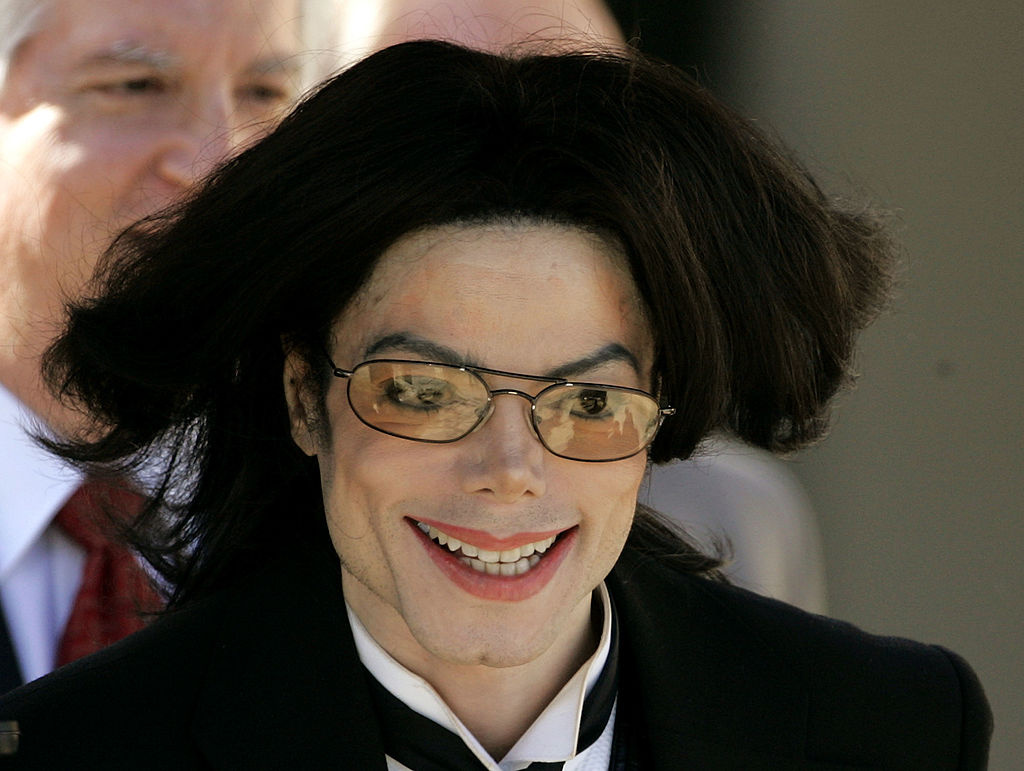
In 1984, during a Pepsi commercial shoot, pyrotechnics prematurely ignited Michael Jackson's hair, causing severe second and third-degree scalp burns. This pivotal event triggered Jackson’s lifelong struggle with painkiller addiction and reconstructive surgeries, while simultaneously redefining celebrity brand endorsements and how global corporations manage high-profile public relations crises.
The Context: Michael Jackson at the Zenith of His Career
To understand why the 1984 accident was so monumental, one must look at the cultural landscape of the early 1980s. Michael Jackson was not merely a pop star; by 1984, he was a global phenomenon. His album Thriller, released in late 1982, had become the best-selling album of all time, a title it holds to this day. He had recently broken the "color barrier" on MTV and mesmerized the world with the Moonwalk during the Motown 25 special.
Pepsi-Cola, looking to challenge Coca-Cola's dominance, sought to capture the "New Generation." In what was then the most lucrative celebrity endorsement deal in history, Pepsi signed Jackson for $5 million. The partnership aimed to merge the star’s "Thriller" magic with the brand’s youthful image. The commercials were designed to be cinematic experiences, featuring Jackson and his brothers performing a version of "Billie Jean" with Pepsi-themed lyrics. The stakes were incredibly high for both the artist and the brand, setting the stage for a production that prioritized spectacle.
The Incident: A Second-by-Second Breakdown of the Fire
On January 27, 1984, Michael Jackson and his brothers were at the Shrine Auditorium in Los Angeles to film the second of two commercials. The scene required Michael to descend a flight of stairs while pyrotechnics exploded behind him, simulating a grand concert entrance.
During the sixth take of the scene, something went catastrophically wrong. The pyrotechnics were triggered too early—or Jackson was slightly delayed—causing the magnesium-based sparks to shower over him while he was still at the top of the stairs. Because Jackson was wearing hair pomade, his hair ignited instantly.
Remarkably, Jackson did not realize he was on fire immediately. He continued to dance down the stairs and perform a spin, a testament to his professionalism and the adrenaline of the performance. It wasn't until he spun that the flames grew, fueled by the movement. Members of the crew and his brothers eventually tackled him to the ground to extinguish the fire. The footage, which was eventually leaked to the public decades later, shows a plume of fire on his head and the chilling moment he is swamped by security and stagehands.
Immediate Medical Consequences and the Road to Recovery
Jackson was rushed to Cedars-Sinai Medical Center and later transferred to the Brotman Medical Center in Culver City. The diagnosis was grim: second-degree burns on the back of his head and a palm-sized area of third-degree burns that had destroyed the hair follicles.
Third-degree burns are particularly devastating because they involve the full thickness of the skin and often require skin grafts. For a performer whose image was inextricably linked to his hair and appearance, the physical damage was profound. However, the psychological damage proved to be even more lasting. To treat the pain and prepare for the multiple reconstructive surgeries required to repair his scalp, Jackson was prescribed various potent painkillers and sedatives.
In an act of public grace that helped mitigate the looming PR disaster for Pepsi, Jackson did not sue the company for personal gain. Instead, he reached a $1.5 million settlement, all of which he donated to the Brotman Medical Center. This funding allowed the hospital to create the Michael Jackson Burn Center, which became a leading facility for treating burn victims in Southern California.
Key Facts of the 1984 Pepsi Incident
| Category | Detail | Impact/Result |
|---|---|---|
| Date | January 27, 1984 | The peak of the "Thriller" era. |
| Location | Shrine Auditorium, Los Angeles | A historic venue for a high-budget production. |
| Injuries | 2nd & 3rd-degree scalp burns | Permanent hair loss and chronic pain. |
| Settlement | $1.5 Million | Donated to create a specialized burn center. |
| Medical Lead | Dr. Steven Hoefflin | Became Jackson's long-term plastic surgeon. |
| Cultural Shift | "The Pepsi Generation" | Defined the "Cola Wars" of the 1980s. |
Why the Incident Still Matters: The Transformation of an Icon
The 1984 fire is frequently cited by biographers and medical experts as the "point of no return" for Michael Jackson’s personal life and public image. There are three primary reasons why this single event continues to resonate more than forty years later.
1. The Genesis of Substance Dependency
The most tragic legacy of the fire was Jackson's introduction to prescription painkillers. To manage the excruciating pain of the burns and the subsequent "scalp extension" surgeries—a process where balloons are inserted under the skin and inflated over months to stretch the scalp—Jackson was prescribed Percocet and Darvocet. This marked the beginning of a lifelong struggle with opioid and sedative dependency. This dependency eventually culminated in his death in 2009 from an overdose of propofol, an anesthetic he used as a sleep aid.
2. The Shift in Physical Appearance
The fire necessitated numerous plastic surgeries. While Jackson had already undergone a rhinoplasty before the accident, the burn treatments intensified his relationship with cosmetic procedures. The scalp expansion caused significant discomfort and contributed to his retreat from the public eye. Furthermore, the permanent hair loss forced him to wear hairpieces for the remainder of his life, a fact confirmed during his 2009 autopsy. The changing appearance of the world's most famous man became a source of intense tabloid scrutiny, altering the public's perception of him from a relatable superstar to a "wacko" eccentric.
3. The Birth of Modern Crisis Management
For the corporate world, the Pepsi incident remains a textbook study in crisis management. Pepsi faced a nightmare: they had nearly killed the most popular person on the planet. However, by supporting Jackson’s medical care and allowing him to lead the narrative regarding the settlement and donation, Pepsi managed to survive the scandal. The "Pepsi Generation" campaign actually became more famous because of the tragedy, and the brand's association with Jackson continued for years, including his sponsorship of the record-breaking "Bad" World Tour in 1987.
How the Incident Changed the Advertising Industry
Before 1984, celebrity endorsements were often simple, low-stakes affairs. The Pepsi-Jackson partnership changed the scale of these deals, turning them into massive multi-media events. The accident served as a warning to the industry about the risks of high-concept, dangerous stunts in advertising.
Following the fire, safety protocols on sets involving high-profile talent were drastically tightened. The incident also highlighted the "risk-reward" nature of tethering a brand's identity to a single human being. If the celebrity is injured or involved in a scandal, the brand is inextricably linked to that negativity. Despite the fire, the sheer success of the campaign (Pepsi's market share grew significantly following the commercials) proved that celebrity "megadeals" were worth the risk, paving the way for modern partnerships like those seen today with global icons.
The Long-Term Cultural Resonance
The 1984 accident is a "What If?" moment in history. Fans and historians often speculate whether Jackson’s life would have taken a different, perhaps more stable path had the pyrotechnics not fired early. It represents the literal and metaphorical scarring of a childhood star who was already under immense pressure.
In 2026, we look back at this event not just as a piece of trivia, but as a defining moment of the 20th century. It bridges the gap between the innocent disco-era Michael and the more troubled, isolated figure of the 1990s and 2000s. It also serves as a reminder of the fragility of fame and the physical toll that the "spectacle" of entertainment can take on the human body.
FAQ
Did Michael Jackson sue Pepsi after the fire?
No, Michael Jackson did not file a personal injury lawsuit for his own profit. Instead, he and Pepsi reached a $1.5 million settlement agreement. Jackson directed the entirety of these funds to the Brotman Medical Center in Culver City, California, which used the money to establish the Michael Jackson Burn Center.
Was the footage of the accident ever released?
For many years, the footage remained a closely guarded secret. However, in 2009, shortly after Jackson’s death, Us Weekly obtained and published the video. The footage clearly shows the sparks hitting his head, the fire igniting, and Jackson continuing to dance for several seconds before the crew intervenes.
How did the fire affect Michael Jackson's hair permanently?
The fire caused third-degree burns, which result in permanent damage to the hair follicles. As a result, Jackson suffered from permanent baldness on a significant portion of his scalp. For the rest of his life, he wore high-quality wigs and hairpieces to maintain his public appearance, which was a fact later confirmed by the Los Angeles County Coroner.
What were "scalp extension" surgeries?
To treat the baldness caused by the burns, Jackson underwent scalp extension procedures. This involves placing a "tissue expander" (a balloon-like device) under the healthy skin of the scalp. Over several weeks, the device is gradually filled with saline to stretch the skin. Once the skin is stretched enough, the scarred tissue is removed, and the stretched, hair-bearing skin is pulled over the area. It is a notoriously painful and long process.
Who was responsible for the pyrotechnics mistake?
While various crew members and pyrotechnic technicians were involved, no single individual was publicly blamed in a way that led to criminal charges. The incident was largely ruled an industrial accident caused by a synchronization error between the pyrotechnics trigger and Jackson's movement on the stairs.
A Lasting Lesson in Resilience and Fragility
The 1984 Pepsi accident remains a sobering reminder that even at the height of success, life can change in a fraction of a second. For Michael Jackson, the incident was a physical and psychological trauma that he carried until his final day. For the public, it was the moment the "invincible" King of Pop was shown to be human and vulnerable. As we reflect on this event in 2026, it stands as a cornerstone of music history—a moment where the costs of global superstardom were laid bare for the world to see. Whether viewed as a marketing milestone or a personal tragedy, the fire at the Shrine Auditorium remains one of the most consequential moments in the history of popular culture.