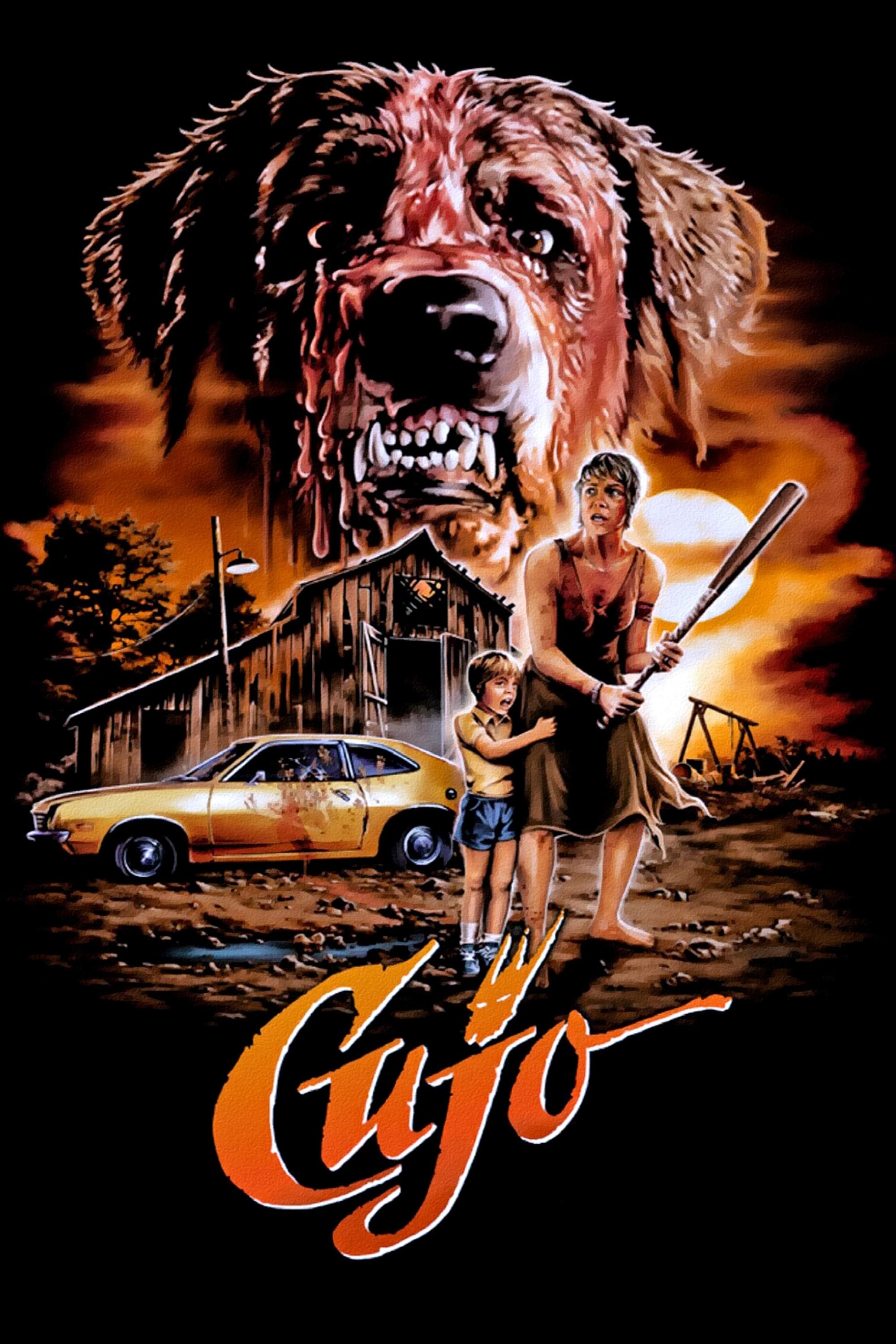
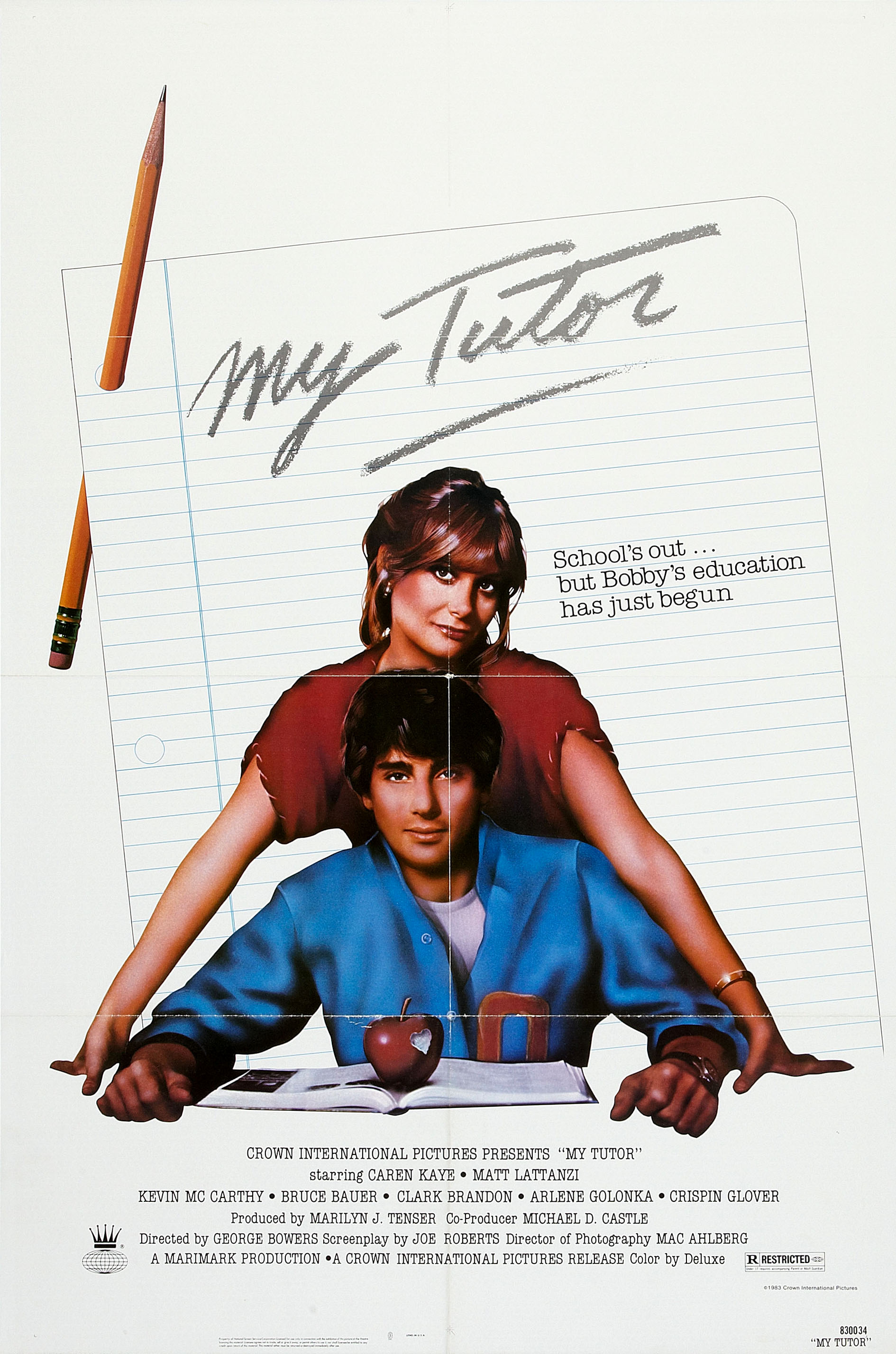
The 1983 film landscape represents a pivotal moment in cinema history, characterized by the emergence of high-concept blockbusters, the maturation of practical special effects, and a transition toward more stylized, genre-defying storytelling. It was a year that saw the finalization of the original Star Wars trilogy and a significant shift in audience engagement with horror and youth-driven narratives.
The Landscape of 1983 Cinema
The year 1983 serves as a transitional period in film production. During this time, the industry was heavily invested in the "tentpole" model—a strategy that relies on a few high-budget releases to carry the studio’s annual financial performance. This strategy was validated by the massive success of Return of the Jedi, which set a benchmark for the scale and merchandising potential of summer event movies.
Beyond the blockbuster, 1983 was marked by a distinct aesthetic. The technology for optical compositing and animatronics reached a zenith before the later transition to digital visual effects. Furthermore, the year witnessed a rise in "coming-of-age" films, a sub-genre that found its footing by addressing the specific anxieties and cultural identifiers of the youth demographic. This era solidified the standard for modern marketing, where the soundtrack, the theatrical release, and the ancillary merchandise were developed as a unified commercial ecosystem.
Major Contributions and Genre Shifts
The variety of films released in 1983 reflects a healthy, competitive ecosystem. While science fiction dominated the box office, other genres were undergoing radical transformations. Horror films, for instance, were moving toward slasher tropes and supernatural suspense that would define the mid-80s. Drama, on the other hand, began experimenting with more gritty, realistic portrayals of urban life and social isolation.
One of the most defining aspects of the 1983 film slate is its focus on auteur-driven vision alongside mass-market appeal. Directors were often given substantial creative leeway to realize complex worlds, even within the confines of established franchises or established literary adaptations. This duality allowed for a year that was simultaneously commercially aggressive and artistically varied.
Notable Films and Their Impact
When evaluating the impact of 1983 in film, one must look at the breadth of releases that shaped the decade. The following table identifies some of the most culturally and commercially significant productions from this year, illustrating the diverse scope of the era’s storytelling.
| Film Title | Genre | Key Impact |
|---|---|---|
| Return of the Jedi | Sci-Fi/Fantasy | Concluded the original trilogy; defined blockbuster merchandising. |
| Scarface | Crime/Drama | Re-imagined the crime epic; became a significant cultural touchstone. |
| Terms of Endearment | Drama | Dominated the Academy Awards; defined the prestige tear-jerker. |
| Trading Places | Comedy | Solidified the modern "fish-out-of-water" corporate satire. |
| The Outsiders | Coming-of-Age | Launched a generation of "Brat Pack" adjacent young stars. |
Technical Advancements in 1983
The technical sophistication of films in 1983 cannot be overstated. With the absence of modern CGI, filmmakers relied heavily on practical effects, matte paintings, and complex camera movements to achieve immersion. The year saw significant refinements in blue-screen technology and miniature work. These methods required meticulous pre-production planning, as adjustments in post-production were prohibitively expensive and difficult to execute.
Cinematographers in 1983 pushed the limits of low-light film stocks, allowing for more evocative, high-contrast visuals. This was particularly evident in noir-inspired crime dramas and suspense thrillers of the era. The focus was on "in-camera" effects, meaning that what the audience saw on screen was physically constructed, lit, and captured in real-time. This imparts a tactile, "weighty" quality to the films of 1983 that remains highly regarded by critics and filmmakers today.
The Rise of the Youth Demographic
Marketing strategies in 1983 shifted toward a deliberate targeting of the youth audience. Films such as The Outsiders and Valley Girl were not merely movies; they were cultural products that influenced music, fashion, and social trends. Studios recognized that teenagers represented the most frequent theater-goers, prompting a wave of scripts tailored to teen experiences—high school hierarchies, social alienation, and the search for identity.
This shift was a calculated response to the economic climate. By prioritizing narratives that resonated with the burgeoning youth market, studios secured consistent attendance and high repeat-viewing rates. This demographic focus would continue to dictate the rhythm of Hollywood release schedules for the remainder of the century.
Challenges and Critical Reception
Not every film in 1983 was a success. The year also served as a warning for the risks of over-extending budgets. When a film relied too heavily on special effects without a grounding narrative, it often failed to recoup its investment. Critics of the era frequently commented on the "formulaic" nature of the summer blockbuster, noting that the emphasis on spectacle sometimes came at the expense of character development.
Furthermore, the lack of diverse representation in the major studio productions of 1983 remains a point of critical reflection in modern film studies. While the films were technically proficient and economically successful, they represented a narrow band of perspectives that would not be challenged or expanded upon until later years.
Frequently Asked Questions
Which film was the highest-grossing release of 1983?
Return of the Jedi was the highest-grossing film of 1983. It generated substantial revenue globally and solidified the cultural longevity of the franchise, setting a new standard for how major studio films were distributed and promoted.
How did practical effects define the 1983 film aesthetic?
Practical effects defined the era by necessitating physical builds, such as detailed miniatures, animatronic creatures, and complex make-up artistry. This approach gave films a tangible, realistic texture that is often considered distinct from the digital-heavy aesthetic of the 21st century.
Were there notable indie films released in 1983?
While the blockbuster model was dominant, there were significant independent and lower-budget efforts, such as Jim Jarmusch’s Permanent Vacation. These films began to set the stage for the independent cinema boom that would gain traction in the late 1980s and early 1990s.
How did the 1983 film era influence modern streaming?
Many of the films released in 1983 have become permanent staples in modern streaming libraries. Their status as "classics" ensures consistent viewership, which has taught studios the value of intellectual property retention and catalog exploitation for subscription services.
Why is 1983 often cited in cinema history?
1983 is cited because it represents the peak of the "Golden Age" of the practical-effect blockbuster. It serves as a benchmark for production value, marketing reach, and the solidification of the teen-oriented release calendar.
Next Steps for Film Enthusiasts
If you are interested in exploring the cinema of 1983, the best approach is to categorize your viewing by genre. Begin by watching a cross-section of the top-grossing films to understand the industry's commercial focus, then compare them against lower-budget independent works from the same year. This contrast reveals the specific visual and narrative techniques that were standard practice at the time. To deepen your understanding, search for "behind the scenes" featurettes for these films, as they offer the most direct insight into the physical, manual production methods that distinguished this unique year in film history.