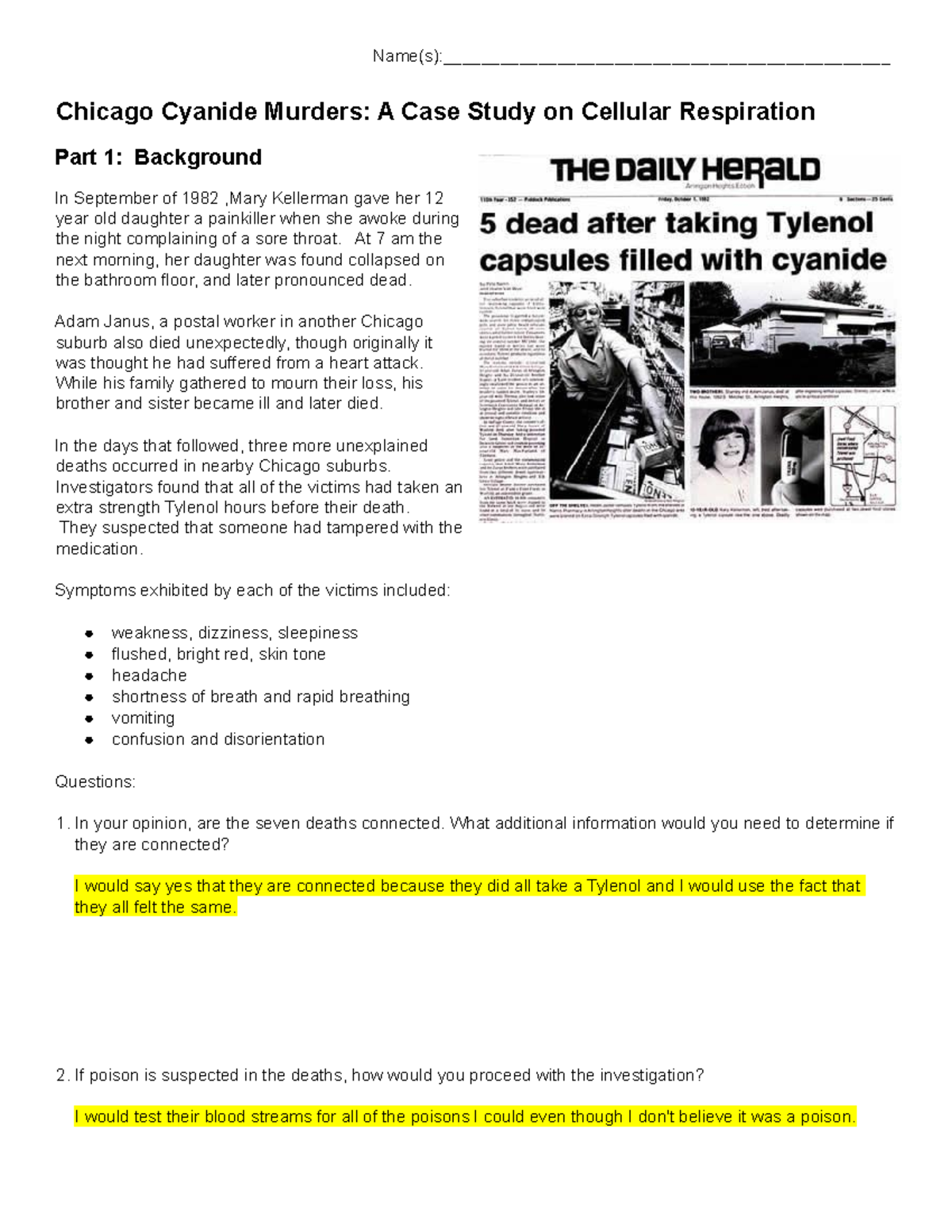
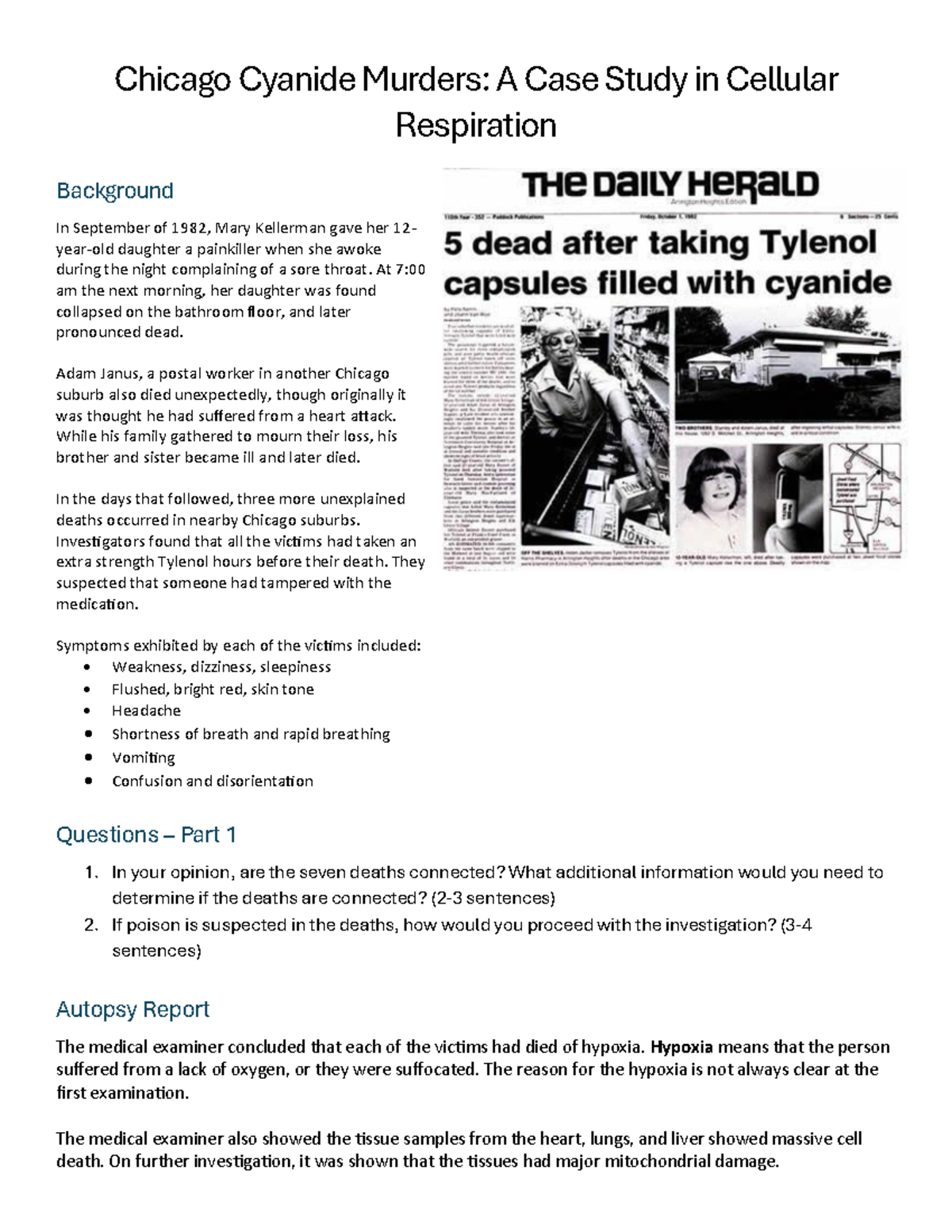
In the autumn of 1982, seven individuals in the Chicago metropolitan area died after consuming Tylenol capsules laced with potassium cyanide. This unprecedented act of product tampering triggered a national panic, led to the largest product recall in American history, and fundamentally reshaped consumer safety regulations and packaging standards worldwide.
The Sequence of Events: September 1982
The crisis began on September 29, 1982, when 12-year-old Mary Kellerman of Elk Grove Village died shortly after taking an Extra-Strength Tylenol capsule. Within hours, other deaths occurred across the Chicago suburbs, including those of Adam Janus, his brother Stanley, and his sister-in-law Theresa. As local authorities and the Cook County Medical Examiner’s Office converged on the cases, they identified a common thread: all victims had ingested Extra-Strength Tylenol purchased from various retail locations, including grocery stores and pharmacies.
Investigators quickly discovered that the capsules had been opened, the medication replaced or supplemented with lethal doses of potassium cyanide, and the packaging meticulously resealed. The perpetrator had moved through multiple stores, placing the adulterated bottles back on shelves for unsuspecting customers to purchase. By the time the connection between the deaths was confirmed, the threat had reached a level of public alarm that paralyzed the retail pharmaceutical industry.
Initial Response and Immediate Fallout
The immediate reaction from Johnson & Johnson, the parent company of McNeil Consumer Products, was one of total cooperation with law enforcement. Despite no initial indication that the tampering occurred during the manufacturing process, the company issued a nationwide recall of all Tylenol products. This decision removed approximately 31 million bottles of Tylenol from circulation, with a retail value estimated at over $100 million at the time.
Public health officials, including the Food and Drug Administration (FDA), issued dire warnings, urging the public to avoid all Tylenol products until the situation was contained. The panic extended to other over-the-counter medications, as consumers feared a broader wave of product terrorism. Johnson & Johnson’s proactive communication, led by Chairman James Burke, is now studied as a benchmark in crisis management. By taking full responsibility for the safety of the consumer, the company was eventually able to restore public trust in the brand, a recovery that many industry experts initially thought impossible.
The Catalyst for Tamper-Evident Packaging
The most enduring legacy of the 1982 Chicago cyanide poisonings is the transformation of the packaging industry. Prior to 1982, most over-the-counter medications were sold with simple "snap-cap" lids that offered no visual indication if the container had been breached. The ease with which the killer had swapped the contents of the Tylenol capsules highlighted a gaping vulnerability in the supply chain between the factory and the consumer.
In response, the industry shifted toward "tamper-evident" or "tamper-resistant" packaging. These standards, eventually codified by the FDA in 1983 and expanded upon over the following decades, include:
- Induction-sealed foils: Foil linings bonded to the rim of the bottle that must be peeled away.
- Shrink-wrap bands: Plastic seals around the cap and neck of the bottle that display visible distortion if removed.
- Blister packs: Individual medication units pressed into foil-and-plastic sheets, making it impossible to open one without visibly destroying the packaging.
- Glue-sealed cartons: Boxes that exhibit structural damage if forced open before purchase.
Comparative Overview of Packaging Security
The following table outlines the transition from pre-1982 standards to modern security requirements.
| Feature | Pre-1982 Standard | Modern Post-1982 Standard |
|---|---|---|
| Bottle Seals | Non-existent or simple paper | Induction-sealed foil liners |
| Cap Security | Simple screw-top or snap-cap | Child-resistant, tamper-evident bands |
| Unit Protection | Bulk loose capsules in bottles | Individual blister-pack shielding |
| Retail Verification | Visual inspection of exterior | Visible indicators of structural breach |
Forensic Investigation and Unresolved Questions
Despite an exhaustive investigation led by a multi-agency task force—including the FBI, the Chicago Police Department, and the Illinois Department of Law Enforcement—the perpetrator behind the 1982 murders was never captured or charged. The complexity of the crime, characterized by the random selection of retail locations and the lack of a clear motive, made traditional suspect profiling difficult.
One individual, James Lewis, was convicted of extortion after sending a letter to Johnson & Johnson claiming responsibility for the deaths and demanding $1 million to stop the poisonings. While Lewis served time for the extortion charge, he was never formally charged with the murders themselves, and he consistently denied direct involvement in the poisoning. As of 2026, the investigation remains officially open, though cold-case status has long been applied due to the passage of time and the lack of new, actionable forensic evidence.
Legal and Regulatory Impact
The 1982 incident shifted the legal landscape regarding corporate liability and government regulation. In 1983, the United States Congress passed the "Federal Anti-Tampering Act," which made it a federal crime to tamper with consumer products. This statute was a direct response to the vulnerability exposed by the Chicago tragedy. It provided federal authorities with the jurisdiction to intervene in product-tampering cases that crossed state lines or involved products regulated by the FDA.
Furthermore, the case set a precedent for the "duty to protect." Manufacturers began recognizing that their responsibility for product safety did not end at the factory loading dock but extended to the physical security of the product in the retail environment. This led to closer partnerships between manufacturers and retailers to monitor shelf stock, a practice that continues to influence loss prevention and security protocols in 2026.
FAQ: Understanding the 1982 Crisis
Was Tylenol the only product targeted in 1982?
While the 1982 deaths were specifically linked to Tylenol, the panic caused copycat incidents and threats against various other products in the following months and years. However, the seven confirmed deaths in Chicago were uniquely associated with the cyanide-laced Extra-Strength Tylenol capsules.
Why did the poisonings only occur in Chicago?
The perpetrator concentrated the tampering within the Chicago metropolitan area, likely to ensure that the victims would succumb to the poison within a localized zone, thereby maximizing the public impact and terror. The logistics of the crime suggest a degree of local knowledge or premeditation regarding the distribution channels in that specific geographic market.
How did Johnson & Johnson restore the Tylenol brand?
The company’s return to market was characterized by radical transparency and the introduction of new safety technologies. They were the first major company to widely implement the triple-seal tamper-evident packaging system, which allowed them to successfully reintroduce the brand with a marketing message centered on consumer protection.
Are there any suspects currently under investigation?
The case remains one of the most famous unsolved mysteries in American criminology. While various persons of interest were explored over the decades, no individual has been tied to the crime through forensic DNA analysis or definitive evidence, and no current active investigation is yielding new developments as of 2026.
What should a consumer do if they find a product with a broken seal?
Consumers should never consume, purchase, or accept a product if the tamper-evident seals—such as induction foils, shrink bands, or blister packs—are broken, damaged, or missing. They should report the item to the retailer’s management immediately or contact the product manufacturer’s customer service department using the information printed on the packaging.
Next Steps for Consumer Vigilance
While the manufacturing and regulatory systems are significantly more robust today than in 1982, the primary defense against product tampering remains the observant consumer. When purchasing over-the-counter medications, health supplements, or any sealed food product, verify the integrity of the tamper-evident features. Do not rely solely on the exterior of the box; open the product in a safe environment to ensure the inner seals are intact. If you observe any irregularities, document the batch number and store location, and alert the retailer so that they may pull the item from the shelf and notify the manufacturer for a potential audit.