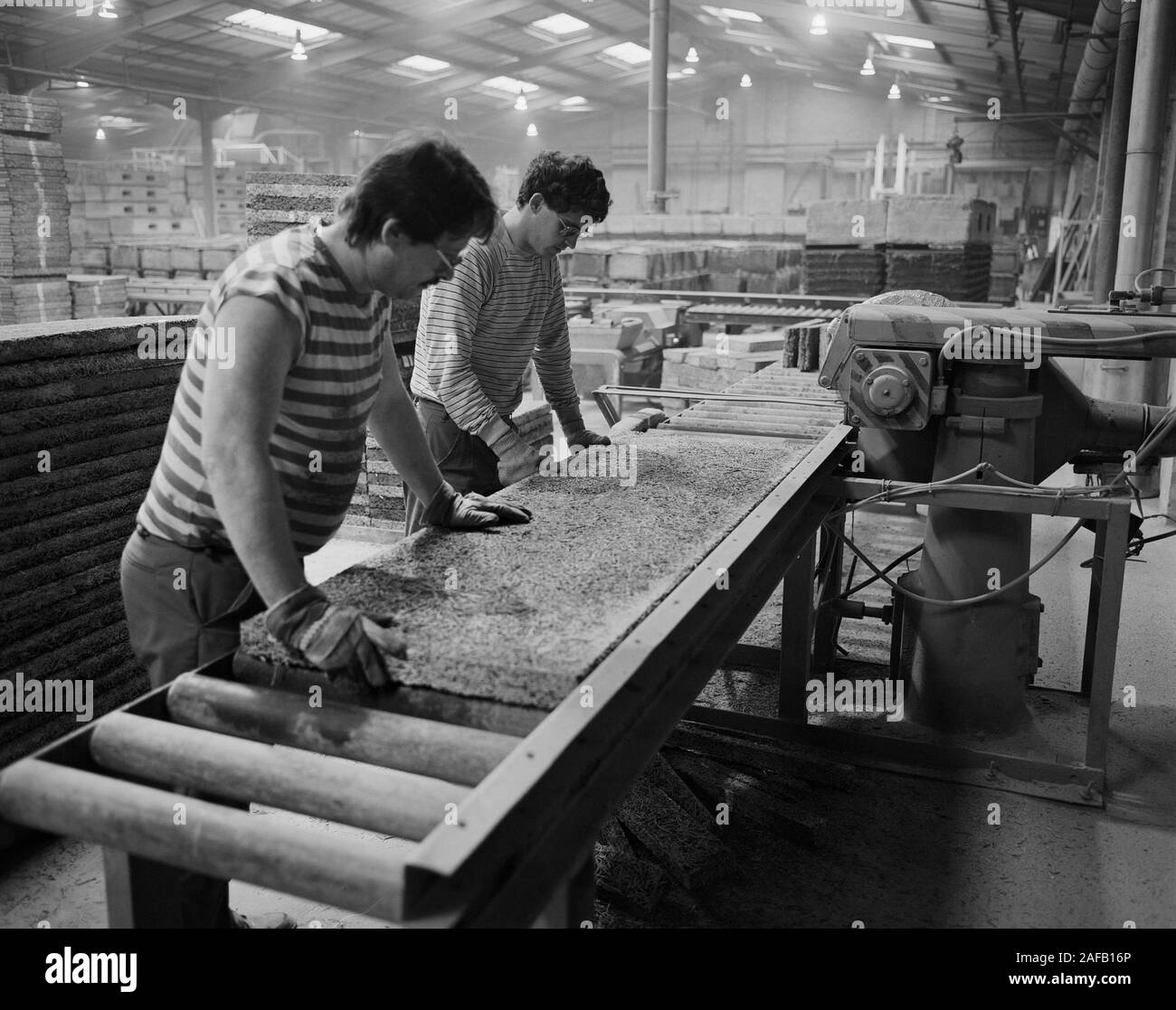
The 1980s represented a transformative decade for the professional world, characterized by the rapid integration of personal computing, the rise of "yuppie" corporate culture, and a shift toward globalized service economies. Navigating 1980s work requires understanding the transition from analog, paper-heavy bureaucracies to the digital workflows that define modern business, marking a period of intense organizational innovation and socio-economic change.
The Technological Shift in the Workplace
The most defining feature of 1980s work was the arrival of the personal computer (PC) on the office desk. Prior to this, the office environment relied heavily on manual typewriters, carbon paper, and centralized mainframe systems accessible only by specialized IT personnel. The introduction of IBM’s Personal Computer in 1981, followed by the proliferation of spreadsheet software like VisiCalc and Lotus 1-2-3, fundamentally changed how data was managed and analyzed.
This era marked the shift from "knowledge" as something stored in physical filing cabinets to information that could be generated, manipulated, and stored digitally. While early systems were limited by storage capacity and a lack of networking, they established the foundational workflows for digital documentation. Workers of this era had to adapt to early word processing software, often facing the steep learning curve of non-intuitive command-line interfaces before the widespread adoption of graphical user interfaces (GUIs) like those popularized by the Apple Macintosh in 1984.
Cultural Dynamics and the Rise of the Corporate Professional
The social fabric of the 1980s workplace was influenced heavily by economic deregulation and a heightened focus on corporate profitability. This decade saw the rise of the "yuppie"—the young, urban professional—whose identity was increasingly tied to career advancement, long hours, and visible markers of success.
Corporate culture during this time emphasized hierarchy and formal attire. Power dressing became a standard, reflecting a desire to project authority in a highly competitive market. Unlike the flatter management structures of today, 1980s organizations were traditionally top-down, with rigid reporting lines and clear expectations regarding the chain of command. Meetings were held in person rather than via video conference, and business communication relied on landline telephones, internal mail systems, and the facsimile (fax) machine, which revolutionized long-distance business interaction by enabling the near-instant transmission of documents.
Operational Procedures and Communication Standards
Work in the 1980s was constrained by the physical location of the office. Telecommuting was virtually non-existent; the standard workweek involved a physical presence from nine to five, though industries such as investment banking and law began to normalize the expectation of extended hours well into the evening.
Communication was a primary bottleneck. Without email, urgent correspondence was managed through the fax machine or overnight courier services. The absence of mobile phones meant that employees were unreachable once they left the office or stepped away from their desks. This created a distinct "on-the-clock" versus "off-the-clock" dichotomy that is rarely experienced in the perpetually connected 2026 workforce. Filing systems were primarily physical, requiring rigorous maintenance of index cards, master files, and physical ledgers to ensure audit readiness.
Comparing Professional Tools: 1980s vs. Modern Standards
The evolution of workplace efficiency can be best understood by comparing the tools of the 1980s to the integrated digital ecosystems used today.
| Feature | 1980s Approach | Modern (2026) Approach |
|---|---|---|
| Documentation | Typewriters and physical files | Cloud-based collaborative suites |
| Communication | Landline, Fax, Internal Memo | Instant messaging, Video conferencing |
| Data Analysis | Manual ledgers / early spreadsheets | AI-driven analytics and Big Data |
| Accessibility | Office-bound (fixed location) | Remote / Hybrid (anywhere) |
| Scheduling | Physical desk diaries/planners | Shared digital calendars |
Challenges in 1980s Work Environments
The challenges faced by professionals in the 1980s were largely structural and information-based. The "Information Gap" was a common issue; because data was not centralized in cloud repositories, cross-departmental coordination was slow and prone to errors. If a report was misplaced in a physical file, the work could be delayed for days until the document was recovered.
Furthermore, ergonomics were largely ignored. Early computer monitors, often with monochrome green or amber text, were placed on standard-height desks without consideration for posture or repetitive strain. Occupational health and safety standards regarding workplace lighting, seating, and screen time were in their infancy, leading to widespread physical discomfort that was often dismissed as a standard part of office life.
Management and Employee Relations
Management styles in the 1980s were heavily focused on oversight and task completion. The concept of "Employee Engagement" as understood today was largely replaced by the concept of "Tenure." Loyalty was expected in both directions: companies provided long-term security in exchange for unwavering commitment to the corporate structure.
The lack of digital project management tools meant that supervisors relied on face-to-face meetings and status updates to track progress. This required a high degree of middle-management involvement, as these individuals acted as the primary conduits of information between executive leadership and the operational staff. Performance reviews were annual, formal, and paper-based, lacking the continuous feedback loops that define modern talent management.
Frequently Asked Questions (FAQ)
How did professionals share data in the 1980s without the internet?
Data sharing relied on physical media or telecommunication lines. Files were often moved via "sneakernet," where employees physically carried floppy disks between computers, or sent via fax machines that converted images into audio signals over standard telephone lines.
What was the impact of the fax machine on 1980s work?
The fax machine was the "instant messenger" of the decade. It bridged the time-gap in global commerce by allowing contracts, invoices, and urgent reports to be delivered in minutes rather than days. It became the lifeblood of industries like real estate and international trade.
Was remote work common in the 1980s?
No, remote work was essentially non-existent for the general workforce. Technological limitations, such as the lack of networked computers and portable devices, meant that work could only be completed where the physical equipment was installed.
How were mistakes handled in 1980s documents?
Errors were corrected using tools like correction fluid ("White-Out") for typed documents or by manually updating paper ledgers. This necessitated high attention to detail, as retyping entire pages to correct a typo was a time-consuming and labor-intensive process.
Did workers experience high levels of connectivity?
Connectivity was localized. While the 1980s saw the birth of the personal computer, these machines were largely "islands." They did not communicate with one another or with external networks, meaning work remained highly siloed compared to the interconnected nature of 2026.
Improving Your Workflow by Understanding Historical Precedents
To better understand your current performance in 2026, it is useful to review the legacy workflows inherited from the 1980s. Many organizations still utilize "paper-thinking" structures—such as overly complex, hierarchical approval chains—that were designed for a time when documents were physical and needed to be signed in ink. By identifying these vestigial processes, you can streamline your current operations, shifting away from redundant legacy oversight and toward the agility enabled by current technology. As a next step, audit your department’s current approval workflows to determine if any steps are maintained simply out of habit rather than functional necessity.