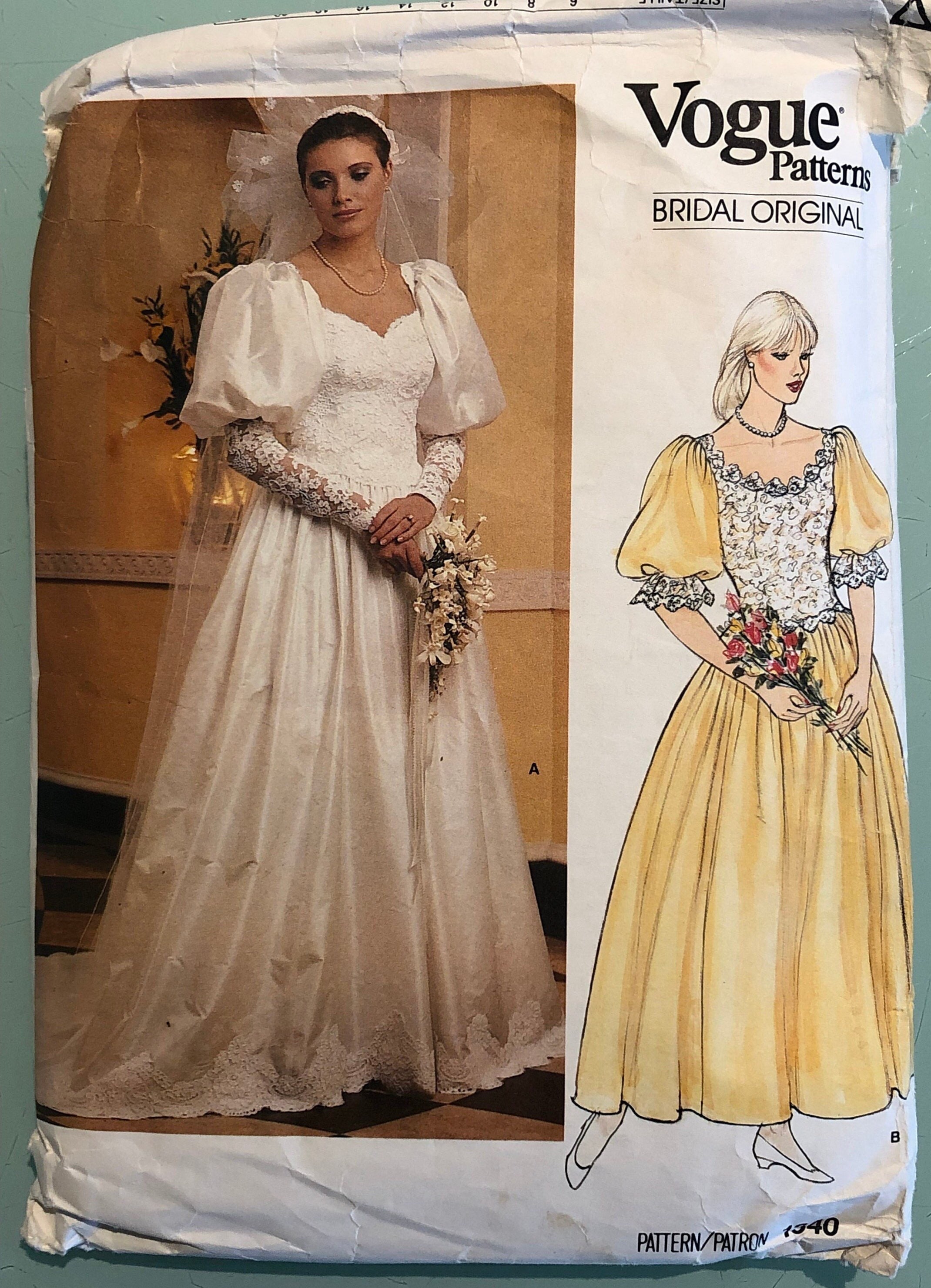
An 1980s wedding is defined by dramatic silhouettes, opulent floral displays, and the heavy influence of contemporary celebrity culture, particularly the 1981 royal wedding of Prince Charles and Lady Diana Spencer. These ceremonies prioritized formal pageantry, large bridal parties, and a distinct visual language—characterized by puffed sleeves, voluminous skirts, and highly stylized reception aesthetics—that remains a hallmark of late 20th-century matrimonial history.
The Architectural Silhouette of Bridal Fashion
The aesthetic of the 1980s was driven by a move toward maximalism. In the early part of the decade, bridal gowns were heavily influenced by Victorian and Edwardian revivalism. High necks, intricate lace overlays, and long, illusion sleeves were standard, reflecting a conservative yet dramatic approach to formal wear.
By the mid-to-late 1980s, the "big dress" became the primary goal for most brides. This was characterized by structural elements such as cathedral-length trains, heavy satin fabrics, and complex crinoline understructures designed to create extreme volume. Puffed sleeves—often described as "leg-of-mutton"—were an essential design element, often extending to the elbow or wrist with delicate lace or pearl detailing. The silhouette was purposefully grand, designed to dominate the physical space of large cathedrals or hotel banquet halls.
Floral Design and Reception Styling
Wedding decor in the 1980s was defined by scale. Unlike the minimalist trends of later decades, 1980s floral arrangements favored "cascading" bouquets that physically spilled over the bride’s hands, often incorporating lilies, roses, and baby’s breath in dense, monochromatic clusters.
Receptions served as a display of social standing and formal hospitality. Venues were frequently decorated with elaborate balloon arches and tulle draping—a low-cost method to transform mundane banquet halls into festive spaces. Lighting was typically warm and ambient, focusing on the dance floor, which remained the central focus of the evening’s activities. The era was also notable for the popularity of the "money dance," an interactive reception tradition that involved guests pinning currency to the bride’s dress in exchange for a short dance, a practice that underscored the decade’s focus on communal celebration and tangible gift-giving.
The Influence of Cultural Icons
The 1980s were the first decade to see wedding trends disseminated globally via mass media with unprecedented speed. The 1981 wedding of Lady Diana Spencer served as the ultimate blueprint for the decade’s bridal aesthetics. Her gown, featuring a 25-foot train, ruffled collars, and massive puff sleeves, influenced bridal boutiques worldwide.
Manufacturers and independent designers quickly pivoted to reproduce these elements for the mass market. This accessibility meant that brides from diverse socioeconomic backgrounds could emulate the "royal" aesthetic. Furthermore, the decade saw the rise of bridal magazines and the professionalization of the wedding industry, which provided structured guidance on everything from etiquette to cake design, cementing the 1980s as the era where the modern "wedding industrial complex" truly took shape.
Comparative Overview: Wedding Elements Then and Now
| Feature | 1980s Standard | 2020s Contemporary Shift |
|---|---|---|
| Dress Silhouette | High volume, puff sleeves | Sleek, minimalist, or boho-inspired |
| Floral Style | Dense, cascading bouquets | Wildflower, unstructured, "field-grown" |
| Reception Venue | Hotel ballrooms/Banquet halls | Industrial spaces, barns, destination |
| Music | Live bands/Top 40 DJs | Curated playlists/Indie-folk acoustic |
| Cake Style | Multi-tier, plastic pillars | Naked cakes, geometric, textured |
Logistics of the Era: Planning and Etiquette
Planning a wedding in the 1980s was a rigorous, paper-based process. Without digital scheduling tools or instant-communication platforms, coordination relied heavily on landline telephones, mailed invitations, and in-person consultations with vendors. Budgeting was primarily managed through physical ledgers, and vendors were usually sourced through local directories or word-of-mouth recommendations within a specific geographic community.
Etiquette was highly formalized. Proper stationery usage, seating arrangements for extended families, and strict dress codes for both the bridal party and guests were observed as markers of social respect. The role of the wedding planner was emerging but not yet the industry standard; typically, the bride and her mother managed the logistical requirements, with the groom’s family responsible for the rehearsal dinner, a custom that was widely adhered to throughout the decade.
Common Pitfalls in 1980s-Themed Events
Recreating a 1980s aesthetic for modern-day events, such as anniversary parties or themed shoots, requires caution. The primary challenge is the balance between kitsch and authenticity. Designers often make the mistake of over-relying on neon colors, which were more characteristic of 1980s street fashion than formal weddings. Authentic 1980s weddings relied on a palette of pastels, white, cream, and deep jewel tones.
Another common pitfall is the misuse of material. The 1980s utilized specific fabrics like taffeta, heavy satin, and eyelet lace. Replacing these with modern, lightweight synthetic blends can detract from the structural "presence" that defined the look of the time. For those looking to honor this era, prioritizing historical accuracy in the cut and fabric of the attire is more effective than adopting superficial neon or synthetic trends.
Frequently Asked Questions
Why were shoulder pads and puffed sleeves so prominent in 1980s bridal fashion?
Shoulder emphasis was a dominant trend in mainstream 1980s fashion, mirroring the empowerment of women in the professional workforce and the theatrical nature of the era’s pop culture. In bridal wear, this translated to oversized sleeves and structured bodices to project an image of grandeur and presence.
What kind of food was served at a traditional 1980s wedding?
Standard reception catering in the 1980s often featured plated dinners rather than buffets. Typical menus included chicken cordon bleu, prime rib, or stuffed sole. Cocktail hours were standardized with simple hors d'oeuvres like shrimp cocktail or stuffed mushrooms, emphasizing consistency over the culinary experimentation found in modern catering.
Did wedding photography change significantly during the 1980s?
The decade saw a shift toward a mix of formal portraiture and candid, "lifestyle" style photography. While posed group photos remained essential, the development of faster film stocks allowed photographers to capture more movement on the dance floor and authentic interactions between guests, moving slightly away from the stiff, studio-only aesthetic of previous decades.
Were destination weddings common in the 1980s?
Destination weddings were relatively rare compared to current standards. Most weddings were hosted in the hometown of the bride or groom to accommodate the logistical needs of large, extended family guest lists. Travel was primarily reserved for the honeymoon phase following the reception.
How were wedding gifts managed in the 1980s?
The "gift registry" became highly formalized during this time. Department stores became the primary hub for couples to select household goods, with the registry system providing a streamlined way for guests to purchase items ranging from fine china and silverware to essential kitchen appliances, reflecting the decade’s focus on establishing a traditional home.
Next Actions for Research and Preservation
If you are currently researching 1980s weddings for historical analysis or event inspiration, the most effective step is to access archival editions of Modern Bride or Brides magazine published between 1980 and 1989. These publications serve as the most accurate primary source for visual trends, vendor advertisements, and the shifting social norms of the decade. For those looking to verify specific family archives, consult the negative strips or prints from that era, as they often contain chronological markers—such as specific car models or interior design trends—that can help date the event more accurately than photographs alone.