1980s television represents a transformative decade where the industry transitioned from a three-network oligopoly toward the fragmented, cable-driven landscape seen today. This era introduced the rise of music video culture, the dominance of the sitcom, and advancements in broadcasting technology that fundamentally altered how global audiences consumed information and entertainment.
The Landscape of the Three-Network Era
At the dawn of the 1980s, the American television experience was defined by the "Big Three" networks: ABC, CBS, and NBC. For most viewers, these networks served as the primary gatekeepers of culture. The programming schedule was characterized by synchronized national viewing habits, where audiences gathered at specific times to watch popular series. This collective experience fostered a shared cultural vocabulary that would begin to dissipate as the decade progressed.
During this period, the production quality of sitcoms and dramas saw significant investment. The decade moved away from the more experimental styles of the 1970s toward high-concept, polished narratives. Hits like Cheers and The Cosby Show revitalized the multi-camera sitcom format, proving that traditional studio-audience shows could achieve massive, long-term ratings success while tackling evolving social norms.
The Expansion of Cable and Specialized Programming
The most significant structural shift in 1980s television was the rapid proliferation of cable infrastructure. In 1980, cable penetration was roughly 20% of American households; by the end of the decade, it had nearly doubled. This expansion allowed for the birth of specialized networks that targeted niche demographics rather than attempting to capture the broadest possible audience.
MTV (Music Television), which launched in 1981, serves as the primary example of this shift. By focusing exclusively on music videos and high-energy presentation, MTV bypassed the traditional network reliance on episodic scripts, effectively creating an entire subculture around video imagery. Similarly, the launch of CNN in 1980 inaugurated the era of 24-hour news cycles. This technological shift transitioned the public from waiting for the evening broadcast to expecting continuous updates, a requirement that necessitated significant changes in editorial pace and production logistics.
Technological Advancements in Broadcasting and Consumption
Beyond the content itself, the 1980s saw the widespread adoption of consumer-facing technologies that empowered viewers to control their television experience. The most pivotal of these was the Video Cassette Recorder (VCR). While the technology existed in the late 1970s, it reached mass-market penetration during the mid-1980s.
The VCR fundamentally broke the "appointment viewing" model. For the first time, consumers could record programs to watch at their convenience, a precursor to modern streaming and on-demand services. This also birthed the home video rental industry, allowing households to curate their own cinema experiences. Additionally, the introduction of remote controls as a standard feature—rather than a luxury add-on—transformed viewing habits. "Zapping," the act of changing channels during commercials, became a common behavior, forcing advertisers to rethink the length and style of television commercials.
Comparing Television Eras: 1980s vs. Modern Standards
| Feature | 1980s Television | 2026 Television Standards |
|---|---|---|
| Primary Delivery | Broadcast/Analog Cable | Digital/IPTV/Streaming |
| Viewer Control | VCR Recording/Appointment | On-Demand/Anytime Access |
| Advertising | Traditional Spots (30s/60s) | Targeted/Dynamic Insertion |
| Content Scope | Mass Appeal / Big Three | Algorithmic / Niche Content |
| Visual Quality | 480i (NTSC) | 4K UHD / HDR / High Frame Rate |
The Rise of the Dramedy and Serialized Storytelling
While the 1980s are often associated with lighthearted sitcoms, the latter half of the decade saw the emergence of more complex, serialized narratives. Shows like Hill Street Blues and St. Elsewhere introduced a "dramedy" sensibility—blending humor with gritty, realistic drama—and employed ensemble casts that interacted across multiple story arcs.
This shift was a departure from the "reset button" nature of earlier television, where characters rarely changed or faced permanent consequences for their actions. By mid-decade, audiences began to expect character development and long-form storytelling. These shows paved the way for the "Golden Age" of television that followed in the 2000s, proving that audiences were willing to invest in nuanced, multi-season character trajectories.
The Global Standardization of News and Live Events
The 1980s also solidified the role of the television set as the center of global real-time information. High-profile live events, such as the 1985 Live Aid concert or the space shuttle Challenger disaster, demonstrated the capacity of satellite technology to unite global audiences in real-time. This technological capability forced a transition in journalism: reporters were now expected to be present at the site of events, often delivering reports via satellite uplink with minimal delay. This created a standard for "immediacy" that remains a core requirement for news organizations today.
Common Questions Regarding 1980s Television
How did the introduction of the VCR change network advertising?
The VCR allowed viewers to fast-forward through commercial breaks, a phenomenon that forced advertisers to move away from purely informational ads toward "high-concept" spots designed to capture attention instantly. This led to an increase in production budgets for commercials and the development of more creative, narrative-driven advertising strategies to combat "ad skipping."
Why were sitcoms so dominant during this era?
Sitcoms provided a sense of stability and comfort during a period of rapid social and economic change. Their production model was cost-effective for networks, and their format—which focused on relatable interpersonal dynamics—allowed for easy syndication. By the end of the 1980s, the profitability of syndication deals for successful sitcoms had become a primary financial engine for television production studios.
What defined the "high-concept" style of 1980s dramas?
High-concept television in the 1980s focused on clear, easily summarized premises—such as a detective show where the characters are constantly on the edge of burnout, or a family comedy dealing with modern economic stressors. These shows utilized tighter editing, faster pacing, and a more aggressive visual style than the slower-paced dramas of the 1960s and 1970s.
How did television technology in the 1980s compare to modern displays?
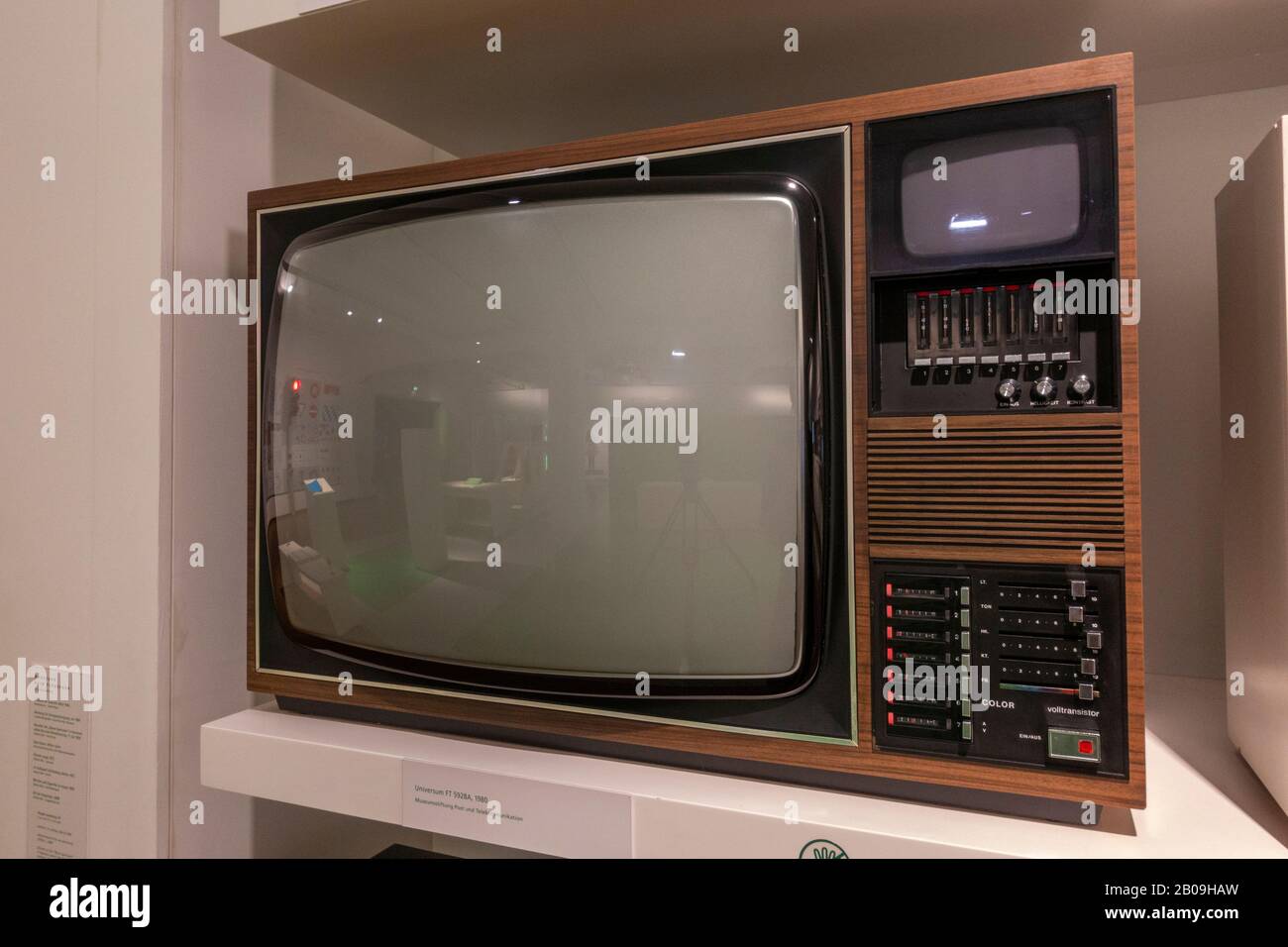
1980s television relied on Cathode Ray Tube (CRT) displays with standard-definition 480i resolution and a 4:3 aspect ratio. Today’s television standards operate on digital, flat-panel, high-definition (HD) or ultra-high-definition (UHD) technology with a 16:9 widescreen aspect ratio. The shift from analog to digital signals significantly increased signal reliability and eliminated the "ghosting" or static common in the 1980s.
Evaluating Legacy Content for Modern Viewers
For those interested in exploring 1980s television, the primary challenge is accessing high-quality restorations. Much of the original broadcast material was captured on magnetic tape, which suffers from physical degradation. When viewing this content in 2026, look for "digitally remastered" versions. Older programs transferred directly from analog tape may appear to have motion artifacts, reduced color depth, and lower contrast compared to modern productions. If you are a media historian or enthusiast, prioritizing releases labeled as "transferred from the original negatives" will provide the most accurate visual representation of the broadcast quality of that time.