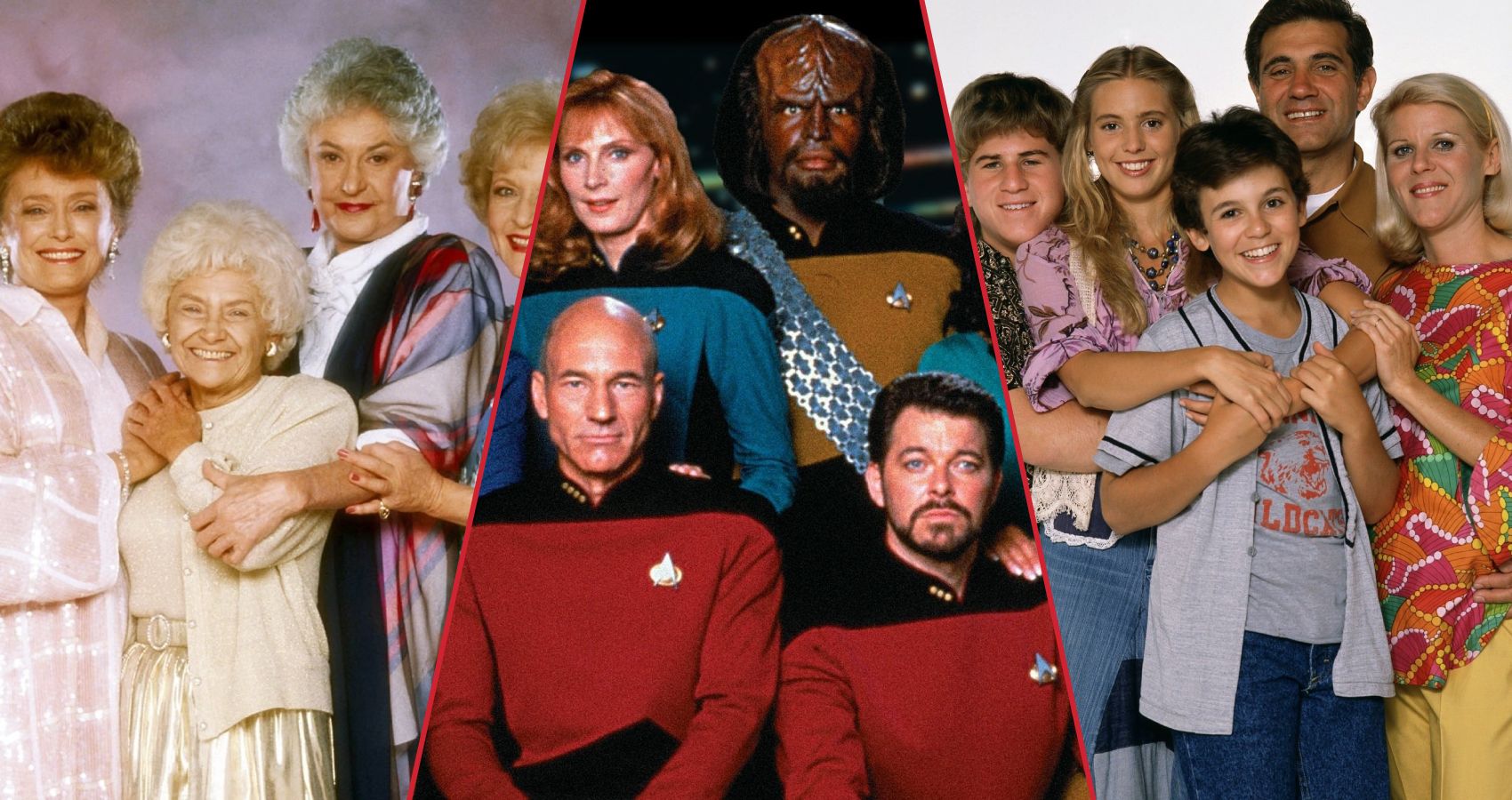
The 1980s represent a pivotal decade for the situation comedy (sitcom), defined by a transition from the gritty, socially conscious narratives of the 1970s toward high-concept premise-driven shows and the rise of the "must-see" family ensemble. By standardizing the multi-camera format filmed before a live studio audience, the decade established the production infrastructure and narrative tropes that dominated television broadcasting for the next thirty years.
The Structural Evolution of the 1980s Sitcom
In the early 1980s, the television landscape was characterized by a shift in tone. While the 1970s favored "relevance"—tackling political and social issues through programs like All in the Family—the 1980s pivoted toward a more escapist, aspirational, and character-centric model. The sitcom became the primary vehicle for network dominance, utilizing a reliable formula: a centralized domestic unit, recurring catchphrases, and the "B-plot" structure that kept audiences engaged during commercial breaks.
Technically, the era consolidated the multi-camera setup as the industry standard. By utilizing three or four cameras on a soundstage, producers could capture multiple angles simultaneously, allowing for efficient filming in front of a live audience. This created a specific rhythm in dialogue delivery—the "pregnant pause" designed to accommodate laughter—that defined the pacing of the decade. Networks, particularly NBC, capitalized on this rhythm to create "blocks" of programming, eventually branding them as "Must See TV" by the end of the decade.
The Archetypes of Domestic Comedy
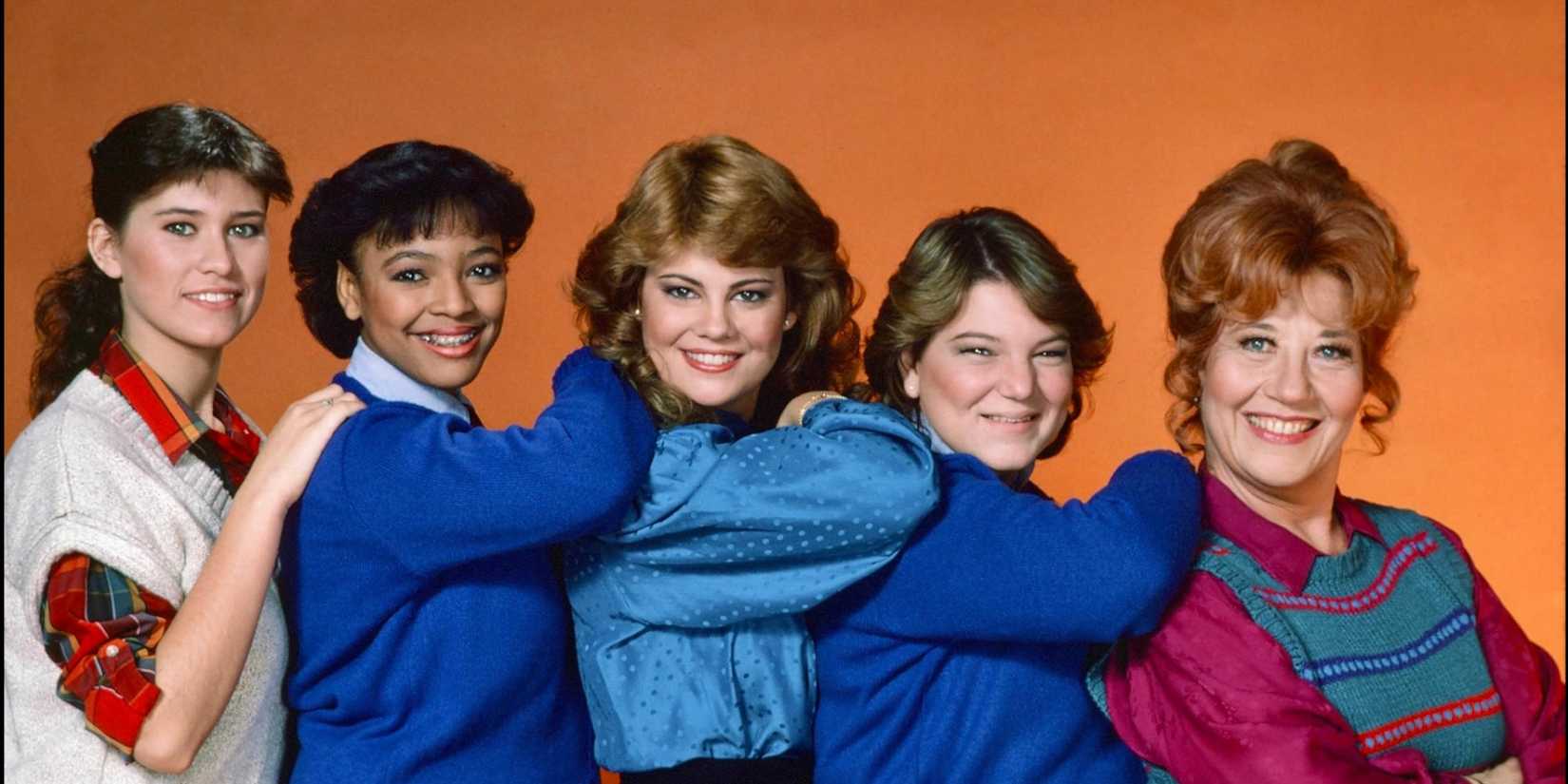
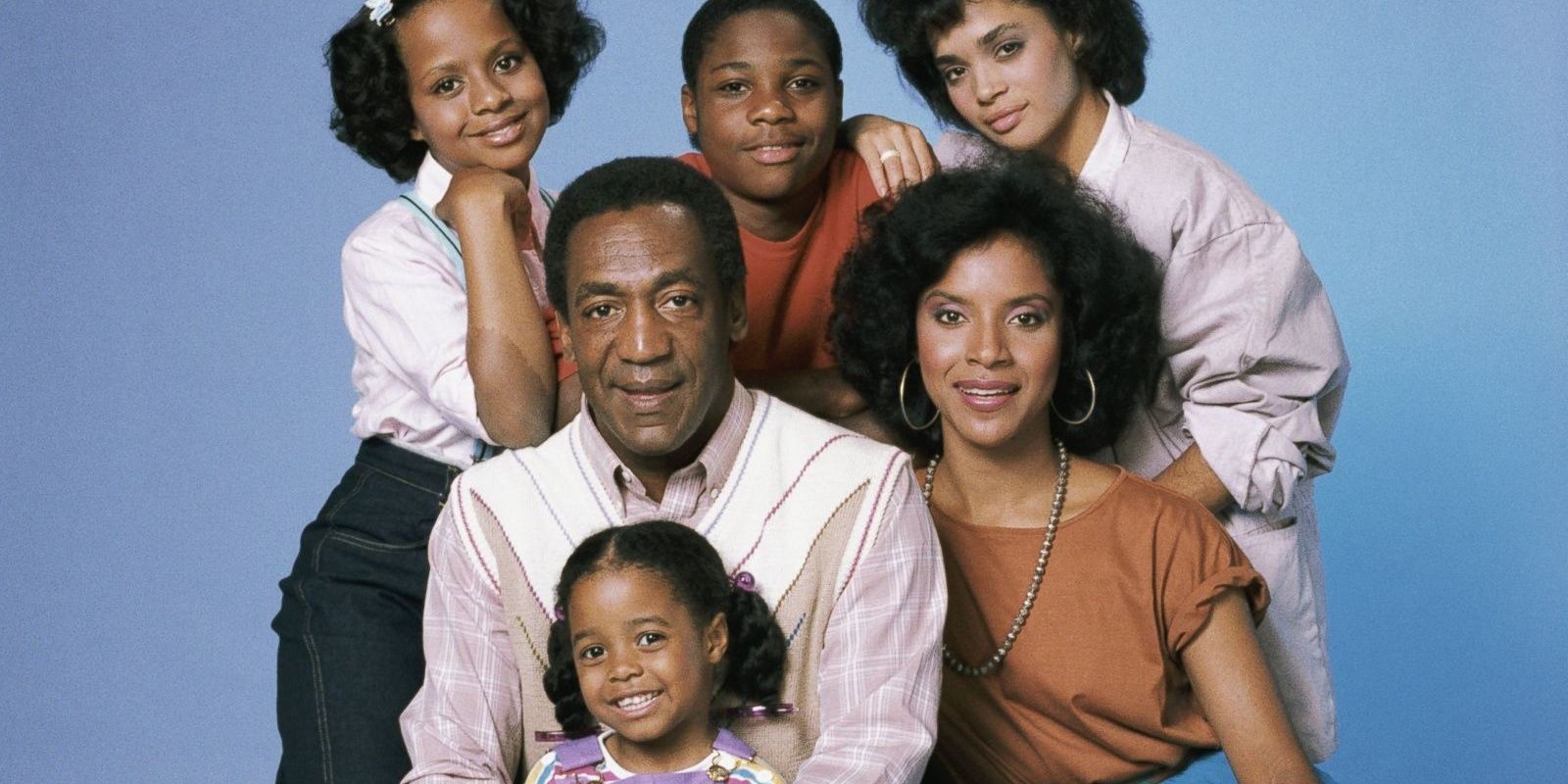
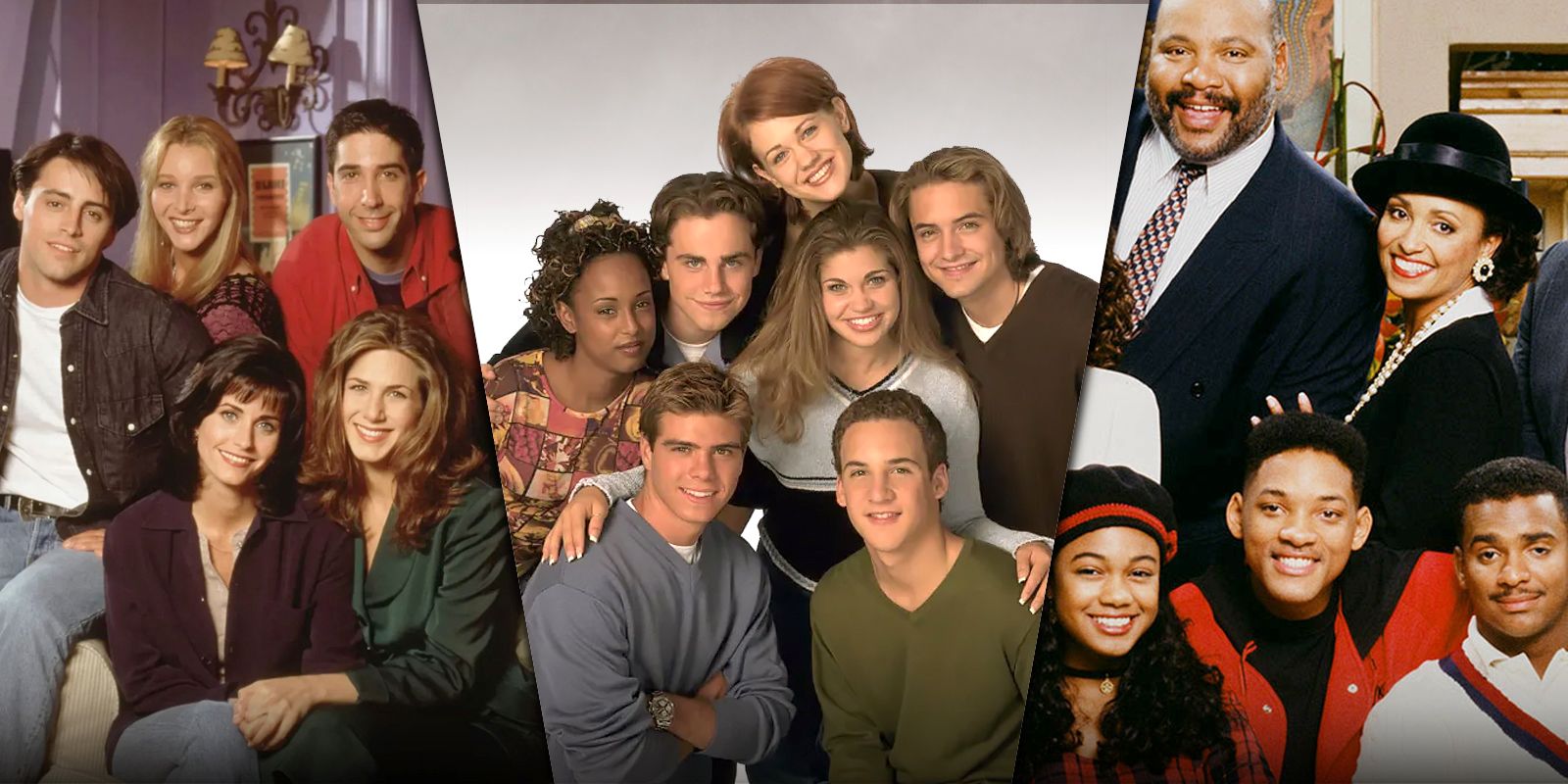
The "family sitcom" reached its zenith between 1984 and 1989. Shows like The Cosby Show, Family Ties, and Growing Pains offered a specific vision of middle-class American life. These programs often relied on the "generation gap" or "work-life balance" as the primary engine for conflict.
- The Professional Parent: Characters such as Cliff Huxtable (The Cosby Show) or Jason Seaver (Growing Pains) moved away from the blue-collar, exasperated fathers of the 1970s, presenting instead educated, professional figures who solved conflicts through wisdom and patience rather than aggression.
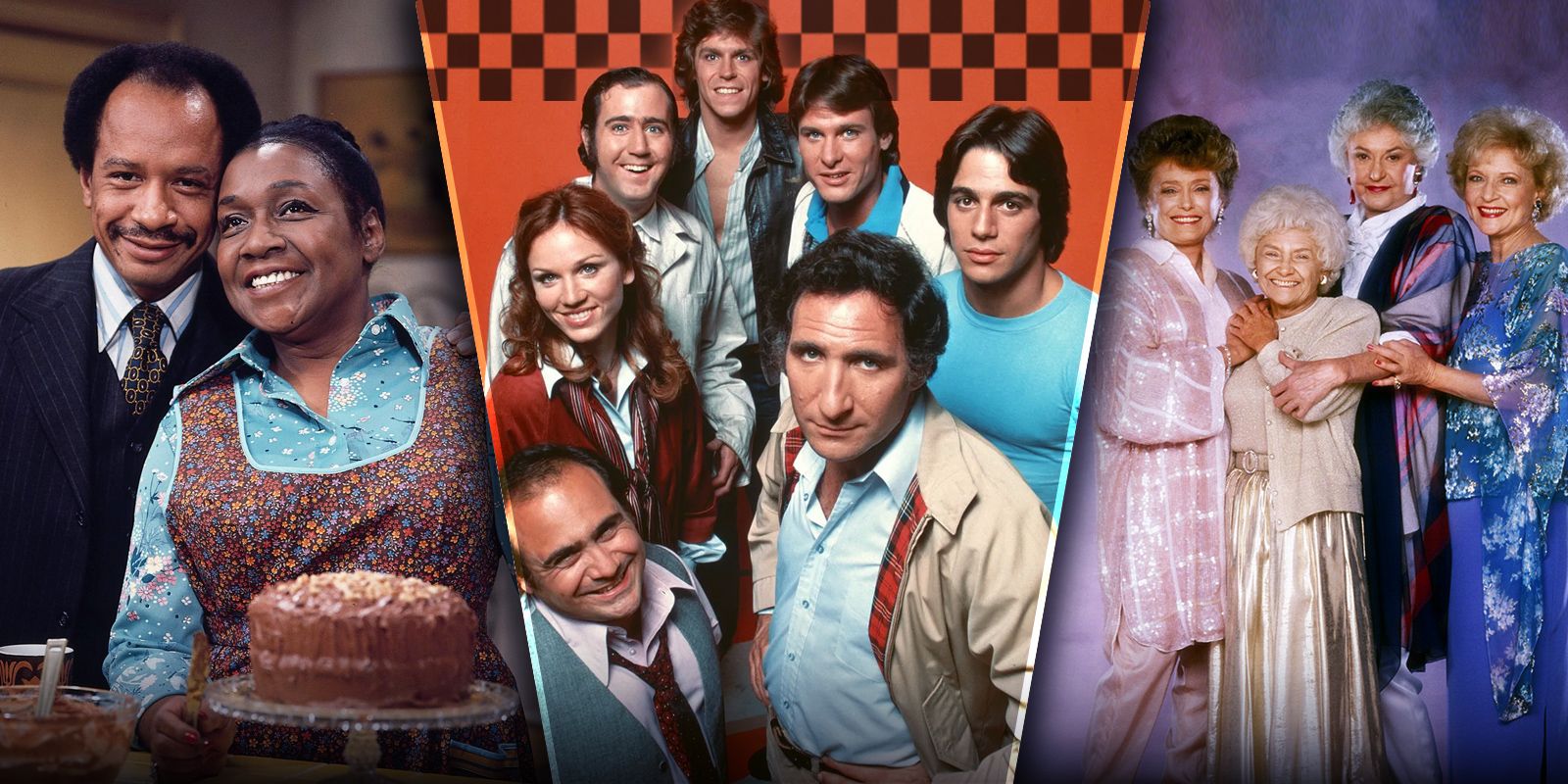
- The Odd Couple Dynamic: While domestic units were central, the "workplace sitcom" also evolved. Taxi and Night Court explored unconventional surrogate families, grounding their humor in the eccentricities of coworkers rather than blood relatives. This allowed for a broader range of personalities and physical comedy opportunities.
- The Precocious Child: The 1980s introduced the trend of the "wise-cracking" child, a character archetype intended to provide a youthful perspective on adult problems. This trope became a staple of the decade, allowing writers to inject sarcasm into otherwise wholesome family interactions.
Technical Specifications and Production Constraints
Producing a sitcom in the 1980s required adherence to a rigid set of production standards. Most episodes were shot on 35mm film or high-end videotape, with a standard run time of 22 minutes (plus 8 minutes for advertising).
| Feature | 1970s Sitcom Style | 1980s Sitcom Style |
|---|---|---|
| Primary Setting | Urban/Working Class | Suburban/Professional |
| Filming Style | Single/Multi-Cam Mix | Multi-Camera Standard |
| Tone | Socially Confrontational | Aspirational/Character-driven |
| Resolution | Standard Definition | Standard Definition (Improved) |
| Audience | Live or Canned Laughter | Integrated Studio Audience |
The transition toward high-production values became evident as the decade progressed. Sets became larger and more detailed, reflecting the economic prosperity of the era. The "canned laughter" (laugh track) of previous decades was largely phased out in favor of authentic laughter from live audiences, which forced actors to refine their timing to account for crowd reactions.
The Rise of the "Breakout" Character
One of the most effective strategies employed by 1980s showrunners was the introduction of the "breakout character"—an individual designed to be more eccentric or charismatic than the lead, often shifting the show's focus.
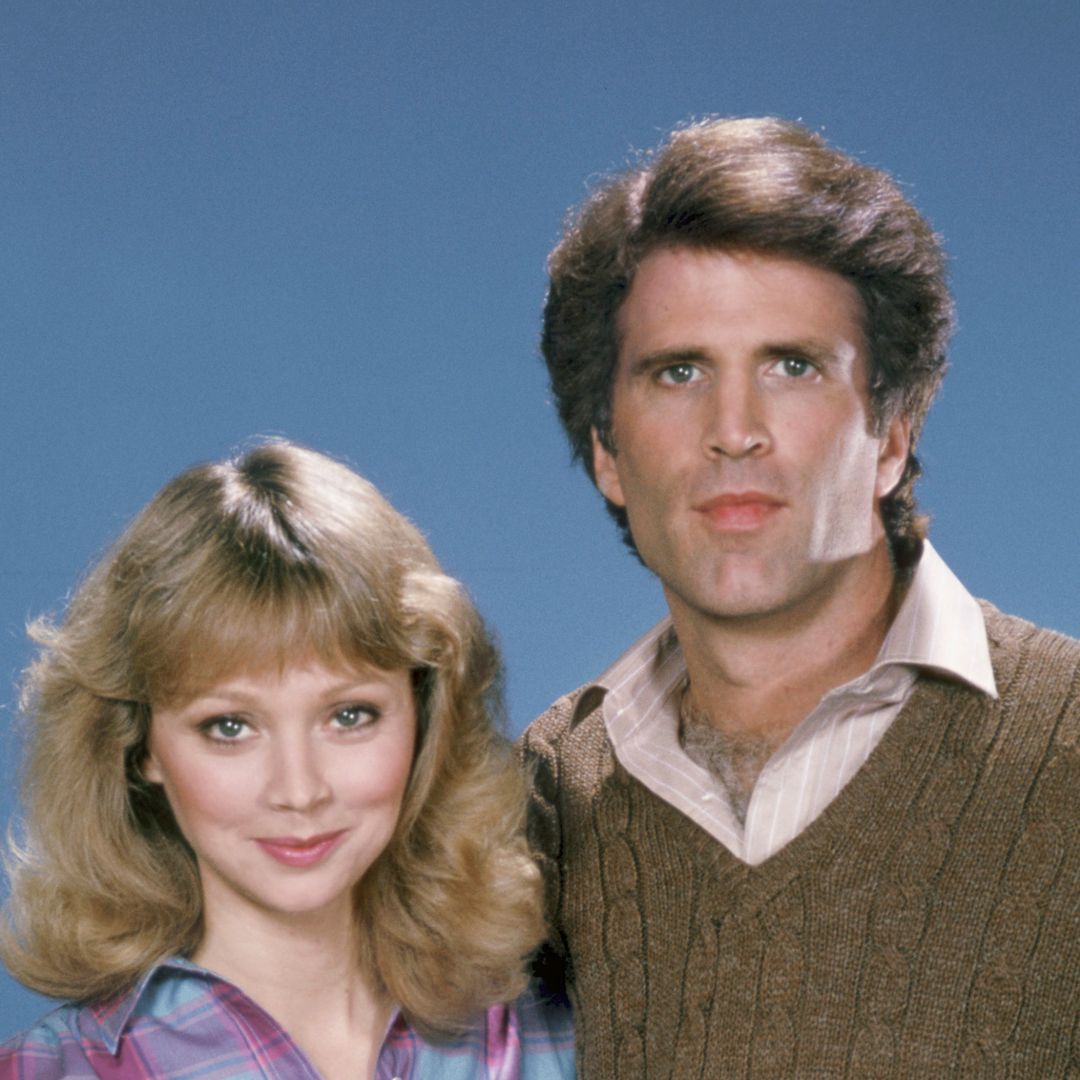
The strategy was simple: include a character that functioned as a "wild card" to disrupt the domestic equilibrium. Characters such as Alex P. Keaton in Family Ties or various characters in Cheers were designed to challenge the status quo of their respective ensembles. This forced the series to grow, as the writers had to resolve the friction between the status-seeking breakout character and the traditional family unit.
Economic Impacts and Syndication
The success of 1980s sitcoms was heavily tied to the economics of syndication. In the 1980s, the "Golden Rule" of television was that a show needed roughly 88 to 100 episodes to be viable for off-network syndication—the process of selling broadcast rights to local stations.
Because of this, 1980s sitcoms were designed for longevity. The writing was episodic rather than serialized, meaning any given viewer could tune into a random episode and understand the premise immediately. This "plug-and-play" nature ensured that these programs remained profitable for decades, surviving well into the 2026 digital streaming era, where they continue to serve as cornerstone content for major platforms.
Frequently Asked Questions
Why do 1980s sitcoms feel more "theatrical" than modern comedies?
1980s sitcoms were produced using a multi-camera, proscenium-arch style format, meaning the sets were arranged to face a live audience. This required actors to play toward the seats rather than the cameras, resulting in a heightened, stage-like performance style that is distinct from the single-camera, cinematic style of modern streaming comedies.
What is the "Must See TV" designation?
"Must See TV" was a marketing branding strategy pioneered by NBC, specifically targeting Thursday nights. By grouping highly rated, high-quality sitcoms like The Cosby Show and Family Ties (and later Cheers) back-to-back, the network created a television event that encouraged viewers to keep their televisions tuned to one channel for several hours.
How did the 1980s change the portrayal of the working class on television?
While the 1970s celebrated the working class through characters like Archie Bunker, the 1980s shifted the focus toward the "aspirational" middle class. Sitcoms of this era generally portrayed characters with stable, professional careers, reflecting the decade’s focus on economic growth and social mobility.
Are these shows still considered standard in television production?
While the specific tropes of the 1980s sitcom have evolved, the structural format—multi-camera setup, live studio audience, and distinct 22-minute narrative arcs—remains the baseline for traditional network television production in 2026. The 1980s effectively "locked in" the technical and business models that networks continue to rely upon.
Recommendations for Preservation and Analysis
For those studying or collecting 1980s sitcoms in 2026, the primary challenge is identifying the original broadcast versions versus later edited syndication cuts. Many series were edited to fit shorter time slots as commercial breaks grew longer in the 1990s and 2000s. To experience these shows as they were originally intended, seek out official "remastered" digital releases, which often include the original pacing and restored footage.
When analyzing these programs, focus on the pilot episodes, which often contain the "blueprints" for the character dynamics that would persist for the next several years. If you are researching a specific series for production or historical study, access the archived scripts held in the Paley Center for Media or equivalent broadcast databases to verify the intent of the dialogue versus the final performance.