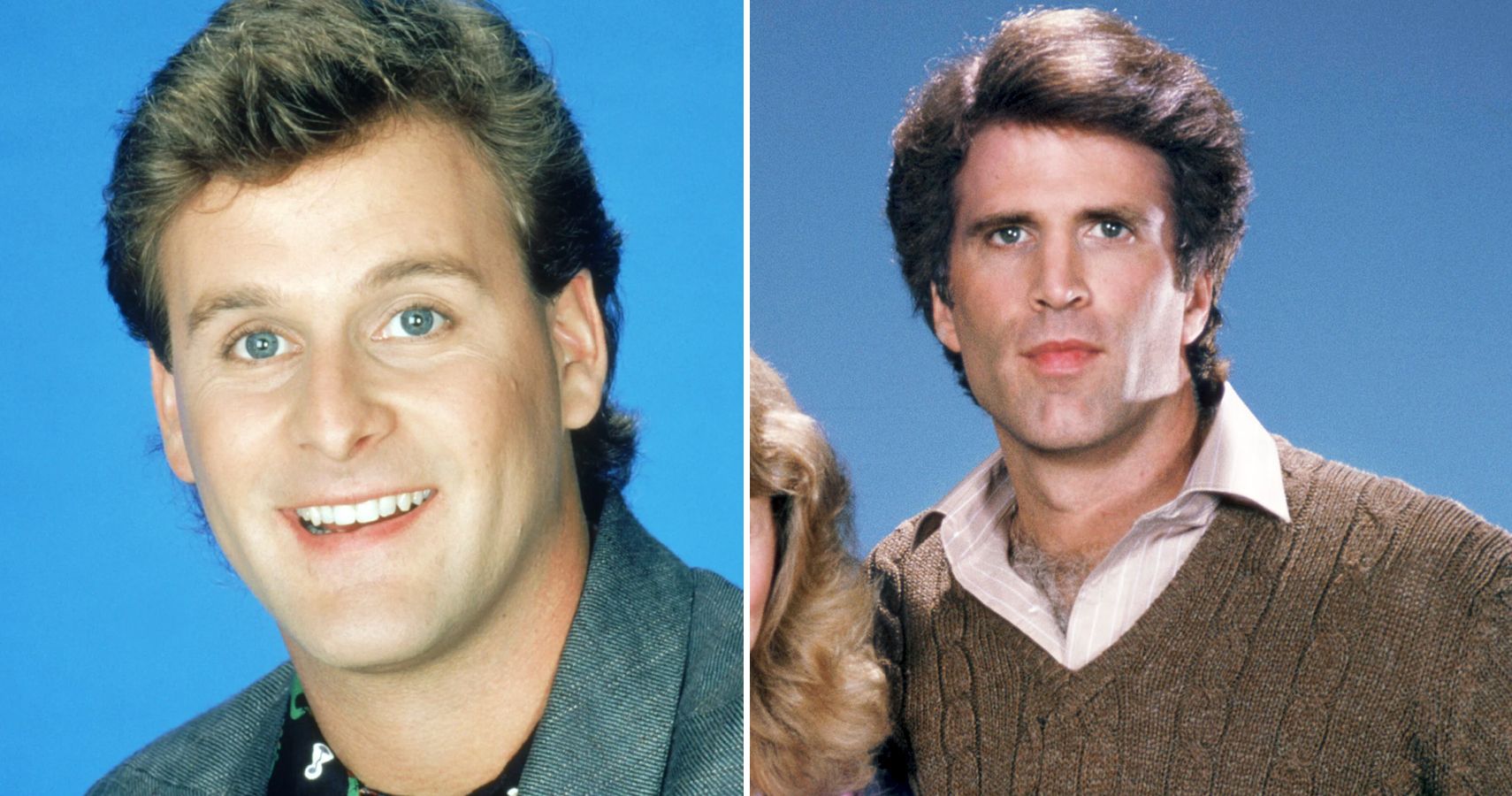
The 1980s sitcom stands as a transformative era in television history, characterized by a transition from traditional multi-camera stage productions to increasingly sophisticated explorations of modern family dynamics, work-life balance, and urban independence. This period solidified the "prestige" multi-cam format, blending live-audience energy with elevated writing standards that defined the comedic landscape for the remainder of the century.
The Shift in Narrative Structure and Subject Matter
At the dawn of the decade, the sitcom landscape was largely dominated by the established norms of the 1970s—socially conscious, often abrasive, and rooted in the "relevant" comedy movement. However, as the 1980s progressed, the genre underwent a significant pivot. The narrative focus shifted away from the overtly political toward the aspirational. Shows like The Cosby Show and Family Ties redefined the American domestic space, emphasizing stable, upwardly mobile households while maintaining the traditional multi-camera setup.
Technically, the 1980s sitcom relied heavily on the "four-wall" approach within a soundstage. This meant filming in front of a live studio audience, a practice that dictated the rhythmic pacing of the dialogue. Writers were required to craft "beats"—intentional pauses that allowed for audience laughter without disrupting the flow of the scene. This cadence became a hallmark of the decade; the timing had to be precise, as the television industry began utilizing sophisticated post-production editing to blend the best takes from multiple tapings.
Production Constraints and Technical Advancements
The production of a 1980s sitcom was a high-stakes, clock-driven enterprise. Unlike modern single-camera comedies that rely on location shooting and film-style lighting, the classic 80s sitcom was a creature of the studio lot. Productions typically operated on a five-day cycle: the first two days were dedicated to table reads and blocking, while the final days focused on dress rehearsals and the high-pressure "tape night."
Lighting design was perhaps the most distinctive technical element of the era. To accommodate the multi-camera setup, sets were bathed in high-key, flat lighting that eliminated shadows, ensuring that no matter where an actor moved, they remained perfectly visible to all cameras. While critics often dismissed this as "flat" or "stagey," it was an essential technical requirement for maintaining visual continuity across three or four cameras shooting simultaneously. This high-key aesthetic became a visual shorthand for the "comfort" of the 1980s sitcom, distinguishing it from the gritty reality of news or the cinematic ambition of hour-long dramas.
Comparison of Iconic Sitcom Formats
The diversity within the 1980s sitcom ecosystem allowed for various sub-genres, ranging from the workplace comedy to the "buddy" dynamic. Understanding these differences is crucial for any retrospective analysis of the era’s technical and narrative contributions.
| Feature | Domestic/Family Sitcom | Workplace/Ensemble Sitcom | Buddy/High-Concept Sitcom |
|---|---|---|---|
| Primary Setting | Suburban Home | Office or Social Hub | Shared Living Quarters |
| Pacing | Moderate/Measured | Fast/Snappy | High-Energy/Physical |
| Core Conflict | Intergenerational values | Professional power dynamics | Personality clashes |
| Key Example | Growing Pains | Cheers | Perfect Strangers |
The workplace sitcom, exemplified by Cheers, introduced a more fluid approach to ensemble character development. By centering the action in a single, consistent location (the bar), writers were able to explore long-term character arcs that were previously rare in television. This structural choice allowed for the "will-they-won't-they" narrative device to flourish, a staple that would eventually lead to the complex serialization of the 1990s and beyond.
Challenges in Preservation and Streaming
In 2026, accessing 1980s sitcoms presents a unique set of challenges for collectors and casual viewers alike. Much of the original material was captured on analog videotape, which suffers from degradation over time. High-definition remasters, which have become standard for modern audiences, are not always available for every title from the decade.
When searching for specific episodes or series, viewers should look for versions labeled as "remastered from original source material." In some cases, the original aspect ratio of 4:3 is cropped to fit 16:9 widescreen displays, which can lead to the loss of background details or awkward framing. Archivists and fans of the medium generally prefer the 4:3 format, as it preserves the intended composition of the original stage-like sets. Furthermore, licensing issues sometimes prevent the inclusion of the original music scores, resulting in "sanitized" versions of classic episodes where iconic needle-drops have been replaced with generic stock audio.
The Evolution of the "Laugh Track"
The 1980s was the peak era for the debate over the "canned" versus "live" laugh track. By this time, most productions insisted on the inclusion of a real audience, yet sound engineers often "sweetened" the track in post-production. Sweetening is the technical process of overlaying or adjusting recorded laughter to ensure the audio levels remain consistent throughout the episode.
This practice allowed producers to control the viewer experience, ensuring that even if a joke landed weakly in the studio, it would receive a favorable response in the final broadcast. While this has been criticized as manipulative, it was a necessary tool in the competitive television landscape of the 80s. The goal was to maintain a continuous, engaging rhythm, preventing the dead air that could cause a viewer to change the channel during a lull in the script.
Frequently Asked Questions
What constitutes a traditional "multi-cam" sitcom?
A multi-camera sitcom uses three or four cameras simultaneously to capture a scene. This allows the production to film in front of a live audience in one continuous take, mirroring the experience of a stage play while providing different angles—wide shots for spatial context and close-ups for emotional impact.
Why do some 80s sitcoms look blurry on modern TVs?
Older sitcoms were produced using standard-definition (SD) video technology, which has significantly lower resolution than modern 4K or 1080p standards. When displayed on large, high-resolution screens, the lack of pixel density creates a soft or "blurry" appearance compared to modern digital content.
How did the 1980s define the "workplace ensemble" trope?
Shows like Cheers and Night Court proved that audiences could bond with a rotating cast of characters in a shared environment. By shifting the focus from the nuclear family to the "found family" of colleagues, writers expanded the comedic potential to include diverse personality types and unconventional life experiences.
Are there significant differences between early and late 80s sitcoms?
Early 80s sitcoms often retained remnants of 70s cynical humor, while mid-to-late 80s sitcoms moved toward more sanitized, aspirational, and high-production-value formats. The latter half of the decade also saw a rise in "high-concept" premises, such as alien encounters or magical elements, which added a layer of spectacle to the genre.
What is the best way to verify the authenticity of a digital transfer?
To ensure you are viewing a high-quality transfer, check the release documentation for mention of "original negative scan" or "digital restoration." Official releases from the primary network or studio are typically the most reliable, whereas unofficial uploads often suffer from multiple generations of compression, leading to significant signal noise.
Finding and Viewing Your Favorite 1980s Sitcoms
To begin your deep dive into 1980s television, start by identifying the production studio associated with your desired show. Many major networks have dedicated streaming portals that host their historical catalogs. For the most authentic experience, prioritize releases that maintain the original 4:3 aspect ratio and retain the original broadcast music. If you are a collector, look for Blu-ray collections, as these frequently include remastered audio and visuals that bypass the compression issues inherent in standard streaming platforms. Always verify the region coding if purchasing physical media to ensure compatibility with your local hardware.