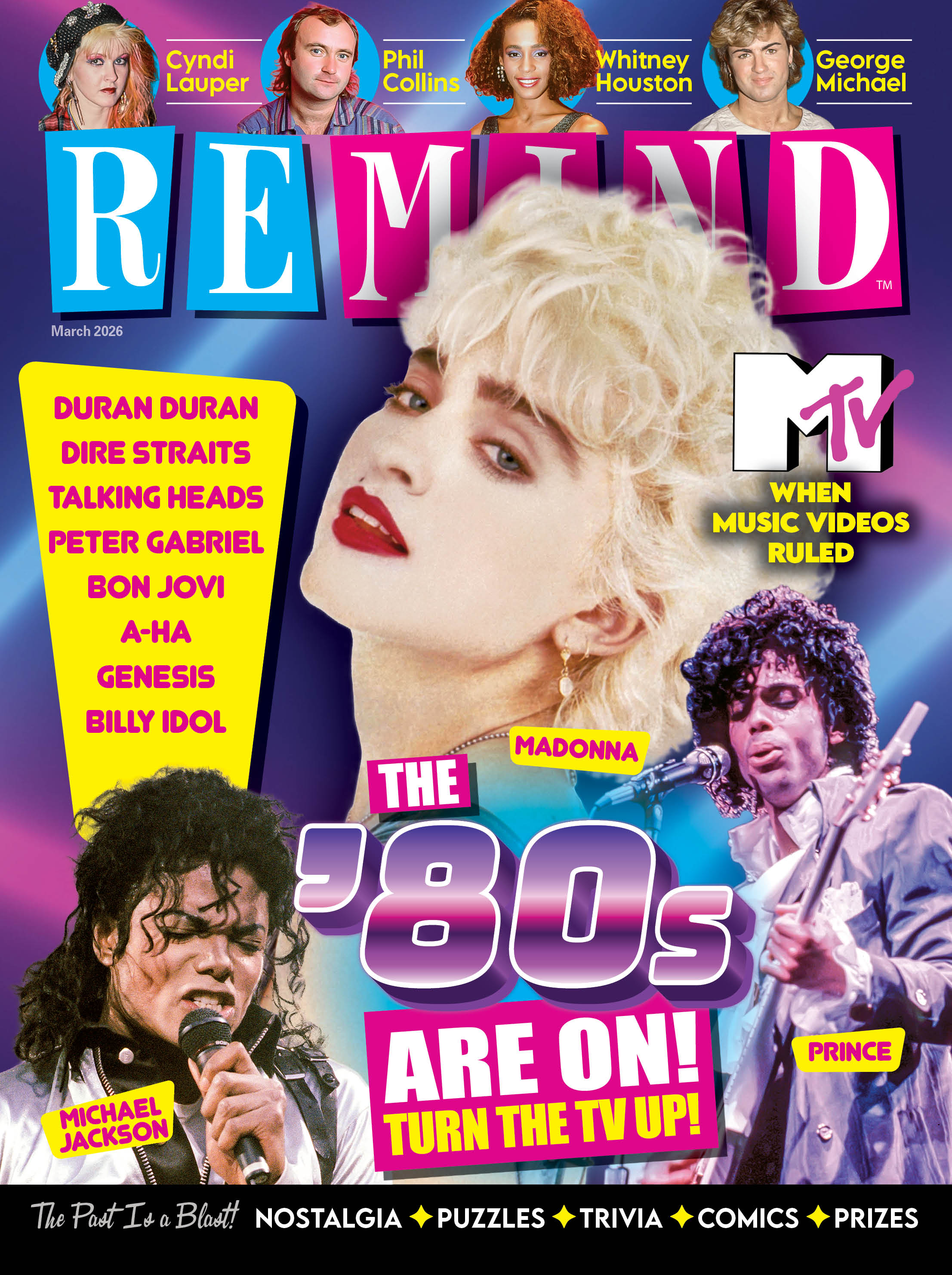
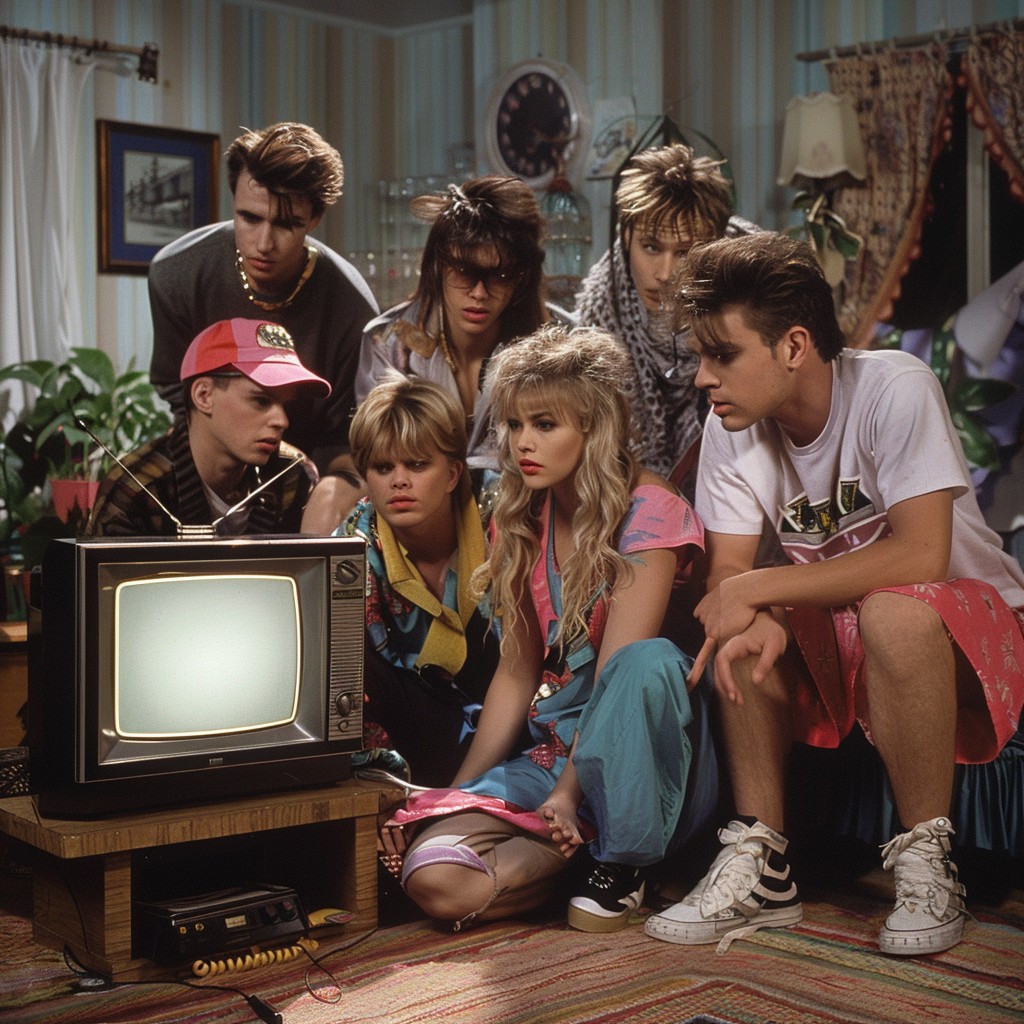
1980s music television represents a foundational shift in audiovisual media, primarily defined by the launch of MTV in 1981 and its subsequent influence on the global music industry. By formalizing the promotional music video as a standard marketing asset, this era fundamentally altered how audiences discovered artists, consumed music, and engaged with pop culture through 24-hour video programming.
The Paradigm Shift: From Radio to Visual Media
Before the 1980s, the consumption of popular music was primarily an auditory experience mediated by radio airplay, live performances, and print journalism. The introduction of cable-distributed music television channels, most notably MTV (Music Television), transformed this dynamic. By packaging music into a continuous visual format, these channels established a new paradigm where the "look" of an artist became as critical as the sonic quality of their recordings.
The technical requirement for this transition was the widespread adoption of cable television infrastructure, which allowed for niche-targeted content to reach households in ways that terrestrial broadcasting could not. This enabled music television networks to curate a distinct aesthetic, heavily influenced by the high-concept visual styles emerging from film and advertising industries. As the decade progressed, the music video evolved from a simple promotional tool—often capturing a performance—into a sophisticated short-form film with narrative arcs, cinematic lighting, and complex editing techniques.
MTV and the Architecture of 24-Hour Programming
The launch of MTV on August 1, 1981, established the template for all subsequent music television. Operating on a 24-hour cycle, the network utilized a rotating roster of "Video Jockeys" (VJs) to provide continuity, bridging the gap between disparate genres and video styles. This programming structure was designed to maintain high engagement levels, effectively functioning as a visual radio station that offered consistent auditory and visual stimulation.
The success of this model was not merely cultural but commercial. By providing a platform for music videos, the channel created a feedback loop: record labels invested more in high-budget videos to secure airtime, which in turn increased the demand for visually striking content among audiences. This synergy between the recording industry and cable providers solidified the music video as a vital promotional asset, eventually leading to the creation of similar specialized channels globally, such as MuchMusic in Canada and various regional MTV affiliates.
Technical Specifications and Video Production Standards
The production of 1980s music television relied heavily on the integration of television broadcast standards with increasingly accessible video production technology. In the early 1980s, the standard format for television broadcast was the one-inch Type C videotape, which provided the high resolution required for professional transmission. As the decade progressed, the introduction of more advanced editing suites allowed for rapid-fire cuts and complex transitions that became synonymous with the "MTV look."
Color correction and the integration of electronic effects—such as chroma keying and early digital signal processing—allowed producers to create surrealist or abstract visuals that defied the limitations of traditional live-action filming. This period also saw the rise of specialized production houses that focused exclusively on music videos, often borrowing techniques from commercial advertising to maximize the impact of the three-to-four-minute format.
Comparative Landscape of 1980s Music Television Services
Music television during the 1980s was not a monolithic experience. Several networks emerged to serve different demographics and geographic regions, often diversifying the content beyond the standard Top 40 format.
| Network Name | Launch Year | Primary Focus | Notable Programming Style |
|---|---|---|---|
| MTV | 1981 | Pop, Rock, New Wave | VJ-led, youth-oriented, high energy |
| Video Hits 1 (VH1) | 1985 | Adult Contemporary | Mellow, lifestyle-focused, wider variety |
| Friday Night Videos | 1983 | Mainstream Hits | Late-night network broadcast format |
| MuchMusic | 1984 | Eclectic/Independent | Interactive, public-facing, cultural mix |
| The Box | 1989 | Viewer Request | Interactive, automated music video jukebox |
The diversity shown in this table illustrates how the market segmented over the decade. While MTV dominated the youth demographic, competitors like VH1 targeted older audiences with different visual aesthetics and programming schedules, proving that the music television format was scalable and adaptable to varying viewer interests.
Cultural Impact and Audience Engagement
The influence of 1980s music television extended far beyond the music industry. It dictated fashion trends, influenced cinematography in feature films, and redefined the celebrity image. The emphasis on high-concept visuals meant that artists who were visually compelling—such as Michael Jackson, Madonna, and David Bowie—could leverage the platform to reach international stardom at a pace previously impossible.
Audience engagement was also revolutionized through the advent of the viewer request. Shows that allowed fans to call in or write to pick specific videos turned the passive act of watching television into an interactive, communal experience. By the late 1980s, this engagement shifted toward more automated systems, such as the introduction of "The Box," which pioneered the concept of a viewer-controlled playlist, essentially an analog precursor to modern on-demand streaming services.
Common Challenges and Constraints
Despite the dominance of music television, the format faced significant limitations throughout the decade. The primary constraint was cable penetration; in the early 1980s, many households did not have access to the necessary infrastructure, meaning a large portion of the audience was excluded from the initial cultural shift. Furthermore, broadcast standards often led to the censorship of music videos that contained controversial imagery or violence, a tension that persisted throughout the decade.
Another challenge was the "video fatigue" that began to set in toward the end of the 1980s. As production costs for music videos skyrocketed to reach the high standards set by the industry, some labels struggled to maintain a consistent output. Troubleshooting these issues often meant reverting to lower-budget, live-performance-based footage or concert documentaries, which served as a reminder that the essence of the medium remained the music itself.
Frequently Asked Questions
What was the first music video ever played on MTV?
The first music video aired on MTV was "Video Killed the Radio Star" by The Buggles, broadcast on August 1, 1981. This choice was highly symbolic, reflecting the channel's intent to shift the primary medium of music promotion from radio to television.
How did 1980s music television affect the development of music videos?
Music television catalyzed a move from simple performance clips to high-concept, narrative-driven short films. Networks required constant, high-quality content, which forced labels to allocate larger budgets for visual production, ultimately turning the music video into a distinct art form that defined the artist's brand.
Were there alternatives to MTV for music television in the 1980s?
Yes, several alternatives existed, such as NBC’s Friday Night Videos for those without cable, and VH1, which was launched specifically to reach an older demographic that felt alienated by MTV’s focus on rock and pop youth culture. Independent and international channels like Canada’s MuchMusic also offered alternative, often more experimental, programming.
Did viewers have any control over what was played?
While the early years were largely curated by VJs and station programmers, the late 1980s saw the rise of viewer-request programs. This allowed the audience to vote for their favorite videos, and services like The Box later allowed viewers to pay to select specific videos from a library, effectively creating a direct-demand model.
How did the 1980s music television era conclude?
The era did not abruptly end, but rather transitioned as the 1990s began. The rise of alternative music formats and the shift toward reality television and lifestyle programming within these networks began to dilute the focus on 24-hour music video rotations, eventually leading to the digital era where on-demand platforms replaced linear broadcast.
Preserving the Visual History of the 1980s
For those looking to research or revisit the visual output of the 1980s, the primary challenge in 2026 is the fragmentation of archives. Much of the original broadcast content exists today through archival footage owned by parent companies or curated by historians on digital video platforms. When seeking specific high-fidelity versions, prioritize official artist channels or licensed music archival projects, as these typically offer the best balance of visual quality and historical accuracy regarding the original release.