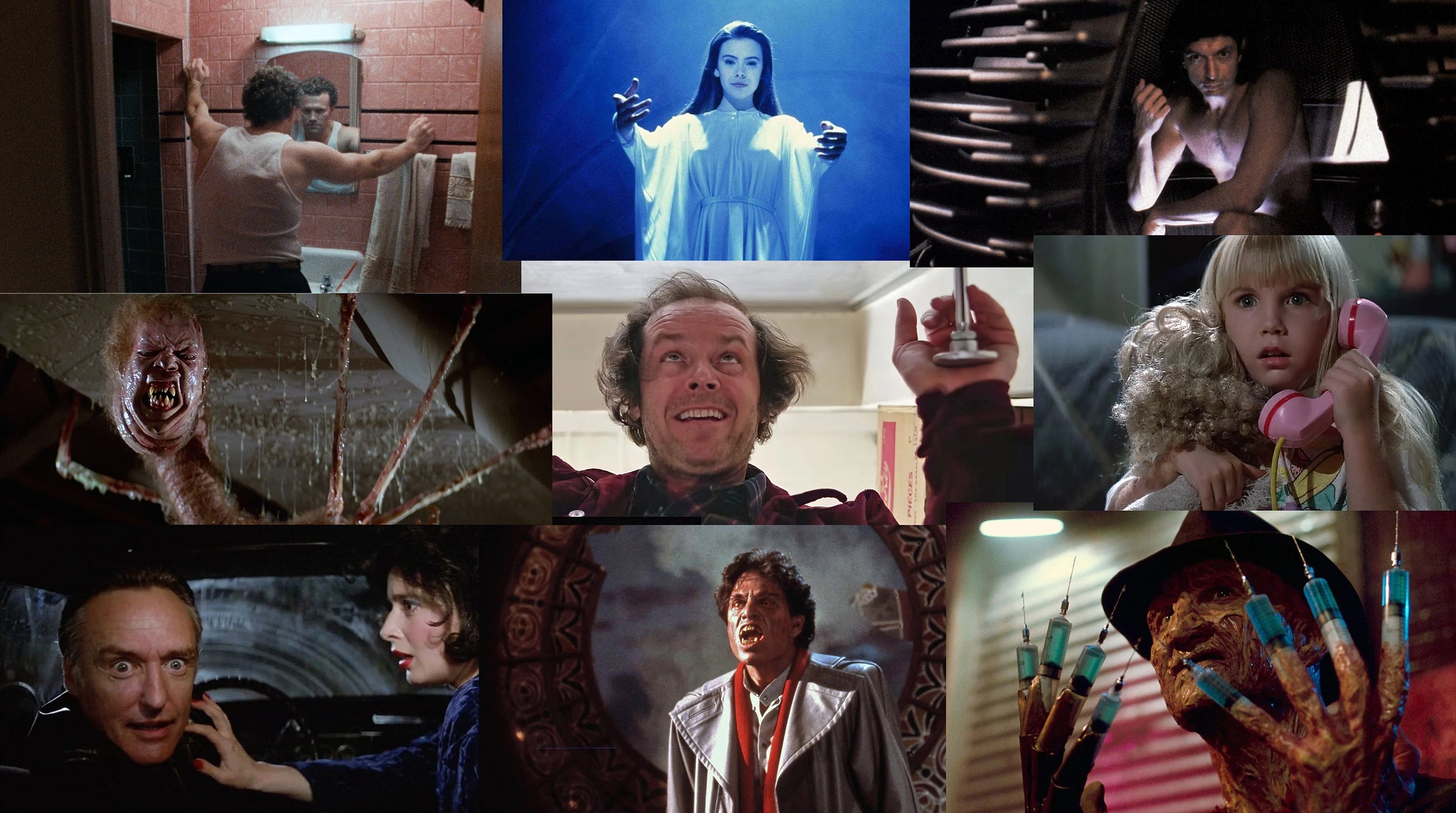
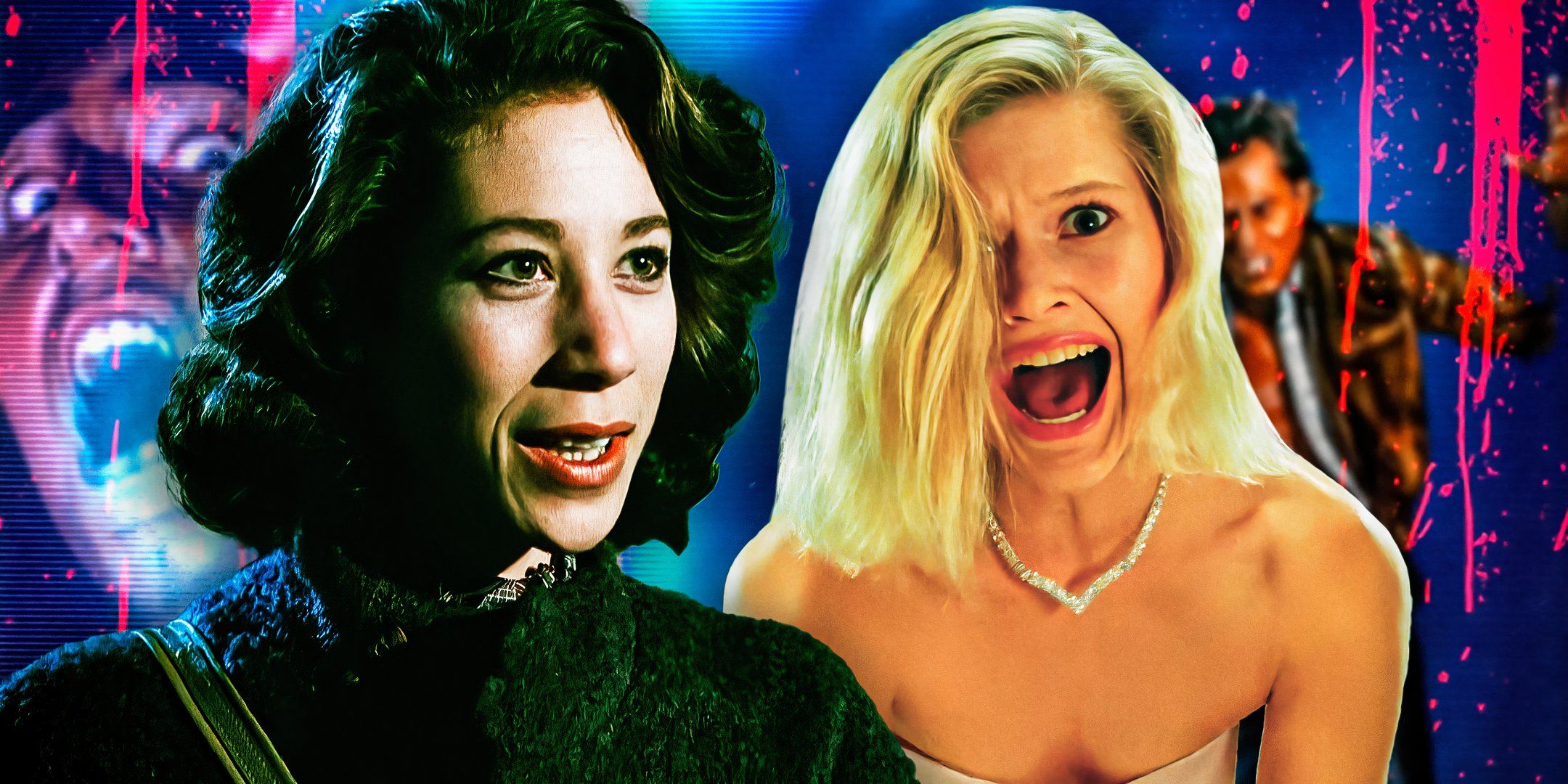
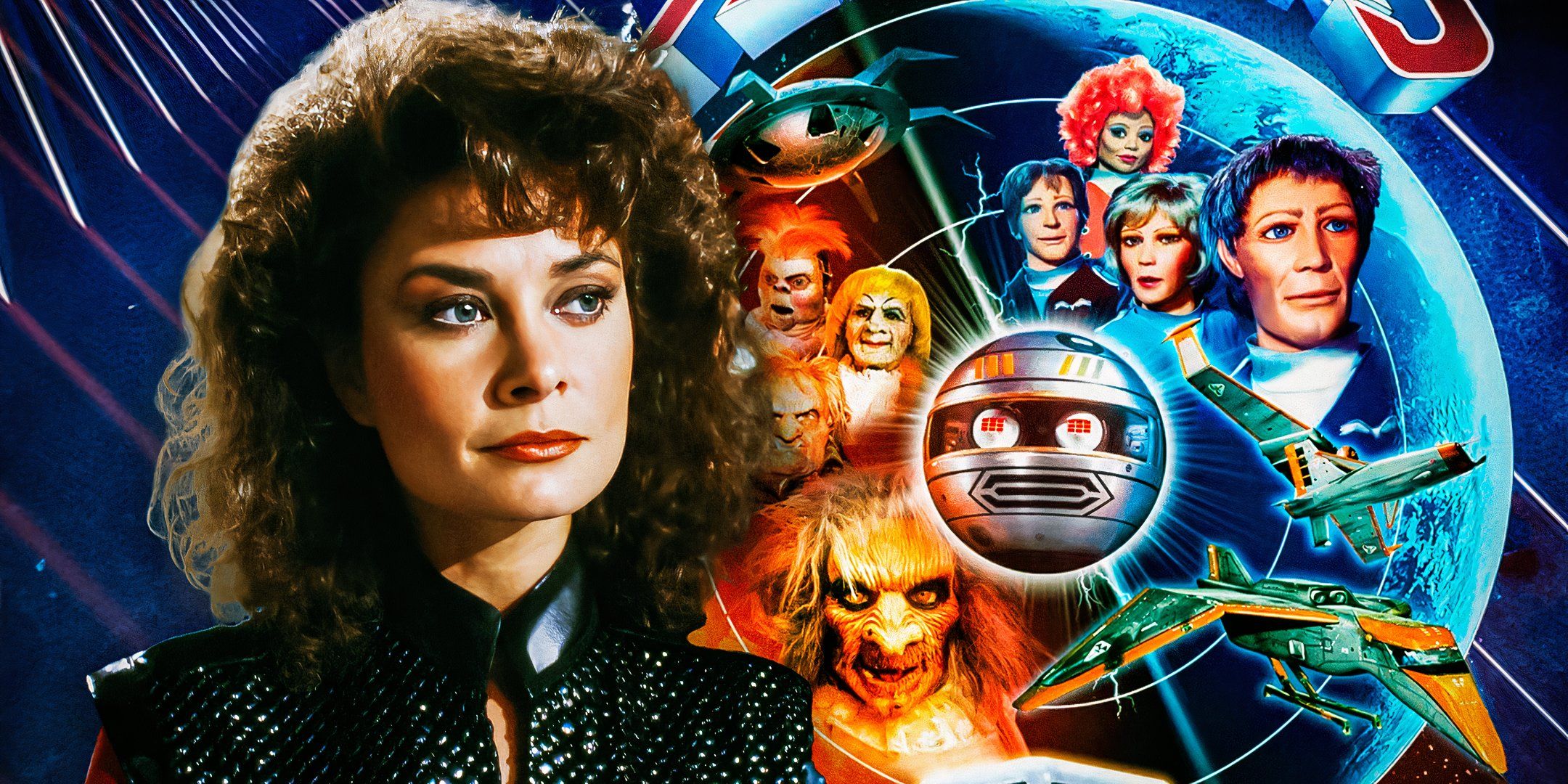
1980s horror represents a transformative era in genre filmmaking characterized by the mainstream proliferation of the slasher subgenre, the peak of practical creature effects, and a stylistic shift toward high-concept, supernatural narratives. This decade solidified the horror film as a blockbuster staple, moving from the gritty, low-budget aesthetics of the 1970s toward stylized, commercialized, and often franchise-driven storytelling.
The Rise of the Slasher Subgenre
The primary pillar of 1980s horror is the slasher film, which gained unprecedented cultural traction during this period. While films like Halloween (1978) established the structural blueprint, the 1980s refined the formula into a reliable commercial engine. Central to this subgenre were the "masked killer" tropes, the "final girl" archetype, and the implementation of moralistic consequences for teenage protagonists.
The success of Friday the 13th (1980) proved that horror franchises were sustainable commodities. Unlike previous decades where films existed largely as standalone features, the 1980s introduced the concept of the recurring cinematic icon. Characters like Jason Voorhees, Freddy Krueger, and Michael Myers became pop culture fixtures, appearing in sequels that aimed to increase the spectacle and complexity of the kills. This era emphasized "body count" efficiency, shifting the focus from suspense-heavy psychological terror to the creative execution of on-screen death.
The Zenith of Practical Effects
The 1980s remain the historical gold standard for practical effects, a period where makeup artistry and mechanical puppetry reached levels of anatomical realism that have not been supplanted by digital technology in terms of physical presence. Pioneers such as Rick Baker, Rob Bottin, and Stan Winston moved the genre away from simple masks to complex, transformative creatures.
In films like The Thing (1982) and An American Werewolf in London (1981), the physical transformation of the human form served as a focal point for the horror. The "change sequence" became a centerpiece of the viewing experience, requiring months of labor using foam latex, pneumatic bladders, and intricate puppetry. This technical depth provided a tactile weight to the horror, forcing audiences to confront visceral, realistic depictions of biological decay and mutation that modern CGI frequently fails to replicate.
Narrative Shifts and Supernatural Themes
While the slasher dominated the box office, the latter half of the decade saw a pivot toward supernatural and technological horror. As the decade progressed, directors began experimenting with "high-concept" premises that blended horror with science fiction or dark fantasy.
The introduction of the "dream demon" through A Nightmare on Elm Street (1984) moved the threat from physical spaces—like summer camps or suburban streets—into the psychological landscape of the subconscious. This shift allowed directors to use abstract imagery, defying the laws of physics and logic that grounded earlier slasher films. Simultaneously, films like The Fly (1986) utilized the "mad scientist" archetype to explore anxieties regarding disease, genetic modification, and the loss of human identity, reflecting a growing societal awareness of complex technological and biological threats.
Critical Comparison of Iconic 1980s Subgenres
To understand the diversity of the decade, it is necessary to differentiate between the primary storytelling frameworks utilized by filmmakers.
| Subgenre | Defining Motif | Iconic Example | Focus |
|---|---|---|---|
| Slasher | The unstoppable masked antagonist | Friday the 13th | Escapability and retribution |
| Body Horror | Biological mutation and decay | The Fly | Visceral transformation of flesh |
| Supernatural | Psychological and dream-based trauma | A Nightmare on Elm Street | Invasion of the subconscious |
| Haunted House | Possession and spectral entities | Poltergeist | Disruption of domestic safety |
The Production and Distribution Climate
The commercial explosion of 1980s horror was supported by the emergence of the home video market. The rise of VHS rentals allowed smaller, independent productions to achieve profitability long after their theatrical runs concluded. This period saw the birth of the "direct-to-video" horror market, which enabled niche directors to experiment with lower budgets and more extreme content that might have been rejected by major studios.
However, this increased accessibility led to the "Video Nasty" panic in certain jurisdictions, most notably the United Kingdom. Legislators and moral advocacy groups scrutinized titles for their perceived violence, leading to strict censorship, bans, and the implementation of more rigid classification standards. This environment created a "forbidden fruit" appeal, where the illicit nature of the media only served to increase its popularity among collectors and genre enthusiasts.
Challenges in Preservation and Restoration
As of 2026, the preservation of original 1980s film stock has become a primary concern for archivists and distribution companies. Many films from this era were shot on lower-budget film stocks or stored in environments that have led to significant degradation of the physical negatives.
The current industry standard for restoration involves 4K digital scanning, color grading, and audio restoration to accommodate modern high-definition home displays. However, purists argue that the "grain" and original color palettes of these films are essential components of their identity. When sourcing 1980s horror for archival purposes, collectors and institutions prioritize "director-approved" cuts, as many films were originally released in truncated or studio-edited versions to meet theatrical run-time requirements.
Frequently Asked Questions
What constitutes a "Video Nasty" from the 1980s?
The term "Video Nasty" refers to a specific list of films targeted for prosecution by the Director of Public Prosecutions in the UK during the early 1980s. These films were labeled as obscene due to depictions of extreme violence. They were not a specific subgenre, but rather a grouping based on legal censorship efforts that influenced how the public perceived independent horror at the time.
Why is practical effects work from the 1980s considered superior?
Practical effects are often favored for their "in-camera" realism. Because the monsters and gore were physically present on set, lighting interacted with them naturally, and actors could react to tangible surfaces rather than green screens. This created a sense of physical danger that translates to the screen, providing a sensory experience that digital effects, which often lack internal lighting consistency, struggle to replicate.
How did the rise of the slasher subgenre affect horror budgets?
The early success of low-budget slashers created a perception that horror was a "guaranteed" investment. Studios began funding more projects, leading to a surplus of derivative films. This caused a temporary bubble in the market, forcing creators to innovate through increasingly elaborate deaths or "gimmick" killers to distinguish their projects from the influx of competition.
Are there significant legal or censorship differences when accessing 1980s horror today?
Most legal restrictions regarding the distribution of classic 1980s horror have been lifted or modified in major markets. However, some titles remain subject to regional classification laws. Collectors should verify that their copies—whether digital or physical—adhere to the regulations of their specific region, as some international versions were heavily edited during the original distribution phase to comply with local censorship boards.
Strategies for Collecting and Archiving
For those looking to engage with 1980s horror today, the priority should be identifying legitimate, restored editions rather than relying on unverified second-hand sources or low-quality digital transfers.
- Verify Source Quality: Look for releases from reputable boutique labels that specialize in physical media restoration. These companies typically include behind-the-scenes documentaries that provide historical context for the practical effects used.
- Seek Uncut Versions: Due to the censorship climate of the 1980s, many films were originally released in truncated forms. Ensure your copy is labeled as the "Uncut" or "Director’s Cut" to view the film as originally intended by the production team.
- Prioritize Proper Storage: If building a physical collection, store media in a temperature-controlled, low-humidity environment to prevent the degradation of plastic components and the growth of mold on film reels or discs.