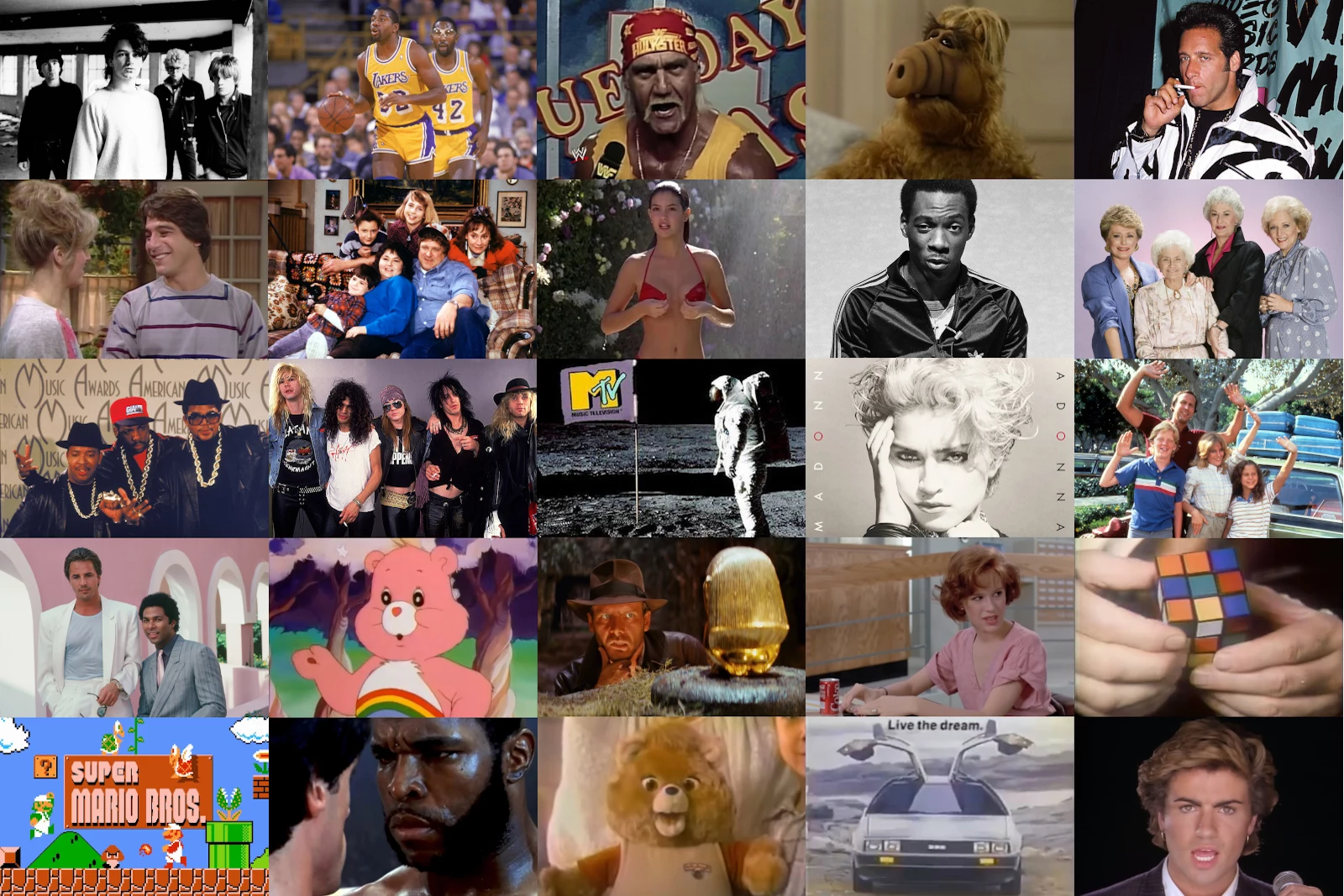
The 1980s entertainment landscape underwent a monumental transformation, driven by the commercial maturation of cable television, the home video revolution via the VCR, the rise of synthesized pop and heavy metal music, and the birth of the modern home video game industry. This decade redefined global pop culture by shifting power to consumers, who could suddenly record broadcasts, play arcade-quality games in their living rooms, and consume music via portable stereo systems.
The Technological Catalyst: Home Video and Audio Revolution
The entertainment consumption habits of the 20th century shifted dramatically between 1980 and 1989, anchored by two foundational consumer technologies: the Videocassette Recorder (VCR) and the portable cassette player. Before this era, cinematic consumption was strictly tethered to theatrical windows, and musical enjoyment required stationary stereo systems or vinyl turntables. The widespread adoption of VHS and Betamax formats introduced time-shifting—the ability to record television broadcasts for later viewing—and sparked the blockbuster video rental store industry. Chains like Blockbuster Video, founded in 1985, institutionalized weekend movie rentals, turning Hollywood catalog titles into profit centers.
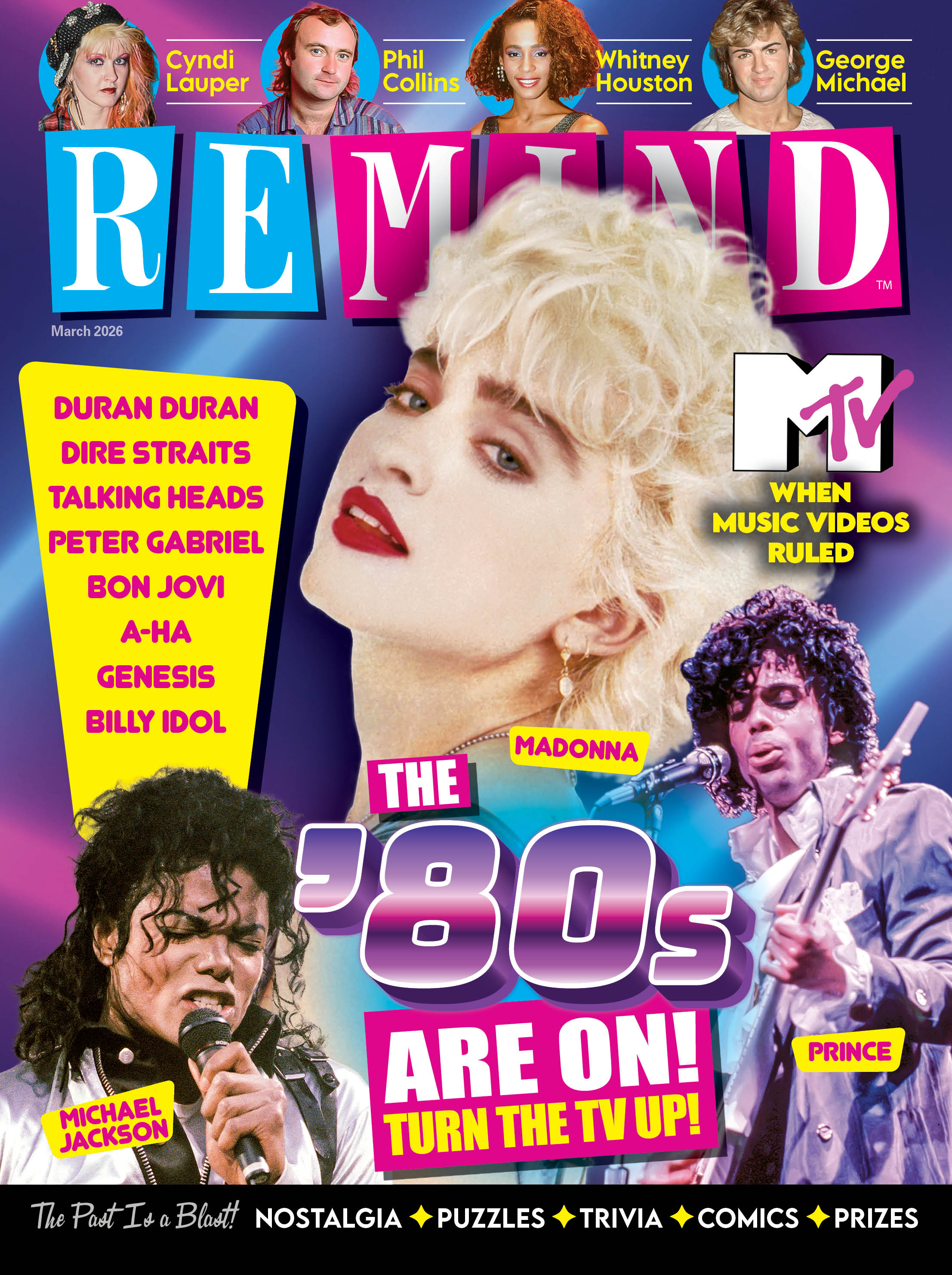
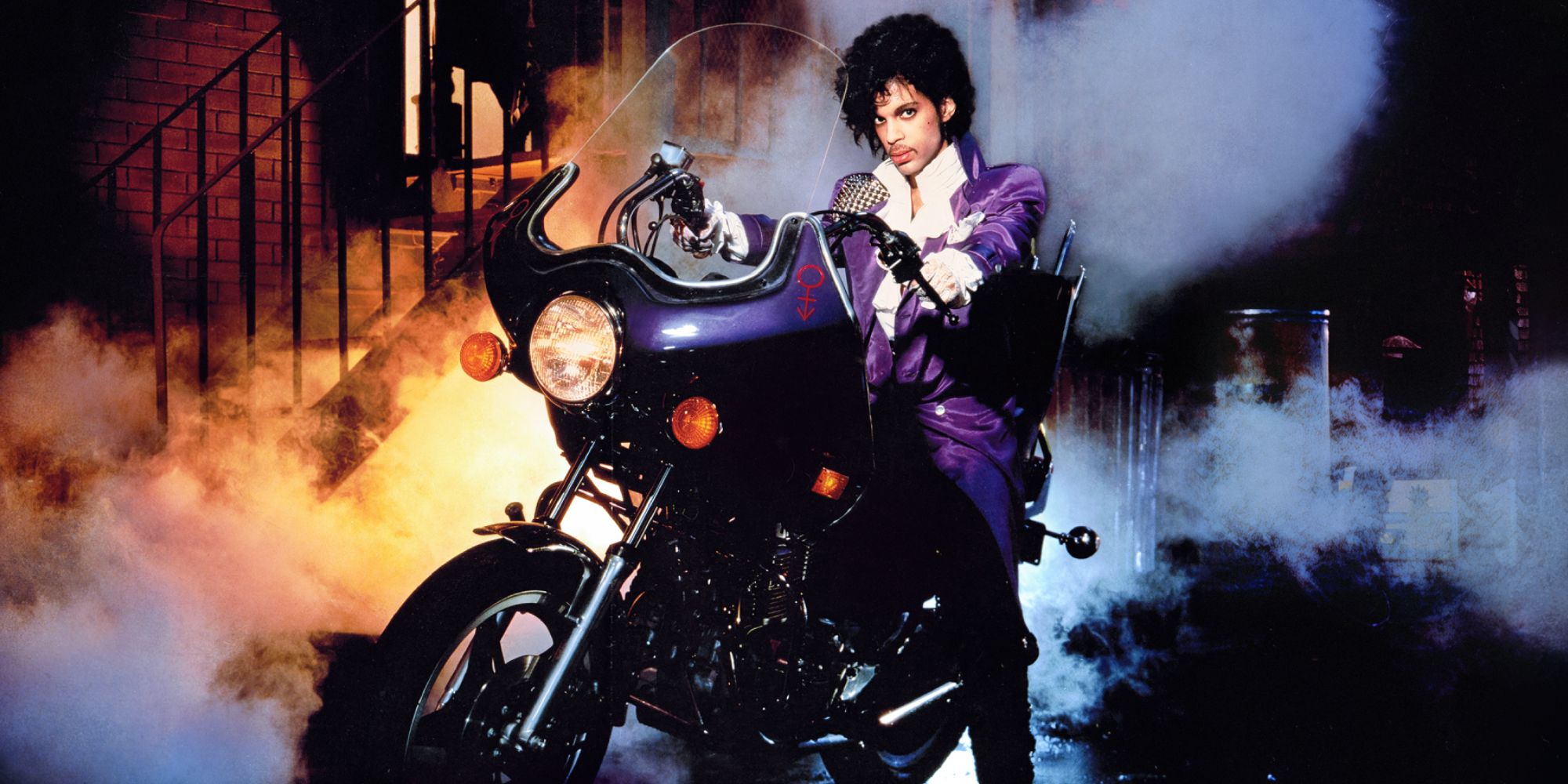
Concurrently, Sony’s Walkman, introduced in late 1979 and dominating the 1980s, revolutionized individual audio consumption. Users could carry curated cassette mixtapes anywhere, privatizing the soundtrack of daily life and altering youth culture. This hardware availability coincided with the launch of MTV (Music Television) on August 1, 1981. MTV transformed the music industry by turning songs into visual narratives, elevating directors and artists who could harness the power of synchronized music video production. Acts like Michael Jackson, Madonna, and Prince leveraged this medium to achieve unprecedented global reach, turning visual aesthetics into a primary driver of record sales.
Cinema of the Decade: Blockbusters, Franchises, and Practical Effects
The 1980s solidified the modern Hollywood blockbuster model, pioneered in the late 1970s by films like Jaws and Star Wars. Studios focused heavily on high-concept, high-budget productions targeted at youth and family demographics, spawning lucrative merchandising campaigns and multi-film franchises. The decade was defined by escapism, high-energy action, science fiction, and high-school coming-of-age comedies directed by auteurs like John Hughes.
Practical visual effects reached a high-water mark during this period. Before CGI dominated the post-production pipeline, films relied on sophisticated animatronics, stop-motion animation, miniature models, and optical compositing. Industrial Light & Magic (ILM) and creature shops led by artists like Rick Baker and Stan Winston delivered tactile, enduring cinematic monsters and environments in films such as The Thing (1982), Aliens (1986), and The Empire Strikes Back (1980).
| Film Title | Release Year | Primary Genre | Box Office Significance |
|---|---|---|---|
| Star Wars: Episode V - The Empire Strikes Back | 1980 | Sci-Fi / Action | Highest-grossing film of 1980; set the standard for modern sequels. |
| E.T. the Extra-Terrestrial | 1982 | Sci-Fi / Family | Briefly became the highest-grossing film of all time worldwide. |
| Ghostbusters | 1984 | Supernatural Comedy | Blended high-concept comedy with blockbuster special effects. |
| Top Gun | 1986 | Action / Drama | Defined the high-octane, music-video-infused aesthetic of late '80s action. |
| Batman | 1989 | Superhero / Action | Proved the commercial viability of dark, stylized comic book adaptations. |
The Evolution and Crash of Video Games
The 1980s witnessed both the near-death and the rebirth of the commercial video game industry. The early years of the decade belonged to the golden age of arcade games, led by cultural phenomena like Pac-Man (1980), Donkey Kong (1981), and Centipede (1981). These coin-operated cabinets generated billions of quarters, establishing video gaming as a legitimate mainstream medium and inspiring early pop-culture crossovers like Buckner & Garcia's novelty hit song "Pac-Man Fever."
However, the rapid expansion of the home console market—flooded with poorly licensed, low-quality cartridges and hardware confusion—culminated in the North American video game crash of 1983. Revenues plummeted by over 90 percent, nearly eradicating the domestic industry. Recovery arrived in 1985 with the North American launch of the Nintendo Entertainment System (NES). Nintendo instituted strict quality-control licensing agreements, a distinct "Seal of Quality," and bundled the console with Super Mario Bros., successfully restoring consumer confidence and establishing the blueprint for modern console generations.
Music Paradigms: Synthesizers, Hair Metal, and Hip-Hop Origins
Musical production in the 1980s underwent a digital transition. Analog synthesizers, drum machines (such as the Roland TR-808 and TR-909), and MIDI (Musical Instrument Digital Interface) protocols standardized in 1983 allowed producers to build clean, rhythmic, and futuristic soundscapes. Synth-pop, new wave, and post-punk dominated radio charts, powered by bands like Depeche Mode, New Order, and The Human League.
Simultaneously, rock music fractured into two divergent camps: stadium-filling arena rock and the rebellious subgenres of heavy metal. Sunset Strip "hair metal" bands like Mötley Crüe, Poison, and Bon Jovi combined anthemic choruses with theatrical visual styling, while thrash metal pioneers like Metallica, Slayer, and Megadeth developed a faster, heavier, and more aggressive underground sound. At the same time, hip-hop emerged from the Bronx in New York City, transitioning from live park jams to commercially pressed 12-inch vinyl singles. Groups like Run-D.M.C., Public Enemy, and the Beastie Boys brought sampling, scratching, and rhythmic lyricism into the mainstream, laying the foundation for modern urban music culture.
Television and Pop Culture Syndication
Television in the 1980s was defined by the expansion of cable networks and high-concept prime-time programming. While broadcast networks (CBS, NBC, ABC) still commanded massive audience shares, cable channels like ESPN, CNN, and HBO began carving out specialized niches. Prime-time soap operas like Dallas and Dynasty captured global audiences with serialized dramatic arcs, culminating in cultural cliffhangers like the infamous "Who shot J.R.?" episode.
Simultaneously, Saturday morning cartoons became a primary vehicle for children's entertainment and toy merchandising. Following deregulation by the Federal Communications Commission (FCC) in the early 1980s, toy manufacturers partnered directly with animation studios to produce half-hour commercial programs disguised as entertainment. Franchises like He-Man and the Masters of the Universe, G.I. Joe: A Real American Hero, and Transformers dominated children's schedules, creating a vertically integrated model of entertainment and consumer goods that persists today.
Frequently Asked Questions About 1980s Entertainment
What major technological device transformed home movie-watching in the 1980s?
The Videocassette Recorder (VCR) transformed home entertainment by introducing VHS and Betamax formats. This technology allowed consumers to record television broadcasts for later viewing and gave rise to the commercial video rental store industry, fundamentally altering how audiences accessed feature films.
How did the launch of MTV change the music industry?
MTV launched on August 1, 1981, and shifted music promotion from purely auditory to visual. By broadcasting music videos 24 hours a day, the network turned visual aesthetics and cinematic storytelling into essential promotional tools, elevating artists who embraced the medium like Michael Jackson and Madonna.
What caused the video game crash of 1983?
The North American video game crash of 1983 was caused by market saturation, an overabundance of low-quality software, a lack of licensing control on home consoles, and consumer loss of confidence. The market did not recover until Nintendo launched the Nintendo Entertainment System (NES) in 1985 with strict quality controls.
Which musical instruments and technologies defined 1980s pop production?
The 1980s music sound was heavily shaped by polyphonic analog and digital synthesizers, programmable drum machines like the Roland TR-808, and the introduction of the MIDI protocol in 1983. These technologies enabled precise electronic sequencing, shaping synth-pop, new wave, and modern dance music.
How did television programming change for children during the 1980s?
Children's television transformed following FCC deregulation, which permitted shows to be explicitly designed around selling merchandise. This led to the creation of animated action franchises like Transformers and He-Man, which served as both narrative entertainment and direct marketing for toy lines.
Preserving and Exploring 1980s Media Today
For researchers, collectors, and enthusiasts looking to explore or preserve 1980s entertainment artifacts, approach the era with an awareness of physical media degradation. Magnetic tape formats such as VHS cassettes and audio compact cassettes degrade over time due to binder hydrolysis and magnetic signal loss. Archival preservation requires storing physical media in climate-controlled environments and migrating analog recordings to digital formats. When purchasing vintage hardware such as CRT televisions, NES consoles, or stereo receivers, verify capacitor health and power supply integrity to ensure safe, reliable operation.