The 1980s represent a transformative decade for cinematic comedy, shifting the landscape from traditional slapstick and romantic farces toward high-concept blockbusters, irreverent teen culture, and subversive satire. This era redefined humor by blending commercial appeal with sharp social commentary, introducing archetype characters and cinematic tropes that continue to influence modern filmmaking, television writing, and pop culture.
The Cultural Shift: From Slapstick to High-Concept Satire
The transition from the 1970s to the 1980s brought a profound evolution in cinematic humor. While the previous decade relied heavily on eccentric character studies, situational comedies, and the tail end of traditional slapstick, the 1980s introduced high-concept premises driven by imaginative scripts, rapid-fire dialogue, and technological advancements in special effects. Studios realized that comedy could be paired with science fiction, fantasy, and action, expanding the genre's box-office potential.
This period also witnessed the rise of the Saturday Night Live (SNL) generation, moving performers from sketch television onto the silver screen. Actors such as Bill Murray, Dan Aykroyd, Eddie Murphy, and Chevy Chase brought a deadpan, improvisational, and often cynical sensibility to feature films. Rather than playing simple everymen, these comedians portrayed clever tricksters, arrogant professionals forced into humility, or ordinary citizens thrust into absurdly high-stakes environments. The humor shifted from gentle observational comedy to an edgy, anti-establishment style that resonated deeply with younger demographics experiencing economic shifts and changing social mores.
Sub-Genres That Defined the Decade
To understand the scope of 1980s comedies, it helps to examine the distinct sub-genres that emerged during this period. Each category developed specific formulas, recurring tropes, and breakout stars that shaped audience expectations.
The Teen Comedy and the Brat Pack Era
Teenagers were no longer just background characters or moral warnings in 1980s cinema; they became the primary audience and subject matter. Filmmakers like John Hughes revolutionized the teen comedy by treating adolescent angst, class divides, and social alienation with genuine emotional intelligence rather than mockery. Movies such as The Breakfast Club (1985) and Ferris Bueller’s Day Off (1986) combined comedy with coming-of-age drama, establishing the cultural dominance of the informal group of young actors known as the "Brat Pack." Concurrently, raunchier, sex-farce teen comedies like Porky’s (1981) established a parallel track focused on adolescent male wish fulfillment and boundary-pushing physical gags.
High-Concept and Supernatural Comedies
The blending of comedy with high-concept premises—often involving the supernatural, time travel, or body-switching—became a massive commercial engine for Hollywood studios. Films like Ghostbusters (1984) and Back to the Future (1985) proved that expensive special effects could enhance comedic timing rather than distract from it. These films relied on the friction between realistic, grounded characters and fantastical circumstances, creating a blueprint for the modern summer blockbuster that balances humor, action, and spectacle.
Action Comedy and the Buddy Dynamic
The 1980s perfected the mismatched buddy comedy, particularly within the action genre. The formula paired two contrasting personalities—typically differing in race, social class, or law-enforcement philosophy—and forced them to cooperate. 48 Hrs. (1982) and Beverly Hills Cop (1984) established Eddie Murphy as a global superstar by leveraging his rapid-fire verbal improvisation against straight-laced authority figures. This dynamic created a template that dominated action-comedy filmmaking for the next three decades.
| Sub-Genre | Representative Films | Key Characteristics | Defining Stars |
|---|---|---|---|
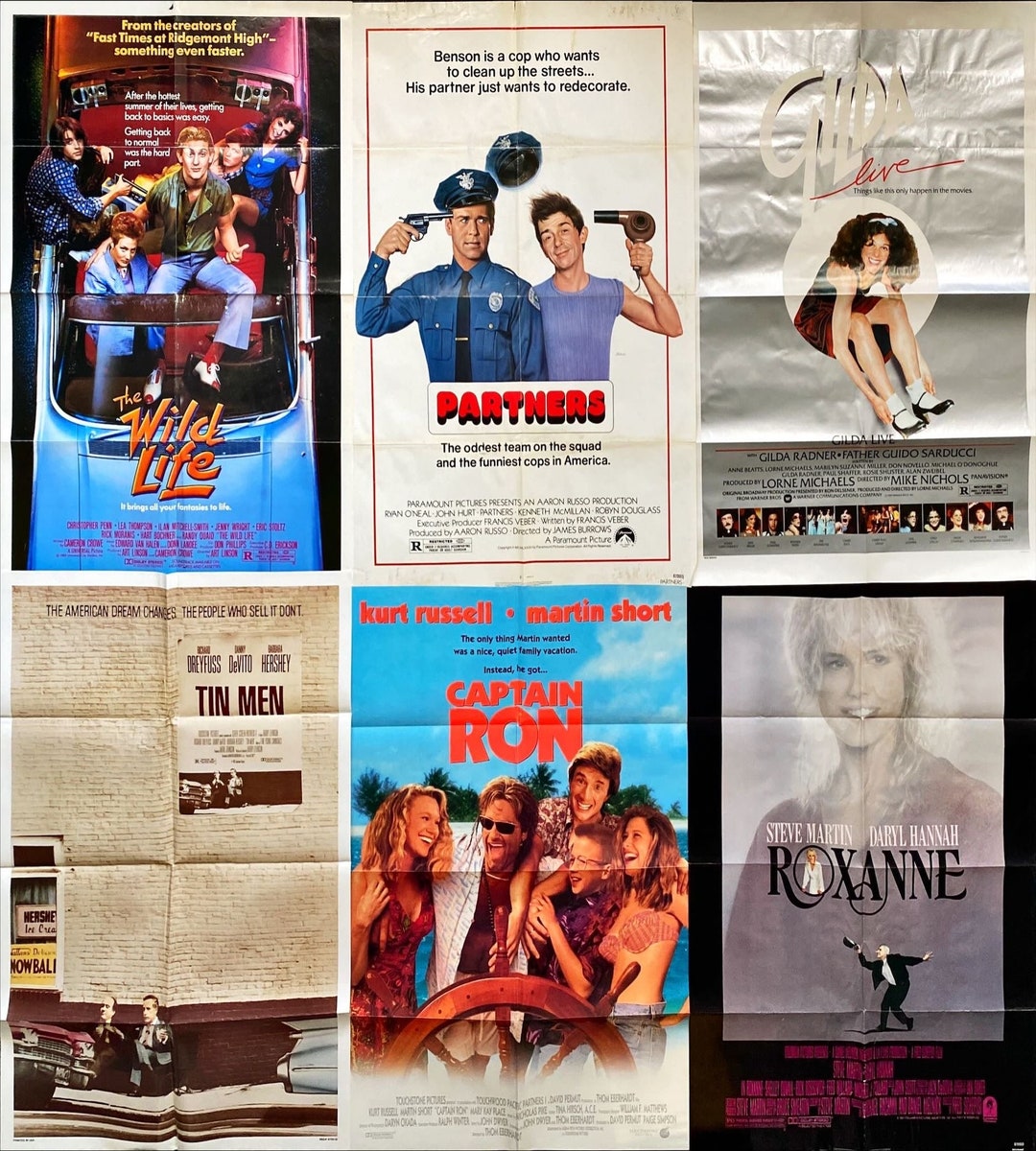
| Teen & Coming-of-Age | The Breakfast Club, Ferris Bueller's Day Off, Fast Times at Ridgemont High | Social stratification, adolescent angst, witty rebellion | Molly Ringwald, Matthew Broderick, Sean Penn |
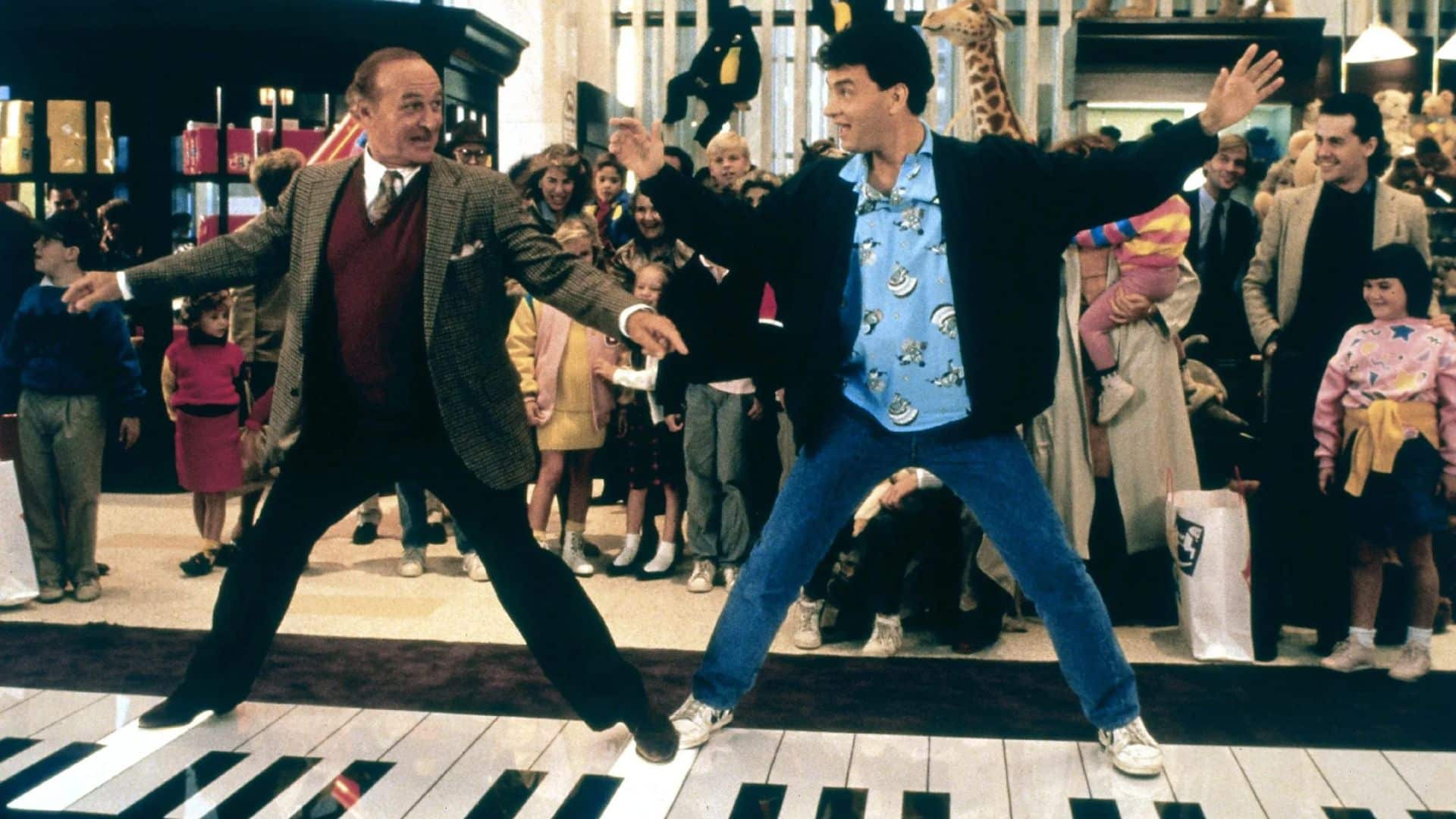
| High-Concept / Sci-Fi | Ghostbusters, Back to the Future, Big | Supernatural elements, body-swaps, fish-out-of-water premises | Bill Murray, Michael J. Fox, Tom Hanks |
| Action & Buddy Cop | Beverly Hills Cop, 48 Hrs., Lethal Weapon | Mismatched partners, urban grit, fast-paced verbal sparring | Eddie Murphy, Mel Gibson, Danny Glover |
| Anarchic Satire | Caddyshack, Airplane!, National Lampoon’s Vacation | Parody, relentless joke-density, institutional subversion | Chevy Chase, Leslie Nielsen, Rodney Dangerfield |
The Production and Stylistic Elements of 80s Humor
Beyond the narratives, the formal techniques of 1980s filmmaking contributed heavily to the comedic style of the era. Directors utilized distinct visual and auditory strategies to maximize comedic impact.
The pacing of dialogue shifted dramatically from the overlapping, overlapping-dialogue screwball comedies of the 1930s and 1940s to a rhythm dictated by deadpan delivery and reaction shots. Cinematographers often favored medium and wide shots that allowed physical comedians full room to perform, while close-ups were reserved for the deadpan stares or exaggerated grimaces of actors like Leslie Nielsen or Chevy Chase.
Furthermore, the integration of pop-rock soundtracks became a hallmark of the decade's comedies. Songs were not merely background filler; they actively drove narrative montages, underscored character transformations, and provided ironic commentary on the visual action. The combination of synthesized pop music with suburban landscapes cemented the distinct aesthetic identity of the era.
Evolution and Legacy on Modern Media
The influence of 1980s comedies extends far beyond nostalgia, serving as the foundational DNA for contemporary television sitcoms, satirical internet culture, and modern cinematic franchises. The ironic distance and self-aware meta-humor popularized by films like Ferris Bueller's Day Off—where the protagonist directly addresses the audience—became standard storytelling techniques in shows like Fleabag and modern mockumentary television.
Moreover, the high-concept blockbusters of the 1980s established the multi-quadrant tentpole strategy that major entertainment conglomerates still use today. The balancing act between broad visual gags for younger audiences and sharper satirical subtext for adults remains the gold standard for family and commercial entertainment.
Exploring the Genre Today
For viewers looking to revisit or explore the cinematic landscape of 1980s comedies, understanding the production context and stylistic evolution enhances the viewing experience. While some elements—particularly certain social attitudes, gender dynamics, and cultural stereotypes—have aged poorly and require critical contextualization, the structural ingenuity, tight screenwriting, and iconic performances continue to offer valuable masterclasses in comedic timing.
To fully appreciate the era, viewers should look beyond the major box-office hits and examine the mid-budget studio releases and indie projects that allowed writer-directors creative autonomy. Engaging with these films as both historical artifacts and enduring pieces of entertainment reveals how cinematic humor adapts to cultural anxieties.