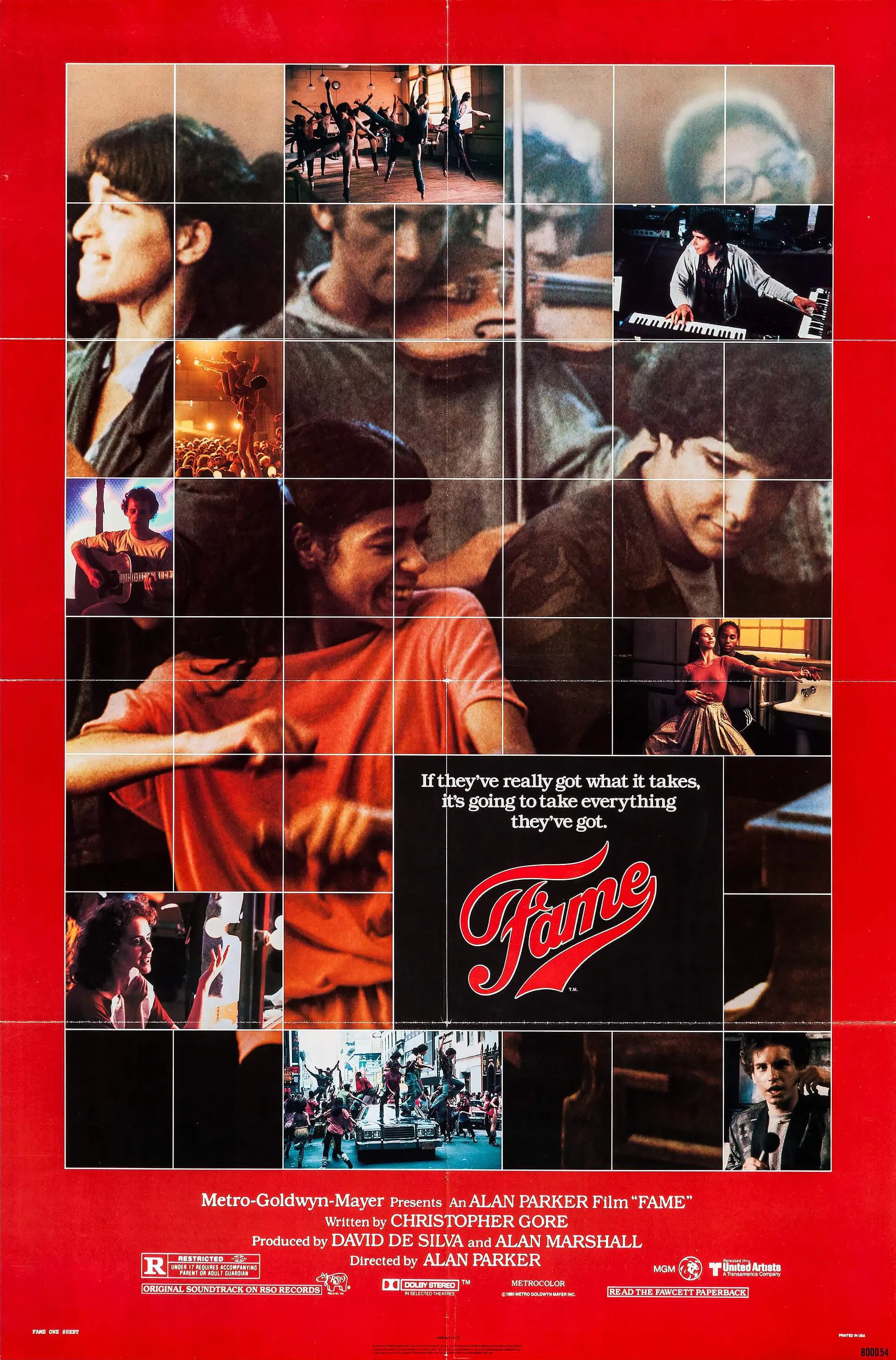
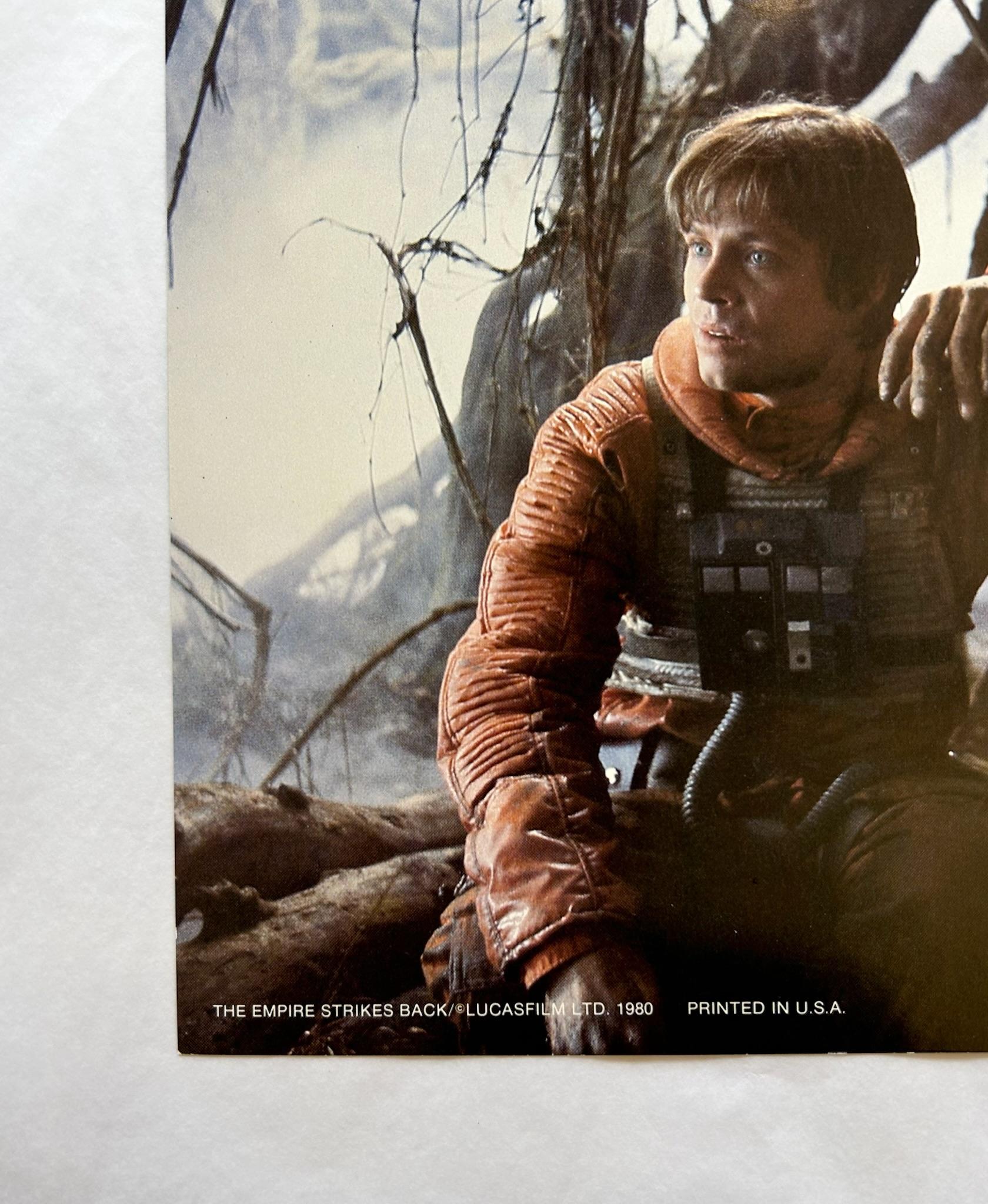
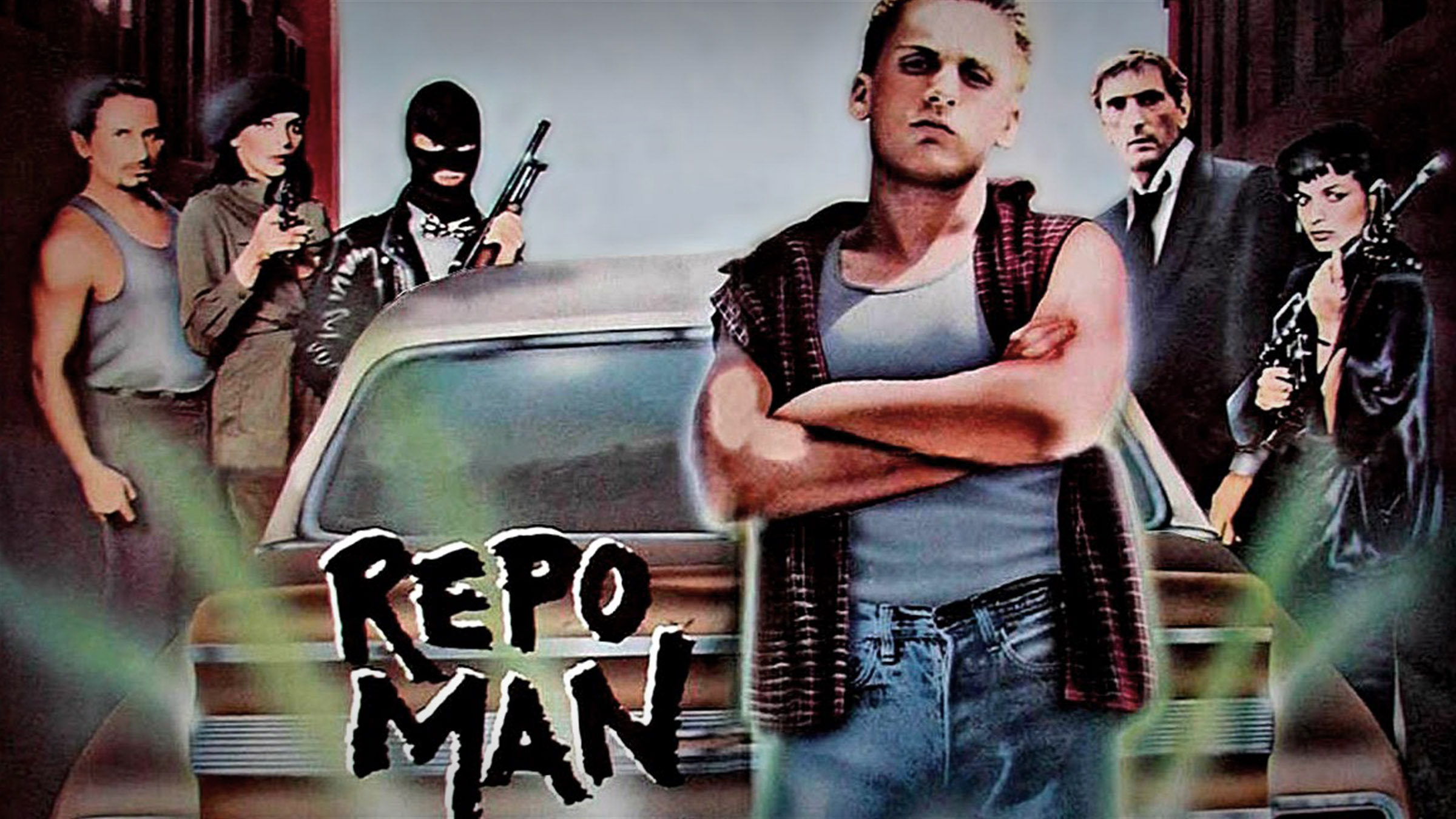
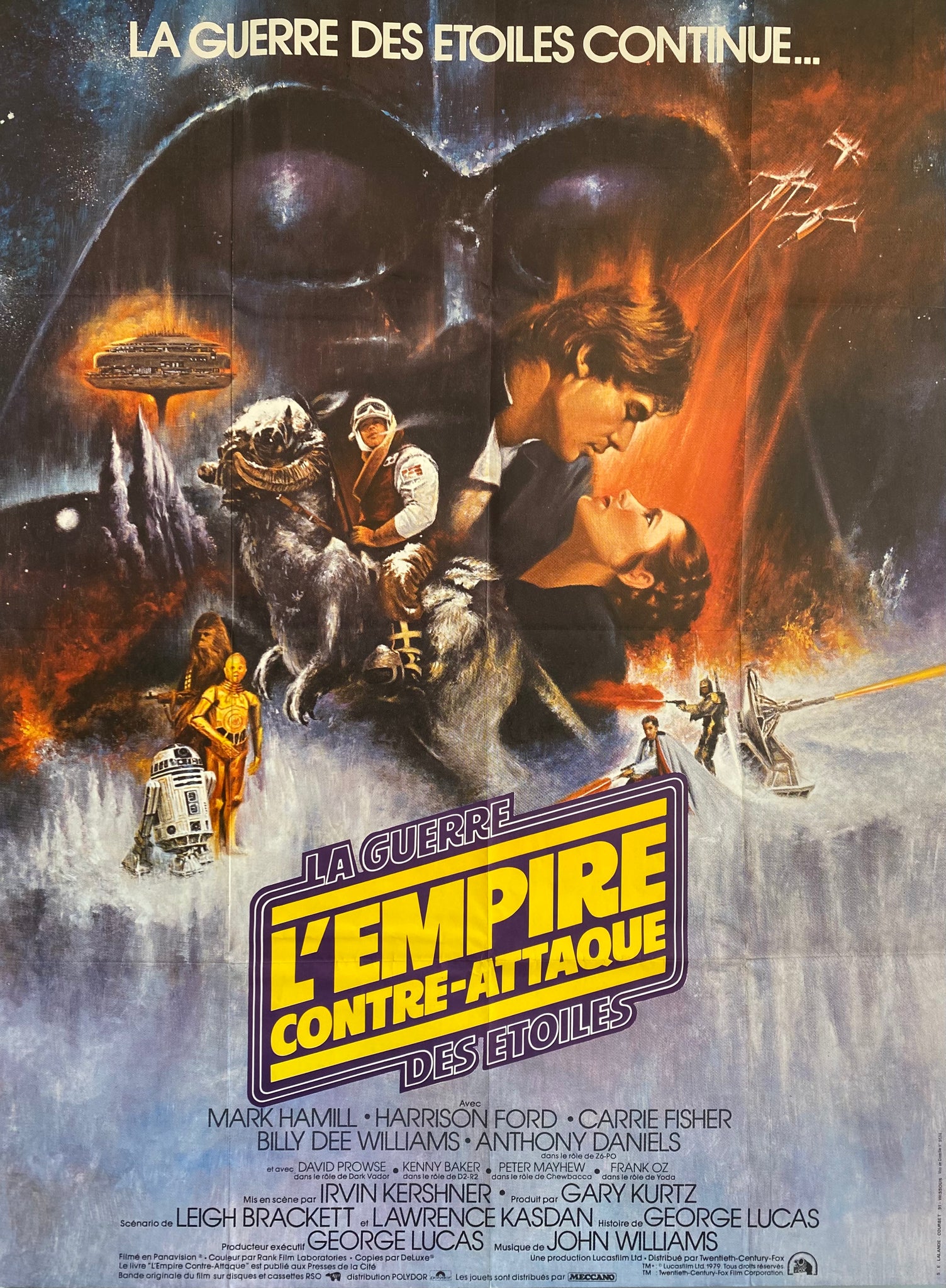
The cinema of the 1980s fundamentally transformed the global film industry by institutionalizing the modern blockbuster, pioneering computer-generated imagery, and shaping youth culture through iconic coming-of-age dramas and high-concept action franchises. This decade established commercial templates that still dominate Hollywood production, marketing, and distribution strategies.
The Rise of the Modern Blockbuster and High-Concept Cinema
The cinematic landscape of the 1980s was shaped by the commercial success of films from the late 1970s, specifically Jaws and Star Wars. These milestones proved that a movie could transcend traditional exhibition windows through saturation booking, widespread television marketing, and aggressive merchandising campaigns. Studio executives shifted their primary focus away from gritty, character-driven dramas toward high-concept projects—films whose premise could be summarized in a single, easily marketable sentence.
This financial pivot led to the dominance of the franchise era. Studios realized that intellectual property featuring established characters or built-in worlds offered lower financial risk and higher returns. George Lucas and Steven Spielberg emerged as the architects of this new paradigm, producing films that prioritized spectacle, escapism, and emotional resonance for wide demographic appeal. The merchandising boom, spearheaded by action figures, lunchboxes, and tie-in soundtracks, became an essential revenue stream that often rivaled box-office receipts. Consequently, the production model transitioned from director-driven auteur cinema characteristic of the 1970s New Hollywood movement to a producer-led, corporate studio system.
Technological Shifts: Practical Effects and the Dawn of Digital
While the 1980s are celebrated for the zenith of practical physical effects, the decade also laid the groundwork for the digital revolution that would define subsequent decades. Special effects houses pushed the boundaries of physical craftsmanship, combining advanced animatronics, stop-motion animation, optical compositing, and sophisticated makeup effects. Landmark releases such as The Thing (1982), The Terminator (1984), and Aliens (1986) demonstrated the terrifying efficacy of physical creature design and elaborate mechanical rigs constructed by master technicians like Stan Winston and Rob Bottin.
Simultaneously, computer graphics imagery (CGI) began to transition from experimental laboratory tests into commercial feature films. Early milestones in digital imaging altered visual storytelling, most notably in Tron (1982) and The Last Starfighter (1984), which utilized primitive computer-generated environments and graphics. By the end of the decade, James Cameron’s The Abyss (1989) showcased a fully realized, photorealistic digital water creature, proving that computer rendering could handle nuanced emotional performance and complex environmental interaction. This technological bridge between tangible craftsmanship and digital rendering redefined the visual expectations of global audiences.
Defining Genres: Action, Sci-Fi, and the Teen Experience
Genre categorization became more rigid yet commercially potent during this period, with action, science fiction, and teen cinema establishing rigid archetypes that persist today. Action cinema shifted from the gritty, cynical urban thrillers of the 1970s to hyper-muscular, patriotic, and pyrotechnic spectacles. Action stars like Arnold Schwarzenegger and Sylvester Stallone embodied a larger-than-life, indestructible hero archetype in global hits like Commando (1985) and Rambo: First Blood Part II (1985), reflecting Cold War geopolitical tensions and national anxieties.
Parallel to the rise of the action hero, science fiction explored cyberpunk futures and suburban encounters with the extraterrestrial. Films like Blade Runner (1982) established a visually influential cyberpunk aesthetic characterized by dystopian urban decay, towering corporate architecture, and neon-drenched cinematography. Meanwhile, writer-director John Hughes revolutionized teen cinema by treating adolescent angst, socioeconomic disparity, and social alienation with genuine empathy and wit in films such as The Breakfast Club (1985) and Ferris Bueller’s Day Off (1986).
| Film Title | Release Year | Primary Genre | Key Technological or Cultural Milestone |
|---|---|---|---|
| Star Wars: Episode V - The Empire Strikes Back | 1980 | Science Fiction / Opera | Perfected blockbuster sequel storytelling and sophisticated puppet craftsmanship (Yoda). |
| Blade Runner | 1982 | Sci-Fi / Neo-Noir | Established the foundational visual and atmospheric template for cyberpunk cinema. |
| The Terminator | 1984 | Action / Sci-Fi | Combined gritty independent filmmaking with groundbreaking practical and animatronic effects. |
| The Breakfast Club | 1985 | Comedy-Drama | Redefined the teen film genre by focusing on psychological realism and social stratification. |
| Die Hard | 1988 | Action | Popularized the vulnerable, everyday-everyman action hero against a contained setting. |
The Economics of Home Video and Cable Television
The commercial architecture of 1980s cinema was fundamentally altered by the advent of home video technology—specifically the Betamax and VHS formats—alongside the rapid expansion of cable television networks like HBO. Initially viewed by major studios as a legal and financial threat, the videocassette recorder (VCR) quickly transformed into a lucrative secondary window for film distribution. Studios discovered that consumers were willing to purchase or rent movies for home viewing, creating an entirely new market tier.
This economic shift birthed the direct-to-video market, allowing lower-budget genre films, martial arts pictures, and independent productions to achieve profitability outside of theatrical exhibition. Cult followings could form around midnight movies and VHS rentals that had underperformed at the box office, fundamentally changing how films were consumed, analyzed, and preserved. Concurrently, cable television networks required continuous content licensing, providing steady revenue streams that cushioned studios against box-office failures and expanded the lifespan of theatrical releases.
Cultural Impact and Global Reception
Cinema of the 1980s served as a primary cultural export for the United States, projecting Western fashion, music, and ideological perspectives to a global audience. The global box office became increasingly vital, encouraging studios to emphasize universal visual spectacles, easily translatable action sequences, and high-energy pop soundtracks over culturally specific narratives. Synthesizer-heavy musical scores and pop-infused title tracks became integral components of a film's marketing strategy, creating cross-promotional synergies between Hollywood studios and the emerging MTV generation.
Despite criticisms of commercialism and formulaic storytelling, the decade fostered immense international cinematic innovation. Hong Kong action cinema experienced a golden age of kinetic choreography and stunt work, eventually influencing Western action filmmaking standards. Simultaneously, European and international art-house movements continued to engage in dialogue with American popular culture, creating a vibrant global exchange of cinematic techniques that permanently altered the medium's vocabulary.
Frequently Asked Questions
What defined the shift in filmmaking style between the 1970s and 1980s?
The shift was primarily economic and structural, moving away from the director-driven, gritty character studies of 1970s New Hollywood toward high-concept, producer-led blockbusters designed for mass merchandising and global audiences. Studios prioritized bankable intellectual properties, franchise potential, and escapist spectacle over ambiguous moral storytelling.
How did the introduction of the VCR impact the 1980s film industry?
The VCR introduced home video distribution as a major revenue stream, transforming how studios profited from movies long after their theatrical runs ended. It created the rental market, enabled the direct-to-video production model, and gave cult films a second life through home viewing communities.
Which technological advancements in special effects originated in the 1980s?
While practical effects reached their zenith through advanced animatronics, elaborate creature suits, and sophisticated makeup, the 1980s also marked the commercial infancy of computer-generated imagery (CGI). Early digital rendering was utilized for digital environments, wireframe graphics, and pioneering liquid-metal simulations.
Why did high-concept films become the dominant studio strategy?
High-concept films featured easily marketable premises that could be summarized in a single sentence, making them ideal for saturation advertising campaigns. This simplicity reduced financial risk, translated effectively across international language barriers, and facilitated lucrative merchandising tie-ins with toys and consumer goods.
How did 1980s action cinema reflect geopolitical climates?
Action films of the decade frequently mirrored Cold War tensions and anxieties surrounding national decline and recovery. Hero archetypes were often hyper-muscular, patriotic, and uncompromising, serving as embodiments of American resilience, military might, and righteous individualism against foreign or institutional adversaries.
Exploring the Preservation and Restoration of 1980s Prints
Preserving the physical and digital heritage of 1980s cinema requires specialized archival strategies due to the chemical instability of early color negative stocks and the degradation of magnetic audio tracks. Film historians and restoration houses must prioritize photochemical preservation from original camera negatives alongside meticulous digital color grading to combat fading and vinegar syndrome. When engaging with this era, researchers and enthusiasts should consult official registries like the National Film Preservation Board and studio archive databases to verify restoration provenance and access archival screenings that honor the original theatrical presentation formats.