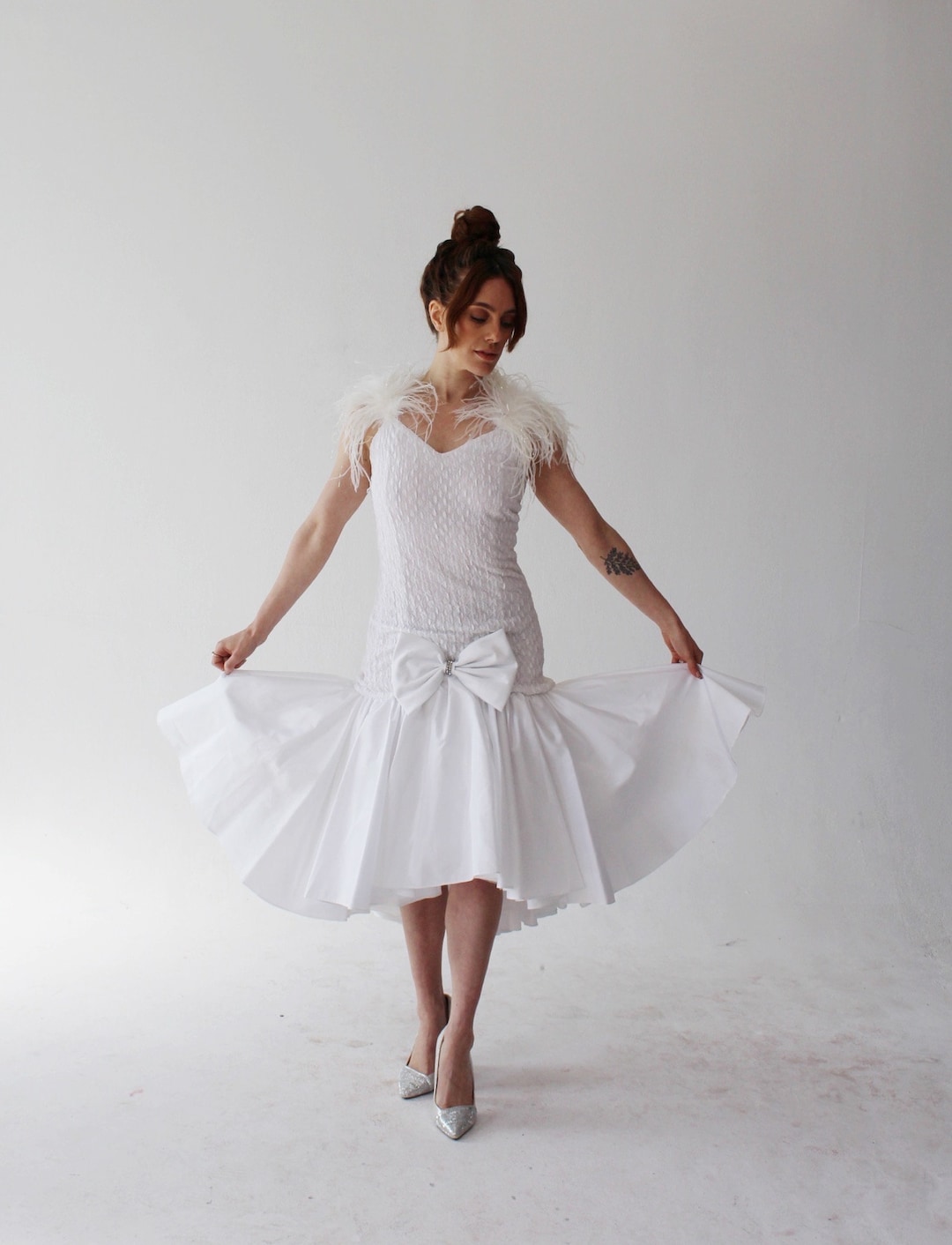
1980s bridal fashion was defined by maximalist design, dramatic silhouettes, heavy ornamentation, and royal influence, featuring voluminous ballgown skirts, cathedral trains, cascading bouquets, and intricate lace detailing that reflected the decade's penchant for theatrical opulence.
The Cultural and Historical Context of 1980s Bridal Style
The trajectory of 1980s bridal fashion was heavily shaped by economic prosperity, pop culture visibility, and high-profile nuptials that set global sartorial standards. Moving away from the streamlined, bohemian, and minimalist tendencies of the late 1970s, the new decade embraced a "more is more" philosophy. This cultural shift manifested in garments that prioritized scale, structural volume, and unmistakable visual impact.
At the center of this aesthetic revolution was the July 1981 wedding of Prince Charles and Lady Diana Spencer. Designed by David and Elizabeth Emanuel, Diana’s ivory silk taffeta and antique lace gown instantly catalyzed a global obsession with fairy-tale weddings. The dress featured a 25-foot train, puffed sleeves, ruffled necklines, and an abundance of embroidery. Across the world, brides sought to replicate this regal grandeur, driving a massive commercial boom in bridal salons, fabric manufacturing, and specialized accessories.
Furthermore, media representation in television shows, films, and music videos reinforced these opulent standards. Pop culture icons and soap opera characters showcased lavish ceremonies complete with elaborate headpieces and cascading veils, cementing these elements as the gold standard of contemporary bridal elegance.
Key Silhouettes and Structural Elements
The architecture of a 1980s wedding dress relied heavily on complex internal structuring to achieve its iconic volume. Designers utilized multi-layered crinolines, stiffened petticoats, and boned bodices to create dramatic hourglass shapes that contrasted sharply with the slender silhouettes of previous decades.
Bodice Construction and Necklines
Bodices during this era were frequently fitted to the extreme, often incorporating internal corsetry to cinch the waist. Necklines varied, but high necklines finished with lace collars—often referred to as Victorian or Edwardian revivals—gained immense popularity. Conversely, sweetheart necklines paired with sheer illusion netting allowed for elaborate embroidery across the collarbone and shoulders while maintaining structural support.
The Reign of the Puffed Sleeve
No feature is more synonymous with 1980s bridal wear than the statement sleeve. Ranging from moderately gathered mutton sleeves to massive, ballooning shoulders supported by hidden shoulder pads and internal mesh structures, sleeves became a primary canvas for creative expression. They were frequently constructed from sheer organza or lace and adorned with pearls, sequins, and fabric appliques.
Skirts and Trains
Skirts expanded outward and backward. The traditional A-line gave way to the full ballgown, characterized by yards of silk, satin, taffeta, or illusion tulle. Cathedral-length and royal-length trains were commonplace, often detachable to allow the bride greater mobility during the reception. These trains were heavily embellished with lace appliques along the hemline and required dedicated pageboys or bustling mechanisms to manage.
| Element | Dominant Style | Key Materials | Cultural Influence |
|---|---|---|---|
| Sleeves | Puffed, mutton-leg, sheer bishop | Organza, lace, tulle | Royal weddings, dramatic proportions |
| Skirts | Voluminous ballgown, tiered layers | Silk taffeta, satin, netting | Fairytale aesthetic, maximalism |
| Headpieces | Juliet caps, coronets, tiaras | Pearls, silk flowers, lace | Traditional royalty, romanticism |
| Bouquets | Cascading, oversized teardrop | English ivy, orchids, roses | Royal precedence, botanical abundance |
Fabrics, Textures, and Surface Embellishments
Textural richness was a defining hallmark of 1980s bridal attire, with designers layering different textiles to create depth and tactile contrast. Rather than relying on a single clean fabric, bridal gowns of this era were masterpieces of mixed media.
Silk taffeta remained a premier choice for its ability to hold crisp folds and dramatic volume, while duchess satin offered a heavier, more lustrous drape. Lace was ubiquitous—Chantilly, Alençon, and Venetian laces were applied liberally to bodices, sleeves, and skirt hems, often outlined with tiny seed pearls or iridescent sequins to catch the light.
Surface ornamentation was executed with meticulous hand-work. Pearls, faux crystals, bugle beads, and metallic thread embroidery were stitched onto bodices and sleeves in elaborate geometric or floral motifs. This heavy embellishment contributed significantly to the physical weight of the garments, sometimes making the dresses heavy to wear for extended periods.
Veils, Headwear, and Accessories
The bridal headpiece in the 1980s was rarely a simple afterthought; it served as a major structural and aesthetic component of the overall ensemble.
Traditional fingertip and cathedral veils were often attached to elaborate headwear rather than a simple metal comb. Juliet caps—close-fitting netted caps reminiscent of Renaissance fashion—experienced a massive resurgence, trimmed with lace and pearls. Coronets, tiaras, and floral wreaths constructed from silk flowers and preserved greenery were also widespread, anchoring multi-tiered veils that added height and drama.
Footwear during this period typically consisted of satin or lace pumps with moderate heels, frequently custom-dyed to match the exact ivory or white of the gown. Jewelry was often kept relatively restrained at the neck to avoid competing with high lace collars, though dramatic drop earrings set with faux pearls or crystals were standard.
Floral Design and Accents
Bridal bouquets in the 1980s mirrored the abundance and scale of the dresses. The cascading bouquet, also known as the waterfall or teardrop bouquet, was the definitive floral arrangement of the decade.
These arrangements featured a dense cluster of flowers at the top that spilled downward in a tapering, asymmetric trail, often measuring two to three feet in length. Common floral choices included traditional white roses, cascading orchids, stephanotis, and lilies of the valley, heavily accented with trailing English ivy, ferns, and ribbon streamers. Boutonnieres for the groom and groomsmen matched these selections, frequently incorporating a single primary bloom with delicate greenery.
Lasting Legacy and Modern Reinterpretations
While the extreme proportions of 1980s bridal fashion eventually gave way to the sleek minimalism of the 1990s, the aesthetic has experienced cycles of nostalgic reappraisal. Contemporary designers occasionally draw inspiration from the romanticism, intricate lace-work, and statement sleeves of the decade, adapting them with lighter modern construction methods and breathable fabrics. For collectors and vintage enthusiasts, authentic 1980s gowns represent a fascinating pinnacle of garment construction, craftsmanship, and theatrical design that continues to influence modern bridal storytelling.
Frequently Asked Questions
What defined the typical silhouette of a 1980s wedding dress?
The typical silhouette featured a heavily boned, fitted bodice paired with a voluminous ballgown skirt supported by multiple petticoats. It was characterized by exaggerated structural elements, most notably large puffed sleeves, high necklines, and dramatic cathedral trains.
Why were puffed sleeves so popular in 1980s bridal fashion?
Puffed sleeves gained widespread popularity largely due to the global media coverage of Lady Diana Spencer’s 1981 wedding gown. The look symbolized romanticism and royal elegance, prompting mainstream designers to incorporate oversized sleeves to create a dramatic, fairytale aesthetic.
What types of headwear were worn with 1980s wedding gowns?
Brides frequently wore elaborate headpieces such as Juliet caps, jeweled coronets, and floral wreaths rather than simple combs. These headpieces typically anchored multi-tiered tulle veils that added significant height and volume to the overall bridal look.
How heavy were 1980s wedding dresses?
Due to the extensive use of multi-layered crinolines, heavy silks, structured internal corsetry, and dense surface embellishments like pearls and sequins, 1980s wedding gowns were often quite heavy, frequently weighing between ten and thirty pounds.
What kind of bouquets did 1980s brides carry?
The cascading or teardrop bouquet was the defining floral accessory of the era. These large, trailing arrangements featured a dense cluster of blooms at the top that tapered downward, accented heavily with trailing greenery and long ribbons.
Are vintage 1980s wedding dresses still wearable today?
Yes, vintage 1980s wedding dresses remain wearable, though they often require specialized cleaning and minor structural alterations by a tailor experienced in vintage textiles. Many brides choose to restyle them by removing excessive sleeve volume or modernizing the neckline while preserving the original lace and fabric.
Securing and Preserving Vintage Bridal Wear
For those acquiring or preserving an authentic 1980s wedding gown, proper textile care is essential. Vintage silk, taffeta, and delicate illusion netting require professional dry cleaning specialized in historic garments to prevent yellowing and fabric degradation. Store the dress in a breathable, acid-free archival box away from direct sunlight and fluctuating humidity levels to maintain the integrity of the original beadwork, lace, and structural boning.