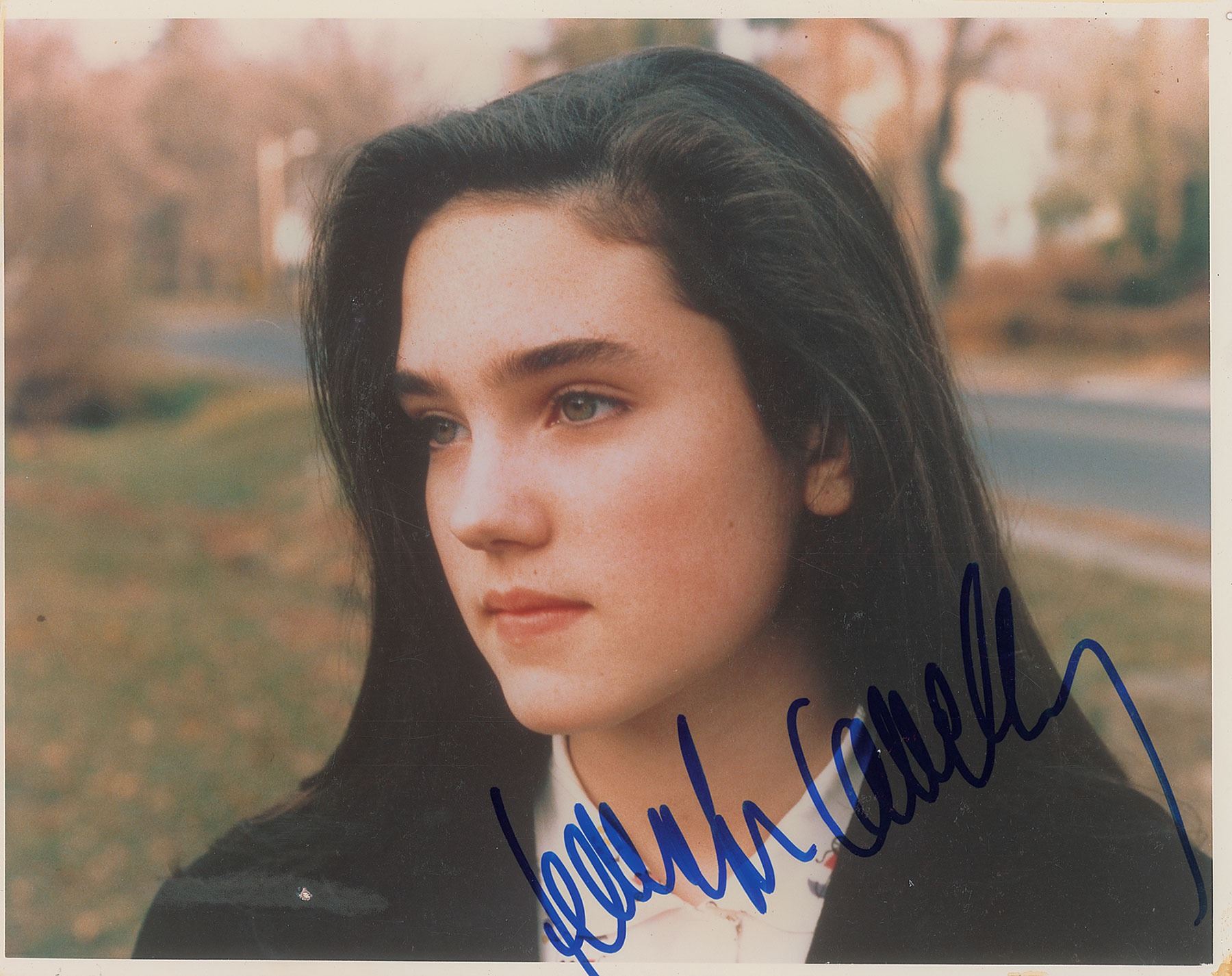
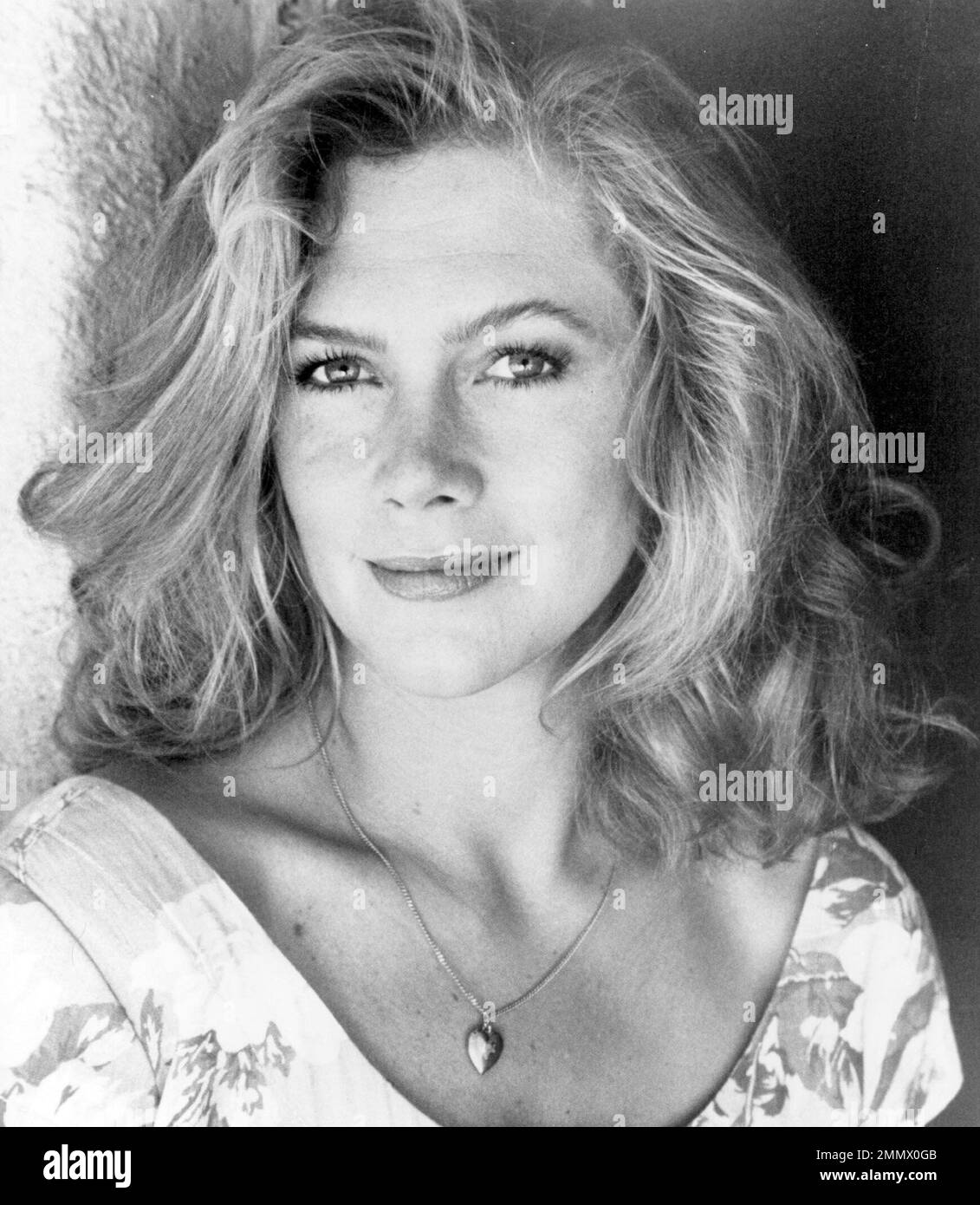
A defining figure of modern cinema and television, the 1980s actress navigated a transformative decade marked by the rise of the blockbuster, the MTV generation, independent cinema, and shifting portrayals of women on screen. This era redefined celebrity culture, established new commercial power dynamics in Hollywood, and left an enduring imprint on global pop culture.
The Cultural Landscape of 1980s Cinema and Television
The 1980s marked a radical shift in how entertainment was produced, marketed, and consumed. The decade began in the shadow of 1970s gritty realism but quickly pivoted toward high-concept blockbusters, teen comedies, synth-pop soundtracks, and hyper-stylized action films. For an actress working during this period, success often meant balancing traditional studio expectations with the demands of an increasingly youth-driven market.
Studio executives recognized that younger audiences drove box office returns, leading to a surge of coming-of-age films, teen dramas, and action spectacles. At the same time, the home video market (VHS) and cable television expanded exponentially, creating new revenue streams and international exposure. Performers who captured the public imagination on the big screen quickly became global icons, their images plastered across teen magazines, movie posters, and merchandise. This environment elevated the profile of female leads, transforming them from classical Hollywood starlets into relatable yet aspirational figures for a new generation.
Archetypes and Categories of 1980s Stardom
To understand the scope of female talent from this decade, it is necessary to examine the distinct categories and genres that shaped their careers. Actresses of the 1980s generally grouped into several prominent professional tracks, each requiring different acting styles and marketing approaches.
The Brat Pack and Teen Cinema Icons
No discussion of the decade is complete without acknowledging the ensemble casts of youth-oriented dramas and comedies. Directors like John Hughes created a cinematic universe where teenage angst, social stratification, and identity took center stage. Performers in these films became household names almost overnight, establishing a distinct brand of vulnerable yet sharp-witted adolescence.
Action and Blockbuster Leads
While the action genre was heavily male-dominated, the 1980s laid vital groundwork for the modern action heroine. Actresses in sci-fi, fantasy, and thriller epics moved beyond traditional damsel-in-distress tropes. They embodied physical resilience, tactical intelligence, and emotional depth, anchoring multi-million-dollar franchises that demanded intense physical preparation and screen presence.
Dramatic Heavyweights and Prestige Cinema
Beyond commercial blockbusters, the decade saw powerful performances in prestige dramas, biographical films, and literary adaptations. These actresses relied on classical training, theatrical backgrounds, and nuanced character work to secure critical acclaim, Academy Award recognition, and long-term industry respect.
| Archetype / Category | Primary Characteristics | Representative Genres | Key Professional Impact |
|---|---|---|---|
| Teen & Coming-of-Age | Relatable vulnerability, wit, cultural ubiquity | Teen comedy, drama, romance | Captured youth market; defined an era of pop culture |
| Action & Sci-Fi Leads | Physical resilience, authority, franchise anchoring | Science fiction, action, thriller | Challenged traditional casting limitations for women |
| Prestige & Dramatic | Complex character studies, emotional depth, classical skill | Historical drama, indie film, biography | Secured critical longevity and major industry awards |
| Television & Soap Stars | Long-form character arcs, high visibility, daily engagement | Prime-time soaps, sitcoms, miniseries | Built massive household recognition and syndicated longevity |
Career Trajectories and Industry Challenges
Working as a female performer in the 1980s film and television industry presented distinct systemic challenges alongside unprecedented opportunities. While high-profile stars commanded significant salaries and global attention, the industry remained largely patriarchal, with male-led action pictures and buddy comedies dominating box office slates.
Securing complex, multi-dimensional roles required navigating rigid casting expectations. Ageism and typecasting were prevalent, often limiting the shelf life of actresses who broke through as teenage or twenty-something ingenues. Furthermore, the commercial pressure to maintain a specific public image in an era before digital media meant that tabloid culture and entertainment journalism played an aggressive role in shaping public perception. Despite these hurdles, many performers leveraged their box-office viability to demand better material, form production companies, or transition successfully between film, television, and the stage.
Technological and Media Shifts
The 1980s introduced technological innovations that permanently altered how performers connected with audiences and managed their careers. The explosive growth of MTV transformed movie soundtracks and promotional music videos into vital marketing tools, allowing actresses to cross over into pop music culture and visual art.
Simultaneously, the proliferation of the VCR meant that films had a secondary lifespan in the home, allowing cult followings to develop long after a theatrical run concluded. Cable networks expanded original programming and syndicated rerun markets, providing steady employment and international reach for television actresses. These shifts meant that a performer's cultural footprint was no longer restricted to a single theatrical release window; instead, their work lived on continuously in living rooms across the globe.
Lasting Legacy and Cultural Resurgence
Decades after the final credits rolled on the 1980s, the cultural footprint of the era's leading women remains remarkably vibrant. Contemporary media frequently borrows the visual aesthetics, narrative tropes, and synth-heavy moods of 1980s cinema, sparking renewed interest in the original films and the women who anchored them.
Nostalgia-driven streaming series, retrospective film festivals, and digital fan communities have introduced these performers to entirely new generations of viewers. Furthermore, many actresses from this era have transitioned into influential elder-stateswomen of the industry, taking on acclaimed television roles, directing, producing, and speaking candidly about their experiences navigating Hollywood. Their collective body of work continues to serve as a foundational pillar of modern entertainment history.
Frequently Asked Questions
What defined the typical career path of a successful 1980s actress?
A successful career in this decade typically involved balancing commercial teen or action films with prestige dramatic projects. Many performers transitioned from television guest spots or modeling into breakout film roles, capitalizing on MTV promotion and home video distribution to build global recognition.
How did action and sci-fi roles change for women in the 1980s?
The decade moved away from passive female roles by introducing complex heroines who displayed physical and psychological resilience. These performances laid the groundwork for modern action franchises by proving that female leads could successfully anchor high-budget science fiction and thriller epics.
What role did television play for actresses during this decade?
Television offered prime-time soap operas, long-running sitcoms, and high-budget miniseries that gave actresses consistent work and massive household visibility. Successful television stars often enjoyed greater career longevity and syndicated exposure than some of their strictly film-based contemporaries.
Why do 1980s pop culture icons maintain such strong longevity today?
The combination of home video proliferation, cultural nostalgia, and modern streaming revivals keeps 1980s media constantly accessible. Contemporary pop culture frequently references the distinct aesthetics and storytelling styles of the decade, ensuring enduring relevance for its primary stars.
What were the major industry challenges faced by female performers at that time?
Performers frequently encountered typecasting, rigid ageism, and a scarcity of complex leading roles in major studio releases. Despite the commercial boom of the decade, the upper echelons of studio filmmaking remained largely male-dominated, requiring actresses to fight for creative control and equitable pay.
Strategic Professional Preservation and Archival Next Steps
To study, archive, or critically analyze the work of any prominent 1980s actress, researchers and enthusiasts should consult original trade publications like Variety and The Hollywood Reporter, contemporary press kits, and authenticated oral history archives. Examining primary sources—such as original theatrical trailers, unedited interviews, and archival costume designs—provides an accurate historical context free from modern revisionism. Reviewing complete filmographies alongside television guest appearances ensures a comprehensive understanding of how these performers built and sustained their careers through a period of immense industrial change.