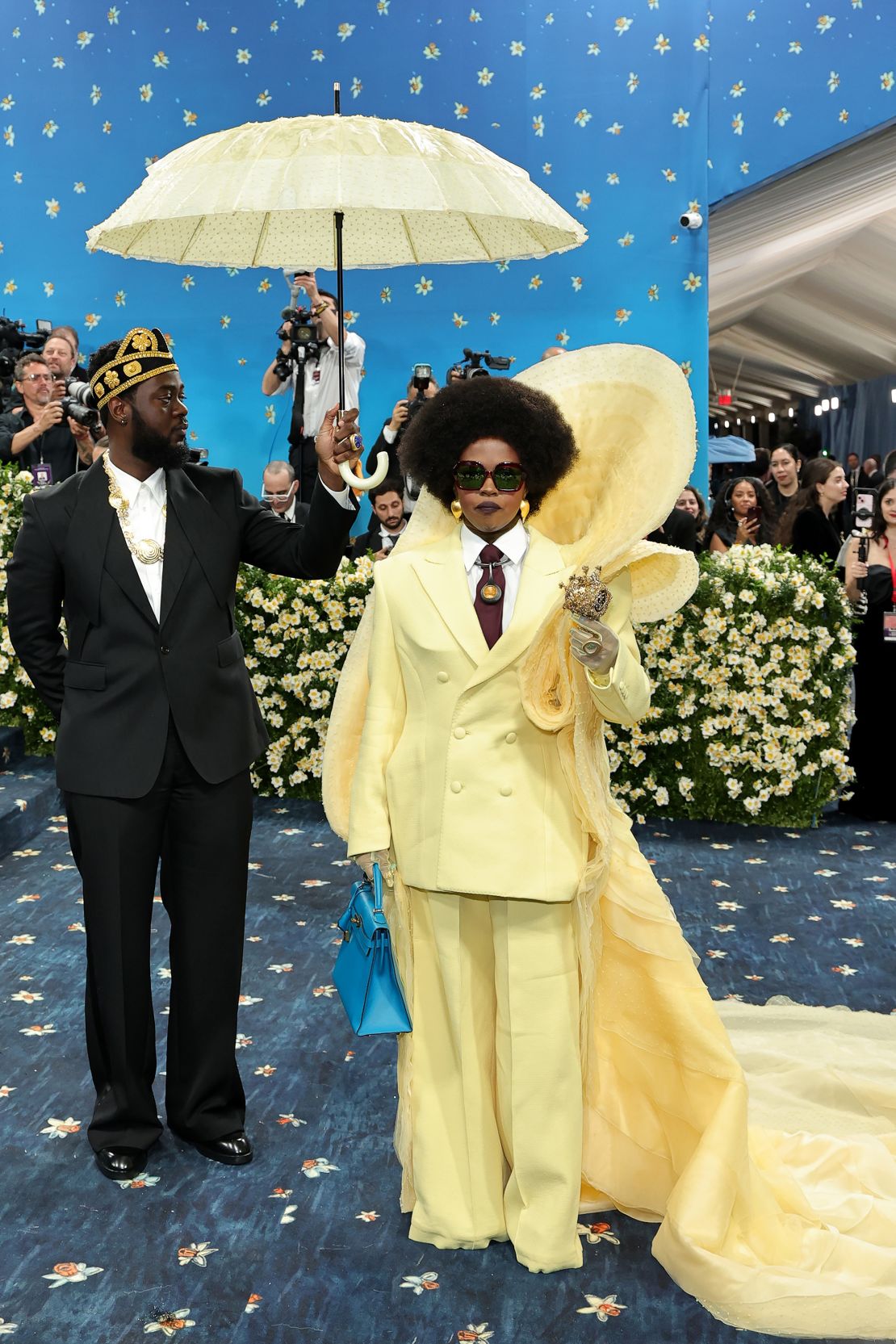
The 1978 Met Gala marked a pivotal evolutionary phase for New York's Costume Institute, transitioning the annual fundraising event from a traditional high-society European-style charity dinner into an increasingly accessible, high-profile intersection of international fashion, cultural institutions, and modern celebrity culture.
The Evolution of the Costume Institute and Its Annual Benefit
By the late 1970s, the Metropolitan Museum of Art's Costume Institute had firmly established itself under the curatorial direction of Diana Vreeland, who joined the institution as a special consultant in 1972. Vreeland’s appointment injected unprecedented theatricality, bold color palettes, and global historical scope into the museum’s fashion exhibitions. Prior to her tenure, the Met Gala—founded by fashion publicist Eleanor Lambert in 1948—operated primarily as a localized philanthropic dinner for the New York social elite to support the newly integrated Costume Institute.
Under Vreeland, however, the event began mirroring the grand, immersive narratives of her exhibitions. The 1978 gala served as a sophisticated bridge between the quiet philanthropy of mid-century society balls and the flashbulb-heavy spectacles that would come to define the late 20th and early 21st centuries. Vreeland understood how to leverage media attention, bringing together titans of industry, European aristocracy, and emerging American cultural icons inside the Great Hall of the Metropolitan Museum of Art.
Thematic Focus and Exhibition Context: "Diaghilev: Costumes and Designs of the Ballets Russes"
Every Met Gala is intrinsically tied to its accompanying exhibition, and the 1978 event honored the legendary aesthetic and cultural impact of "Diaghilev: Costumes and Designs of the Ballets Russes." Sergei Diaghilev’s Ballets Russes revolutionized early 20th-century stage design, music, and choreography through radical collaborations with avant-garde artists such as Léon Bakst, Alexandre Benois, Pablo Picasso, and Henri Matisse.
Bringing the Ballets Russes to the Metropolitan Museum of Art required a meticulous curation of rare textiles, painted stage drops, original costume pieces, and intricate set designs. Vreeland designed the exhibition spaces to evoke the sensual, orientalist, and deeply romantic atmosphere of Diaghilev's productions. The gala itself reflected this theatrical heritage: guests and organizers leaned into ornate, dramatic styling that echoed the rich velvets, metallic brocades, historical pastiche, and vibrant color blocking characteristic of early 1900s European ballet production.
| Exhibition Detail | Historical Record |
|---|---|
| Official Title | Diaghilev: Costumes and Designs of the Ballets Russes |
| Curator / Consultant | Diana Vreeland |
| Hosting Institution | The Metropolitan Museum of Art, New York |
| Primary Focus | Avant-garde stage costumes, set designs, and visual arts of the Ballets Russes |
| Aesthetic Influence | Orientalism, early 20th-century modernism, and historical European theatricality |
Guest List Dynamics: Society Meets Modern Celebrity
The guest composition of the 1978 Met Gala reflected a transitional era in American cultural hierarchy. While traditional patronage remained anchored by prominent New York philanthropic families—such as the Vanderbilts, Astors, and Whitneys—the late 1970s welcomed an influx of downtown artists, Hollywood actors, international designers, and the era's preeminent supermodels.
Diana Vreeland famously bridged disparate worlds, seating conservative patrons alongside countercultural icons, fashion designers like Yves Saint Laurent and Halston, and film stars. This deliberate mixing of social stratifications laid the groundwork for the modern celebrity-driven red carpet. Guests arrived in garments that balanced late-1970s silhouettes—such as fluid jersey wraps, structured evening tailoring, and exaggerated evening gowns—with thematic nods to the exhibition's early-century Russian imperial and bohemian motifs.
Operational Logistics and Museum Fundraising in the Late 1970s
Organizing a gala of this magnitude in the late 1970s presented distinct logistical challenges compared to contemporary iterations. Without digital ticketing platforms, instant social media amplification, or global corporate sponsorship ecosystems, the event relied heavily on personal outreach, physical invitations, and meticulous seating charts managed directly by Vreeland and museum administrators.
The primary financial objective remained unchanged: raising operational funds to sustain the Costume Institute's conservation laboratories, exhibition curation, and permanent collection acquisitions. In 1978, the Institute was still relatively young as an autonomous curatorial department within the Met (having merged with the museum in 1946). Gala proceeds were vital for establishing its financial independence, ensuring that historical garments from centuries past could be properly preserved, cataloged, and displayed for public education.
Cultural Legacy and Long-Term Impact on the Met Gala Tradition
The 1978 event occupies a crucial chapter in the institutional history of the Met Gala. By successfully merging rigorous historical scholarship—exemplified by the Ballets Russes archive—with high-society pageantry, Vreeland proved that fashion exhibitions could draw massive public attendance and critical acclaim.
The strategies tested during the late 1970s—themed dressing, curated guest lists designed for maximum press coverage, and immersive exhibition design—became the blueprint for the modern Met Gala. While the event has since expanded into a globally broadcast digital phenomenon chaired by figures like Anna Wintour, its roots as an intellectually driven, high-style theatrical fundraiser were firmly secured during Diana Vreeland's golden decade of leadership, epitomized by the elegance and drama of 1978.
Frequently Asked Questions
What was the exhibition theme for the 1978 Met Gala?
The 1978 Met Gala accompanied the exhibition titled "Diaghilev: Costumes and Designs of the Ballets Russes." The showcase celebrated the groundbreaking aesthetic, set designs, and performance costumes of Sergei Diaghilev’s legendary early 20th-century ballet company.
Who curated the 1978 Met Gala exhibition?
The exhibition and overall aesthetic direction of the gala were overseen by Diana Vreeland, the legendary former editor-in-chief of Vogue who served as special consultant to the Metropolitan Museum of Art's Costume Institute from 1972 until 1989.
How did the guest list of the 1978 Met Gala differ from earlier decades?
While traditional New York philanthropists and society patrons remained core attendees, the 1978 gala increasingly integrated international fashion designers, avant-garde artists, Hollywood actors, and emerging models, reflecting Diana Vreeland's vision of mixing high society with creative cultural icons.
Why was the Ballets Russes theme significant for the Costume Institute?
The Ballets Russes theme allowed the Costume Institute to showcase early 20th-century avant-garde textile arts, historical European tailoring, and stage design, elevating fashion exhibition curation to the same artistic tier as traditional fine art institutions.
What is the primary purpose of the Met Gala?
The Met Gala serves as the annual principal fundraising benefit for the Metropolitan Museum of Art's Costume Institute, providing essential financial support for its exhibitions, educational programs, and artifact conservation departments.