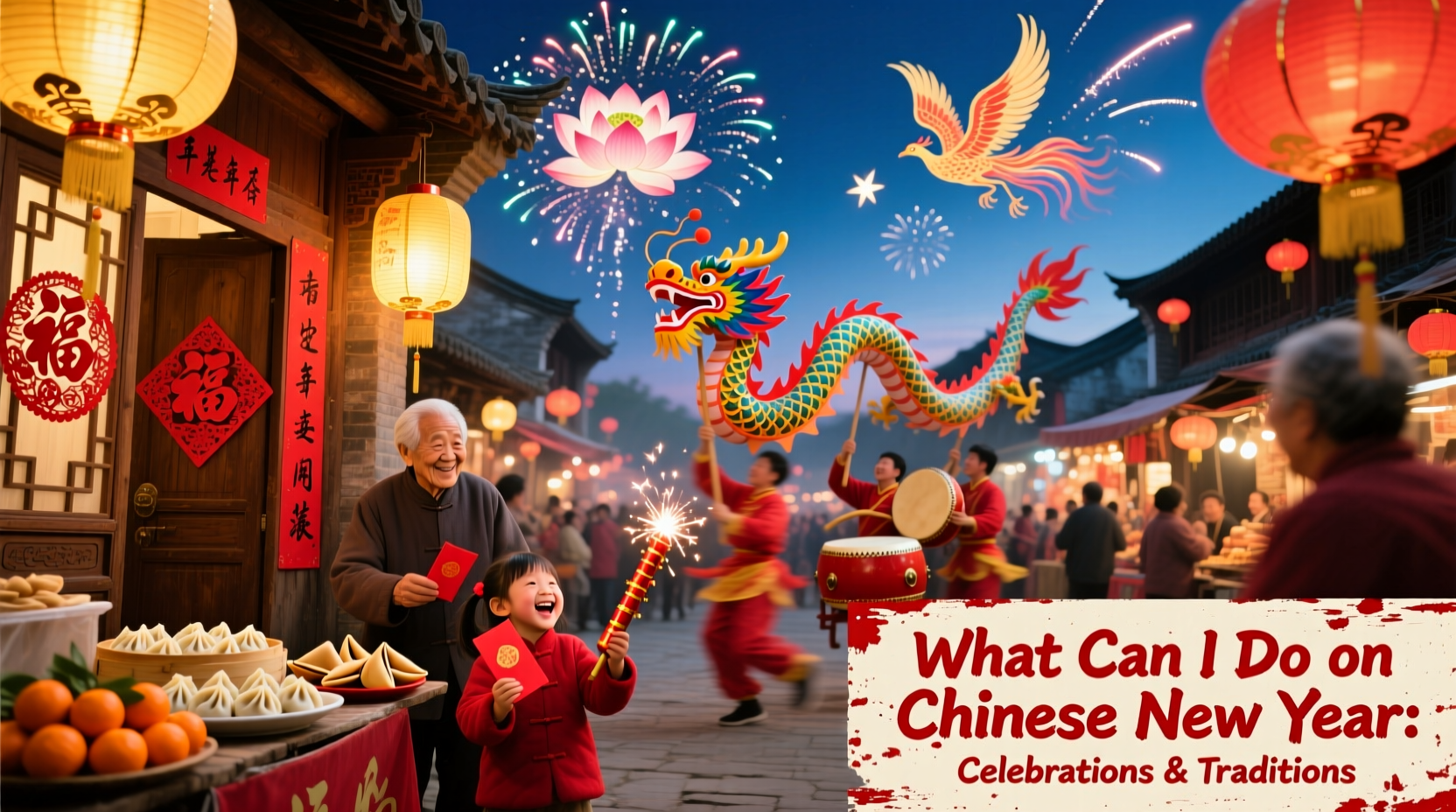
The year 1978 marked a significant historical turning point for Chinese communities worldwide, occurring just as mainland China began implementing historic economic reforms and opening policies. During this era, Chinese New Year—also known as the Lunar New Year or Spring Festival—was deeply rooted in centuries-old customs, family reunions, ancestral veneration, and the exchange of lucky red envelopes (hongbao) to bestow fortune and ward off evil spirits.
Historical and Sociocultural Context of the 1978 Lunar New Year
Understanding the 1978 Chinese New Year celebrations traditions and lucky red envelopes requires a look at the sociopolitical landscape of the late 1970s. In mainland China, 1978 predated the massive consumer boom and commercialization that would later transform the holiday. Celebrations were characterized by community solidarity, resourcefulness, and strict adherence to traditional familial obligations despite decades of ideological shifts. Families gathered in modest homes, making extensive preparations months in advance despite material constraints.
In overseas Chinese communities across Southeast Asia, Hong Kong, and Taiwan, celebrations blended traditional rituals with burgeoning modern economies. Yet, the core tenets of the festival remained uniform: reconciliation, honoring deities and ancestors, and welcoming the new lunar cycle with a clean slate. The focus was heavily placed on collective wellbeing rather than individual materialism, setting a distinct tone for how traditions were executed, shared, and passed down to younger generations.
Core Preparations and Domestic Rituals Prior to New Year’s Day
The Spring Festival cycle begins well before the actual New Year's Day, historically kicking off around the 23rd or 24th day of the twelfth lunar month. In 1978, households engaged in a thorough ritual housecleaning, known as sao chu, designed to sweep away the misfortunes and stagnant Qi of the previous year. Every corner of the home was scrubbed, and old, damaged items were repaired or discarded.
Following the cleaning, families decorated their doorways and windows with red paper cut-outs, couplets (chunlian) inscribed with auspicious poetry, and images of door gods (menshen) to protect the dwelling. The Kitchen God (Zao Jun) ritual was performed with great reverence, where families offered sweet foods to the deity so he would report favorably on the household's behavior to the Jade Emperor. These domestic preparations created a sacred, protected space for the arrival of the new lunar year.
The Significance and Mechanics of Lucky Red Envelopes in 1978
Among all customs, the exchange of lucky red envelopes (yasui qian, meaning "suppressing age money") held a central place in the 1978 celebrations. Unlike the digital transfers or large denomination banknotes common today, red envelopes in 1978 contained modest sums of cash carefully wrapped in plain or decorative red paper packets.
The tradition was governed by strict etiquette:
- The Giver: Married couples, elders, and working adults distributed red envelopes to children and unmarried youths.
- The Amount: Sums were typically kept small due to economic conditions, but great care was taken to avoid unlucky numbers, such as amounts containing the digit four (which sounds like the word for death in Mandarin and Cantonese), favoring instead numbers associated with fortune or even pairs representing harmony.
- The Exchange: Recipients would receive the envelope with both hands as a sign of deep respect, offering formal auspicious greetings in return.
The money inside was not meant for immediate, frivolous spending. Historically and culturally, yasui qian was believed to protect children from the demon Sui, who allegedly harmed sleeping children on New Year's Eve. By placing the red envelope under their pillows, children were guarded against sickness and evil for the coming year.
Culinary Traditions and the New Year’s Eve Reunion Dinner
The New Year's Eve reunion dinner (nianshou fan) was—and remains—the most important meal of the year. In 1978, preparing this feast required immense labor, as ingredients were procured from local markets and community ration stores. Every dish served carried profound symbolic meaning, designed to invoke prosperity, longevity, and family unity.
| Dish Category | Traditional Food Item | Symbolic Meaning & Cultural Significance |
|---|---|---|
| Main Staple | Whole Fish (Yu) | Represents surplus and abundance (nian nian you yu) extending into the new year. |
| Pasty / Dumpling | Jiaozi (Dumplings) | Resembling ancient Chinese gold ingots, symbolizing wealth and family reunion. |
| Longevity | Changshou Mian (Long Noodles) | Uncut noodles signifying long life and health for the consumer. |
| Dessert | Nian Gao (Sticky Rice Cake) | Symbolizes higher income, higher status, and continuous growth year after year. |
Families sat together around a large table, leaving an empty seat for absent ancestors to symbolize ongoing family integrity. Following the meal, families would often stay up late or all night in a practice known as shousui, literally meaning "keeping watch over the year," to usher in the dawn of New Year's Day safely.
Public Celebrations, Lion Dances, and Community Observances
On New Year's Day and the days following, the celebration moved from the private household to the public sphere. Communities organized vibrant cultural performances, most notably the Lion Dance (wu shi) and Dragon Dance. Accompanied by the deafening rhythm of gongs, drums, and firecrackers, these troupes moved from shop to shop and home to home to expel evil spirits and invite prosperity.
In 1978, firecrackers were set off extensively to frighten away the mythical beast Nian and celebrate the new beginning. Neighbors, friends, and extended relatives exchanged formal greetings (bainian), bowing with clasped hands and wishing one another Gongxi Facai (congratulations and wishing you prosperity). These interactions reinforced social cohesion, smoothed over past grievances, and reaffirmed mutual support networks within the community.
Taboos and Superstitions Observed During the Festival
The Spring Festival period was strictly governed by taboos designed to prevent inviting bad luck into the new cycle. In 1978, households adhered closely to these behavioral restrictions:
- No Cleaning on New Year's Day: Sweeping or taking out the trash on the first day of the year was strictly forbidden, as it was believed to sweep away or throw out accumulated wealth and good fortune.
- Prohibition of Crying and Arguing: Children were scolded gently or not at all; crying was viewed as an omen of future sorrow and discord within the family.
- Avoiding Broken Objects: Breaking bowls, mirrors, or porcelain was considered dangerous; if an accident occurred, people immediately chanted auspicious phrases such as "sui sui ping an" (safe and sound every year, playing on the homophone for "break").
- Restrictions on Hairwashing: Washing or cutting hair on the first day was avoided, as the word for hair (fa) shares a root with facai (getting rich), and washing it away meant washing away wealth.
Frequently Asked Questions
What did the red envelopes represent during the 1978 Chinese New Year?
Red envelopes represented protective energy, good wishes, and financial fortune. They were used to ward off the evil spirit Sui and to transfer blessings of health, safety, and growth from elders to younger family members.
How were New Year meals prepared given the economic conditions of 1978?
Meals were prepared through careful planning, sourcing ingredients from local markets and community distribution systems. Families pooled their resources to create symbolic dishes like whole fish, dumplings, and sticky rice cakes to ensure prosperity for the year ahead.
Why were firecrackers an essential part of 1978 Spring Festival celebrations?
Firecrackers were detonated to frighten away malevolent spirits, particularly the mythical monster Nian, and to create a loud, joyful atmosphere that welcomed deities and good fortune into the community.
What are the origins of the money placed inside lucky red envelopes?
The money, known as yasui qian, originated as protective talismans rather than commercial gifts. Over centuries, coins and later paper currency replaced the original threaded charms, maintaining the core intent of shielding children from harm.
How did families honor their ancestors during the 1978 Lunar New Year?
Families set up ancestral shrines in their homes, offering food, tea, and incense before the New Year's Eve reunion dinner. This practice maintained a vital spiritual connection between the living household and past generations.
Ensuring Lasting Family Harmony
To properly honor the historical spirit of the 1978 celebrations, modern observers can focus on the core values of the holiday: prioritizing family reconciliation, maintaining deep respect for elders, and preserving cultural heritage through shared meals and mindful customs. Rather than focusing on commercial excess, channel the resourcefulness and communal solidarity of the era to build meaningful, lasting connections with loved ones during the lunar festive season.