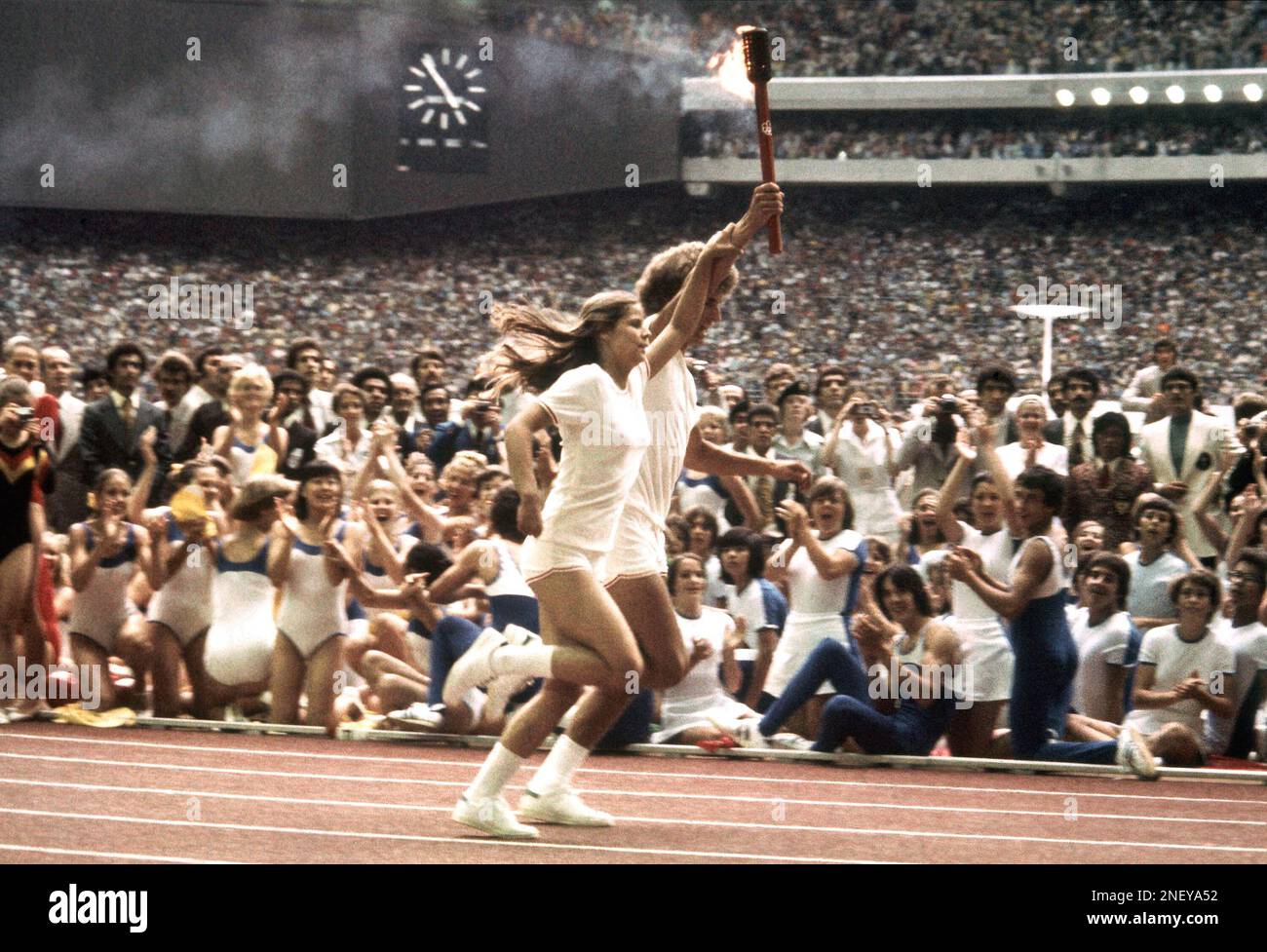
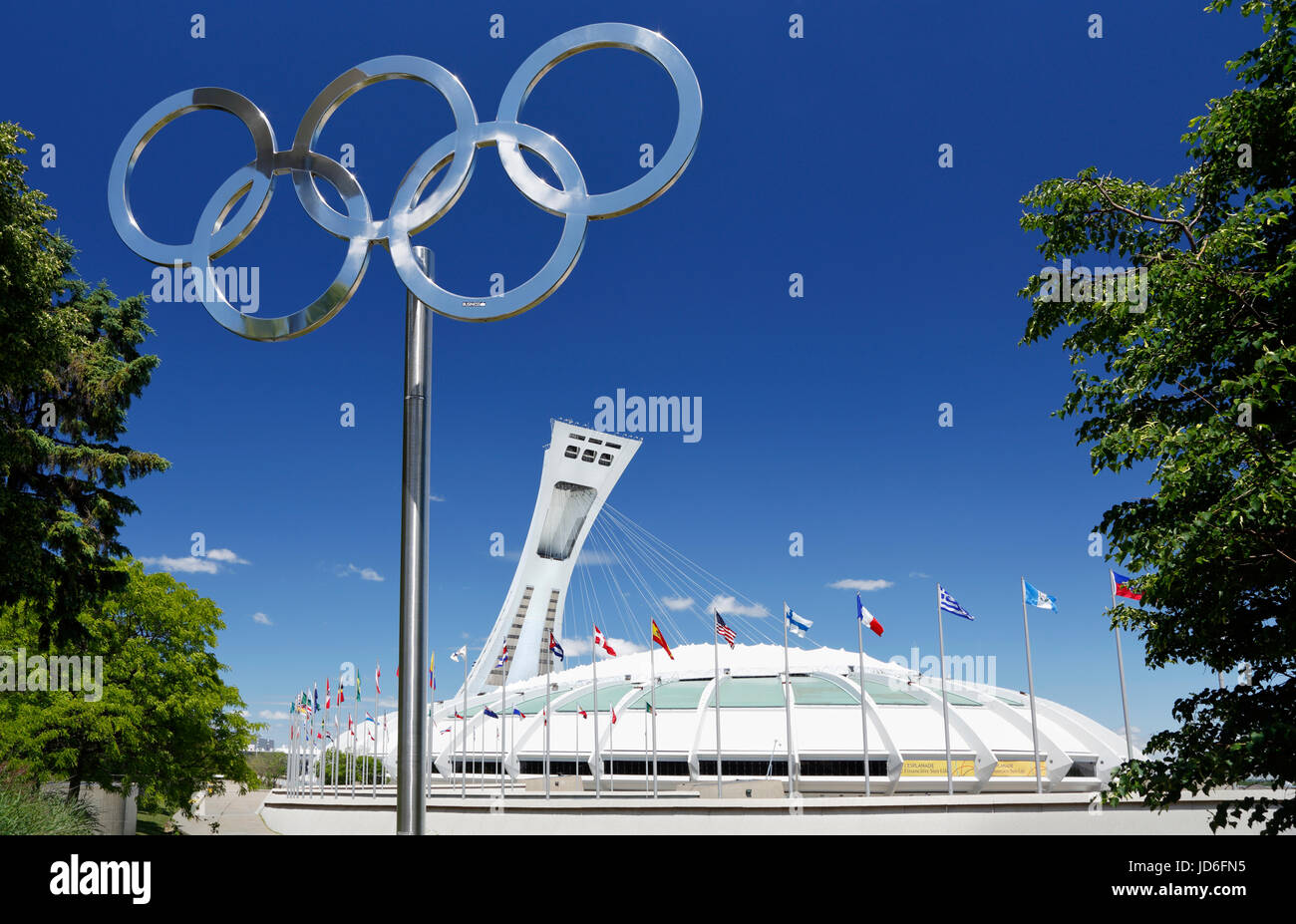
The 1976 Summer Olympics, officially known as the Games of the XXI Olympiad, took place in Montreal, Quebec, Canada, bringing together athletes from 92 nations despite a major African boycott. While remembered for Nadia Comaneci's historic perfect tens and East Germany's dominance, the Games are equally defined by unprecedented financial debt that took thirty years to pay off.
Historical Context and the Bid for Montreal
The path to the 1976 Olympic Games began on May 12, 1969, when the International Olympic Committee (IOC) awarded Montreal the hosting rights over Moscow and Los Angeles. Mayor Jean Drapeau spearheaded the bid with unbridled optimism, famously promising that the Olympics would no more run a deficit than a man can have a baby. At the time, Montreal was a thriving, ambitious metropolis experiencing rapid modernization, and hosting the Summer Games was viewed as a crowning achievement that would elevate the city onto the global stage.
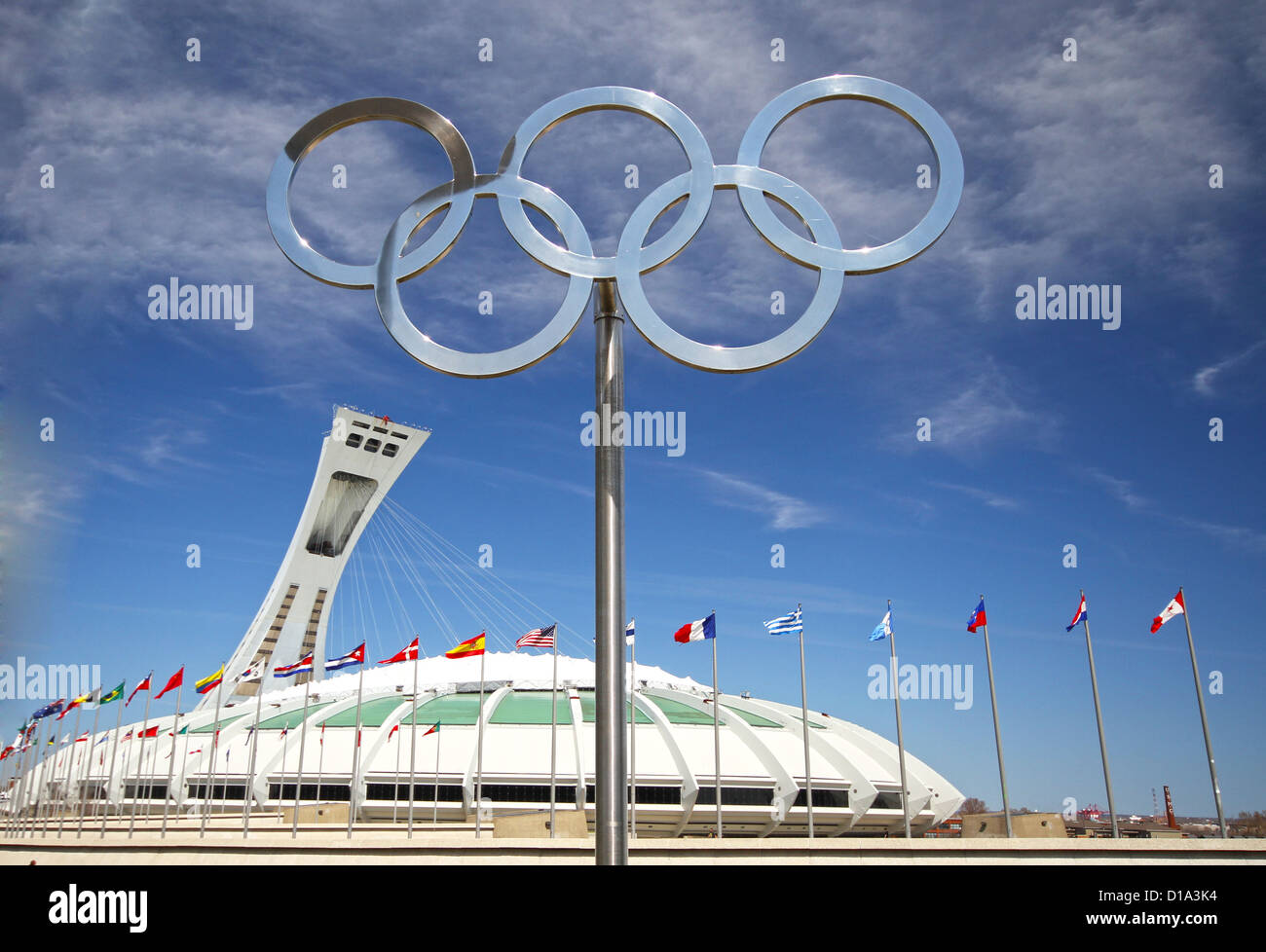
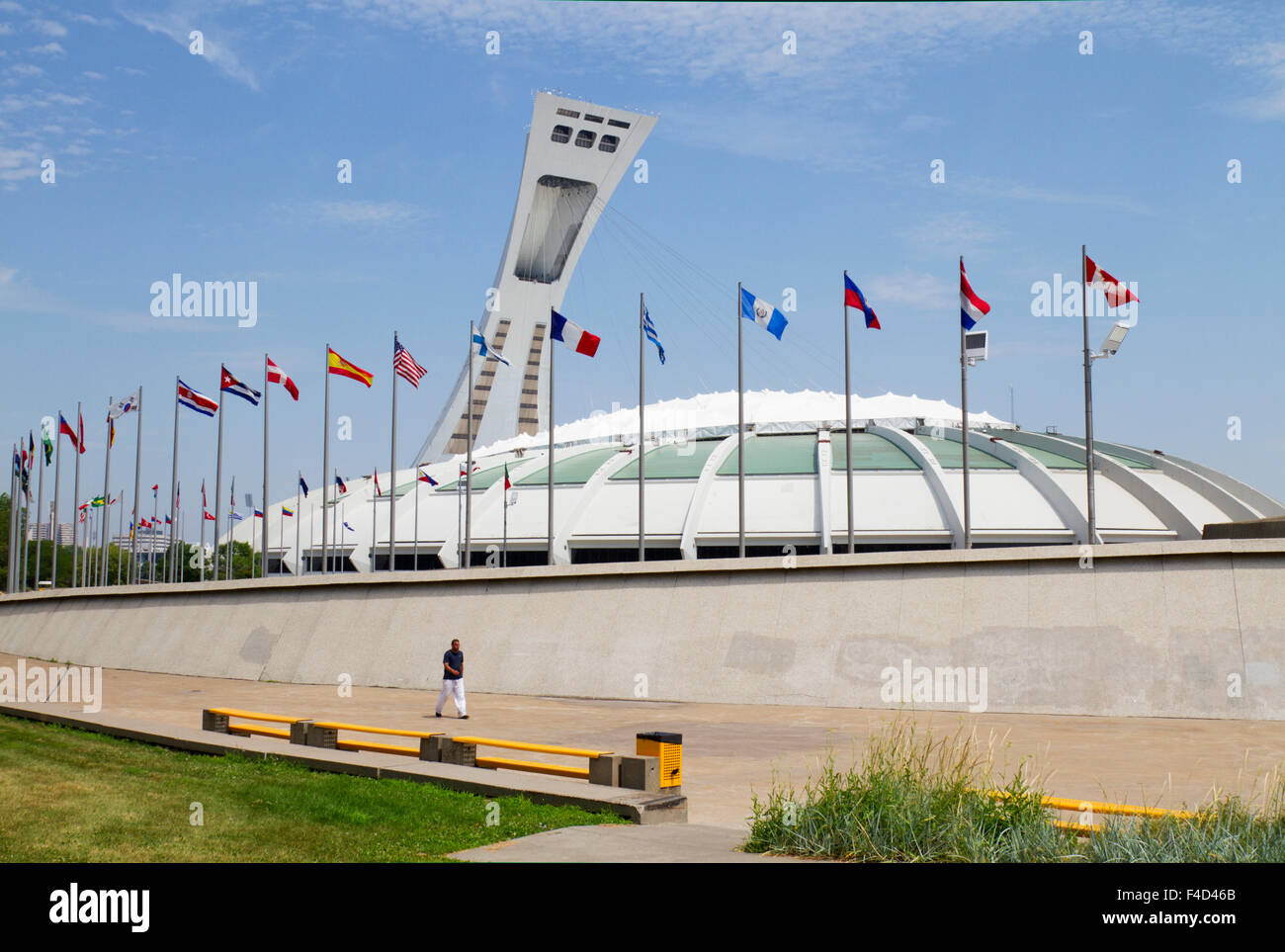
However, the reality of organizing an event of this magnitude quickly collided with harsh economic and geopolitical forces. Inflation soared globally in the early 1970s, labor strikes repeatedly disrupted construction schedules, and engineering complexities plagued the proposed venues. The centerpiece of the project, the Olympic Stadium—affectionately nicknamed "The Big O"—suffered from severe structural challenges, particularly regarding its retractable roof and iconic leaning tower. As deadlines loomed and costs spiraled out of control, the initial budget of roughly $120 million ballooned into billions, setting the stage for one of the most expensive financial miscalculations in modern sporting history.
The African Boycott and Geopolitical Tensions
Geopolitical conflict cast a long shadow over Montreal before the first event even began. Just days before the opening ceremony, a massive boycott materialized involving 28 nations, primarily from Africa, alongside Guyana and Iraq. The protest was organized to demand the expulsion of New Zealand from the Games. New Zealand's national rugby union team, the All Blacks, had toured apartheid-governed South Africa earlier that year in defiance of a United Nations sports embargo against the apartheid regime.
While the IOC maintained its stance that rugby was not an Olympic sport and therefore New Zealand should not be punished athletically, the boycotting nations argued that sporting links with South Africa normalized its racist policies. The sudden withdrawal of delegations altered the competitive landscape across several sports, most notably in track and field. The boycott underscored the growing intersection of international politics and elite athletics, foreshadowing the even larger boycotts that would affect the Moscow 1980 and Los Angeles 1984 Summer Games.
Sporting Highlights and Iconic Moments
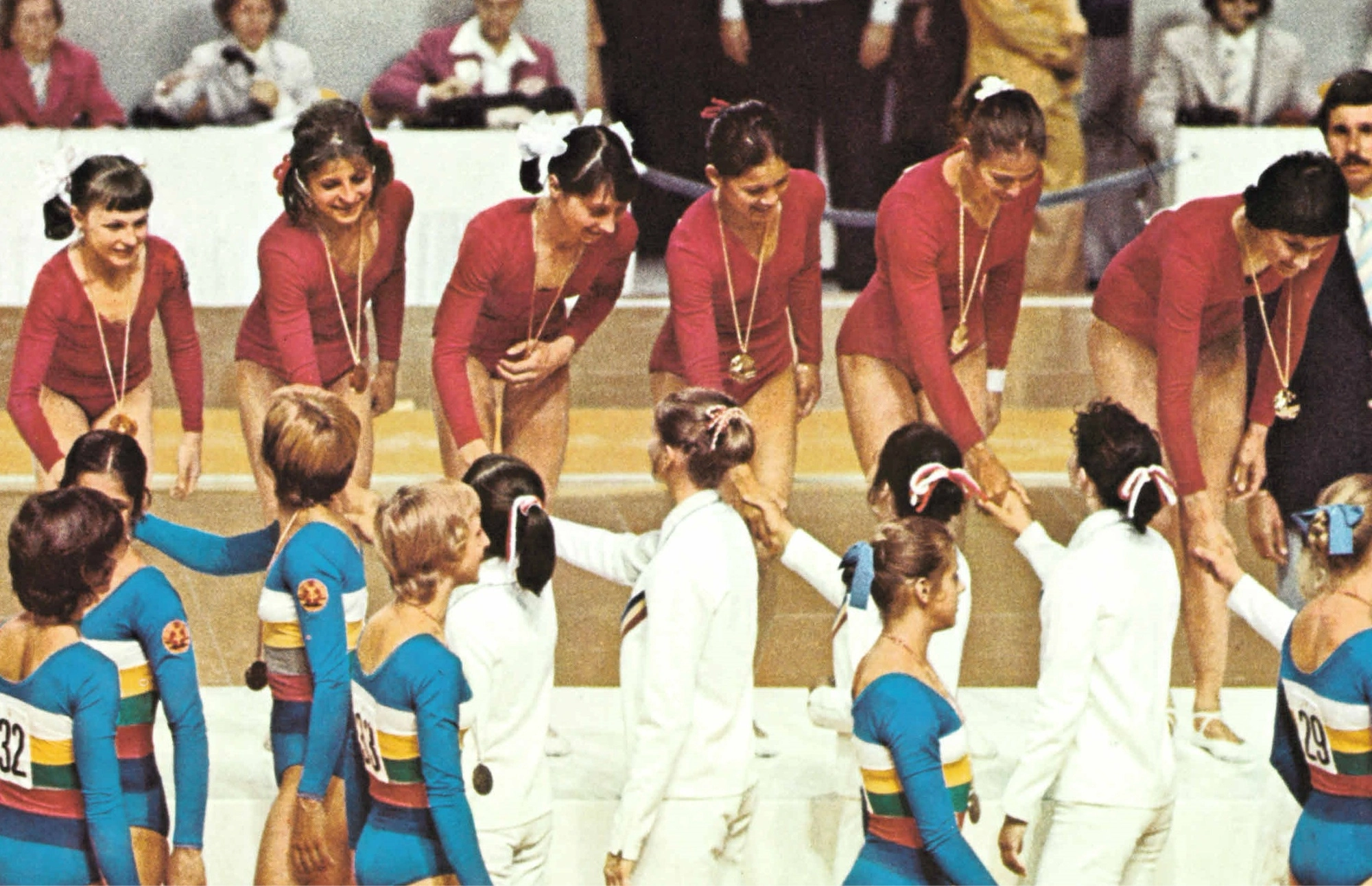
Despite the political turbulence and construction delays, the athletic performances at the 1976 Olympics delivered unforgettable moments that defined generations of sports history. The standout star of the Games was 14-th year-old Romanian gymnast Nadia Comaneci, who captivated the world by earning the first-ever official perfect score of 10.0 on the uneven bars. She went on to score six more perfect tens, capturing three gold medals and cementing her status as a gymnastics legend.
In the swimming pool, the United States men's team faced a formidable challenge from the surging East German women's swimming team. East Germany captured 11 out of 14 gold medals in women's events, a performance later revealed to be fueled by a systematic, state-sponsored doping program. Meanwhile, American decathlete Bruce Jenner delivered a dominant performance to win the gold medal, setting a world record and becoming an instant national hero. Boxers such as Sugar Ray Leonard and Michael Spinks also launched their legendary paths to boxing stardom by winning gold medals for the United States.
Financial Consequences and the "Big Owe"
The most enduring legacy of the 1976 Montreal Olympics is not found in the record books, but in municipal balance sheets. Mayor Drapeau’s financial promises proved entirely unachievable, and the final cost of hosting the Games reached approximately $1.5 billion Canadian dollars. Accounting for inflation, the debt required decades of public servicing, leading local taxpayers to coin the derisive moniker "The Big Owe" for the unfinished stadium.
To pay off the massive liabilities, the province of Quebec introduced a special tobacco tax, which remained in place long after the athletes had gone home. The final installment on the Olympic debt was not paid off until November 2006—more than 30 years after the closing ceremony. This sobering fiscal outcome fundamentally transformed how host cities evaluated Olympic bids, prompting future organizing committees to prioritize existing infrastructure, stringent cost controls, and long-term financial viability over grandiose architectural statements.
Key Statistics and Event Overview of the 1976 Summer Olympics
| Metric/Category | Montreal 1976 Details |
|---|---|
| Dates | July 17 – August 1, 1976 |
| Participating Nations | 92 countries |
| Athletes Competing | 6,084 (4,784 men, 1,300 women) |
| Sports and Disciplines | 21 sports, 198 events |
| Estimated Final Cost | ~$1.5 billion CAD |
| Debt Payoff Duration | 1976 to November 2006 (30 years) |
Frequently Asked Questions
Why did nations boycott the 1976 Montreal Olympics?
Twenty-eight nations, mostly from Africa, boycotted the Games because the International Olympic Committee refused to ban New Zealand. New Zealand's rugby team had toured apartheid South Africa earlier that year, violating international sports isolation policies against the regime.
Who was the breakout star of the 1976 Games?
Romanian gymnast Nadia Comaneci became the breakout star of the Games by scoring the first-ever perfect 10.0 in Olympic gymnastics history. She achieved this milestone on the uneven bars at just 14 years old, ultimately winning three gold medals.
How long did it take Montreal to pay off its Olympic debt?
It took Montreal and the province of Quebec exactly 30 years to pay off the debt incurred by the 1976 Games. The final financial obligations were officially settled in November 2006, largely funded over the decades through a special provincial tobacco tax.
What caused the massive budget overruns in Montreal?
The budget overruns were caused by a combination of global inflation, widespread labor strikes that delayed construction, and complex engineering challenges associated with building the Olympic Stadium and its retractable roof tower.
Which country won the most medals in 1976?
The Soviet Union won the most total medals at the 1976 Montreal Olympics, capturing 125 medals overall, including 49 gold. The United States finished second in the medal table with 94 total medals, 34 of which were gold.
Long-Term Impact on Future Olympic Bids
The cautionary tale of the 1976 Montreal Olympics permanently altered the economics of hosting mega-events. The IOC and future host cities could no longer ignore the risk of catastrophic budget overruns and abandoned infrastructure. Cities like Los Angeles in 1984 demonstrated that private funding and existing facilities could yield profitable, sustainable Games, moving the Olympic movement away from unchecked municipal spending toward fiscal restraint and asset reuse.