The year 1974 stands as a monumental turning point in cinema history, bridging the gritty, auteur-driven experimentation of the early New Hollywood movement with the birth of the modern high-concept blockbuster. Characterized by profound socio-political disillusionment, technological advancements, and a generational shift in filmmaking talent, the 1974 film slate produced some of the most enduring masterpieces in motion picture history.
The Socio-Political Climate Shaping 1974 Cinema
The cinematic landscape of 1974 was deeply informed by the anxieties of its era. The ongoing aftermath of the Vietnam War, the unfolding Watergate scandal, and a pervasive economic recession created a profound sense of public distrust in institutional authority. Filmmakers responded by turning inward and downward, stripping away traditional Hollywood optimism to expose systemic corruption, moral ambiguity, and existential dread.
Rather than offering escapism, major studios frequently backed gritty dramas and complex psychological thrillers that reflected national trauma. This environment allowed directors with distinct personal visions—often termed the New Hollywood auteurs—to command significant creative control. Studios took substantial financial risks on unconventional narratives, dark endings, and morally compromised protagonists, recognizing that audiences craved authenticity over sanitized heroism.
Simultaneously, international cinema exerted a powerful influence on American directors. The techniques of the French New Wave, Italian Neorealism, and Japanese jidaigeki were integrated into domestic storytelling. This cross-pollination resulted in a distinct style characterized by location shooting, natural lighting, improvisational dialogue pacing, and an embrace of ambiguity that challenged viewers to draw their own conclusions about narrative conflicts.
Defining Masterpieces and Genre Redefinitions
The year 1974 was exceptionally rich across multiple genres, fundamentally altering how audiences perceived horror, neo-noir, and epic drama. Francis Ford Coppola released two masterworks in a single twelve-month span: The Conversation, a paranoid surveillance thriller that captured the era's deep-seated privacy fears, and The Godfather Part II, widely regarded as one of the greatest sequels ever made. The latter expanded the scope of the original mafia epic into a sprawling meditation on the corruption of the American Dream.
In the horror genre, Tobe Hooper forever changed the rules of independent filmmaking and modern terror with The Texas Chain Saw Massacre. Operating on a micro-budget, the film utilized documentary-style realism, relentless pacing, and unsparing brutality to tap into rural dread and economic displacement. It proved that terrifying cinema could be forged outside the studio system through sheer grit and visceral craftsmanship.
Meanwhile, Roman Polanski delivered Chinatown, a pitch-black neo-noir that dismantled the classic detective archetype. Set in 1930s Los Angeles but speaking directly to 1974 sensibilities, the film argued that institutional corruption was too vast and entrenched for any single hero to conquer. Its devastating, uncompromised finale cemented its status as a defining statement of New Hollywood pessimism.
| Film Title | Director | Primary Genre | Cultural Impact & Significance |
|---|---|---|---|
| The Godfather Part II | Francis Ford Coppola | Crime Drama | Expanded the mafia epic into a dual-narrative exploration of corruption and familial decay. |
| Chinatown | Roman Polanski | Neo-Noir | Redefined the detective thriller with a deeply cynical view of municipal power and institutional failure. |
| The Conversation | Francis Ford Coppola | Psychological Thriller | Captured post-Watergate paranoia and the ethical dilemmas of electronic surveillance. |
| The Texas Chain Saw Massacre | Tobe Hooper | Horror | Pioneered independent gore and rural grit, establishing enduring slasher tropes. |
| Blazing Saddles | Mel Brooks | Satire / Comedy | Deconstructed the Western genre and systemic American racism through biting, boundary-pushing parody. |
Technological Shifts and Production Realities
Technological innovation in 1974 heavily influenced the visual language and distribution models of the period. The maturation of lightweight, highly portable 35mm panavision cameras and advanced portable sound recording equipment liberated film crews from the studio backlot. Directors could shoot authentic urban environments and remote rural landscapes with unprecedented mobility, enhancing the documentary aesthetic favored by the era.
Sound design also underwent a quiet revolution. Films like The Conversation placed unprecedented narrative weight on audio fidelity, acoustic manipulation, and the subjective nature of what characters—and audiences—perceived as truth. Sound engineers began to treat audio tracks as complex tapestries rather than mere accompaniment to dialogue, paving the way for the Dolby stereo revolution later in the decade.
At the same time, the economics of film production were shifting. While low-budget independents could yield astronomical returns, rising production costs on major epics forced studios to rethink marketing strategies. The heavy reliance on word-of-mouth advertising began to give way to targeted, multi-city saturation releases, laying the logistical groundwork for the aggressive nationwide rollout model that would explode just one year later.
Critical Reception, Box Office Trends, and Commercial Paradox
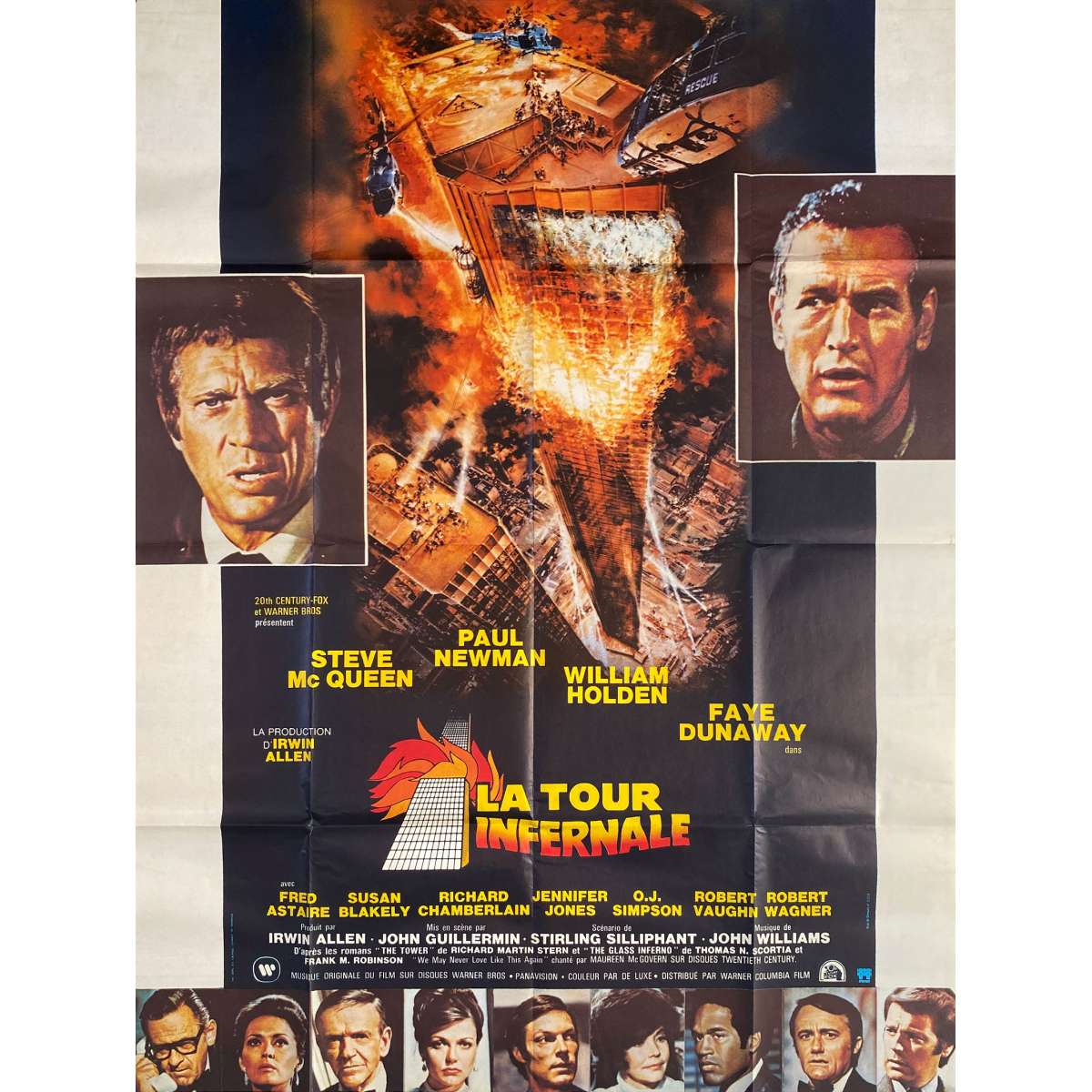
The box office performance of 1974 releases revealed a fascinating paradox in audience behavior. While viewers embraced dark, challenging art house explorations, they simultaneously flocked to high-concept disaster films that offered visceral thrills and ensemble casts. Irwin Allen's The towering Inferno and the all-star disaster vehicle Airport 1975 dominated commercial box office charts, demonstrating that mainstream audiences still desired spectacular, larger-than-life entertainment.
Critical institutions and awards bodies reflected this tension. The Academy Awards ceremony held in early 1975 rewarded the artistic peaks of the 1974 film cycle, though it often struggled to balance commercial blockbusters with gritty auteur cinema. Critics' circles across New York and Los Angeles exerted massive influence, frequently championing foreign imports and independent American features that might have otherwise bypassed mainstream multiplexes.
This era also marked a critical turning point for film criticism as a popular medium. Reviewers like Pauline Kael at The New Yorker and Roger Ebert at the Chicago Sun-Times held immense sway over public discourse, engaging in passionate debates about the moral weight and artistic merit of films like The Texas Chain Saw Massacre and The Godfather Part II. Their reviews helped frame cinema not merely as fleeting amusement, but as a vital, evolving art form worthy of rigorous intellectual analysis.
Legacy and Influence on Modern Filmmaking
The echoes of the 1974 film renaissance continue to reverberate through contemporary cinema. Modern independent filmmakers frequently emulate the uncompromising tone, character-driven pacing, and rejection of tidy resolutions pioneered during this period. The willingness of studios to finance complex, morally ambiguous narratives in 1974 serves as a frequent point of comparison for modern cinephiles lamenting the perceived homogenization of contemporary franchise blockbusters.
Furthermore, many of the key players who emerged or solidified their reputations in 1974 went on to shape the next several decades of commercial and artistic filmmaking. Directors, cinematographers, and editors from this era established collaborative networks that prioritized visual storytelling and psychological depth. Their collective output proved that commercial viability and high artistic ambition were not mutually exclusive.
Analyzing the cinematic output of this single year offers invaluable perspective on how external historical pressures shape artistic expression. By confronting national anxieties head-on, the filmmakers of 1974 created a timeless body of work that continues to challenge, entertain, and inspire modern audiences across the globe.
Frequently Asked Questions
What made 1974 such a significant year in film history?
The year 1974 represents a unique convergence of gritty New Hollywood auteurism, post-Watergate socio-political paranoia, and major stylistic breakthroughs across multiple genres. It produced an unusually high concentration of critically acclaimed masterpieces that redefined crime dramas, neo-noir, and horror while challenging conventional happy endings.
Which 1974 film won the Academy Award for Best Picture?
The Godfather Part II, directed by Francis Ford Coppola, won the Academy Award for Best Picture at the 47th Academy Awards held in 1975. It made history as the first sequel to win the film industry's highest honor.
How did the political climate of 1974 influence movies?
The pervasive public disillusionment stemming from the Vietnam War and the Watergate scandal directly shaped the era's storytelling. Filmmakers frequently explored themes of government corruption, institutional failure, paranoia, and moral compromise, rejecting traditional heroic archetypes in favor of flawed, vulnerable protagonists.
Were horror films popular in 1974?
Yes, 1974 was a watershed year for the horror genre, most notably marked by the release of Tobe Hooper’s The Texas Chain Saw Massacre. This independent release revolutionized modern horror by combining gritty realism with relentless terror, establishing tropes that influenced generations of subsequent filmmakers.
Did 1974 feature any major box office hits alongside dark dramas?
Alongside critically lauded art-house and auteur dramas, 1974 was defined by the massive commercial success of disaster epics. Films like The Towering Inferno drew enormous crowds by featuring star-studded casts and large-scale practical special effects, proving that audiences desired high-stakes spectacle.
Strategic Next Steps for Film Enthusiasts
To deepen your understanding of this pivotal cinematic era, begin by curating a chronological viewing list of the major titles released in 1974, ensuring you balance studio epics with independent horror and neo-noir. Pair your viewings with contemporary reviews from critics like Pauline Kael to understand how these works were received in real-time. Finally, explore retrospective documentaries on the New Hollywood movement to contextualize the production hurdles and creative freedoms that defined the decade.