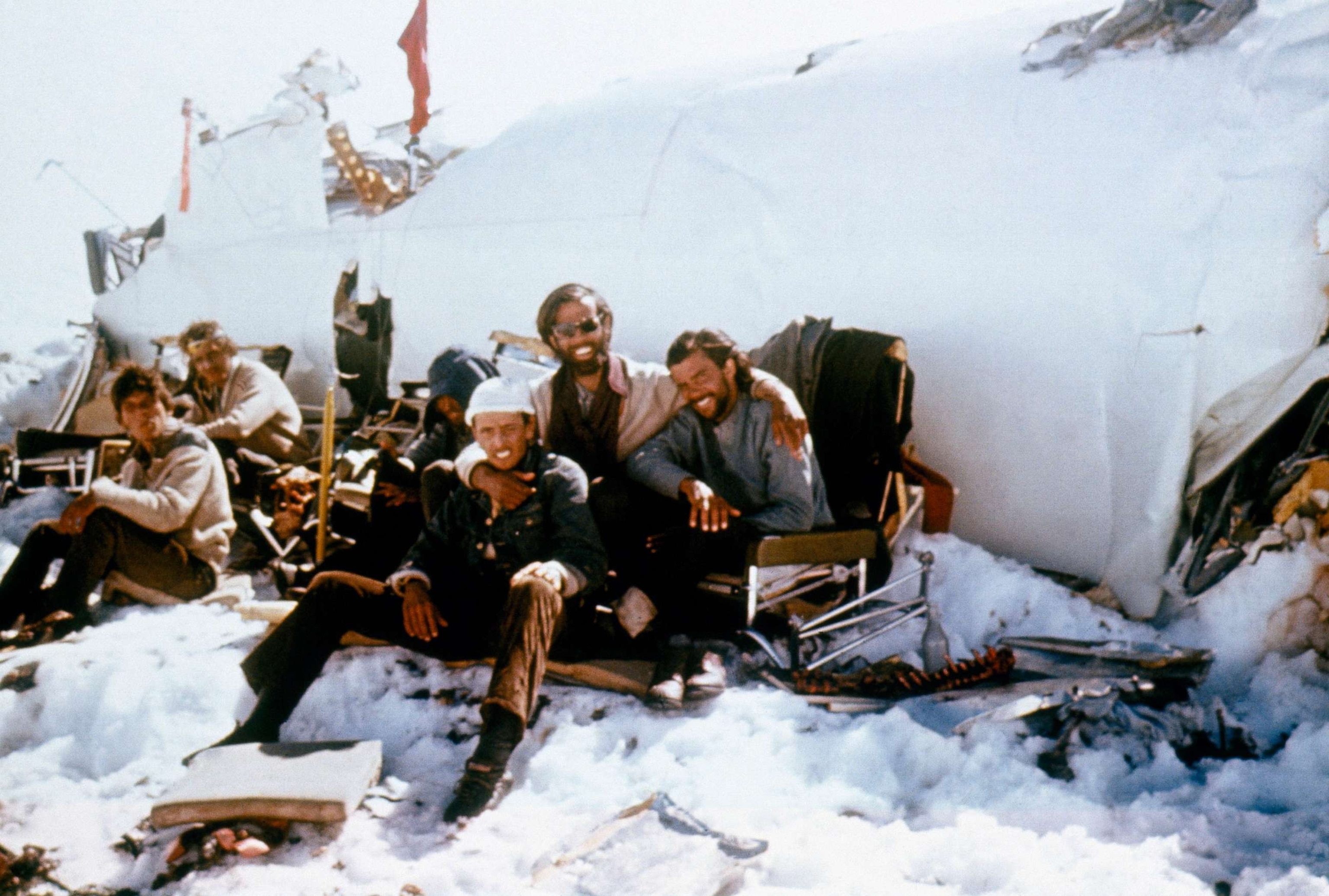
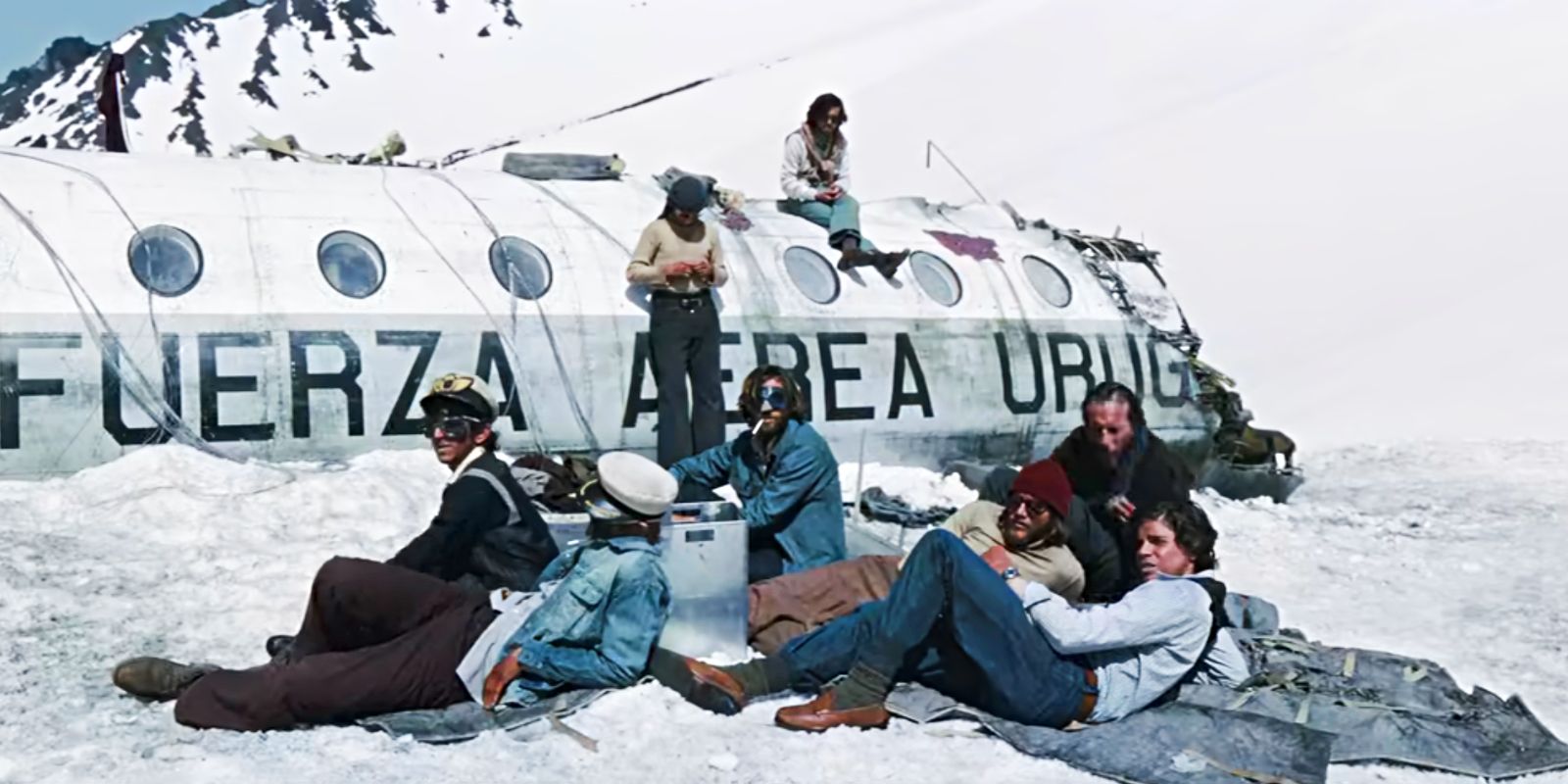
The 1972 Andes crash—officially known as Uruguayan Air Force Flight 571—involved a chartered turboprop carrying a rugby team, their families, and supporters that impacted a remote glacier in the Andes mountains, resulting in a grueling 72-day ordeal of survival, extreme exposure, and a perilous trek across treacherous terrain.
Historical Context and the Flight of Fuerza Aérea Uruguaya Flight 571
On October 12, 1972, a Fairchild FH-227D turboprop aircraft belonging to the Uruguayan Air Force took off from Carrasco International Airport in Montevideo, Uruguay. On board were 45 people, including five crew members and 40 members or associates of the Old Christians Club rugby union team. They were traveling to Santiago, Chile, for an exhibition match. Adverse weather conditions over the Andes mountain range forced the aircraft to make an unscheduled overnight stop in Mendoza, Argentina.
The following afternoon, October 13, the pilot resumed the journey toward Santiago. To clear the high peaks of the Andes, the flight plan required crossing the mountain range via a specific pass, turning south toward Malargüe, and then heading west-northwest toward Pudahuel Airport once clear of the cordillera. However, heavy cloud cover and instrument navigation constraints led the co-pilot, who was flying at the time, to miscalculate their position. Believing they had already passed the adverse weather and crossed the mountains, the crew initiated a premature descent while still embedded in a dense winter storm over the heart of the Andes.
The Impact and Immediate Aftermath on the Glacier
Moments before the crash, the aircraft emerged briefly from the clouds, revealing that the plane was flying directly toward a sheer rock face. Despite emergency evasive maneuvers by the crew, the right wing clipped a jagged ridge, shearing off instantly. The left wing was severed shortly after, slicing through the tail section and leaving the fuselage tumbling down a steep glacier slope before coming to a sudden, violent halt in a snowbank at an elevation of approximately 3,570 meters (11,710 feet).
Out of the 45 passengers and crew, 12 individuals died either upon impact or within the immediate aftermath. Several more succumbed to their severe injuries and the sub-zero temperatures during the first freezing night on the mountain. The survivors found themselves stranded in an inhospitable, remote wilderness with virtually no winter clothing, no medical supplies, and meager rations consisting of small amounts of chocolate, crackers, and wine.
| Phase of Ordeal | Timeline | Key Events & Operational Status |
|---|---|---|
| Initial Impact | October 13, 1972 | Fairchild FH-227D crashes into a remote glacier; 12 immediate fatalities; severe injuries and extreme cold set in. |
| Search and Rescue | October 14–21, 1972 | Multi-national air forces search the cordillera; heavy snow hides the white fuselage; search officially suspended on October 21. |
| The Avalanche | October 29, 1972 | An avalanche strikes the wrecked fuselage at night, killing eight more survivors and trapping the rest for three days. |
| The Expedition | December 12–20, 1972 | Nando Parrado and Roberto Canessa undertake an epic 10-day mountain trek, eventually encountering Chilean muleteer Sergio Catalán. |
| The Rescue | December 21–22, 1972 | Chilean Air Force helicopters airlift the remaining 16 survivors from the glacier, ending the 72-day ordeal. |
The Search, Suspension, and Abandoned Hope
In the days following the disappearance, international rescue operations involving aircraft from Chile, Argentina, and Uruguay scanned the high peaks of the Andes. Because the fuselage was painted white and blended seamlessly into the snow-covered expanse of the remote glacier, the searching planes repeatedly flew directly overhead without spotting the wreckage.
On October 21, after eight days of exhaustive and fruitless searches, authorities officially suspended the rescue operations, concluding that there was no possibility of survivors in such extreme conditions. A pocket radio salvaged from the cockpit allowed the survivors to hear a news broadcast on the tenth day confirming that the search had been called off. Realizing that no outside help was coming, the group understood that their survival depended entirely on their own resourcefulness, endurance, and willingness to make impossible choices.
Physiological Challenges and Survival Strategies
Surviving at nearly 12,000 feet required coping with severe high-altitude sickness, dehydration, and temperatures plunging to minus 30 degrees Celsius at night. The group converted the hollowed-out tail section of the fuselage into a communal shelter, stuffing luggage, insulation, and snow blocks into the gaps to keep out the piercing mountain winds.
The most agonizing dilemma faced by the survivors was the absolute lack of vegetation, wildlife, or edible resources in the frozen alpine zone. With their meager rations exhausted within the first week, the group confronted the biological necessity of consuming the flesh of their deceased friends and crewmates to maintain the caloric energy required to stay alive. Faced with this profound moral and psychological barrier, the survivors reached a collective agreement, recognizing it as their only pathway to seeing their families again.
Compounding these hardships, an immense avalanche struck the fuselage shelter on the night of October 29, burying the wreckage in thick snow and killing eight more occupants. The remaining survivors were trapped in pitch-black confinement with minimal air for three days before digging their way out through the snowpack.
The Decisive Expedition Across the Andes
By December, the summer thaw had begun, improving the chances of a successful trek but also threatening to destroy their snow shelter. Recognizing that waiting indefinitely would lead to eventual death, Nando Parrado, Roberto Canessa, and Antonio Vizintin volunteered to climb out of the mountains to find civilization.
Equipped with makeshift sleeping bags constructed from the plane's insulation material and wire, the three young men began their ascent on December 12. After a grueling three-day climb to the crest of the mountain wall—believing they were near the Chilean border when they were actually still deep within Argentina—they realized the vast expanse of the Andes extended much further than anticipated. To conserve precious rations, Vizintin returned to the fuselage, while Parrado and Canessa pushed onward toward the west.
After ten days of continuous, exhausting hiking across jagged peaks and dwindling snowfields, Parrado and Canessa descended into lower altitudes where vegetation and running water reappeared. On December 20, near the banks of the Rio Azapa, they encountered Sergio Catalán, a Chilean muleteer on horseback, who provided them with food and rode hours away to alert authorities.
Global Rescue Operation and Aftermath
Following the notification by Sergio Catalán, the Chilean Air Force mounted a rescue operation utilizing two UH-1 Iroquois helicopters guided by Nando Parrado. On December 21 and 22, 1972, the aircraft successfully landed near the glacier and airlifted the remaining 16 survivors to safety in Santiago, Chile.
The revelation of how the survivors stayed alive for 72 days sparked worldwide media attention, initial public controversy, and ultimate profound empathy once the extreme circumstances of their isolation were understood. The event remains one of the most remarkable documented cases of human endurance, psychological resilience, and collective cooperation in aviation history.
Frequently Asked Questions
How many people survived the 1972 Andes crash?
Out of the 45 passengers and crew members on board, 16 people survived the entire 72-day ordeal on the mountain. Twelve died in the initial crash or its immediate aftermath, several more succumbed to injuries and the cold in the early weeks, and eight died in the October 29 avalanche.
Why did the plane crash into the Andes?
The crash was caused by a combination of adverse weather conditions, instrument navigation limitations, and a navigational miscalculation by the co-pilot. The crew initiated a premature descent while enveloped in a heavy snowstorm, believing they had already crossed the mountain range when they were still flying directly over the peaks.
How did the survivors stay hydrated and fed on the glacier?
The survivors melted snow using aluminum pieces from the plane placed under the intense alpine sun to obtain drinking water. For sustenance, they were forced to consume the flesh of the deceased passengers, a painful decision made necessary by the complete absence of natural food sources in the frozen, barren alpine environment.
Who were the key individuals responsible for finding rescue?
Nando Parrado and Roberto Canessa undertook the decisive ten-day trek across the high mountain peaks down to lower elevations. They successfully made contact with Chilean muleteer Sergio Catalán, who alerted authorities and initiated the helicopter rescue mission that brought the remaining survivors home.
Where is the wreckage of Flight 571 located today?
The remains of the Fairchild FH-227D fuselage lie in a remote, high-altitude glacier valley near the border of Chile and Argentina, known as the Glaciar de las Lágrimas (Glacier of Tears). The site is visited periodically by trekkers, guides, and family members of the victims and survivors to pay their respects.
Next Steps and Historical Exploration
For those seeking deeper insight into the historical events surrounding Flight 571, examining primary accounts such as Nando Parrado's memoir Miracle in the Andes or Piers Paul Read's definitive investigative book Alive: The Story of the Andes Survivors provides comprehensive, firsthand documentation. Travelers interested in visiting the crash site should engage certified Andean mountain guides based in Mendoza or Santiago, as the high-altitude terrain requires specialized mountaineering equipment, physical conditioning, and careful logistical planning.