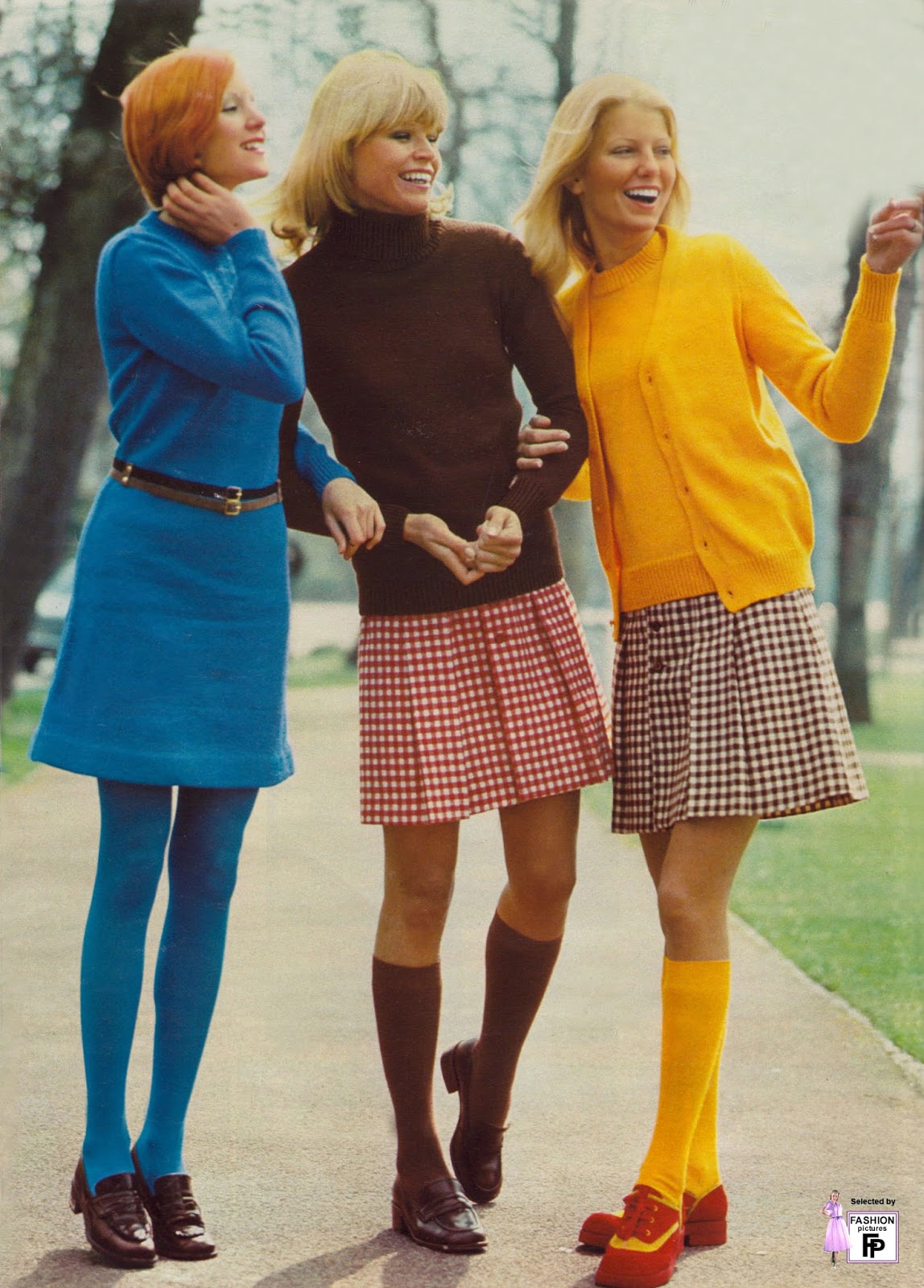
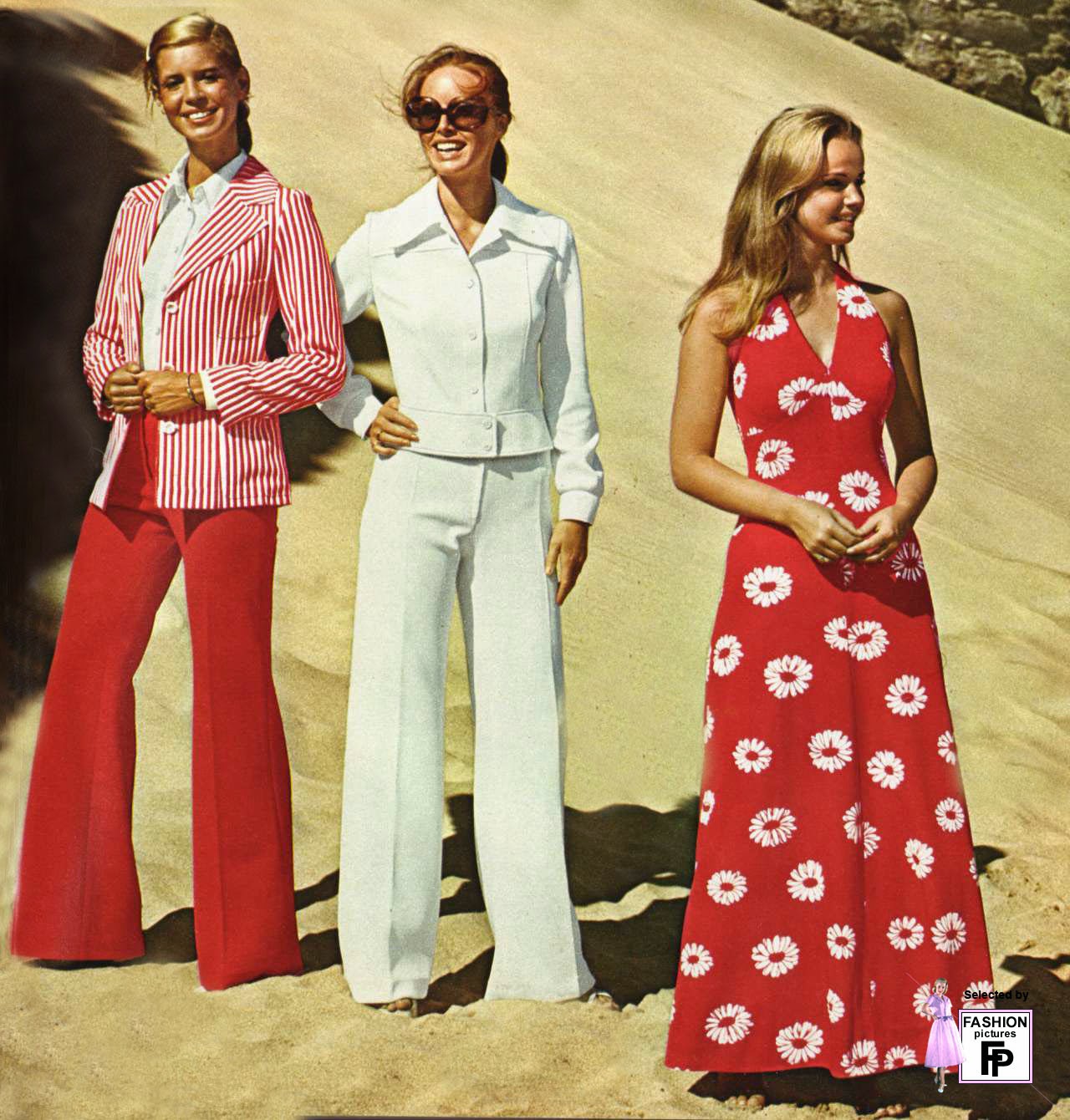
The 1970s style represents a dynamic era of bold experimentation, defined by earthy palettes, organic geometry, expressive textiles, and a rejection of mid-century minimalism in favor of maximalist personal expression. This design movement blended bohemian counterculture influences with futuristic space-age optimism, leaving an enduring imprint on interior architecture, fashion, and industrial design.
Understanding the Roots of 1970s Aesthetic Philosophy
The visual language of the 1970s did not emerge in a vacuum; it evolved directly out of the socio-cultural shifts of the late 1960s. As the idealism of the previous decade matured, society turned its attention toward ecological awareness, personal authenticity, and comfort. This manifested in a dramatic pivot away from the sleek, clinical lines of atomic-age design and the rigid structures of the 1950s. Designers and homeowners alike embraced a more tactile, grounded approach to living spaces and personal presentation.
Central to this philosophy was the concept of "bringing the outside in." Urbanization and environmental movements spurred a collective desire to reconnect with nature. Consequently, interior architecture and fashion began utilizing raw, unrefined materials. Earth tones—such as avocado green, harvest gold, burnt orange, and rich chocolate brown—became the ubiquitous background against which personal identity was displayed. These colors were not merely decorative; they symbolized a psychological grounding, providing warmth and security during a decade marked by economic turbulence and political shifts.
Furthermore, the decade embraced a duality of rustic bohemianism and sleek futurism. While one side of the culture gravitated toward macramé, rattan furniture, and handmade pottery, the other embraced molded plastics, chrome, and lacquered finishes inspired by the Space Race. This tension created a rich, layered aesthetic where a shag carpet could effortlessly coexist with a sculptural, futuristic acrylic chair. Understanding this foundational contrast is essential for anyone seeking to replicate or analyze the decade's design signatures accurately.
Key Material and Architectural Characteristics
Examining the physical manifestations of 1970s style reveals a distinct material palette that prioritized sensory engagement. Textures were heavy, tactile, and unapologetically dominant. High-pile shag carpeting, crushed velvet, heavy wool, and faux fur were standard in residential interiors. Walls were frequently covered in bold, graphic wallpapers featuring repeating geometric or organic floral patterns, or they were paneled in rich, dark woods like walnut and knotty pine, which amplified the cozy, cocoon-like atmosphere of the typical home.
Furniture design during this period abandoned straight angles in favor of curves, blobs, and modular flexibility. The conversation pit—a sunken living room seating area—epitomized the architectural desire for intimate, communal gathering spaces. Furniture pieces were often low-profile, encouraging lounging rather than formal posture. Materials like molded fiberglass, smoked glass, and tubular chrome reflected the continued fascination with industrial innovation, while natural elements like wicker, bamboo, and cork provided organic balance.
Lighting also underwent a radical transformation. Gone were the simple, utilitarian fixtures of previous decades. Instead, lighting became a central sculptural element. Designers utilized globe lamps, arc floor lamps that stretched dramatically over seating areas, and colored glass pendants that cast warm, amber hues across the room. Lava lamps, fiber optic displays, and neon signage introduced whimsical, ambient illumination that shifted the mood of a space entirely after dark.
Evolution of Fashion and Personal Presentation
Parallel to interior design, 1970s fashion broke traditional sartorial rules, prioritizing fluid silhouettes, gender-fluid items, and textural variety. The early part of the decade retained remnants of 1960s mod culture, but by the mid-1970s, silhouette definitions had shifted dramatically. Bell-bottom trousers and flared denim became universal staples, worn by both men and women, often paired with tight-fitting ribbed sweaters or peasant blouses.
The latter half of the decade birthed two distinct cultural movements that permanently altered personal style: disco and punk. Disco fashion was sleek, glamorous, and designed for movement under club lights. It featured synthetic fabrics like polyester, Lurex, and spandex, characterized by halter necks, wrap dresses, and shimmering metallic finishes. Conversely, punk rock emerged as a raw, anti-establishment reaction against mainstream consumerism. Originating in London and New York, punk style embraced safety pins, ripped garments, leather jackets, tartan prints, and DIY customization, proving that the decade's aesthetic breadth extended from high glamour to gritty rebellion.
Footwear and accessories followed suit. Platform shoes with chunky wooden or cork soles elevated wearers to new heights, while wide-brimmed floppy hats, oversized sunglasses, and long fringe bags completed the bohemian ensemble. Jewelry shifted away from delicate platinum and diamonds toward chunky turquoise silver, brass, and geometric plastic earrings, cementing the preference for bold, statement-making accessories.
Comparing Design Eras: 1950s, 1960s, and 1970s
To fully appreciate the uniqueness of 1970s style, it is helpful to contrast its core attributes against the preceding two decades. Each era addressed form, function, and material innovation in fundamentally different ways.
| Design Element | 1950s Style | 1960s Style | 1970s Style |
|---|---|---|---|
| Primary Color Palette | Pastel tones, turquoise, coral, and primary accents | High-contrast black and white, neon, and pop art primaries | Earth tones, avocado green, harvest gold, and burnt orange |
| Dominant Textures | Formica, polished wood, wrought iron, and tweed | Plastic, vinyl, faux leather, and smooth lacquered surfaces | Shag carpet, velvet, rattan, heavy wool, and dark wood paneling |
| Furniture Geometry | Clean atomic angles, tapered wooden legs, and boomerang shapes | Futuristic curves, modular plastics, and optical illusion motifs | Low-profile seating, sunken conversation pits, and organic blobs |
| Cultural Driver | Post-war suburban expansion and atomic age optimism | Youthquake, British invasion, and space exploration | Environmental awareness, counterculture, and disco culture |
This comparative breakdown demonstrates how the design world transitioned from structured post-war optimism into the hyper-stylized modernism of the sixties, ultimately settling into the tactile, comfort-driven maximalism of the seventies.
Common Misconceptions and Authenticity Challenges
When exploring or recreating 1970s style today, several common misconceptions frequently lead to inauthentic results. One of the most prevalent errors is treating the entire decade as a monochromatic wash of brown and orange. While earth tones were undeniably dominant, the palette shifted drastically depending on the sub-genre and the specific year. Early-decade aesthetics often retained bright, saturated hues from the late sixties, while mid-to-late disco culture introduced shimmering silvers, deep plums, and vibrant jewel tones.
Another frequent mistake is the over-reliance on novelty items as substitutes for genuine structural design. True 1970s style is not merely a collection of novelty lava lamps and smiley-face posters. It relies heavily on architectural integrity, spatial flow, and the thoughtful layering of heavy textures. Failing to account for the structural elements—such as low ceilings balanced by oversized furniture, or the deliberate integration of natural light through large windows and houseplant collections—can make a modern interpretation feel like a costume rather than a cohesive living environment.
Finally, individuals often conflate the sleek minimalism of contemporary interior trends with the ethos of the seventies. The decade was fundamentally maximalist in its approach to textiles and accessories. Surfaces were meant to be adorned, books were meant to be stacked, and walls were expected to carry pattern or deep wood grain. Stripping away this textural complexity in favor of clean, white Scandinavian minimalism strips the style of its defining warmth and character.
Frequently Asked Questions
What are the primary color palettes associated with 1970s style?
The primary color palette of the 1970s is rooted in warm earth tones. Prominent shades include burnt orange, mustard yellow, avocado green, harvest gold, and rich chocolate brown. These were frequently accented by deep reds, rust, and amber, though disco-era spaces introduced metallic silvers and vibrant jewel tones toward the end of the decade.
How can I incorporate 1970s interior design into a modern home without overwhelming the space?
To integrate 1970s style into a modern home, focus on statement pieces and tactile materials rather than a complete overhaul. Introduce a low-profile velvet sofa, a rattan accent chair, or sculptural lighting fixtures like an arc floor lamp. Balance these expressive elements with neutral architectural backgrounds to maintain spatial harmony.
What materials were most commonly used in 1970s furniture and decor?
Designers in the 1970s heavily favored organic and tactile materials such as wicker, bamboo, rattan, heavy wool, and cork, alongside industrial innovations like molded fiberglass, smoked glass, and tubular chrome. Textiles featured high-pile shag carpets, crushed velvet, and heavy woven tapestries.
Did fashion styles change significantly between the early and late 1970s?
Yes, fashion evolved notably throughout the decade. The early 1970s retained bohemian and hippie influences with peasant blouses, fringe, and flared denim. The mid-to-late 1970s bifurcated into glamorous disco wear featuring synthetic fabrics and sequins, and the raw, anti-establishment aesthetic of the punk rock movement.
Why did earth tones become so popular in 1970s interior design?
Earth tones gained popularity due to a cultural shift toward environmentalism, a desire to reconnect with nature, and a psychological need for warmth and security. These natural hues provided a grounding, comforting contrast to the political uncertainties and economic challenges of the decade.
Curating and Preserving 1970s Design Elements
Successfully engaging with 1970s style requires a balanced appreciation for its functional comfort and expressive visual vocabulary. Whether sourcing vintage furniture pieces, restoring original architectural details, or blending retro accents into a contemporary layout, the key lies in prioritizing tactile richness and spatial intimacy. Begin by selecting one or two anchor items—such as a curved modular sofa or a statement lighting fixture—and build the surrounding environment using layered textures and a warm, grounded palette to capture the enduring spirit of the era.