The landscape of American television underwent a profound transformation during the 1970s, shifting away from rural escapism toward socially relevant, gritty, and urban-centric situation comedies. This decade redefined the genre by introducing complex characters, political commentary, and serialized character growth that permanently altered how television mirrored contemporary social change.
The Paradigm Shift: From Rural Escapism to Relevance
Television programming at the end of the 1960s was dominated by rural fantasies, magical premises, and sanitized family structures that offered comfort but increasingly ignored a rapidly changing society. The early 1970s witnessed what industry historians call the "rural purge," a calculated move by network executives—particularly CBS—to cancel popular yet older-skewing, non-urban shows like The Beverly Hillbillies, Petticoat Junction, and Green Acres. Networks sought to attract younger, more affluent, and increasingly urban demographics who lived in markets with high purchasing power.
This scheduling vacuum opened the door for visionary producers like Norman Lear, Grant Tinker, and James L. Brooks, who recognized that audiences were hungry for television that reflected real-world cultural tensions. Shows began to engage directly with the civil rights movement, changing gender roles, the Vietnam War, economic anxiety, and the generation gap. Instead of avoiding controversy, 1970s sitcoms embraced it, using laughter as a tool to process uncomfortable truths about American society.
Rather than portraying pristine suburban households where the biggest problem was a lost homework assignment, the new era introduced flawed, argumentative, and economically stretched families. This structural shift laid the groundwork for serialized character arcs, where relationships evolved, marriages dissolved, and characters experienced genuine professional and personal consequences over multiple seasons.
Norman Lear and the Birth of Social Satire
No single individual shaped the 1970s sitcom landscape more profoundly than Norman Lear. Adapting British formats for American audiences, Lear introduced a wave of topical comedies that used satire to expose bigotry, hypocrisy, and systemic flaws. His production company, Tandem Productions, dominated the ratings and established a new benchmark for network television.
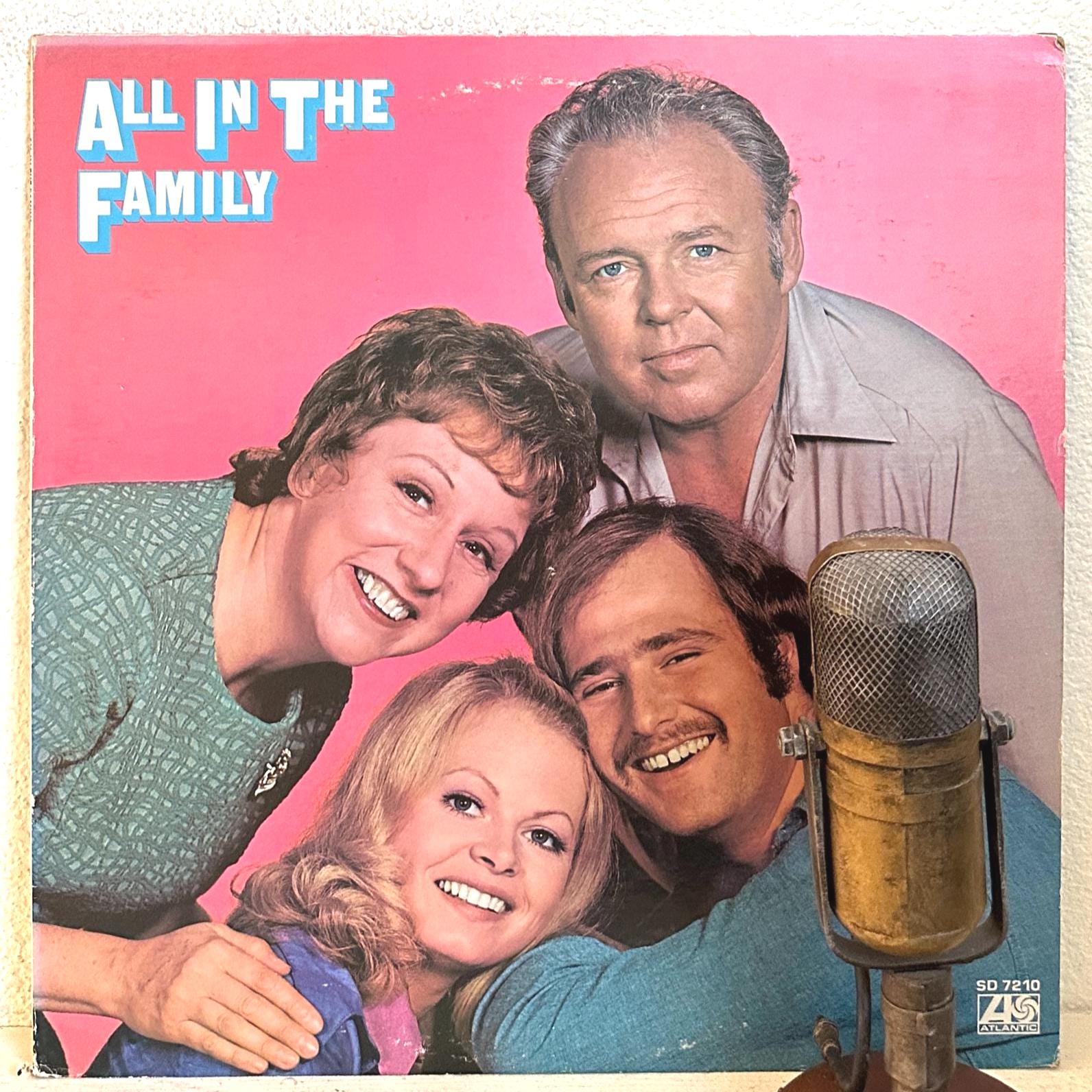
All in the Family, which premiered on CBS in January 1971, served as the cornerstone of this movement. Centered around the bigoted, working-class dockworker Archie Bunker (played by Carroll O'Connor) and his liberal son-in-law Mike "Meathead" Stivic (Rob Reiner), the show dragged taboo subjects like racism, antisemitism, feminism, and homosexuality into America's living rooms. By making the antagonist a complex, deeply human figure rather than a cartoon villain, Lear forced viewers to confront prejudice without preaching directly to them.
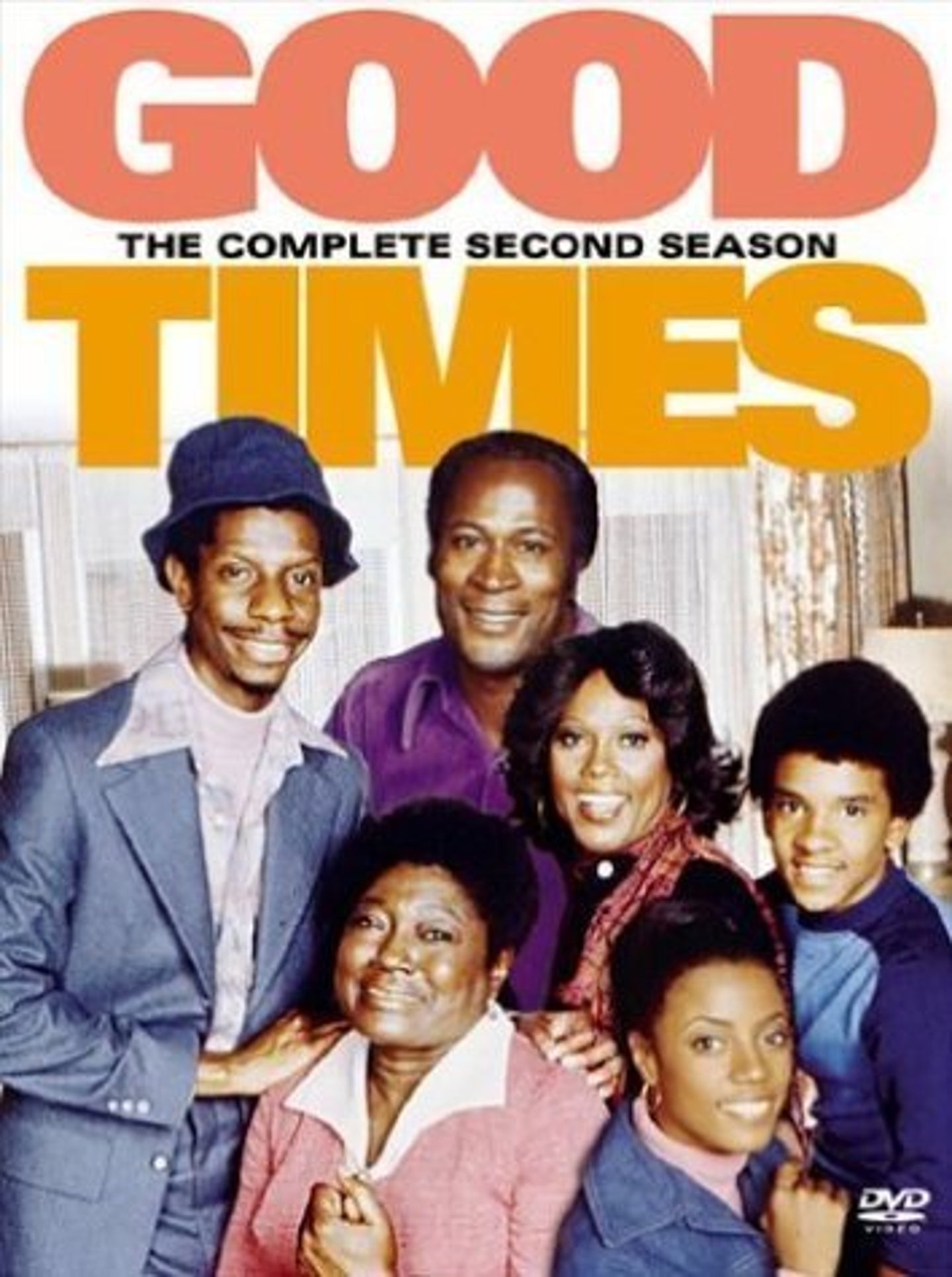
Building on this success, Lear expanded his universe with spin-offs and new concepts that tackled intersectional issues. Maude explored feminism, abortion rights, and mental health through a middle-aged, independent woman. Good Times focused on a Black family struggling against systemic poverty in a Chicago housing project, while The Jeffersons examined upward mobility and intra-racial class dynamics as a successful Black couple moved to a luxury apartment in Manhattan.
| Show Title | Network | Original Run | Primary Social Themes |
|---|---|---|---|
| All in the Family | CBS | 1971–1979 | Racism, sexism, generational conflict, political polarization |
| Maude | CBS | 1972–1978 | Feminism, abortion, mental health, aging |
| Good Times | CBS | 1974–1979 | Urban poverty, systemic racism, family resilience |
| The Jeffersons | CBS | 1975–1985 | Upward mobility, classism, race relations |
| One Day at a Time | CBS | 1975–1984 | Divorce, single parenting, changing gender roles |
Workplace Ensembles and Workplace Dynamics
While Norman Lear focused on domestic satire, another major movement in 1970s sitcoms re-envisioned the workplace as a primary narrative setting. Moving away from the isolated home environment, these shows gathered disparate personalities into professional offices, broadcasting stations, and military units, creating a natural laboratory for comedic friction.
The Mary Tyler Moore Show, which debuted on CBS in 1970, revolutionized the representation of working women on television. Mary Richards (Mary Tyler Moore) was neither a housewife nor a dependent daughter; she was an unmarried, thirty-something associate producer at a fictional Minneapolis news station building an independent life. Supported by a legendary ensemble cast featuring Ed Asner as Lou Grant, Betty White as Sue Ann Niven, and Cloris Leachman as Phyllis Lindstrom, the series balanced workplace comedy with sophisticated character development and emotional resonance.
Similarly, MASH*, which premiered on CBS in 1972, used the Korean War setting as an allegorical commentary on the ongoing Vietnam conflict. Created by Larry Gelbart and developed from the 1970 feature film, the series evolved from a standard fast-paced military farce into a poignant dramedy. It addressed the psychological toll of war, institutional bureaucracy, and medical ethics, proving that half-hour comedies could handle profound dramatic weight without losing their comedic identity.
Workplace ensembles also embraced blue-collar settings with shows like Taxi, which premiered in 1978. Following the lives of cynical, struggling cab drivers in New York City, the series explored dashed ambitions and economic survival with empathy, introducing memorable characters like Jim Ignatowski (Christopher Lloyd) and Latka Gravas (Andy Kaufman).
Production Evolution: The Transition to Videotape and Multi-Camera Setup
The technical production of sitcoms experienced a quiet revolution during the 1970s, moving away from single-camera film setups toward multi-camera studio recordings before live audiences or on videotape. This technical shift fundamentally influenced the pacing, aesthetic, and performance style of the medium.
Traditional 1960s sitcoms were largely filmed using single cameras without live audiences, relying on post-production laugh tracks to cue viewer reactions. The Norman Lear approach revived the theatrical multi-camera setup in front of a live studio audience, often referred to as "filmed before a live studio audience" or recorded on high-resolution videotape. This setup allowed actors to feed off the immediate energy of spectators, resulting in crisper comedic timing, theatrical staging, and a sense of immediacy similar to a stage play.
The visual style also shifted from the sun-drenched, saturated outdoor palettes of rural comedies to fluorescent-lit soundstages, drab urban apartments, and institutional offices. This visual realism matched the thematic shift toward gritty urban settings. Directors experimented with deep-focus lenses and overlapping dialogue, allowing multiple conversations to happen simultaneously, which mirrored the chaotic energy of real domestic and professional spaces.
Cultural Legacy and Enduring Influence
The creative risks taken by creators, writers, and actors during the 1970s established the structural DNA for modern television comedy. By proving that sitcoms could tackle political controversy, social change, and genuine emotional vulnerability, the decade shattered the boundaries of what could be broadcast during prime time.
The serialized storytelling models developed in shows like All in the Family and The Mary Tyler Moore Show directly influenced the prestige television boom of subsequent decades. The complex anti-heroes, workplace ensembles, and willingness to alienate portions of the audience in pursuit of artistic integrity created a template that later showrunners used to build critically acclaimed dramas and contemporary serialized comedies.
Moreover, the character archetypes established in this era—the exasperated boss, the idealistic youth, the cynical professional, the fiercely independent working woman—remain foundational to television writing. Examining 1970s sitcoms reveals not only a golden age of television comedy but also a vital historical artifact of a society wrestling with its own identity during a turbulent decade.
Frequently Asked Questions About 1970s Sitcoms
Why did networks cancel rural comedies in the early 1970s?
Network executives initiated the "rural purge" to attract younger, more affluent, and urban-dwelling viewers. Advertisers preferred these demographics because they held higher disposable income, prompting networks to replace rural-themed shows with socially relevant, city-centric comedies.
How did Norman Lear influence American television?
Norman Lear introduced social satire and topical issues into prime-time television. By addressing racism, poverty, sexism, and politics through flawed, realistic characters, he demonstrated that situation comedies could engage with serious contemporary debates.
Was MASH* considered a comedy or a drama?
MASH* began as a fast-paced military farce with heavy satirical elements but gradually evolved into a dramedy. Over its 11-season run, it blended black comedy with serious dramatic explorations of the psychological trauma and moral ambiguities of war.
What technical changes occurred in sitcom production during the 1970s?
Production shifted away from single-camera film with added laugh tracks toward multi-camera setups recorded in front of live studio audiences or on videotape. This change emphasized theatrical pacing, immediate audience feedback, and realistic interior sets.
Which 1970s sitcoms featured prominent independent working women?
The Mary Tyler Moore Show is the most prominent example, focusing on an unmarried woman building an independent career in television news. Other notable entries include Maude and One Day at a Time, which explored feminism, divorce, and single motherhood.
How did 1970s sitcoms address the civil rights movement?
Shows like Good Times and The Jeffersons brought Black families and urban experiences to prime-time television, exploring systemic poverty, upward mobility, and race relations. Meanwhile, All in the Family used satire to expose and critique white working-class prejudice.
Strategic Viewing and Historical Exploration
To fully appreciate the evolution of 1970s television, viewers should examine curated multi-episode runs of foundational series rather than isolated episodes. Start with the pilot and key seasonal turning points of All in the Family to understand the baseline of social satire, then compare it with the professional independence depicted in early seasons of The Mary Tyler Moore Show. Pay attention to how supporting casts developed over time, as serialized character growth represents the era's most enduring contribution to the craft of television writing.