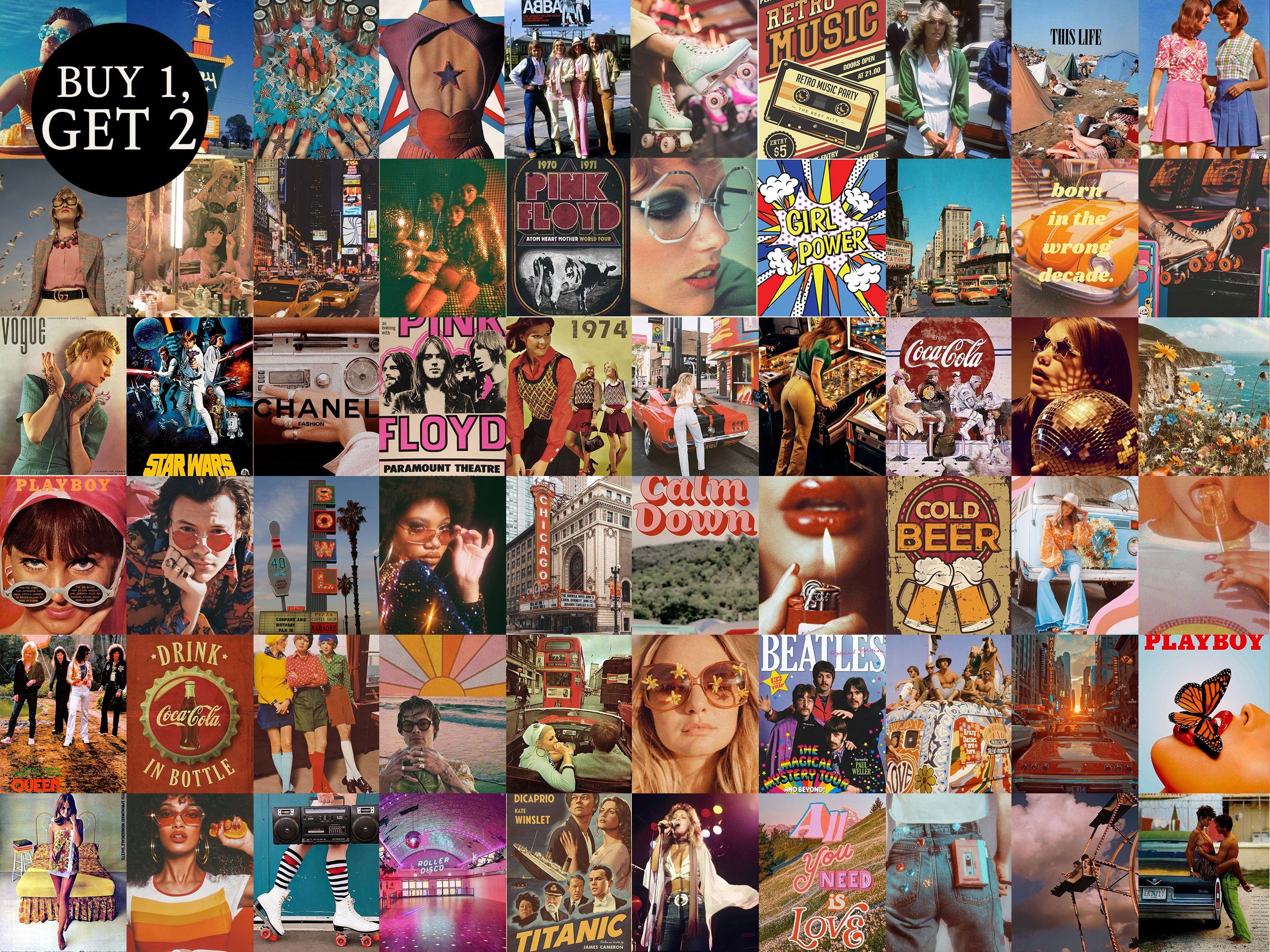
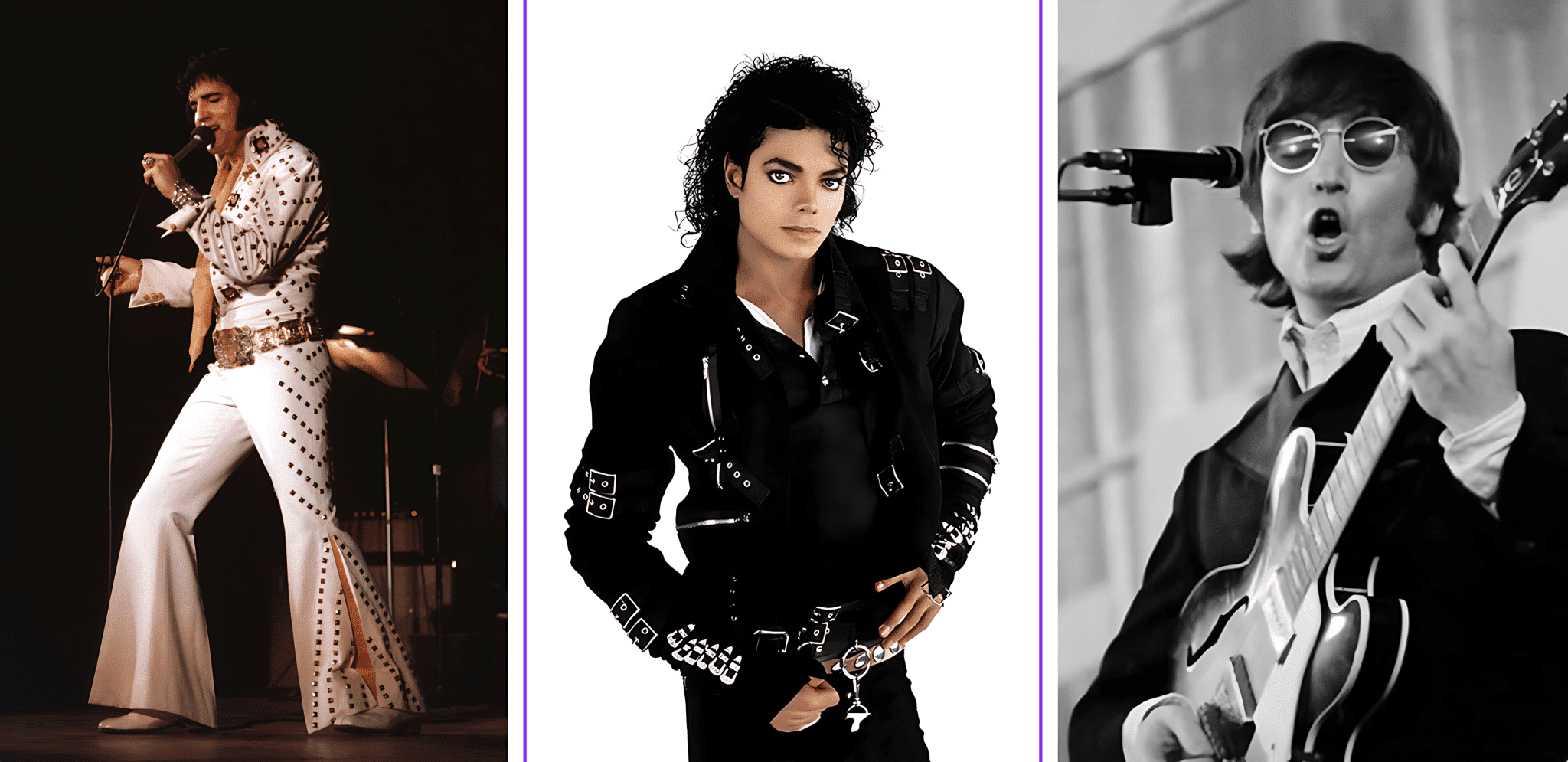
The 1970s pop landscape was a dynamic, highly fragmented musical era defined by the splintering of mainstream sounds into distinct, globally influential subgenres such as disco, soft rock, bubblegum pop, glam, and early electronic synth-pop. Driven by rapid advancements in multi-track studio recording and the ubiquity of FM radio, the decade transformed popular music from a youth-oriented singles market into a sophisticated, highly profitable global industry.
The Technological and Industrial Shift in 1970s Recording Studios
The transition from the four- and eight-track recording methods of the 1960s to sophisticated 16- and 24-track mixing consoles revolutionized 1970s pop production. Producers and sound engineers could now layer dozens of vocal harmonies, string arrangements, and synthetic textures without permanently bouncing tracks or sacrificing high-fidelity sound. This technological leap enabled the creation of lush, cinematic soundscapes that defined the decade's commercial output.
Studio experimentation became a hallmark of the era, spearheaded by visionary producers and songwriters who treated the recording studio as an instrument in its own right. Synthesizers—initially bulky, experimental novelties—became commercially viable instruments through compact models like the Minimoog and the ARP Odyssey. Pop acts quickly integrated these electronic textures alongside traditional orchestration, bridging the gap between organic instrumentation and futuristic electronic sounds.
Concurrently, the global music industry experienced massive corporate consolidation. Record labels transformed from independent, entrepreneurial outfits into multinational conglomerates. This institutional backing funded elaborate marketing campaigns, global tour logistics, and high-budget music videos. Consequently, pop music achieved unprecedented commercial reach, making international chart success a lucrative and highly competitive corporate endeavor.
Key Subgenres That Shaped the 1970s Pop Landscape
Rather than adhering to a single uniform sound, 1970s pop encompassed a diverse array of competing subgenres that rotated in and out of chart dominance. The early part of the decade retained the polished vocal harmonies and orchestrated pop sensibilities of the late 1960s, which gradually gave way to the theatricality of glam rock and the slick, sophisticated production of soft rock.
Bubblegum pop and teen idols maintained a massive commercial footprint, particularly through manufactured groups and charismatic solo artists who dominated teen magazines and television variety shows. Meanwhile, the mid-to-late 1970s bore witness to the meteoric rise of disco. Originating in underground urban club cultures among marginalized communities, disco quickly permeated mainstream pop radio, introducing a driving four-on-the-floor beat, soaring orchestral arrangements, and bass-heavy grooves that unified global dancefloors.
| Subgenre | Defining Characteristics | Representative Artists | Primary Era Peak |
|---|---|---|---|
| Soft Rock / Pop | Melodic, acoustic-driven, polished vocal harmonies, introspective lyrics | The Carpenters, Fleetwood Mac, Eagles | 1972–1979 |
| Glam Pop | Theatrical presentation, flamboyant costumes, catchy guitar riffs, glitter aesthetic | ABBA, David Bowie, Elton John | 1971–1975 |
| Disco Pop | Four-on-the-floor rhythm, lush strings, funky basslines, falsetto vocals | Bee Gees, Donna Summer, Chic | 1975–1979 |
| Bubblegum / Teen Pop | Catchy hooks, simple lyrics, youthful appeal, high-energy arrangement | The Osmonds, David Cassidy, Bay City Rollers | 1970–1975 |
The Global Phenomenon of ABBA and European Pop Dominance
Prior to the 1970s, the global pop charts were overwhelmingly dominated by acts originating from the United States and the United Kingdom. The formation of the Swedish supergroup ABBA in 1972 fundamentally altered this paradigm, proving that non-native English-speaking artists could achieve sustained, unprecedented global commercial dominance through meticulous songwriting and innovative marketing.
ABBA combined intricate European folk melodies with American pop structures and cutting-edge studio production techniques. Their victory at the 1974 Eurovision Song Contest with "Waterloo" served as the launchpad for a string of global chart-toppers characterized by the distinctive vocal blend of Agnetha Fältskog and Anni-Frid Lyngstad, supported by the sophisticated composition work of Björn Ulvaeus and Benny Andersson.
The group's success paved the way for other European pop acts and demonstrated the power of visual presentation. ABBA was an early pioneer of conceptual music videos designed specifically for international broadcast, anticipating the MTV era of the following decade. Their legacy remains a cornerstone of pop music composition, defined by infectious hooks and melancholic lyrical undertones.
The Cultural Impact and Ultimate Eclipse of Disco
Disco emerged from the underground club scenes of New York and Philadelphia in the early 1970s, eventually exploding into a multi-billion-dollar global phenomenon following the release of the soundtrack to the film Saturday Night Fever in 1977. Disco democratized the dancefloor, bringing together diverse racial, socioeconomic, and queer communities under a shared love for infectious, synthesized dance rhythms.
Musically, disco introduced sophisticated arrangements to popular music, heavily featuring lush string sections, horn arrangements, rhythmic rhythm guitars, and rhythmic basslines played by elite studio musicians like those in MFSB. Producers Giorgio Moroder and Nile Rodgers pushed the genre forward, integrating electronic sequencers and tight, syncopated funk grooves that heavily influenced subsequent decades of electronic dance music and hip-hop.
However, the genre's massive commercial saturation triggered a severe cultural backlash by the end of the decade. Culminating in the notorious "Disco Demolition Night" at Comiskey Park in Chicago in July 1979, rock purists and conservative elements coalesced around a hostile anti-disco sentiment. While disco as a distinct commercial radio format receded rapidly by 1980, its structural DNA permanently embedded itself into the framework of modern pop, dance, and R&B production.
Frequently Asked Questions About 1970s Pop
What defined the transition from 1960s pop to 1970s pop?
The transition was marked by a shift from compact, AM-radio-friendly singles to ambitious album-oriented projects, sophisticated 16- and 24-track studio production, and a diversification into specialized subgenres like soft rock, glam, and disco, supported by the maturation of FM stereo broadcasting.
How did the advent of multi-track recording change 1970s pop music?
Multi-track recording allowed producers to layer instruments and vocals independently, enabling complex arrangements, pristine vocal harmonies, and extensive sonic experimentation that transformed the recording studio into a primary creative instrument.
Why did disco face such intense backlash at the end of the decade?
The backlash was driven by a combination of market oversaturation, cultural rebellion from rock-music fans who felt marginalized by disco's radio dominance, and underlying racial and homophobic tensions directed at the subculture's roots in Black, Latino, and queer nightlife.
What role did television variety shows play in 1970s pop?
Television variety shows like The Midnight Special, Top of the Pops, and programs hosted by pop acts like The Osmonds and Sonny & Cher provided crucial visual platforms for artists to showcase their fashion, choreography, and new singles to mass national and international audiences.
How did 1970s pop influence modern electronic music?
Pioneers like Giorgio Moroder utilized electronic synthesizers and sequencers to establish the continuous four-on-the-floor beat and automated basslines that directly laid the foundational blueprints for modern house, techno, and synth-pop.
Preserving and Archiving the Legacy of 1970s Pop
For contemporary listeners, researchers, and audio engineers, engaging with 1970s pop requires an appreciation of both its analog craftsmanship and its cultural audacity. Exploring this era involves looking past the nostalgic novelty of bell-bottoms and glitter to examine the rigorous studio techniques, complex arrangements, and globalization of songwriting that laid the groundwork for the modern music industry. To fully understand the architecture of contemporary radio hits, one must study the master tapes, production notes, and crossover experiments of the decade that permanently connected global pop culture.