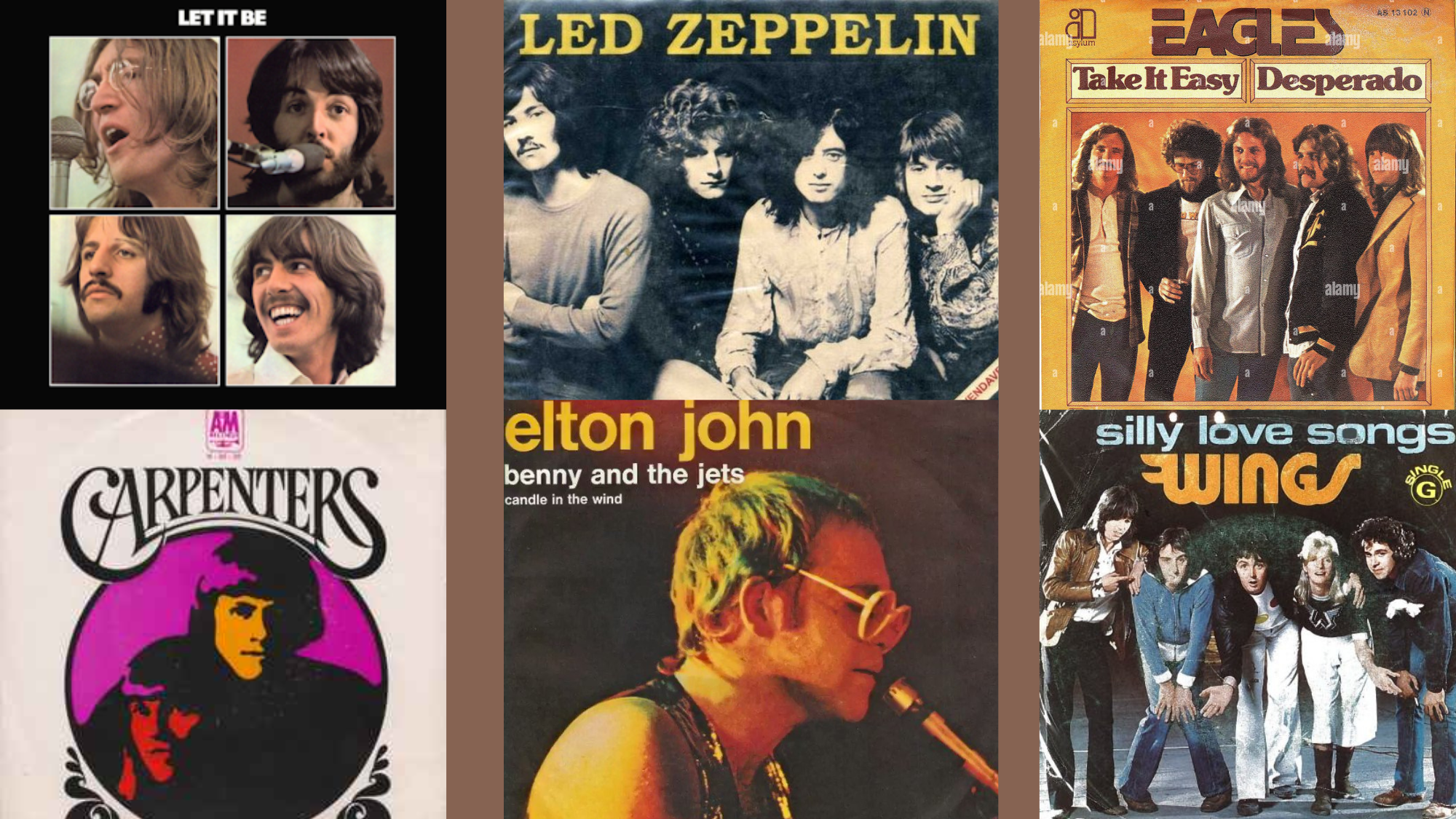
1970s music represents one of the most prolific, stylistically diverse, and technically transformative decades in recording history, bridging the analog warmth of the late 1960s with the high-production spectacle of the modern pop era. Defined by the rise of stadium rock, the explosion of disco, the birth of punk, and the maturation of electronic synthesizers, the music of this decade captured both the social disillusionment and the escapist hedonism of the post-Vietnam and post-Watergate era.
The Technological Evolution of Studio Recording
The production landscape of 1970s music shifted dramatically as multi-track recording technology evolved from 8-track and 16-track machines to sophisticated 24-track systems. This technological leap allowed producers, engineers, and artists to layer vocals, overdubs, and instrumentation with unprecedented precision, shifting the studio from a mere documentation tool into an active, experimental instrument.
Console designs advanced to include more complex mixing boards with parametric equalization, sophisticated compression, and early digital delay units. These innovations enabled the creation of massive, wall-of-sound rock anthems by bands like Fleetwood Mac and Boston, as well as the meticulously arranged, lush string arrangements characteristic of early Philadelphia soul. The role of the record producer emerged as a distinct artistic force, with figures like Quincy Jones, George Martin, and Chris Thomas shaping the sonic signatures of entire genres.
Magnetic tape manipulation reached its zenith during this period, alongside the commercial maturation of the analog synthesizer. Instruments such as the Minimoog and the ARP Odyssey introduced fat, monophonic basslines and soaring lead tones that permeated progressive rock, funk, and eventually pop. Concurrently, the introduction of polyphonic synthesizers allowed keyboardists to pad tracks with rich string and brass textures, permanently altering the harmonic structure of popular compositions.
Rock Subgenres: From Stadium Spectacle to Counter-Cultural Punk
Rock music in the 1970s fractured into several distinct, highly influential subgenres that dominated global charts and cultural discourse. Stadium rock and arena rock emerged as bands capitalized on massive amplification systems and elaborate light shows to fill football stadiums and sports arenas. Groups like Led Zeppelin, Queen, and Pink Floyd elevated rock performance into theatrical art, combining virtuosic musicianship with conceptual lyricism.
At the same time, progressive rock pushed the boundaries of traditional song structures, incorporating classical music theory, odd time signatures, and lengthy, multi-part compositions. Bands such as Yes, Genesis, and Emerson, Lake & Palmer prioritized instrumental prowess and conceptual albums, creating intricate soundscapes that appealed to an increasingly sophisticated listening audience.
Conversely, the late 1970s witnessed a fierce counter-reaction against the perceived excess of stadium and progressive rock. The punk rock movement, spearheaded by the Ramones in the United States and the Sex Pistols and The Clash in the United Kingdom, stripped rock back to its raw, high-energy, three-chord roots. Punk rejected technical virtuosity in favor of raw urgency, DIY ethos, and politically charged, anti-establishment lyricism, laying the groundwork for alternative rock and indie music decades later.
The Cultural Phenomenon and Mechanics of Disco
Originating in the underground club subcultures of New York City and Philadelphia, disco became a global cultural and commercial juggernaut by the mid-to-late 1970s. Characterized by a relentless four-on-the-floor beat, syncopated basslines, lush string arrangements, and soaring vocal performances, disco was designed exclusively to keep dancers moving on illuminated floors.
Musically, disco tracks relied on studio orchestration featuring elite session musicians, such as those in MFSB (Mother Father Sister Brother), who blended funk grooves with European orchestration. Producers like Giorgio Moroder introduced synthesized electronic rhythms, paving the way for modern electronic dance music through tracks like Donna Summer's "I Feel Love." The genre's cultural impact extended far beyond dance clubs, influencing fashion, lifestyle, and media, culminating in cinematic cultural milestones like the 1977 film Saturday Night Fever.
| Genre | Defining Characteristics | Key Artists / Groups | Major Cultural Impact |
|---|---|---|---|
| Disco | Four-on-the-floor beat, lush strings, rhythmic basslines, dance-centric arrangement. | Bee Gees, Donna Summer, Chic, Gloria Gaynor | Transformed nightlife, fashion, and mainstream pop radio integration. |
| Punk Rock | Fast tempos, raw production, aggressive anti-establishment ethos, simple chord structures. | Sex Pistols, The Clash, Ramones, The Damned | Sparked a DIY movement that permanently decentralized music production and distribution. |
| Progressive Rock | Complex time signatures, long-form compositions, classical influences, concept albums. | Pink Floyd, Yes, Genesis, King Crimson | Elevated popular music to high art and drove audio fidelity standards in home audio systems. |
| Funk | Heavy groove focus ("the one"), syncopated basslines, expressive brass sections, rhythmic guitar. | Parliament-Funkadelic, Earth, Wind & Fire, Sly and the Family Stone | Formed the rhythmic backbone for subsequent hip-hop sampling and modern R&B. |
The Golden Age of Singer-Songwriters and Album-Oriented Rock
While high-energy dance floors and guitar-driven anthems dominated headlines, the 1970s also marked a profound golden age for introspective singer-songwriters and Album-Oriented Rock (AOR). Artists such as Joni Mitchell, James Taylor, Carole King, and Neil Young stripped away the theatricality of rock to deliver deeply personal, confession-style lyricism accompanied by acoustic instrumentation and subtle piano arrangements.
Carole King’s 1971 album Tapestry set commercial benchmarks and established a template for relatable, emotionally resonant songcraft that focused on the personal trials of everyday life. This confessional approach resonated strongly with a generation navigating shifting social norms, civil rights movements, and economic uncertainty.
Concurrently, radio formatting shifted toward Album-Oriented Rock, encouraging listeners to appreciate full albums as unified artistic statements rather than hunting for isolated singles. This shift allowed bands like Fleetwood Mac to craft timeless multi-platinum releases such as Rumours, where the overarching narrative of interpersonal turmoil within the band became mirrored in the tracklist. Record labels invested heavily in gatefold vinyl packaging, lyric sheets, and striking cover art, transforming record collecting into an immersive, multi-sensory hobby.
The Roots of Modern Black Popular Music: Funk, Soul, and Early Hip-Hop
Black popular music in the 1970s experienced a rich evolution, branching outward from the classic Motown soul sound into the cosmic funk of George Clinton's Parliament-Funkadelic, the polished sophistication of Philadelphia International Records, and the smooth crossover appeal of artists like Stevie Wonder and Marvin Gaye. Marvin Gaye's 1971 masterpiece What's Going On introduced socially conscious, conceptual storytelling to R&B, addressing systemic poverty, environmental degradation, and the Vietnam War.
Funk emphasized rhythmic precision, popularized by bass pioneers like Larry Graham, whose slap-bass technique revolutionized low-end instrumentation. Horn sections answered call-and-response vocal hooks, creating an infectious, groove-heavy sound that appealed to broad multiracial audiences.
Simultaneously, in the South Bronx of New York City, the foundational elements of hip-hop were quietly forged at neighborhood block parties. Innovators like DJ Kool Herc isolated drum breaks on twin turntable setups, while early MCs delivered rhythmic vocal rhymes over the beat. While commercial recordings of hip-hop did not break into the global mainstream until the release of "Rapper's Delight" in 1979, the musical building blocks established during this decade permanently altered the global popular music landscape.
Frequently Asked Questions
What defined the primary sound of 1970s music?
The primary sound of 1970s music was defined by technological shifts toward multi-track studio recording, the dominance of analog synthesizers, and a massive diversification of genres ranging from stadium rock and disco to progressive rock and funk. Producers utilized expanding studio capabilities to layer rich instrumentation, creating warm, dynamic audio profiles that prioritized both stadium-scale power and intimate singer-songwriter arrangements.
How did the punk rock movement challenge 1970s mainstream music?
Punk rock arose as a direct rebellion against the perceived self-indulgence and technical excess of arena rock and progressive rock bands. By prioritizing raw energy, fast tempos, minimalist chord structures, and a do-it-yourself (DIY) ethos, punk bands proved that technical mastery was secondary to authentic emotional expression and social commentary.
Why is Fleetwood Mac’s Rumours considered a defining 1970s album?
Released in 1977, Rumours epitomizes the Album-Oriented Rock era through its flawless pop-rock craftsmanship, pristine studio production, and deeply personal lyrical content. The band members recorded the album while experiencing severe internal romantic and professional breakups, channeling their collective emotional turmoil into some of the most commercially successful and enduringly popular songs in recorded history.
What technological inventions changed music production in the 1970s?
The primary technological advancements included the widespread adoption of 24-track tape machines, the commercialization of portable and polyphonic analog synthesizers like the Minimoog, and sophisticated mixing consoles equipped with advanced equalization and compression. These tools allowed artists and producers to treat the recording studio as an independent creative instrument.
How did disco transition from underground clubs to mainstream culture?
Disco originated within marginalized urban subcultures, particularly among African American, Latino, and LGBTQ+ communities in New York and Philadelphia. It crossed over into the global mainstream through innovative four-on-the-floor club arrangements, massive commercial hits by acts like the Bee Gees, and its central role in the cultural landscape of the 1977 blockbuster film Saturday Night Fever.
Curating and Exploring Your 1970s Vinyl Collection
To fully appreciate the scope of 1970s music today, enthusiasts should focus on collecting original analog pressings or well-mastered vinyl reissues designed to preserve the dynamic range of the era's studio practices. Start by exploring seminal albums across contrasting genres—such as Pink Floyd’s The Dark Side of the Moon for production fidelity, Stevie Wonder’s Songs in the Key of Life for compositional brilliance, and The Clash’s self-titled debut for raw energy—to understand how cultural conditions and technological advancements intersected during one of music history's most creative decades.