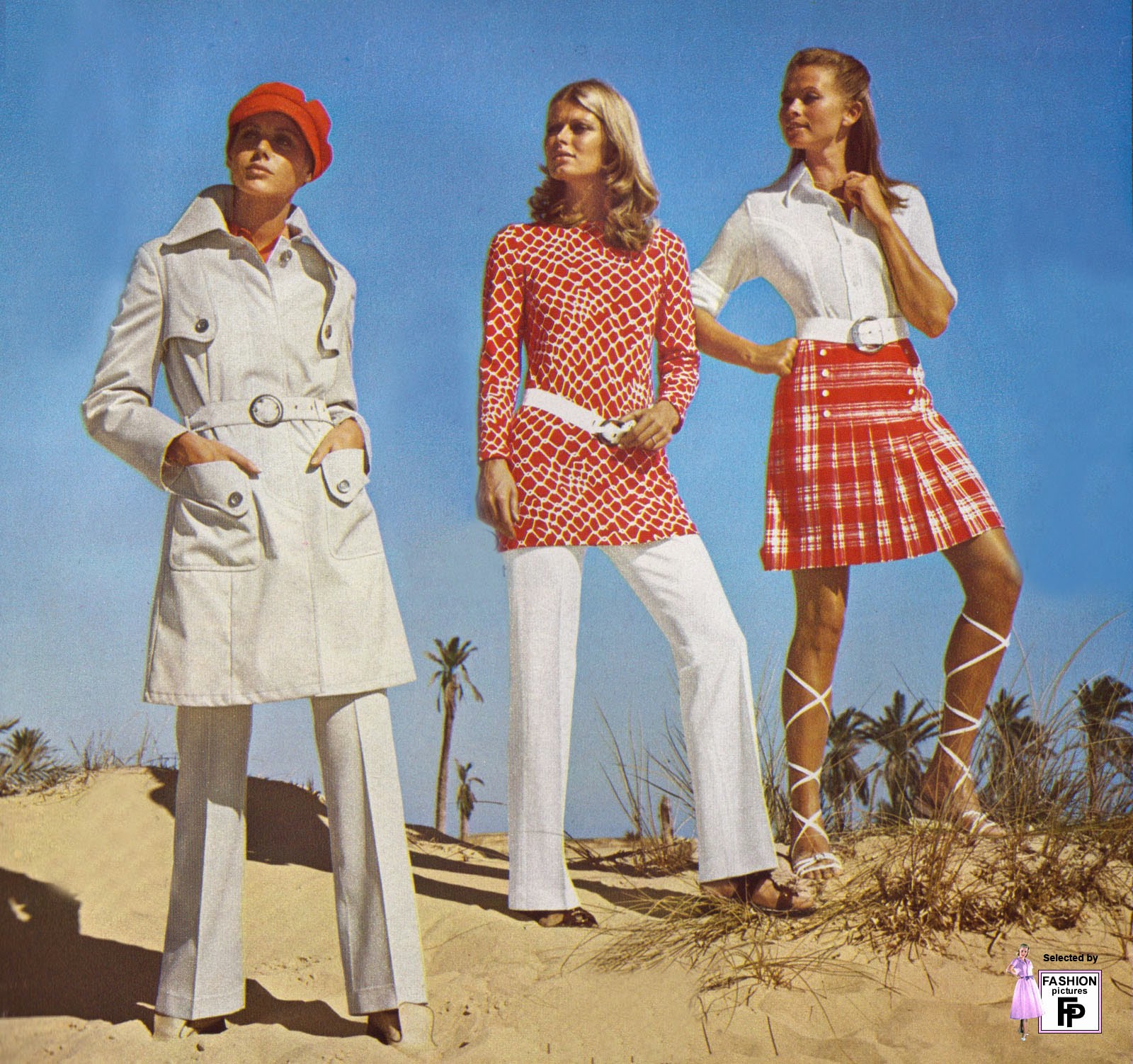
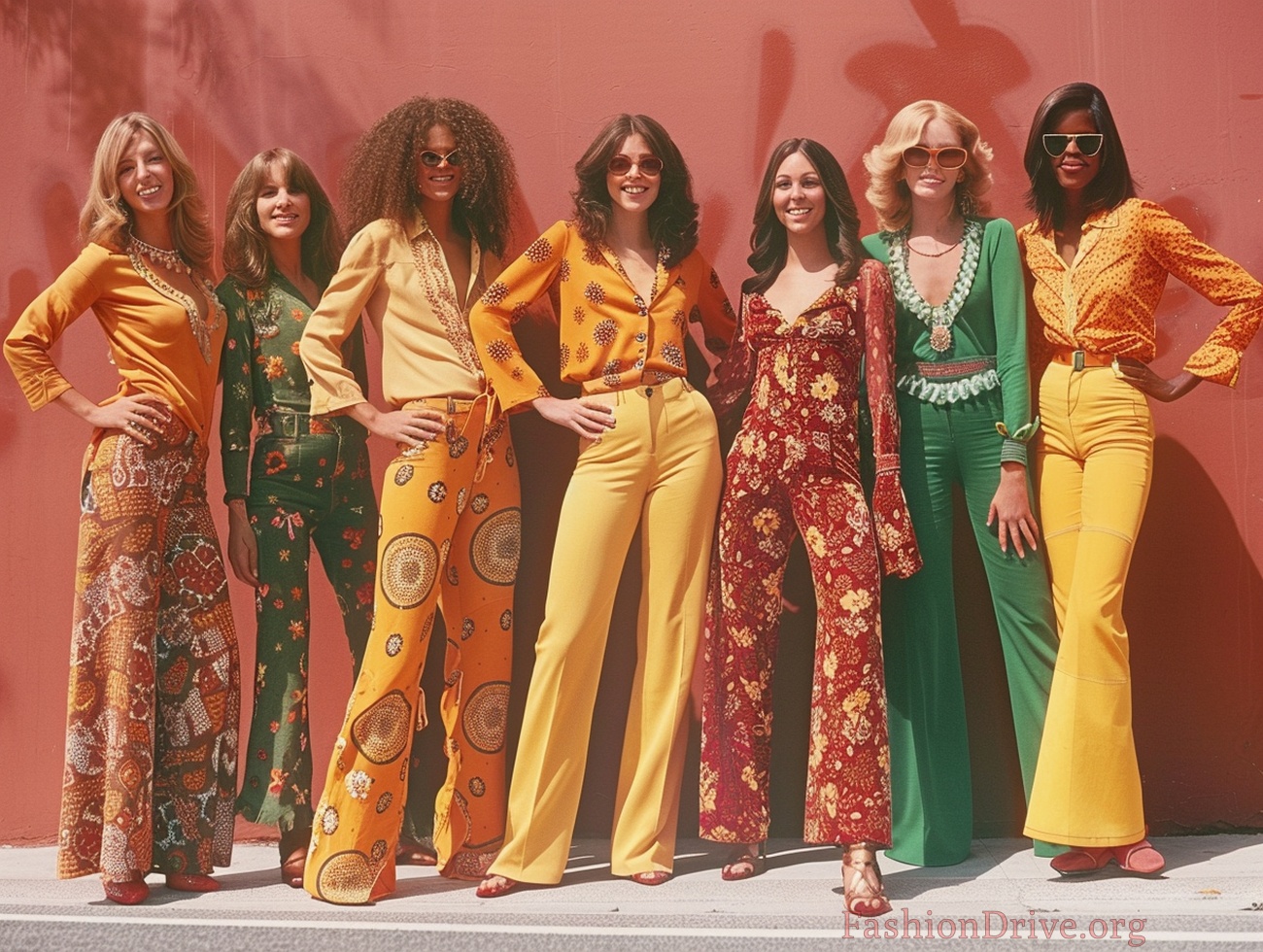
1970s fashion represents a dynamic transition from the counterculture youth movements of the 1960s into a diverse era defined by glamorous disco styles, earthy bohemian aesthetics, and the birth of modern punk. Far from being a single unified look, the decade moved through distinct phases, balancing comfort, self-expression, and material innovation.
The landscape of 1970s fashion was shaped by shifting socio-economic conditions, the rise of synthetic textiles, and the growing influence of youth culture on high-end design. Understanding this period requires examining the material developments, subcultural movements, and structural shifts that moved clothing from traditional tailoring toward expressive, ready-to-wear apparel.
Socio-Economic Context and the Rise of Synthetic Textiles
The economic shifts of the 1970s heavily influenced how clothing was manufactured, marketed, and consumed. Following the oil crisis of 1973, the global textile industry faced rising costs for natural fibers like cotton and wool. Manufacturers turned increasingly to petroleum-derived synthetic fabrics, including polyester, nylon, acrylic, and spandex.
These new materials transformed everyday wardrobes. Polyester double-knit suits, nylon shirts, and acrylic sweaters offered durability, wrinkle resistance, and easy maintenance that appealed to a growing workforce, particularly women entering corporate and professional spaces in higher numbers. While contemporary critics occasionally derided synthetic fabrics for their heat retention and artificial sheen, consumers embraced them for their affordability and vibrant dye capabilities, which allowed for bold geometric prints and saturated color palettes.
At the same time, the democratization of fashion accelerated. Mass-market retail chains and department stores successfully replicated runway trends at lower price points, reducing the gap between haute couture and everyday consumer closets. The proliferation of mail-order catalogs and suburban shopping malls ensured that regional style differences narrowed significantly compared to previous decades.
Bohemian and Folkloric Influences
The early years of the decade maintained a strong connection to the late-1960s hippie ethos, which gradually matured into a sophisticated bohemian aesthetic. This style emphasized natural fibers, handcrafted details, and global textile traditions.
Peasant blouses, maxi dresses, fringe suede vests, and embroidered tunics became wardrobe staples. Consumers sought authenticity through handmade textures, incorporating crochet, macramé, and patchwork quilting into their daily attire. Designers drew inspiration from traditional garments across the globe, including Moroccan kaftans, Indian gauze shirts, and South American ponchos.
Footwear matched this earthy sensibility. Platform shoes with cork or wooden soles, espadrilles, and knee-high suede boots dominated footwear trends for both men and women. Accessories included oversized floppy hats, layered wooden beads, and woven shoulder bags, reinforcing an aesthetic rooted in ease, individuality, and a rejection of rigid mid-century formality.
Tailoring, Denim, and Unisex Dressing
As the decade progressed, silhouettes shifted dramatically, characterized by tight-fitting tops paired with voluminous bottoms, and vice versa. Denim transitioned from a symbol of working-class labor and campus protest to an indispensable, universal fashion medium. High-waisted, wide-leg, and bell-bottom jeans became ubiquitous, often customized with embroidery, appliques, or studded leather belts.
Tailoring also underwent a radical transformation. Men's suiting featured wide lapels, patterned shirts with exaggerated pointed collars, and flared trousers, a style famously popularized by musicians and cinema actors. Peacock revolution influences lingered, encouraging men to experiment with vibrant colors, pastel suits, and silk scarves.
| Style Era | Key Silhouettes | Dominant Textiles | Primary Cultural Influences |
|---|---|---|---|
| Early 1970s Boho | Maxi dresses, peasant blouses, wide-leg pants | Cotton gauze, suede, crochet, wool | Counterculture movement, folk music, global travel |
| Mid-1970s Tailored | Fitted blazers, high-waist trousers, shirt-dresses | Polyester double-knit, gabardine, denim | Workplace integration, suburban leisure, cinema |
| Late 1970s Disco | Halter tops, wrap dresses, spandex jumpsuits | Lurex, satin, polyester blends, jersey | Studio 54, nightclub culture, electronic dance music |
| Late 1970s Punk | Ripped shirts, safety-pin closures, leather jackets | Cotton muslin, distressed denim, PVC | Anti-establishment music, British youth subculture |
Unisex dressing gained significant momentum during this period. Women frequently wore tailored pantsuits for both professional and casual occasions, while men adopted longer hairstyles, floral prints, and jewelry that blurred traditional gender boundaries. Unisex denim lines and matching couple outfits further underscored the fluid approach to dress codes.
The Glamour of Disco Culture
By the mid-to-late 1970s, nightlife culture—epitomized by venues like Studio 54 in New York City—ushered in an era of unapologetic glamour and theatricality. Disco fashion was designed for movement under flashing lights, utilizing reflective, fluid, and shimmering materials.
Women's disco wear featured wrap dresses, halter necks, tube tops, and metallic jumpsuits crafted from jersey, spandex, and Lurex. Sequins, rhinestones, and metallic finishes ensured that garments caught every angle of the dance floor illumination. High-heeled platform sandals and strappy metallic shoes completed the ensemble.
Men's disco fashion mirrored this high-shine ethos. Tailored suits crafted from polyester or velvet were worn with unbuttoned silk shirts in jewel tones such as emerald, burgundy, and sapphire. Gold chains, medallions, and polished leather loafers were standard accompaniments, reflecting a culture that celebrated leisure, wealth projection, and sensory indulgence.
The Counter-Movement: The Birth of Punk
In sharp contrast to the polished consumerism of disco, a raw and aggressive anti-fashion movement emerged in London and New York toward the end of the decade. Punk fashion directly challenged traditional notions of beauty, good taste, and commercialism.
Pioneered by figures like Vivienne Westwood and Malcolm McLaren, and popularized by bands like the Sex Pistols, punk style utilized garments as a form of social protest and rebellion. Adherents wore shredded clothing held together by safety pins and metal staples, distressed leather jackets covered in hand-painted political slogans, and tartan bondage trousers.
Accessories included heavy hardware, razor-blade jewelry, and dog collars. Hairstyles were equally subversive, featuring aggressively teased manes, shaved heads, and neon hair dyes. Makeup for both men and women was stark and theatrical, utilizing pale foundations and heavy dark eyeliner. This DIY ethos permanently disrupted the fashion pipeline, proving that style could be generated from the bottom up by disenfranchised youth.
Legacy and Modern Revival
The influence of 1970s fashion remains a powerful force in contemporary design cycles. Elements such as high-waisted denim, wrap dresses, platform heels, and bohemian prints regularly return to modern runways.
Modern designers frequently draw on the decade's successful blend of comfort and structured tailoring. Sustainable fashion advocates also look to the 1970s for inspiration in upcycling, patching, and the use of handcrafted textile techniques. By breaking down rigid gender norms and introducing a wide array of accessible, expressive styles, the decade established a modern blueprint for personal style that continues to resonate today.