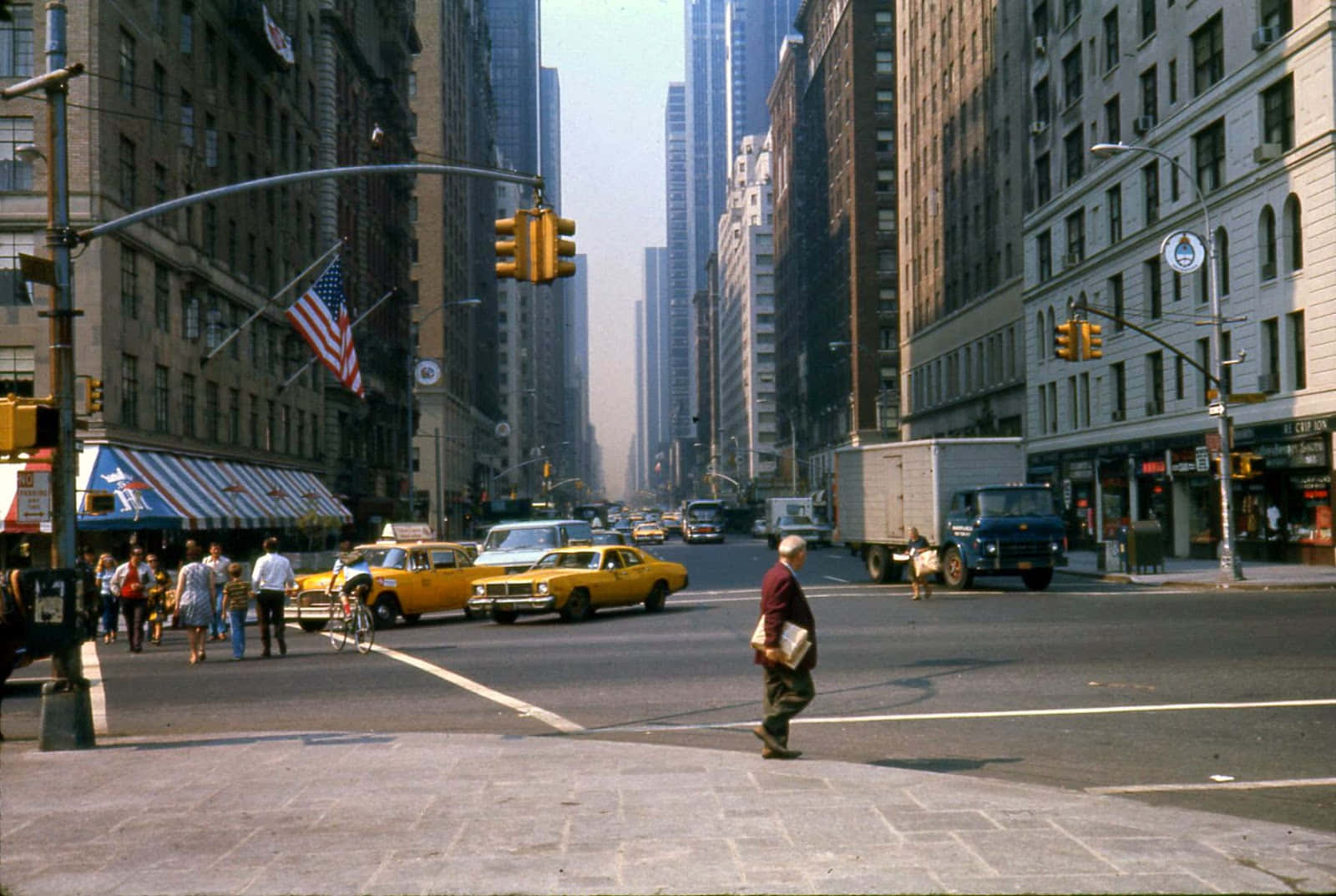
1970s culture represents a dynamic, contradictory era defined by the splintering of post-war consensus, the rise of identity politics, and revolutionary shifts in media, music, and lifestyle. Bridging the idealistic rebellion of the 1960s and the corporate conservatism of the 1980s, this decade established the architectural framework for modern individualism, consumer technology, and globalized entertainment.
Historical Context and Sociopolitical Landscape
The cultural identity of the 1970s emerged directly from the dissolution of 1960s counterculture. As the Vietnam War wound down and the Watergate scandal eroded public trust in government institutions, American and global societies experienced a profound shift from collective political mobilization toward internal reflection, cynicism, and self-actualization. This transition was amplified by severe economic disruption, notably the 1973 oil crisis, which ended decades of uninterrupted post-war economic expansion and introduced the phenomenon of stagflation—simultaneous high inflation and economic stagnation.
Citizens responded to economic uncertainty and political disillusionment by retreating into localized communities, subcultures, and alternative lifestyles. The disillusionment fostered a pervasive anti-establishment sentiment that paradoxically coexisted with corporate commercialization. Grassroots movements that had gained traction in the previous decade—such as second-wave feminism, the gay liberation movement, and the environmental movement—institutionalized themselves during the 1970s, shifting from street protests to legislative action, policy advocacy, and cultural normalization.
Musical Evolution: From Stadium Rock to Punk and Disco
Music in the 1970s fragmented into wildly divergent genres that catered to specialized audiences while occasionally dominating global charts. Early in the decade, stadium rock and progressive rock bands like Led Zeppelin, Pink Floyd, and Genesis dominated commercial airwaves, utilizing complex arrangements, fantasy-inspired lyrics, and elaborate stage productions to create immersive listening experiences. Simultaneously, singer-songwriters such as Joni Mitchell, Carole King, and James Taylor popularized confessional, introspective lyricism that mirrored the era's inward turn.
As the decade progressed, two opposing musical revolutions emerged: punk rock and disco. Punk developed in New York and London as a raw, nihilistic rejection of corporate rock excess. Characterized by fast tempos, stripped-down instrumentation, and anti-authoritarian lyrics, bands like the Ramones and the Sex Pistols mobilized disenfranchised youth. Conversely, disco originated in the underground club scenes of marginalized communities—particularly African American, Latino, and gay urban centers—before exploding into a multi-billion-dollar global phenomenon defined by rhythmic basslines, lush orchestral arrangements, and communal dance culture epitomized by Studio 54.
| Musical Genre | Defining Characteristics | Prominent Artists / Groups | Cultural Impact |
|---|---|---|---|
| Progressive Rock | Complex time signatures, long compositions, conceptual albums | Pink Floyd, Genesis, Yes | Elevated rock to high art; pioneered synthesizer technology and immersive live shows. |
| Punk Rock | Fast tempos, minimal chord structures, raw anti-establishment ethos | The Ramones, The Sex Pistols, The Clash | Democratized music production; sparked DIY culture, fashion rebellion, and independent record labels. |
| Disco | Four-on-the-floor beat, orchestral strings, synthesized basslines | Donna Summer, Bee Gees, Chic | Integrated diverse urban nightlife; pioneered modern electronic dance music production and remixing. |
| Singer-Songwriter | Introspective lyrics, acoustic instrumentation, confessional style | Joni Mitchell, Carole King, Neil Young | Shifted popular music toward personal emotional authenticity and psychological depth. |
Cinematic Shifts: The Rise of the Auteur and the Blockbuster
The film industry of the 1970s experienced a Golden Age of daring, director-driven cinema followed immediately by the birth of the modern commercial blockbuster. In the early part of the decade, major Hollywood studios handed creative control to a new generation of film school-educated auteurs who were heavily influenced by European art-house cinema. Directors like Francis Ford Coppola, Martin Scorsese, Robert Altman, and Steven Spielberg (in his early work) produced gritty, morally ambiguous masterpieces that reflected national trauma and skepticism. Films such as The Godfather (1972), Taxi Driver (1976), and Chinatown (1974) prioritized psychological realism and tragic outcomes over traditional Hollywood heroism.
This era of artistic risk-taking abruptly concluded with the release of Jaws in 1975 and Star Wars in 1977. These films demonstrated the immense profitability of high-concept, special-effects-driven entertainment supported by saturation marketing campaigns and widespread merchandising. Studios recognized that science fiction, fantasy, and action spectacle could generate unprecedented revenue, shifting industry priorities away from gritty human dramas toward escapist blockbuster franchises that remain the foundation of global cinema today.
Fashion and Lifestyle: Expression, Leisure, and Domestic Technology
Fashion in the 1970s moved away from rigid mid-century tailoring toward expressive, fluid, and often contradictory styles. The early decade inherited the bohemian aesthetic of the late 1960s, featuring bell-bottom trousers, tie-dye, fringe, and earth tones. As the decade progressed, polyester became ubiquitous, utilized in wide-collared shirts, wrap dresses, and tailored leisure suits. Footwear also evolved, with platform shoes and wedge heels becoming standard for both men and women in nightlife settings.
Inside the home, domestic life underwent a technological transformation. The widespread adoption of color television, the introduction of home video game systems like the Atari 2600 in 1977, and the proliferation of cassette tapes revolutionized home entertainment. Kitchens and living rooms featured radical interior design choices, characterized by shag carpeting, wood-paneled walls, bold geometric wallpaper, and earthy color palettes featuring avocado green, harvest gold, and burnt orange.
Identity Politics and the Redefinition of Social Roles
The social fabric of the 1970s was fundamentally reshaped by grassroots identity politics that challenged traditional hierarchies of race, gender, and sexuality. Second-wave feminism achieved major milestones, including the legalization of abortion in the United States via Roe v. Wade in 1973, the passage of Title IX guaranteeing equal funding for women's educational and athletic programs in 1972, and the expansion of career opportunities for women in professional sectors.
Simultaneously, the gay liberation movement, galvanized by the 1969 Stonewall Riots, organized widespread political campaigns and pride marches across major Western cities, successfully pushing the American Psychiatric Association to declassify homosexuality as a mental disorder in 1973. The environmental movement also entered the mainstream consciousness with the establishment of the first Earth Day in 1970, leading to the creation of regulatory bodies like the Environmental Protection Agency and foundational legislation such as the Clean Air Act, which permanently altered public awareness of industrial pollution and resource conservation.
Frequently Asked Questions About 1970s Culture
What were the dominant fashion trends of the 1970s?
Fashion in the 1970s was characterized by fluid silhouettes, synthetic fabrics, and distinct subcultural markers. Key items included bell-bottom jeans, platform shoes, wide-collared polyester shirts, wrap dresses, and leisure suits. The decade bridged bohemian hippie aesthetics with the glittering, high-energy fashion of the disco era.
How did the Vietnam War influence 1970s music and film?
The Vietnam War fostered widespread public cynicism, anti-establishment sentiment, and national trauma that directly influenced the arts. Filmmakers created gritty, morally ambiguous movies reflecting disillusionment with authority, while musicians wrote protest anthems and introspective tracks that rejected traditional patriotic narratives and corporate conformity.
Why is the 1970s considered a golden age for American cinema?
The decade is celebrated for New Hollywood, a period when major studios granted creative control to visionary directors like Francis Ford Coppola, Martin Scorsese, and Robert Altman. This freedom resulted in critically acclaimed, realistic, and psychologically complex films that challenged conventional storytelling before the industry shifted toward high-budget blockbusters.
What technological innovations emerged during the 1970s?
The 1970s laid the groundwork for the modern digital era with the invention of the microprocessors that enabled personal computing, the launch of home video game consoles like the Atari 2600, the commercialization of the VCR, and the widespread adoption of digital watch technology and pocket calculators.
How did the 1973 oil crisis impact everyday culture?
The 1973 oil crisis caused severe economic stagflation, fuel shortages, and rising inflation, forcing consumers to adopt energy-saving habits. This economic shock ended the post-war boom, altered urban and suburban development patterns, and sparked widespread anxiety about global resource dependency.
Navigating Historical Research and Archival Preservation
Researchers, educators, and enthusiasts examining 1970s culture must rely on a combination of primary archival sources, oral histories, and digitized media collections to maintain historical accuracy. When analyzing the period, it is essential to contextualize cultural artifacts within their specific socioeconomic and political frameworks rather than viewing them through a contemporary lens. For primary source documentation, historians frequently consult digitized newspaper archives, government legislation records, and institutional repositories such as the Library of Congress or regional historical societies. Preserving physical media—including vinyl records, magnetic tape, and printed ephemera—requires climate-controlled storage and careful handling to prevent chemical degradation. When undertaking academic or creative projects involving this era, cross-reference pop-cultural phenomena with verified historical timelines to ensure that artistic movements are accurately situated alongside political and economic developments.