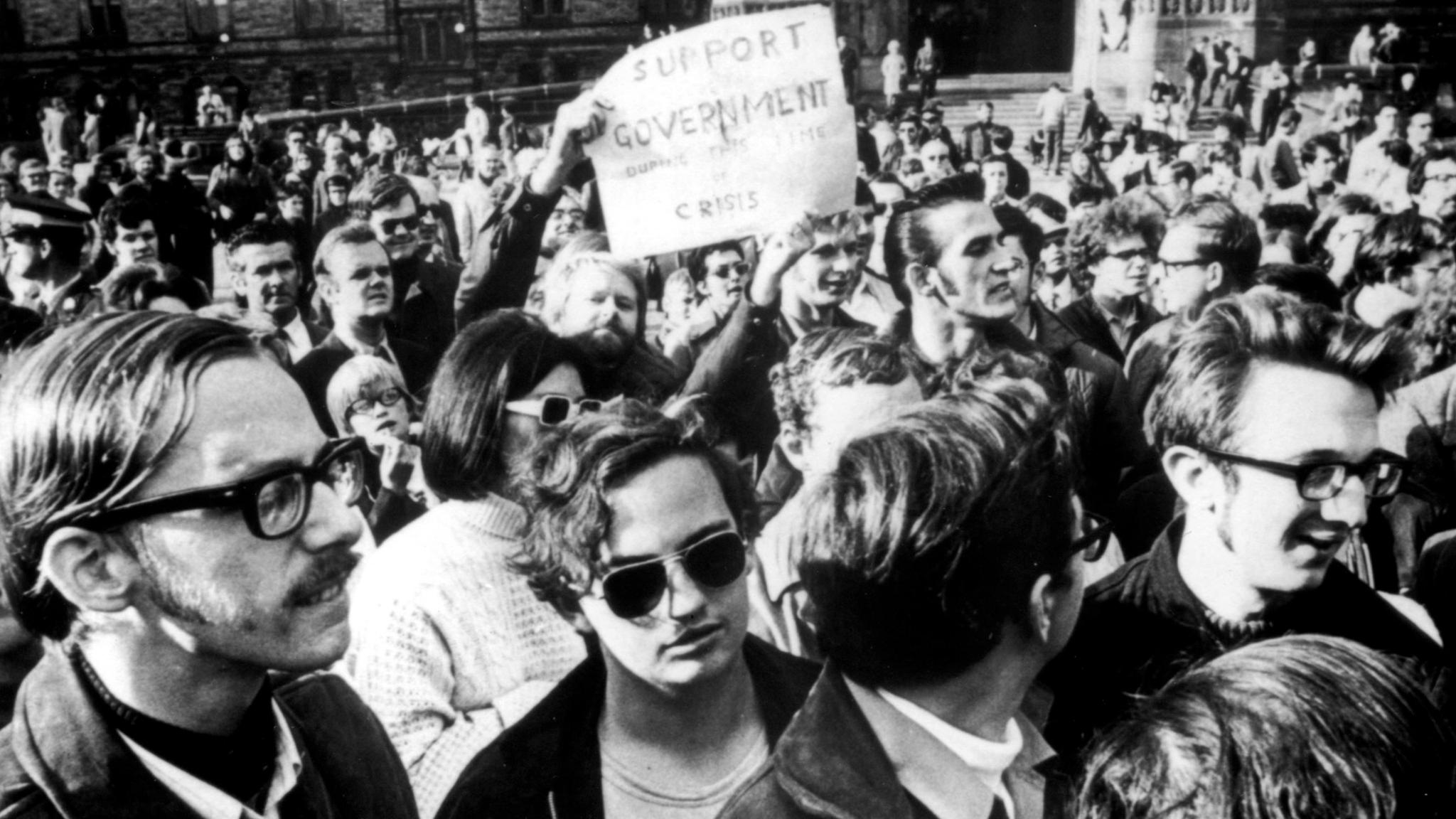
The 1970s crisis encompasses a complex confluence of macroeconomic shocks, notably stagflation, monetary instability, and severe energy shortages that fundamentally disrupted post-war global economic consensus and reshaped modern fiscal policy.
Understanding the Roots of 1970s Stagflation
The economic landscape of the 1970s defied conventional Keynesian economic theory by simultaneously exhibiting high inflation, stagnant economic growth, and high unemployment. For decades, traditional macroeconomic models suggested an inverse relationship between inflation and unemployment, a premise articulated by the Phillips Curve. Governments routinely utilized fiscal and monetary stimulus to combat joblessness, accepting higher inflation as a manageable trade-off. However, the economic reality of the 1970s shattered this paradigm, leaving policymakers with conventional toolkits that proved entirely ineffective against persistent price increases paired with sluggish commercial activity.
At the core of this structural shift was the erosion of the Bretton Woods system. In August 1971, the United States unilaterally terminated the convertibility of the US dollar into gold, effectively dismantling the fixed exchange rate system that had anchored global trade since the end of the Second World War. This policy move introduced severe volatility into international currency markets and eliminated the disciplinary constraint that fixed gold backing had previously imposed on domestic money supplies. As central banks expanded liquidity without a hard anchor, inflationary expectations became deeply entrenched across industrial economies.
Furthermore, aggressive wage-price spirals exacerbated the stagnation. Labor unions, seeking to protect workers' purchasing power against rising living costs, negotiated substantial wage increases. Corporations responded to these escalating labor costs by raising consumer prices to preserve profit margins, creating a self-reinforcing feedback loop. This structural rigidity prevented the natural market corrections that typically followed economic downturns, resulting in a prolonged period of suppressed productivity and eroded consumer confidence across North America and Western Europe.
The Geopolitical Catalyst: The 1973 Oil Embargo
While macroeconomic imbalances laid the groundwork for instability, the 1973 oil crisis served as the immediate catalyst that thrust industrial nations into deep recession. In October 1973, members of the Organization of Arab Petroleum Exporting Countries (OAPEC) proclaimed an oil embargo targeted at nations perceived as supporting Israel during the Yom Kippur War. This embargo resulted in an immediate, unprecedented supply shock, causing the global price of crude oil to quadruple within a matter of months, rising from roughly three dollars per barrel to nearly twelve dollars per barrel.
The consequences of this embargo were immediate and pervasive. Because modern industrial economies relied entirely on cheap, accessible fossil fuels for manufacturing, transportation, and home heating, the sudden scarcity paralyzed economic activity. Long lines formed at gasoline stations across the United States and Europe, leading to emergency government rationing, speed limits, and widespread public anxiety. Energy-intensive industries, particularly automotive manufacturing and chemicals, faced catastrophic cost surges that forced massive layoffs and production cutbacks.
A second major energy shock followed in 1979, triggered by the Iranian Revolution, which disrupted petroleum extraction and doubled oil prices yet again. This secondary shock prevented any sustained economic recovery from the mid-decade downturn, locking industrialized nations into a prolonged cycle of high energy costs. The dual oil shocks demonstrated the vulnerability of global supply chains to geopolitical instability in the Middle East, fundamentally altering long-term national security and energy independence strategies worldwide.
Structural Failures in Monetary Policy and Governance
During this turbulent decade, central banking institutions struggled to formulate cohesive responses, often exacerbating the very problems they sought to resolve. Under the leadership of Federal Reserve Chairmen Arthur Burns and G. William Miller, monetary authorities frequently yielded to political pressures, maintaining low interest rates and expanding the money supply to stimulate employment. This accommodative monetary stance failed to account for supply-side constraints like the oil shocks, effectively fueling price inflation rather than fostering genuine economic growth.
The absence of quantitative discipline and forward-looking economic frameworks meant that interest rates consistently lagged behind the rate of inflation. Real interest rates—nominal rates adjusted for inflation—remained deeply negative for extended periods. This environment penalized institutional and retail savers, warped capital allocation, and encouraged speculative borrowing, as tangible assets like real estate and precious metals outperformed traditional equities and fixed-income securities.
| Economic Indicator | Post-War Consensus (1950–1969) | 1970s Crisis Period (1970–1979) |
|---|---|---|
| Average US Inflation Rate | ~2.5% annually | ~7.1% annually |
| Crude Oil Price Benchmark | Stable (~$3.00 per barrel) | Escalated to over $35.00 per barrel (1979) |
| Dominant Economic Condition | Low unemployment, steady growth | Stagflation (high inflation and unemployment) |
| Monetary Regime | Bretton Woods fixed exchange rates | Floating fiat currencies, systemic volatility |
Governance structures also faced severe friction as politicians attempted unorthodox administrative measures to control prices without addressing underlying fiscal imbalances. In 1971, the Nixon administration implemented a comprehensive ninety-day freeze on wages and prices, followed by mandatory controls that lasted in various forms for over two years. While these interventions temporarily suppressed headline inflation, they created artificial shortages, forced businesses to curtail production, and failed to halt the underlying monetary expansion. Once the controls were lifted, prices surged violently, proving that administrative fiat could not override fundamental market supply and demand.
Global Repercussions Across Industrialized Economies
The ripple effects of the 1970s crisis extended far beyond the United States, exerting immense pressure on international trade, developing nations, and regional political alliances. Western European economies, heavily reliant on imported energy and raw materials, experienced severe balance-of-payments deficits. Countries like the United Kingdom were forced to seek emergency financial assistance from the International Monetary Fund (IMF) to stabilize their sovereign currency reserves and manage spiraling domestic deficits.
Concurrently, the massive influx of petrodollars—surplus revenues accumulated by oil-exporting nations—was deposited into Western commercial banks. These financial institutions aggressively recycled the capital by extending large, floating-rate loans to developing nations in Latin America and Eastern Europe. When central banks in developed nations eventually raised interest rates to combat inflation at the end of the decade, the cost of servicing these foreign debts skyrocketed, laying the institutional groundwork for the developing world debt crises of the 1980s.
Domestically, the crisis triggered a profound industrial transformation. Traditional manufacturing powerhouses, such as the American Rust Belt, experienced permanent structural decline as high input costs intersected with aging infrastructure and rising international competition from more efficient foreign producers, particularly in Japan. This industrial hollowing-out generated structural unemployment that persisted long after cyclical recovery had begun, altering labor demographics and accelerating the transition toward service-oriented economies.
The Policy Shift and the Road to Recovery
The protracted misery of the 1970s crisis ultimately forced a radical realignment in macroeconomic policy that defined the final decades of the twentieth century. The turning point arrived at the end of the decade with the appointment of Paul Volcker as Chairman of the Federal Reserve in 1979. Recognizing that incremental adjustments were insufficient to break inflationary psychology, Volcker implemented a decisive shift in monetary policy, targeting the growth of the money supply directly rather than attempting to manage fluctuating interest rates.
This aggressive tightening pushed the federal funds rate to historic highs—exceeding twenty percent in the early 1980s—and deliberately induced a severe, painful recession. While this monetary shock caused widespread corporate bankruptcies, soaring unemployment, and intense political backlash in the short term, it successfully shattered inflationary expectations. Once inflation was structurally anchored at lower levels, capital markets stabilized, and the global economy laid the foundations for the sustained expansion of the 1980s and 1990s.
The lessons learned from the 1970s transformed central bank independence and operational transparency. Modern macroeconomic governance now prioritizes price stability as a core prerequisite for sustainable economic growth, ensuring that monetary authorities maintain the institutional autonomy required to implement unpopular countermeasures during supply shocks.
Frequently Asked Questions
What caused the high inflation rates during the 1970s?
High inflation in the 1970s was driven by a combination of loose monetary policies following the collapse of the Bretton Woods system, aggressive wage-price spirals, and massive supply-side shocks resulting from the 1973 and 1979 oil embargoes. These factors overwhelmed traditional economic controls and created persistent price pressures.
How did the 1973 oil embargo affect everyday consumers?
The oil embargo quadrupled global crude oil prices, causing severe energy shortages, long lines at gasoline stations, and emergency rationing in many industrialized nations. Consumers faced sharply higher costs for home heating, transportation, and consumer goods, coupled with rising unemployment.
Why did traditional Keynesian economics fail in the 1970s?
Traditional Keynesian models assumed an inverse relationship between inflation and unemployment, known as the Phillips Curve. When the 1970s produced stagflation—simultaneous high inflation and high unemployment—standard fiscal and monetary stimulus packages proved ineffective and often worsened inflationary pressures.
What role did the collapse of Bretton Woods play in the crisis?
The termination of US dollar convertibility to gold in 1971 eliminated the fixed international exchange rate anchor. This allowed central banks to expand money supplies without physical discipline, leading to currency depreciation, systemic volatility, and accelerated global inflation.
How was the 1970s economic crisis finally resolved?
The crisis was largely resolved at the end of the decade through a dramatic shift in monetary policy led by Federal Reserve Chairman Paul Volcker. By targeting money supply growth and raising interest rates to historic highs, the Federal Reserve deliberately induced a recession to break entrenched inflationary expectations.
Assessing Historical Precedents for Modern Risk Management
For contemporary financial analysts and policymakers, studying the 1970s crisis provides critical insights into the vulnerabilities of global supply chains and the dangers of unanchored monetary policy. Recognizing how structural energy shocks interact with domestic inflation guides modern central banks in balancing price stability with employment targets. To mitigate similar systemic risks, institutions must maintain robust energy diversification strategies, enforce disciplined monetary frameworks, and preserve the independence necessary to implement structural reforms during periods of geopolitical uncertainty.