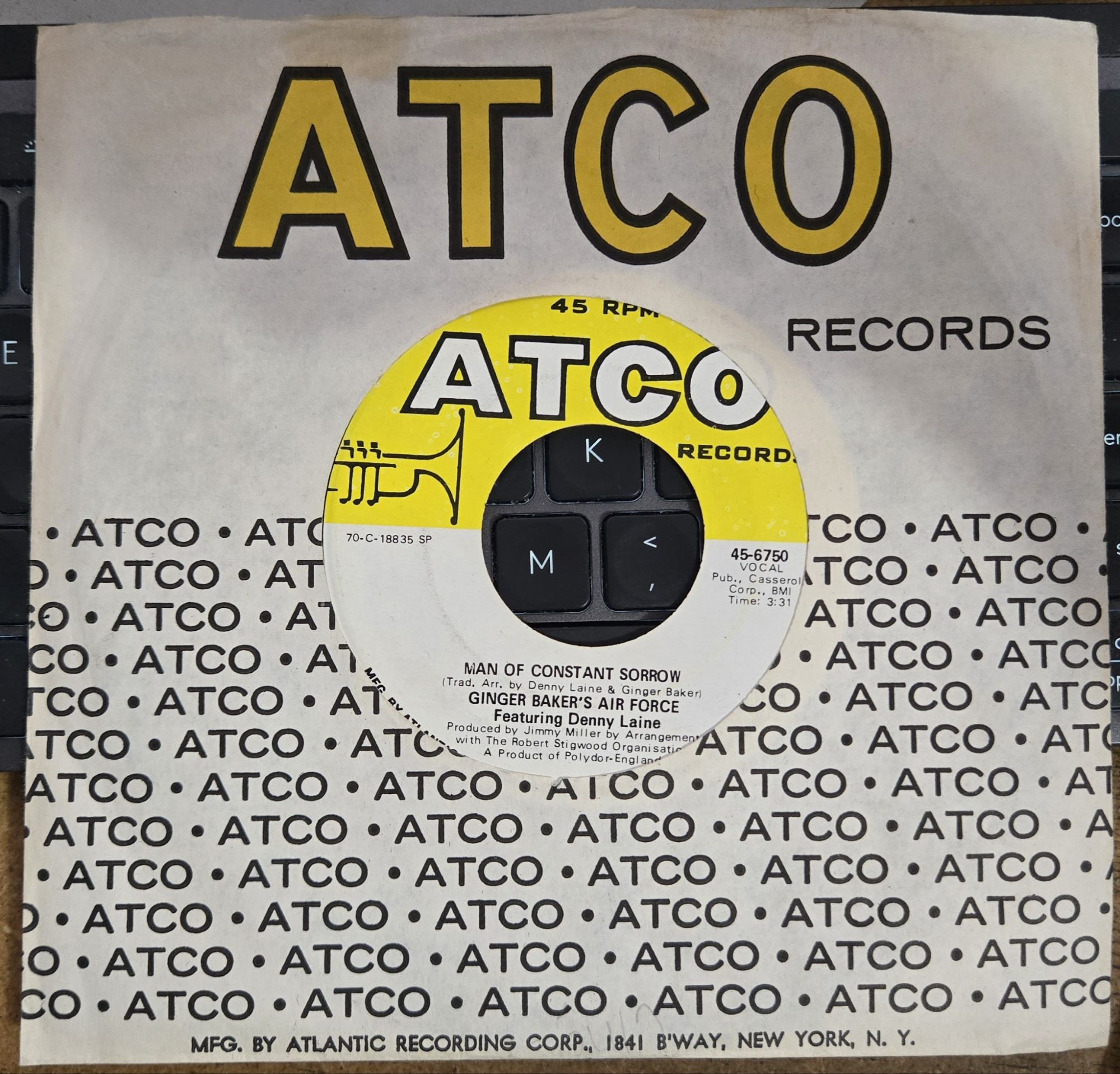
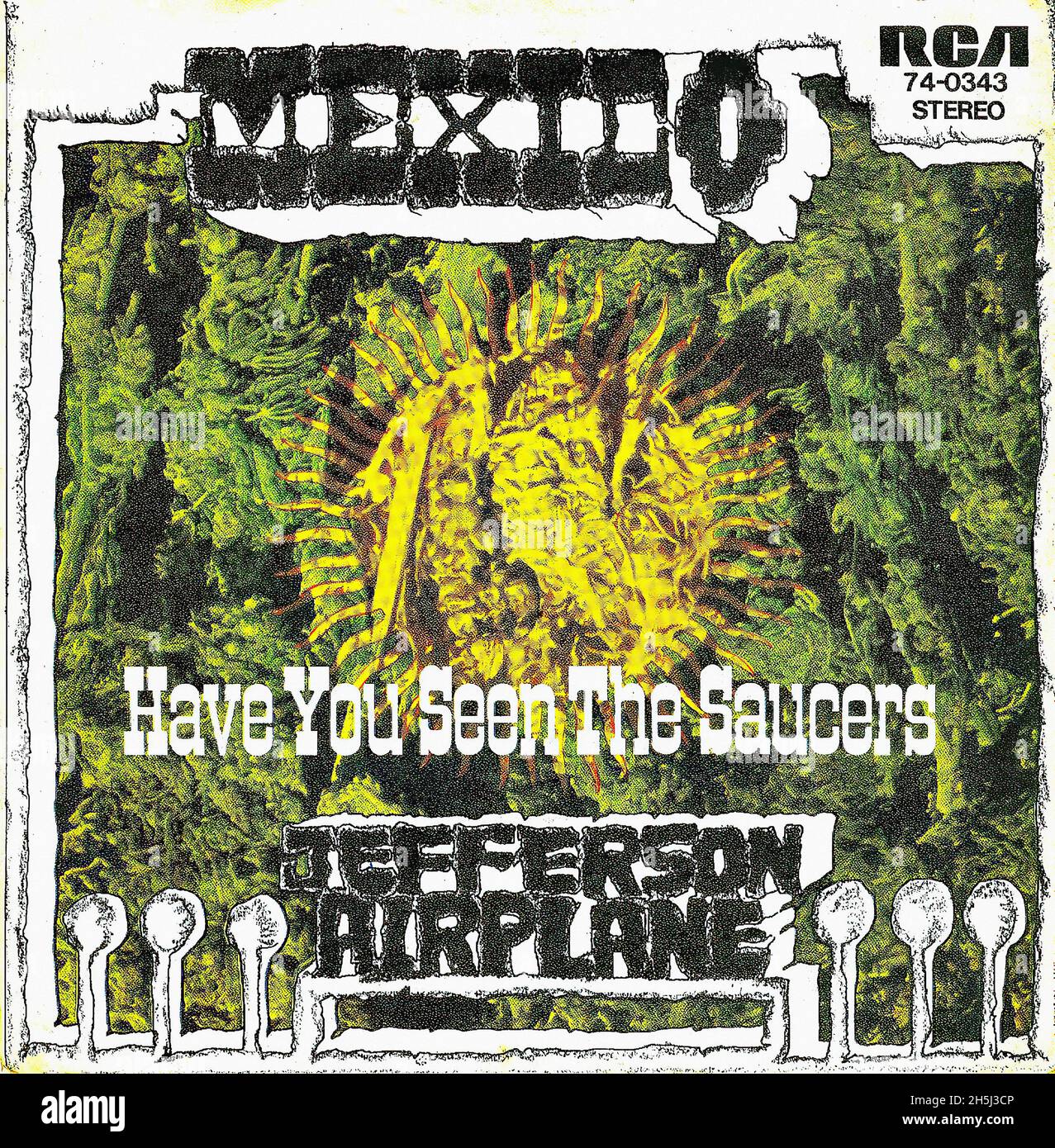
The 1970 single represents a pivotal artifact in the history of recorded music, defined by the dominance of the 7-inch vinyl record spinning at 45 revolutions per minute (RPM). During this transition period in popular music, singles served as the primary marketing driver for artists and record labels, reflecting a diverse landscape of rock, soul, funk, and early disco.
The Technological and Format Standards of 1970 Singles
The 7-inch vinyl single manufactured around 1970 relied on specific technical parameters that set it apart from both older shellac 78s and contemporary long-playing (LP) albums. These records were typically pressed on polyvinyl chloride, offering an improved signal-to-noise ratio and greater durability than their predecessors.
A standard 1970 single featured a large center hole designed to accommodate automatic record changers common in home audio consoles of the era, though adapter inserts were readily available for standard spindle players. Run-out grooves often contained matrix numbers stamped or hand-etched by mastering engineers, which collectors use today to trace specific pressing plants and mastering variations. The audio mix for a 1970 single was frequently distinct from the album version, optimized for AM radio broadcast compression and smaller turntable styluses.
Chart Mechanics and Industry Promotion in 1970
Record charts in 1970, such as the Billboard Hot 100 in the United States and the Official Singles Chart in the United Kingdom, operated on a combination of retail sales data and radio airplay tracking. Record labels utilized aggressive promotion strategies to push a single up the charts, including mailing promotional copies—often marked with "DJ Copy" or "Not For Sale" stamps—to radio station program directors.
The commercial success of a 1970 single directly influenced an artist's touring schedule and album sales. The standard commercial release featured an A-side containing the primary track intended for radio play and a B-side (or flip side), which sometimes offered an exclusive non-album track or an instrumental version. The economic model relied heavily on impulse purchases by teenagers and young adults, making the sleeve presentation and packaging vital to retail success.
Packaging, Sleeves, and Visual Identity
Unlike the generic paper sleeves common in earlier decades, the packaging of a 1970 single increasingly incorporated visual elements that reflected the growing importance of artist branding. While budget-conscious releases and jukebox copies frequently appeared in plain paper or die-cut company sleeves featuring the record label's logo, major commercial releases often featured custom paper or cardstock picture sleeves.
These picture sleeves frequently displayed promotional photography, lyric excerpts, or distinctive graphic designs characteristic of early 1970s visual culture. Collectors today often assign significant value to these original picture sleeves, especially when they survived in clean condition alongside the vinyl disc, as many were discarded or damaged during heavy use in period environments.
Evaluating Condition and Grading Standards for Vintage Vinyl
Assessing the physical and acoustic condition of a 1970 single requires adherence to established record grading standards, most notably the Goldmine grading scale. Because these records were heavily played on a wide variety of playback equipment—ranging from high-end component stereos to portable record players with heavy tracking forces—surface wear is a primary factor in valuation.
| Grade | Visual Condition | Audio Performance |
|---|---|---|
| Mint (M) | Factory fresh, unplayed, flawless surface. | Perfect playback with zero background noise. |
| Near Mint (NM) | Nearly flawless; minor signs of handling or dust. | Plays cleanly with virtually no audible surface noise. |
| Very Good Plus (VG+) | Light scuffs or very light scratches; minor loss of sheen. | Light surface noise may be present in quiet passages, but does not overpower the music. |
| Very Good (VG) | More pronounced scratches or scuffs; groove wear visible under light. | Noticeable surface noise, pops, or crackle, though the music remains dominant over the noise. |
Collecting and Preserving the 1970 Single
Preserving a collection of 1970 singles involves proper handling, archival storage, and environmental controls to prevent degradation of the vinyl material and paper components. Archival practices dictate removing the record from its original paper sleeve and placing it into an anti-static inner sleeve to prevent sleeve scuffing and dust accumulation.
- Store records vertically in sturdy storage boxes or shelving units to prevent warping caused by pressure or stacking.
- Maintain ambient room temperatures between 65°F and 70°F (18°C to 21°C) with relative humidity levels kept stable between 45% and 50%.
- Clean vinyl surfaces using a carbon fiber brush before playback, and utilize a dedicated record-cleaning machine with a vacuum extraction system for deeper cleaning.
- Handle records exclusively by their edges and label area to avoid transferring skin oils directly onto the microgrooves.
Common Pitfalls in Identifying Pressings
Collectors and researchers examining a 1970 single frequently encounter issues related to pressing variations, bootlegs, and mislabeled stock. Record labels often utilized multiple pressing plants across a country to meet regional demand, resulting in subtle differences in label typography, pressing ring diameters, and matrix etchings between copies from different factories.
Distinguishing a first-press commercial release from a later reissue or a promotional copy requires careful examination of the run-out groove dead wax. Cross-referencing these matrix codes with established discographical databases ensures accurate identification and prevents misvaluation of the artifact.
Frequently Asked Questions About 1970 Singles
What speed does a 1970 single play at?
A standard 1970 single is designed to play at 45 revolutions per minute (RPM). Turntables of this era required manual or electronic speed selection to switch between 33⅓ RPM albums and 45 RPM singles.
Are all 1970 singles stereo or mono?
The year 1970 marked a transitional period where singles were mastered and pressed in both mono and stereo formats. Many pop and rock singles were still mixed specifically for mono radio broadcast compatibility, while stereo singles became increasingly common as stereo equipment saturated the consumer market.
How can I tell if a 1970 single is an original pressing?
Original pressings are identified by specific run-out groove matrix numbers, label logos, and typography consistent with the manufacturing standards of that specific year. Reissues often feature updated label designs, different catalog numbers, or modern barcode indicators on the packaging.
Do 1970 singles have different mixes than album versions?
Yes, many 1970 singles feature unique edits, alternate vocal takes, or specialized mono/stereo mixes that differ significantly from the corresponding tracks found on full-length studio albums. These radio edits and alternate mixes make certain singles highly sought after by collectors and music historians.
What is the difference between a stock copy and a promo copy?
Stock copies were manufactured for general retail purchase by the public through record stores and distribution outlets. Promo copies were distributed free of charge to radio stations and industry professionals, usually featuring specialized labels, distinct text such as "Promotion Not For Sale," and occasionally a mono mix on one side and a stereo mix on the other.
Optimizing Storage and Archival Maintenance
Ensuring the long-term preservation of historical audio artifacts requires adherence to established conservation principles. Outer sleeves made from inert plastics such as polyethylene or polypropylene protect both the vinyl and the original picture sleeve from environmental pollutants, moisture, and shelf wear. Regular inspection for sleeve degradation and vinyl off-gassing helps maintain the physical integrity of the collection for future study and listening.