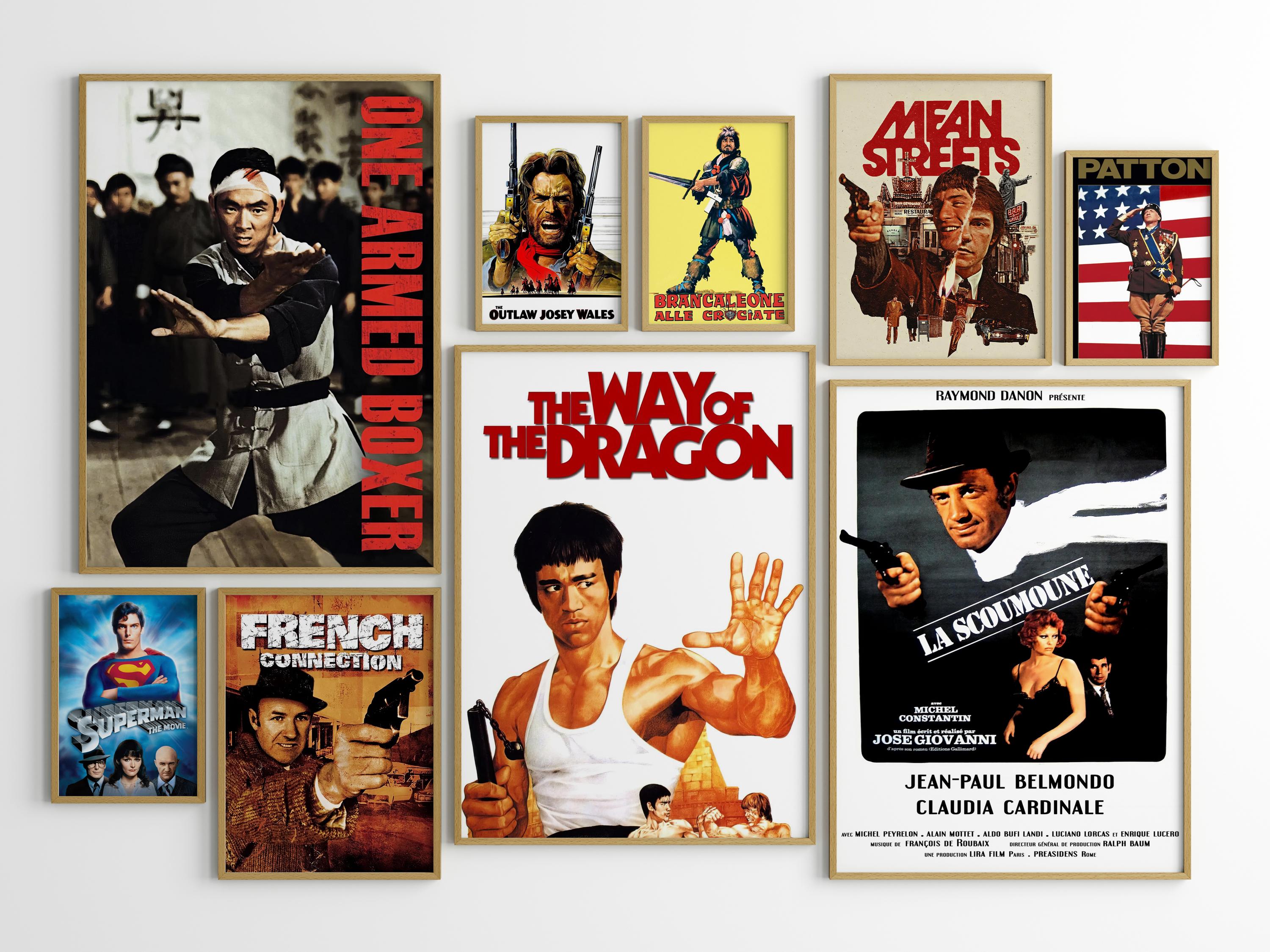
The year 1970 marked a profound transition in cinematic history, bridging the classical studio era's twilight with the gritty, director-driven auteur movement of the 1970s. This transitional period redefined storytelling conventions, embraced countercultural shifts, and introduced production techniques that permanently altered global filmmaking.
Historical Context and Industry Transformation
By 1970, the traditional Hollywood studio system was facing an unprecedented financial crisis. Major studios like 20th Century Fox, Paramount, and Warner Bros. had suffered massive losses throughout the late 1960s due to bloated budgets, costly historical epics, and a rapidly shifting youth demographic that rejected outdated studio formulas. High-profile box office failures forced studio executives to cede creative control to a younger generation of filmmakers, film school graduates, and international auteurs who understood the anxieties of the contemporary audience.
This power shift created a unique window for creative experimentation. Studios began financing low-to-medium-budget productions with minimal corporate oversight, allowing directors to explore taboo subjects, moral ambiguity, antiheroes, and contemporary social issues. The 1970 film landscape thus became an incubator for bold storytelling, where traditional narrative resolutions were frequently replaced by unresolved tensions, bitter truths, and stylistic grit.
Technological Innovations and Production Shifts
The aesthetic transformation of 1970 cinema was deeply intertwined with advancements in lightweight, portable production equipment. The development of high-speed, sensitive film stocks, portable Nagra sound recorders, and mobile Arriflex cameras liberated film crews from the confines of soundstages and heavy studio lighting grids.
- Location Shooting: Directors frequently bypassed backlots in favor of authentic urban environments, bleak landscapes, and real domestic interiors.
- Naturalistic Sound Design: Direct sound recording and sophisticated multi-track mixing replaced artificial post-dubbing, enhancing realism.
- Cinematographic Styles: Handheld camera work and documentary-style framing became widespread, mirroring the observational techniques of direct cinema.
These technological shifts directly influenced the visual grammar of the era. Cinematographers embraced desaturated color palettes, natural lighting, and long, unbroken takes that allowed actors to inhabit physical spaces organically. The result was a stark visual authenticity that separated the cinema of 1970 from the polished, vibrant Technicolor spectacles of the previous decade.
The Rise of American Auteurs and Countercultural Themes
The thematic core of cinema produced around 1970 revolved around disillusionment, institutional corruption, anti-establishment rebellion, and existential rootlessness. The cultural trauma of the Vietnam War, the civil rights movement, and the Watergate prelude cast a long shadow over artistic expression. Characters were no longer virtuous champions of moral absolute; instead, they emerged as flawed, isolated figures navigating hostile systems.
This era catalyzed the careers of filmmakers who would dominate the decade, including Robert Altman, Hal Ashby, Francis Ford Coppola, and Martin Scorsese, alongside the sustained output of international masters. These directors utilized genre conventions—such as the Western, the detective thriller, and the domestic drama—as vehicles for sharp social critique. By subverting audience expectations, 1970 films challenged viewers to confront uncomfortable societal realities rather than seeking simple escapism.
Critical Reception, Distribution, and Financial Realities
Navigating the commercial marketplace in 1970 required studios to adopt split distribution strategies. While roadshow releases and massive blockbusters still commanded capital, the commercial viability of smaller, idiosyncratic pictures proved that a hungry, urban demographic was willing to support risky content.
| Film Category | Primary Characteristics | Distribution Strategy | Representative Impact |
|---|---|---|---|
| Studio Epics | High budgets, traditional casts, roadshow formats | Limited exclusive runs in major metropolitan theaters | Preserved historical studio prestige while incurring high financial risk |
| Countercultural / Auteur Works | Low budgets, location shooting, antihero protagonists | Wide saturation or platform release targeting youth markets | Demonstrated high profitability and cultural resonance |
| Documentary & Hybrid Features | Direct cinema techniques, observational framing, real-world events | Specialized art-house distribution, university circuits | Expanded the boundaries of cinematic truth and non-fiction narrative |
The tension between commercial profitability and artistic integrity defined the business of film in 1970. Studios learned that smaller investments could yield massive cultural footprints, setting the stage for the blockbuster era later in the decade while temporarily handing the keys of production to daring visionaries.
Comparative Overview of 1970 Cinema Trends
- Traditional Studio System
- Financial Crisis (Late 1960s)
- Loss of Creative Control by Executives
- Financial Crisis (Late 1960s)
- Rise of Auteur Cinema
- Technological Liberation (Portable cameras, fast stock)
- Thematic Realism (Vietnam, disillusionment, antiheroes)
- Commercial Shift (Targeting youth demographics)
This structural evolution ensured that the films of this era functioned simultaneously as commercial commodities and vital sociological artifacts. The convergence of economic necessity and artistic ambition created a permanent shift in how stories were conceptualized, financed, and consumed globally.
Frequently Asked Questions
What defined the visual style of films released around 1970?
The visual style was characterized by a gritty realism, extensive use of location shooting, natural lighting, and handheld camera movements. Filmmakers moved away from highly stylized, artificial studio sets in favor of authentic urban and natural environments that reflected contemporary life.
How did the financial state of Hollywood influence 1970 cinema?
Widespread studio financial losses in the late 1960s forced executives to relinquish creative control. Studios took greater risks on low-budget, director-driven projects, inadvertently launching a golden age of independent-minded studio filmmaking.
Were international films influential on the 1970 cinematic landscape?
Yes, international movements such as the French New Wave, Italian Neorealism, and new cinemas from Eastern Europe and Japan heavily influenced American and global filmmakers, encouraging experimentation with narrative structure and moral ambiguity.
Why is 1970 considered a transitional year in film history?
The year sits precisely between the collapse of the rigid classical studio era and the explosive, high-concept blockbuster era that arrived later in the 1970s. It captured a unique historical moment where auteur freedom and countercultural themes peaked simultaneously.
What themes were most prevalent in movies from this period?
Prevalent themes included institutional distrust, existential alienation, antihero journeys, anti-war sentiment, and the breakdown of traditional family structures, closely mirroring the socio-political turbulence of the era.
Strategic Evaluation and Preservation of 1970 Cinema
For researchers, archivists, and modern cinephiles, examining the cinematic output of 1970 requires looking beyond individual box-office receipts to evaluate historical context and technical execution. When studying or restoring films from this transitional era, verify archival source materials, examine original release cuts versus later home-video edits, and consult contemporary trade publications to understand the production constraints and cultural reception of each specific work.