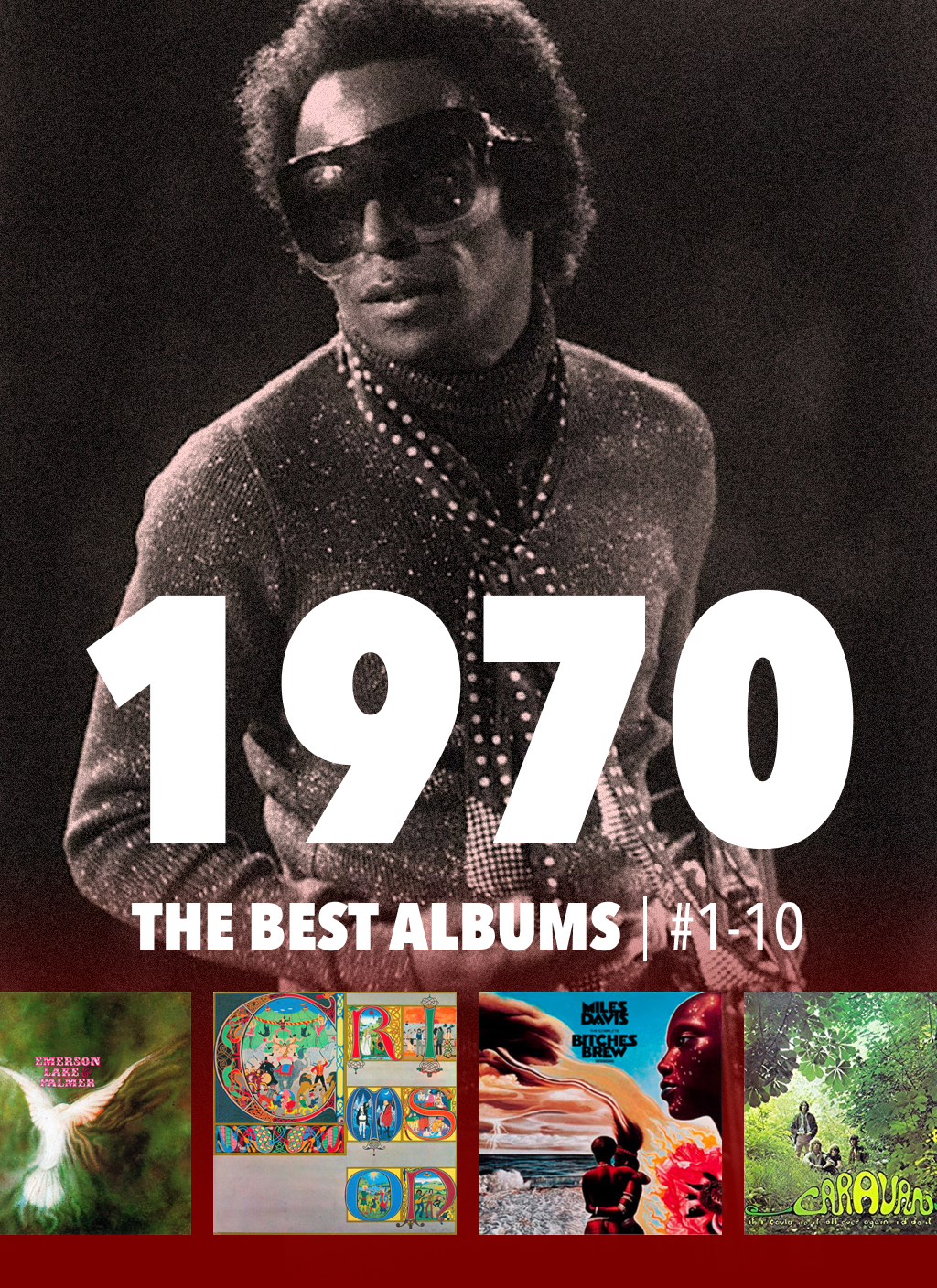
The year 1970 marked a profound turning point in popular music, yielding landmark long-playing records that dissolved the boundaries of traditional pop, blues, and folk while birthing heavy metal, sophisticated singer-songwriter confessionals, and sprawling art-rock experimentation. This era-defining crop of releases reshaped recording studio techniques, album artwork packaging, and the commercial viability of cohesive, artistic statements.
The Cultural and Sonic Shift of 1970 Recordings
The dawn of the 1970s witnessed a collective exhaustion with the utopian psychedelia of the late 1960s, steering artists toward grittier realism, introspective isolation, and heavier sonic textures. As bands like The Beatles dissolved and countercultural optimism faced harsh socio-political realities, musicians channeled these tensions into their creative output. The recording industry simultaneously upgraded from four-track and eight-track machines to sixteen-track mixing consoles, granting producers and engineers unprecedented freedom to layer instrumentation, isolate frequencies, and experiment with spatial dynamics.
This technological leap coincided with a shift in consumer habits. The long-playing record (LP) solidified its dominance over the standalone single as the primary vehicle for artistic expression. Audiophiles and casual listeners alike began treating albums as unified artistic statements rather than mere collections of radio singles. Consequently, songwriters felt emboldened to explore complex narrative arcs, side-long suites, and deeply personal lyrical themes that reflected the turbulence of the era.
Defining Masterpieces and Genre-Defining Breakthroughs
When examining the quintessential 1970 album releases, several enduring records stand out for their immediate cultural impact and long-term historical resonance. Black Sabbath’s self-titled debut album, released in February 1970, single-handedly birthed heavy metal by wedding blues-inflected doom riffs with occult imagery and down-tuned guitars. Meanwhile, across the Atlantic, Neil Young’s After the Gold Rush established a fragile, acoustic-driven template for alternative country and confessional singer-songwriting.
The landscape was similarly altered by acts pushing the boundaries of rock production and instrumentation. Led Zeppelin’s third studio album traded the explosive electric blues of their previous records for acoustic folk introspection, proving that heavy rock bands could cultivate dynamic versatility. In the realm of progressive rock, King Crimson and nascent art-rock architects pushed structural boundaries, utilizing mellotrons and classical arrangements to challenge the conventional three-minute radio format.
Comparative Overview of Landmark 1970 Releases
To understand the diversity of the musical landscape during this period, it is useful to compare several key releases that defined different genres and production methodologies.
| Album Title | Artist | Primary Genre | Key Innovation / Legacy |
|---|---|---|---|
| Black Sabbath | Black Sabbath | Heavy Metal | Established down-tuned guitar riffs and dark thematic motifs that defined heavy metal. |
| After the Gold Rush | Neil Young | Folk Rock / Americana | Pioneered vulnerable, sparse arrangements merging country instrumentation with raw lyricism. |
| Bitches Brew | Miles Davis | Jazz Fusion | Blended electric instrumentation, rock backbeats, and avant-garde improvisation on a massive scale. |
| McCartney | Paul McCartney | Lo-Fi / Pop Rock | Utilized home-recording techniques and multi-instrumental tracking to pioneer indie-pop aesthetics. |
| Paranoid | Black Sabbath | Heavy Metal | Perfected the heavy metal formula with tight arrangements and enduring anthem structures. |
Technological Advancements in Studio Production
The production methods utilized in 1970 recording sessions laid the groundwork for modern studio engineering. The transition toward multi-track recording allowed artists to record rhythm sections separately from vocal tracks and overdubs, reducing the pressure of live-in-the-studio performance. Producers like George Martin, Glyn Johns, and Teo Macero utilized these technological capabilities to sculpt distinct sonic identities for their respective projects.
Furthermore, microphone placement techniques evolved significantly. Engineers began experimenting with close-miking drum kits and guitar cabinets to capture a punchier, drier sound that cut through commercial radio speakers. This approach directly opposed the distant, ambient room sounds characteristic of early 1960s recordings, giving rise to the aggressive, high-fidelity punch that would dominate rock and pop production for the rest of the decade.
Commercial Impact and the Evolution of Album Packaging
The commercial strategy surrounding a major 1970 album release extended far beyond the vinyl grooves themselves. Record labels invested heavily in gatefold sleeves, lyric inserts, and custom typography, transforming the physical LP into an immersive tactile artifact. Artists collaborated closely with visionary graphic designers and photographers to ensure that the visual presentation matched the thematic gravity of the music inside.
Commercially, the industry weathered economic recessions by capitalizing on dedicated youth demographics who viewed record collecting as a core part of their identity. Retail distribution networks expanded rapidly, moving records out of specialized high-end audio boutiques and into department stores, gas stations, and dedicated high street chains, thereby cementing recorded music as a ubiquitous mass-market commodity.
Frequently Asked Questions
What makes a 1970 album historically significant compared to other eras?
A 1970 album typically bridges the gap between 1960s countercultural experimentation and 1970s industry professionalism. This year saw the crystallization of entirely new genres, such as heavy metal and jazz fusion, alongside a major pivot toward confessional singer-songwriter confessions and advanced multi-track studio production.
How did recording technology change around 1970?
The widespread adoption of sixteen-track mixing consoles allowed engineers to isolate instruments, record overdubs with pristine clarity, and experiment with complex vocal layering and stereo panning. This technological leap shifted the recording studio from a tool used merely to capture live performances into an instrument in its own right.
Are original 1970 vinyl pressings valuable to collectors?
Yes, original pressings from 1970—particularly first-run vinyl copies of seminal rock, metal, and jazz fusion records in mint condition—frequently command high prices on the secondary collector market. Factors such as matrix numbers, specific stampers, gatefold conditions, and original lyric inserts heavily influence their valuation among audiophiles.
Why did artists shift away from psychedelic music in 1970?
The cultural disillusionment following the collapse of the late-1960s political and social movements led artists to abandon whimsical, escapist psychedelia. Musicians favored grounded acoustic arrangements, raw blues foundations, and explicit political or personal lyricism that reflected real-world anxieties.
Assessing and Preserving Vintage Vinyl Collections
For collectors and music historians acquiring or maintaining physical copies of a classic 1970 album, proper preservation requires meticulous environmental control. Vinyl records must be stored vertically in temperature-controlled spaces away from direct sunlight to prevent warping and sleeve ring wear. Utilizing anti-static inner sleeves and professional cleaning machines helps mitigate surface noise and preserves the high-frequency fidelity embedded in the original analog grooves. When evaluating potential acquisitions, always inspect the run-out groove matrix stampings to verify pressing authenticity and country of origin before finalizing purchases.