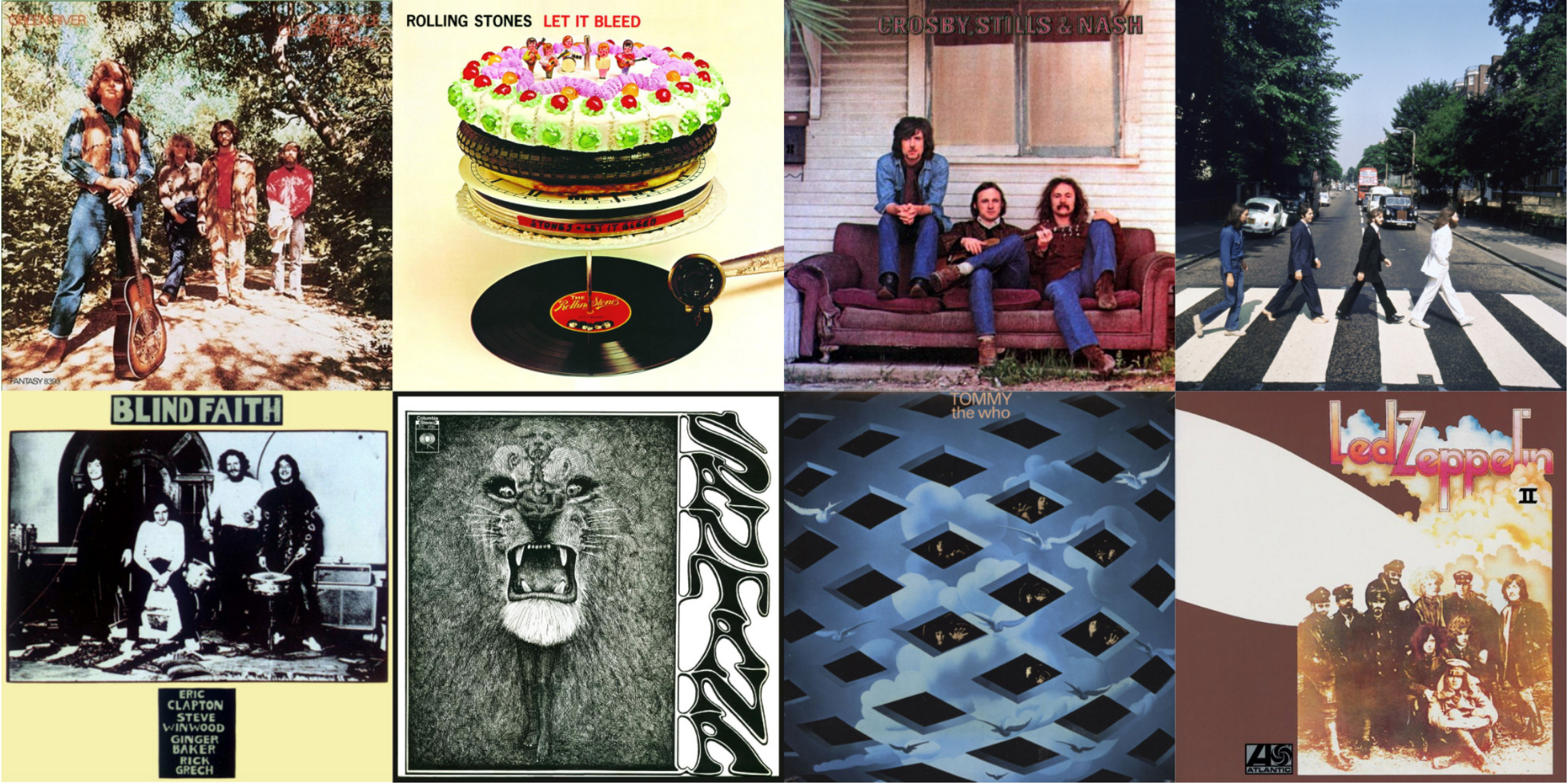
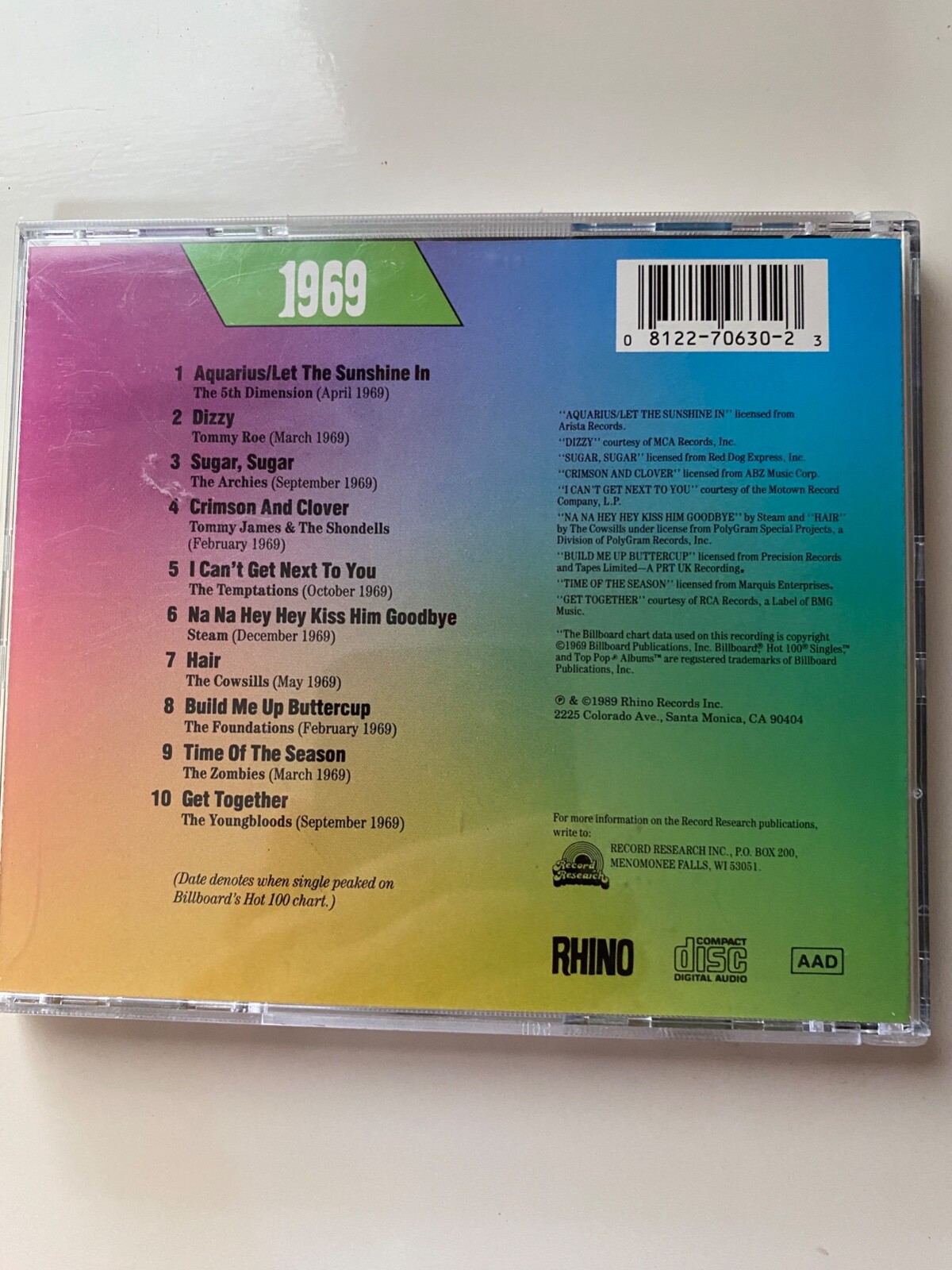
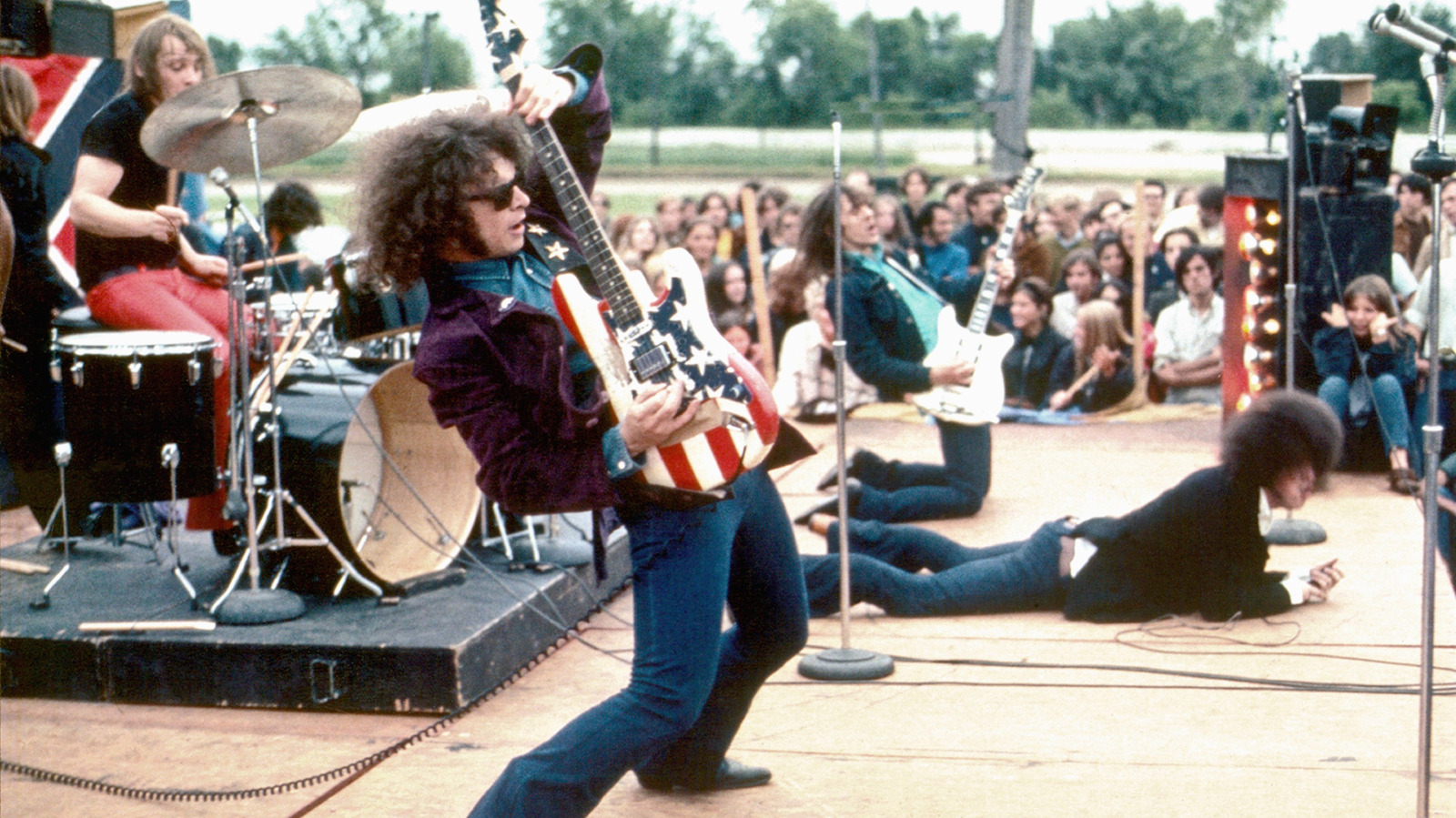
The year 1969 stands as one of the most pivotal epochs in popular music history, characterized by the explosive maturation of counterculture rock, the genesis of heavy metal and progressive rock, and the cultural watershed of the Woodstock Music & Art Fair. This era bridged the idealistic experimentation of the mid-1960s with the heavier, stadium-scaled commercial realities of the 1970s, leaving behind a permanent legacy of artistic innovation and sociopolitical resonance.
The Sociopolitical and Cultural Landscape of 1969 Music
Music in 1969 did not exist in a vacuum; it served as a direct response to a turbulent global society. The escalation of the Vietnam War, the civil rights movement, the lingering shock of 1968 political assassinations, and the rising environmental consciousness formed the psychological backdrop for songwriters and performers. Artists increasingly rejected pop radio formulas in favor of extended compositions, explicit political commentary, and immersive album-oriented experiences.
This cultural friction fostered an unprecedented sense of community among youth demographics. Festivals, underground radio stations, and communal living experiments created alternative distribution channels for radical art. Rock and roll transformed from popular entertainment into a legitimate countercultural press, articulating the hopes, fears, and frustrations of a generation questioning traditional authority and institutional norms.
Landmark Albums That Defined the Year
The recorded output of 1969 established new standards for studio production, conceptual unity, and instrumental virtuosity. Several releases from this twelve-month span continue to occupy top positions on critical lists of the greatest albums ever made.
The Beatles released Abbey Road in September 1969, marking the final time all four members entered the recording studio together. Utilizing the advanced 8-track mixing capabilities of EMI Studios, the record featured the pristine synthesizer work of the Moog and the famous second-side medley, showcasing a polished studio mastery that contrasted sharply with their early live-performance days.
Simultaneously, the debut albums of Led Zeppelin (Led Zeppelin) and a newly formed Black Sabbath (who recorded their self-titled debut in late 1969 for a 1970 release, alongside contemporaries like King Crimson) laid the groundwork for heavy metal and hard rock. Led Zeppelin combined blues-based improvisations with thunderous amplification and acoustic delicacy, redefining the sonic capacity of a four-piece rock band.
Major Musical Movements of 1969
| Genre / Movement | Key Characteristics | Defining Artists & Releases |
|---|---|---|
| Progressive Rock | Complex time signatures, classical instrumentation, extended structures | King Crimson (In the Court of the Crimson King), The Nice |
| Hard Rock / Proto-Metal | Distorted guitars, heavy basslines, aggressive drumming, blues roots | Led Zeppelin (Led Zeppelin I & II), MC5, The Stooges |
| Roots & Folk Rock | Acoustic arrangements, traditional American idioms, lyrical storytelling | The Band (The Band), Crosby, Stills & Nash (Crosby, Stills & Nash) |
| Psychedelic / Acid Rock | Studio experimentation, distortion, surreal lyrics, extended jams | Jimi Hendrix, Jefferson Airplane, Santana |
The Woodstock Festival and the Live Performance Revolution
No discussion of 1969 music is complete without examining the Woodstock Music & Art Fair, held on a dairy farm in Bethel, New York, from August 15 to 18, 1969. Billed as "An Aquarian Exposition: 3 Days of Peace & Music," the festival drew an estimated 400,000 attendees and became the defining symbol of the 1960s counterculture movement.
Logistical failures, traffic gridlock, and torrential downpours threatened to derail the event, yet the peaceful cooperation among the massive crowd transformed the festival into a legendary cultural milestone. Performances by Jimi Hendrix (whose searing, dissonant rendition of "The Star-Spangled Banner" became an enduring anti-war statement), Santana, The Who, Sly & the Family Stone, and Crosby, Stills & Nash demonstrated the unifying power of live rock music on an unprecedented scale.
At the same time, the tragic Altamont Free Concert in December 1969—featuring the Rolling Stones and marred by violence involving the Hells Angels security detail—signaled an abrupt, sobering end to the peaceful idealism of the decade's festival culture.
Technological Advancements in Recording Studios
The sonic profile of 1969 music was heavily influenced by rapid advancements in professional audio engineering. Studios transitioned universally from 4-track to 8-track recording machines, granting producers and engineers the ability to layer tracks, experiment with stereo panning, and isolate instruments with greater precision.
The Moog synthesizer, invented by Robert Moog, moved from avant-garde academic circles into mainstream rock and pop arrangements. Albums by bands like The Beatles and Simon & Garfunkel integrated modular analog synthesis into traditional acoustic and electric instrumentation, expanding the tonal vocabulary of popular music. Additionally, the proliferation of high-powered, custom-built amplification systems—such as those designed by Jim Marshall and Dave Reeves (Hiwatt)—allowed guitarists to achieve sustained overdrive and distortion at stadium-filling volumes.
The Enduring Legacy and Commercial Impact Today
Decades after its initial release, the music of 1969 remains a cornerstone of classic rock radio, streaming algorithms, and musicology curricula. The business model of the music industry also shifted permanently during this year, as record labels realized that long-playing albums (LPs) could be more profitable and culturally significant than standard 7-inch singles.
Collectors and audiophiles continue to drive robust markets for original 1969 vinyl pressings, particularly first-run mono and stereo copies of albums by artists like The Jimi Hendrix Experience, The Doors, and Creedence Clearwater Revival. Archival box sets, high-resolution digital remasters, and multi-track remixes released in the modern era further demonstrate that the creative output of 1969 holds enduring artistic and commercial value.
Frequently Asked Questions About 1969 Music
What were the most influential albums released in 1969?
The most influential albums of 1969 include Abbey Road by The Beatles, Led Zeppelin and Led Zeppelin II by Led Zeppelin, In the Court of the Crimson King by King Crimson, Stand! by Sly & the Family Stone, and The Band by The Band. These records reshaped rock composition, production standards, and genre boundaries.
How did the Vietnam War influence the music of 1969?
The Vietnam War fueled widespread anti-war sentiment, which manifested in protest anthems, psychedelic imagery, and cynical social commentary. Artists used their platforms to voice opposition to the draft and government policies, while festivals like Woodstock served as physical manifestations of the anti-war counterculture.
Who performed at the Woodstock Festival in August 1969?
Woodstock featured dozens of iconic acts, including Jimi Hendrix, The Who, Santana, Janis Joplin, Jefferson Airplane, Crosby, Stills, Nash & Young, Sly & the Family Stone, and Creedence Clearwater Revival. It remains the most famous music festival in history.
What technical changes occurred in recording studios during 1969?
The primary technological shift in 1969 was the widespread adoption of 8-track recording systems, which allowed for more complex vocal and instrumental layering. The commercial integration of the Moog synthesizer and the availability of high-output guitar amplification also dramatically altered the sonic landscape.
Why is 1969 considered a turning point for rock music?
The year marked a transition from the idealistic, pop-oriented psychedelia of the mid-1960s into heavier, more complex genres like heavy metal, progressive rock, and roots rock. It also cemented the concept album as the primary artistic vehicle for serious rock musicians.
Preserving and Exploring the Soundscapes of 1969
To fully appreciate the scope of 1969 music, listeners should look beyond the commercial singles and explore original full-length vinyl records, contemporary documentary films like Woodstock (1970), and multi-track archival releases. By examining the interplay between technological innovation, studio experimentation, and sociopolitical turmoil, contemporary audiences can better understand how the music of this single year continues to shape modern rock, pop, and alternative genres.